

Image

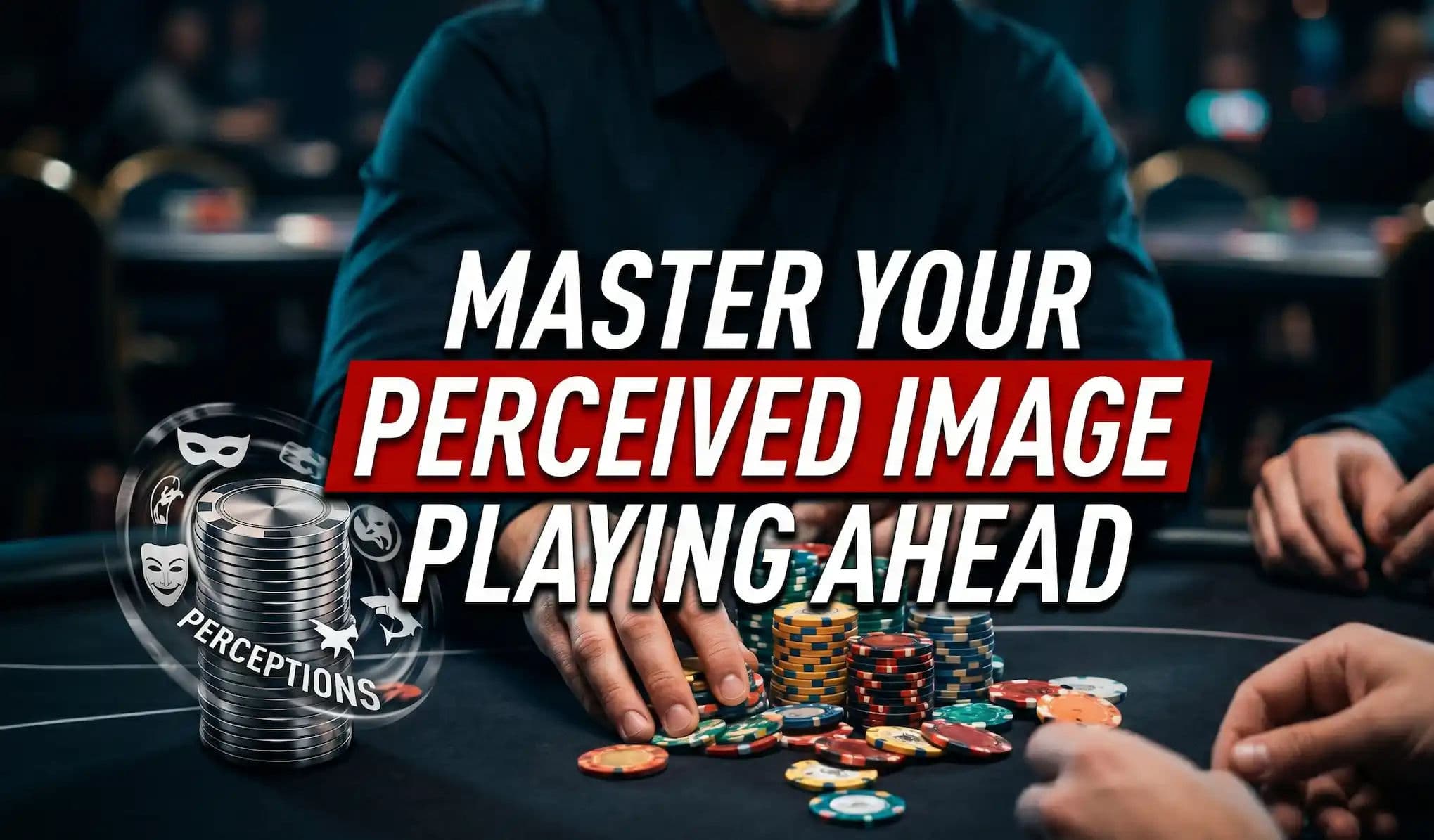
The strategic landscape of poker extends far beyond the cards dealt; it encompasses the psychological battle waged at the table. Central to this intricate dance is the concept of a player's "image" – the collective perception held by opponents regarding your unique playing style. This critical element dictates how others interpret your actions, from a cautious check to an aggressive three-bet, profoundly shaping their responses. Understanding, cultivating, and manipulating your table image is not merely an advanced tactic but a fundamental pillar for gaining a sustainable edge, particularly as the stakes and skill levels rise.
What Defines Your Poker Image?
A player's poker image is a complex mosaic formed from various observable behaviors and tendencies. It is the sum of how opponents categorize you at the table:
Tight-loose image poker: Do you play only premium hands (tight) or a wide range of starting hands (loose)?
Aggressive passive poker: Are you prone to betting and raising to take control (aggressive), or checking and calling to see cheap cards (passive)?
Bluffer or Value Bettor: Are your big bets usually bluffs, or do they almost always signify genuine strength?
Predictable or Unpredictable: Do your actions follow clear patterns, or are you known for unconventional plays?
This overall poker perception is built over time, hand by hand, and is influenced by factors like your pre-flop opening ranges, post-flop aggression frequency, showdown hands, and even your table talk and physical tells in live games.
The Strategic Imperative of Exploiting Poker Image
The primary objective behind understanding and managing your poker image is to deliberately mislead opponents, prompting them to make suboptimal decisions. This strategic misdirection hinges on exploiting their preconceived notions about your game.
Exploiting a "Solid" or "Tight" Image: If you have established a reputation as a conservative player who rarely bluffs and only bets with strong hands, your bluffs gain significant credibility. When you suddenly fire a large bet on the river, opponents, remembering your "tight" image, are far more likely to fold, attributing your aggression to genuine strength. This allows you to win pots with weak hands that you wouldn't otherwise.
Exploiting a "Loose" or "Wild" Image: Conversely, if your table image is that of a "maniac" who bluffs frequently and plays many hands, opponents will be more inclined to call your bets, expecting to catch you with a weak hand. This predisposition to call becomes a goldmine when you actually hold a monster hand. They will pay you off on big bets, seamlessly maximizing the profitability of your overall value betting strategy.
The Art of Counter-Exploitation
Beyond manipulating your own image, an expert player actively seeks to identify and exploit the images of their opponents. By accurately classifying an opponent's style, you can heavily tailor your poker strategy:
Against a "Calling Station" (passive, loose, reluctant to fold): Value bet thinly, avoid bluffing.
Against a "Nit" (tight, passive, only plays strong hands): Bluff frequently, steal blinds, apply pressure.
Against a "Maniac" (loose, aggressive, bluffs often): Call wider, trap with strong hands, let them bluff into you.
This adaptability is what separates good players from great ones.
Dynamic Nature of Image and Adaptation
A crucial aspect often overlooked is that a poker image is not static. It evolves with every hand, every session, and every table change. A player's image at one table may differ significantly from their image at another. Furthermore, sophisticated opponents will also attempt to adapt to your perceived image, trying to counter-exploit you.
Therefore, successful image management requires a deep understanding of poker psychology , constant vigilance, and an ability to:
Recognize Changes: Observe how opponents react to your bets. Are they folding more than usual? Calling lighter?
Shift Gears: Be willing to deviate from your established image when the situation demands. If you've been perceived as tight, throw in a well-timed bluff. If you've been loose, tighten up.
Control Information: Be mindful of which hands you show down. Showing a bluff reinforces a wild image, while showing a strong hand reinforces a tight image.
Long-Term Strategy vs. Short-Term Tactics
While short-term tactics might involve changing your image for a few hands to exploit a specific situation, a successful long-term poker career often involves cultivating a consistent, misleading image. For example, a truly excellent player might always appear somewhat tight and cautious, even when incorporating sophisticated bluffs, ensuring opponents always give their bets more respect than they might deserve.
The nuanced application of image manipulation elevates poker from a game of chance to a profound test of strategy and perception. Mastering this aspect of the game allows players to transcend mere card strength, transforming the table into a canvas for psychological warfare where perception is as potent as reality.
Use Your Table Image to Win Big. Now that you know how to build and manipulate your table image, it's time to use poker psychology to your financial advantage. Join the action at our reviewed online poker sites to test your shifting gears against real opponents in highly profitable games. Create your new account using the promo code SMPBONUS to secure an exclusive welcome bonus and start exploiting your opponents today!
| Pros | Cons |
|---|---|
A well-managed, solid, or tight image makes your bluffs more credible, significantly increasing your fold equity. | Opponents might misinterpret your intentional image cultivation or shifts, leading to unintended and potentially costly outcomes. |
A loose or wild image encourages opponents to call your bets more frequently, maximizing payouts when you hold a genuinely strong hand. | Effectively managing and exploiting image demands acute observation of opponent tendencies, reactions, and continuous adaptation. |
Actively managing your image allows you to control the narrative at the table, influencing opponent decision-making and gaining a mental advantage. | Building a credible and useful poker image takes time and consistent play, especially for implementing more subtle or nuanced strategies. |
Understanding both your own and your opponents' images enables dynamic strategy adjustments tailored to different player types and table dynamics. | Over-relying on a single, predictable image can make a player susceptible to exploitation by astute opponents who recognize the pattern. |
Related Poker Terms
6-Max
9-Max (Full Ring)
A-Game
ABC Poker
Bankroll
Bet Size
Bet Sizing
Blocker
Bluff
Bluff Catcher
Board
Bubble Factor
Button
Call
Check-Call
Check-fold
Check-Raise
Click-Back
Donkament
Double Barrel
First in
Gap Concept
GTO
Gutshot
Hot Streak
HUD
Image
Insta-Call
Isolation
Kicker
Leak
Limp
Limp-Fold
Limp-Raise
Middle Pair
Min-raise
Monotone
Monster
Multi-Way Pot
Nit
Nuts
One-Way Straight
Online Poker
Online Poker Strategies
Open Limp
Out of Line
Over the top
Over-Limp
Overblind
Overcall
Overcard
Overpair
Pat
Peel
Play Behind
Polarized
Pot Control
Potting Out
Preflop
Premium Hands
Probe Bet
Proposing Bets
Push or Fold
Put Down
Quads
Quartered
Quitting Time
Quorum
Ragged
Range
Range Advantage
Razz
Reverse Implied Odds
Rolled Up
Royal Flush
Runner Runner
Running Good
Sandbagging
Satellite
Sit and Go (SNG)
Slow Play
Smooth Call
Snap Call
Snapped Off
Soft Seat
Solid
Steal
Suited
Suited Gappers
Tank
Total air
Trap
Two-Gapper
Under the Gun (UTG)
Underpair
Value
Value Bet
Villain
Weak Ace
Window Card
Best Online Poker Bonus Codes


About the Editor

Bence Mitykó is a Somuchpoker poker writer, covering poker news and strategy. He spent four years playing poker professionally, primarily focusing on Heads-Up Sit & Go games, experience that continues to shape his understanding of poker strategy, online poker dynamics, and the wider poker industry.


