

Quitting Time

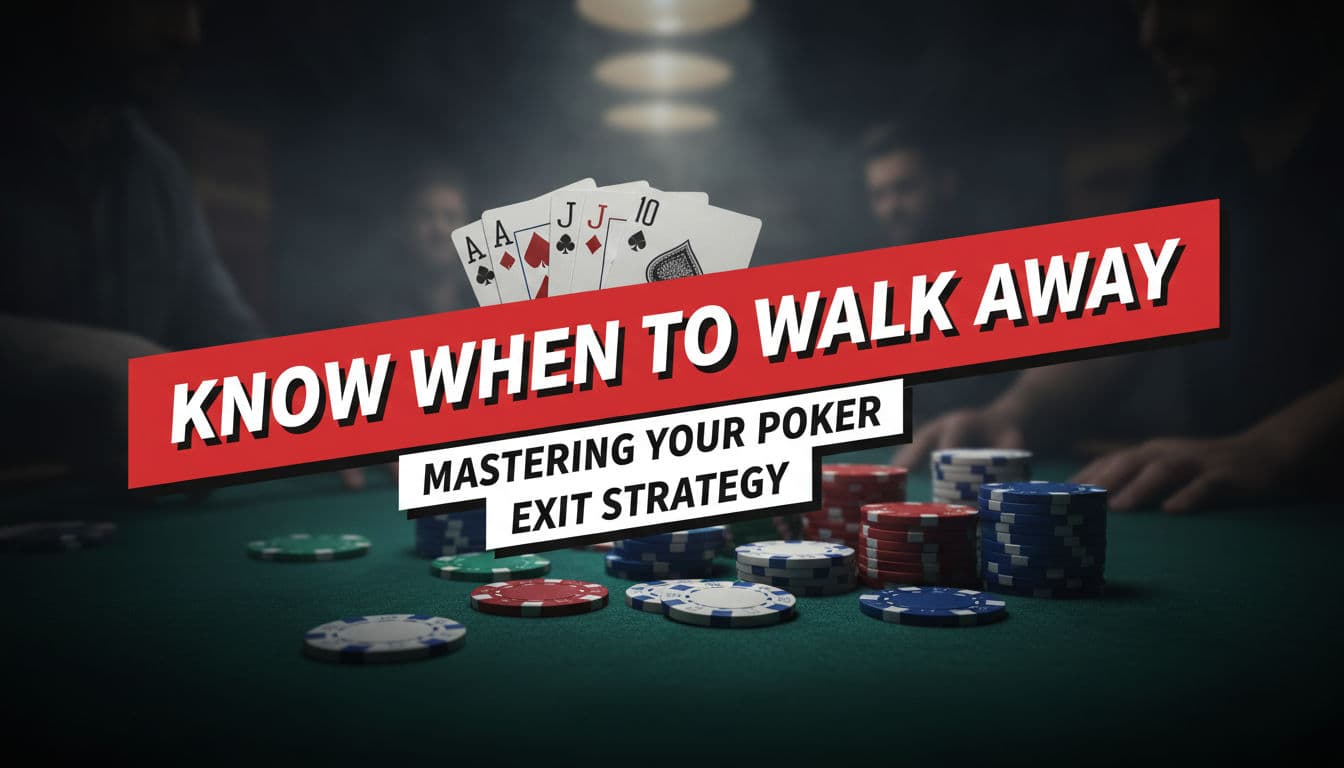
In the high-stakes world of poker, where skill, luck, and psychology intertwine, players often focus intently on their in-game decisions: bet sizing, hand ranges, and opponent reads. However, an equally, if not more, crucial strategic element often overlooked is the decision of when to leave the table – a concept commonly referred to as "quitting time poker move." This isn't merely about cashing out when you're tired; it's a sophisticated skill that can profoundly impact your long-term profitability, mitigate losses, and preserve your mental capital. Mastering the art of knowing precisely when to disengage is a hallmark of truly disciplined and successful poker players, transforming a simple exit into a calculated strategic maneuver.
Determining the optimal quitting time in poker is a fundamental skill integral to maximizing earnings and minimizing long-term losses. Far from a trivial act, this decision is often a complex interplay of numerous factors, including current stack size, personal performance, the quality of opposition, and one's overarching mental and emotional state. For astute players, identifying this exit point is not merely about convenience; it is a vital component of a professional approach to the game. This guide delves into the multifaceted considerations that inform an effective strategy.
Understanding the Core Factors Influencing Your Exit
The decision to leave a poker game is rarely singular in its motivation. Instead, it's typically a confluence of several key indicators.
1. Financial Metrics: Stack Size and Bankroll Management
The most tangible drivers for quitting often revolve around a player's chip stack relative to their initial buy-in or overall bankroll.
Profit Targets: Many professionals advocate for setting predefined profit goals. For instance, a player might decide to leave once they've doubled their initial buy-in or reached a specific monetary amount. This strategy helps lock in wins and prevents "giving back" profits during a subsequent downturn.
Loss Limits (Stop-Loss): Equally vital are stop-loss limits. This involves determining a maximum amount you are willing to lose in a session before walking away, regardless of how "good" the game feels. Adhering to a strict stop-loss prevents catastrophic losses, protects your bankroll, and avoids the insidious trap of chasing losses, which often leads to poor decisions.
Relative Stack Size: Even without fixed targets, your stack size relative to the table can be a factor. If your stack becomes too small, diminishing your leverage and playability, it might be time to cut your losses. Conversely, if you've accumulated a massive stack and the game shows signs of breaking, securing your significant win makes sense.
2. Personal Performance and Mental State
Your own mental and physical condition is arguably the most critical, yet often overlooked, factor.
The "A-Game" Assessment: Every poker player has an optimal level of play, often termed their "A-game." When you notice your decision-making deteriorating, your focus wavering, or you're making basic mistakes you wouldn't normally, it's a clear signal you've drifted from your A-game. Continuing to play in this state is simply donating money to your opponents.
Fatigue: Long sessions are mentally grueling. Exhaustion leads to impaired judgment, slower reactions, and decreased ability to process information. Playing tired is a guaranteed path to suboptimal play.
Emotional State (Tilt): Perhaps the most dangerous enemy in poker is "tilt" – a state of emotional frustration, anger, or despair that leads to irrational and reckless play. Whether it's due to bad beats, a string of losses, or irritating opponents, recognizing the onset of tilt is a powerful cue to quit immediately. A brief break, even a permanent exit from the session, is always preferable to digging a deeper hole. A main goal is to avoiding tilt poker anytime.
Boredom or Lack of Motivation: If you find yourself disengaged, making calls out of boredom, or just going through the motions, your competitive edge is dulled. Your motivation to exploit opponents or play optimally has waned, making it an opportune moment to leave.
Maintaining a healthy bankroll is much easier when you have a cushion to fall back on; using the best bonus codes can provide that extra security while you master the discipline of knowing when to walk away.
3. Table Dynamics and Opponent Quality
The external environment of the poker table itself provides crucial data points for your exit strategy.
Deteriorating Game Quality: The game might have been highly profitable initially, but circumstances change. If strong players replace the weak ones, or if the overall aggression levels rise making it less favorable, the expected value (EV) of staying declines significantly.
Loss of Edge: You might have had a distinct edge over certain players, but they've left, or their seats have been filled by individuals with whom you have no discernible advantage.
"Hit-and-Run" Considerations: While generally frowned upon in live poker etiquette, in certain online contexts or specific situations, if you've taken a significant portion of a loose player's stack and they're likely to leave soon, it might be strategically sound to secure your profits before the game dynamics shift.
Developing a Robust Exit Strategy
Proactive planning is paramount to making rational quitting decisions.
Set Pre-defined Rules: Before you even sit down, decide on your profit target and stop-loss limit. Write them down if necessary. This removes the emotional component from the decision-making process. For instance, "I will play for a maximum of 4 hours, or until I'm up 2 buy-ins, or down 1 buy-in, whichever comes first."
Regular Self-Assessment: Periodically check in with yourself. How do you feel? Are you focused? Are you making good decisions? A quick mental scan every hour or so can prevent you from sliding into suboptimal play unconsciously.
Avoid the "One More Hand" Trap: This is a common pitfall. Once you've decided to quit based on your established criteria, stick to it. The temptation to play "one more hand" or "just until the big blind" often leads to giving back profits or exceeding loss limits. Discipline is key.
Prioritize Long-Term Health: Recognize that poker is a marathon, not a sprint. Preserving your mental energy, avoiding burnout, and protecting your bankroll are far more important than any single session's outcome. Quitting strategically ensures you return to the tables refreshed and ready to perform at your best.
Conclusion: The Strategic Imperative of Quitting Time in Poker
Ultimately, "quitting time in poker" is not a sign of weakness or giving up; it's a powerful strategic weapon. It’s about exercising discipline, self-awareness, and a keen understanding of game theory and personal psychology. By consciously integrating a robust exit strategy into your overall poker game, you elevate your play from mere tactical execution to a holistic, long-term approach that prioritizes profitability and sustained success. Mastering when to leave poker game, when to walk away ensures you not only play smarter but also preserve your bankroll and mental well-being for future battles.
| Pros | Cons |
|---|---|
Strategic quitting allows players to lock in wins and avoid giving back profits during subsequent downturns or periods of suboptimal play, leading to greater profitability over time. | Emotional attachment to the game, the desire to 'chase losses,' or simply believing one 'deserves' to win can make it incredibly challenging to adhere to a pre-defined exit strategy. |
Adhering to pre-set stop-loss limits prevents catastrophic financial setbacks and protects a player's bankroll from tilt-induced or fatigued play. | Occasionally, quitting might mean leaving a game that could unexpectedly turn very profitable after your departure, though this is often outweighed by the benefits of discipline. |
Knowing when to walk away prevents burnout, emotional frustration, and the negative psychological impact of extended losing streaks or mentally taxing sessions, ensuring a healthier relationship with the game. | Consistently sticking to quitting rules, especially when on a losing streak or feeling unlucky, demands significant mental fortitude and resistance to temptation. |
The practice of disciplined quitting enhances a player's self-control and ability to objectively assess their performance and the game environment, crucial traits for consistent success. |
Related Poker Terms
6-Max
9-Max (Full Ring)
A-Game
ABC Poker
Bankroll
Bet Size
Bet Sizing
Blocker
Bluff
Bluff Catcher
Board
Bubble Factor
Button
C-Game
Call
Check-Call
Check-fold
Check-Raise
Click-Back
Cooler
Donkament
Double Barrel
First in
Gap Concept
GTO
Gutshot
Hero Call
Hero Fold
Hot Streak
HUD
Image
Insta-Call
Isolation
Kicker
Leak
Limp
Limp-Fold
Limp-Raise
Middle Pair
Min-raise
Monotone
Monster
Multi-Way Pot
Nit
Nuts
One-Way Straight
Online Poker
Online Poker Strategies
Open Limp
Out of Line
Over the top
Over-Limp
Overblind
Overcall
Overcard
Overpair
Pat
Peel
Play Behind
Playover Box
Polarized
Pot Control
Potting Out
Preflop
Premium Hands
Probe Bet
Proposing Bets
Push or Fold
Put Down
Putting on the Heat
Quads
Quartered
Range
Read
Royal Flush
Sit and Go (SNG)
Slow Play
Smooth Call
Snap Call
Snapped Off
Soft Seat
Solid
Splash Around
Steal
Suck Out
Suited
Suited Gappers
Tank
Tell
Tilt
Total air
Trap
Two-Gapper
Under the Gun (UTG)
Underpair
Value
Value Bet
Villain
Weak Ace
Window Card
Best Online Poker Bonus Codes


About the Editor

Bence Mitykó is a Somuchpoker poker writer, covering poker news and strategy. He spent four years playing poker professionally, primarily focusing on Heads-Up Sit & Go games, experience that continues to shape his understanding of poker strategy, online poker dynamics, and the wider poker industry.


