

Splash Around

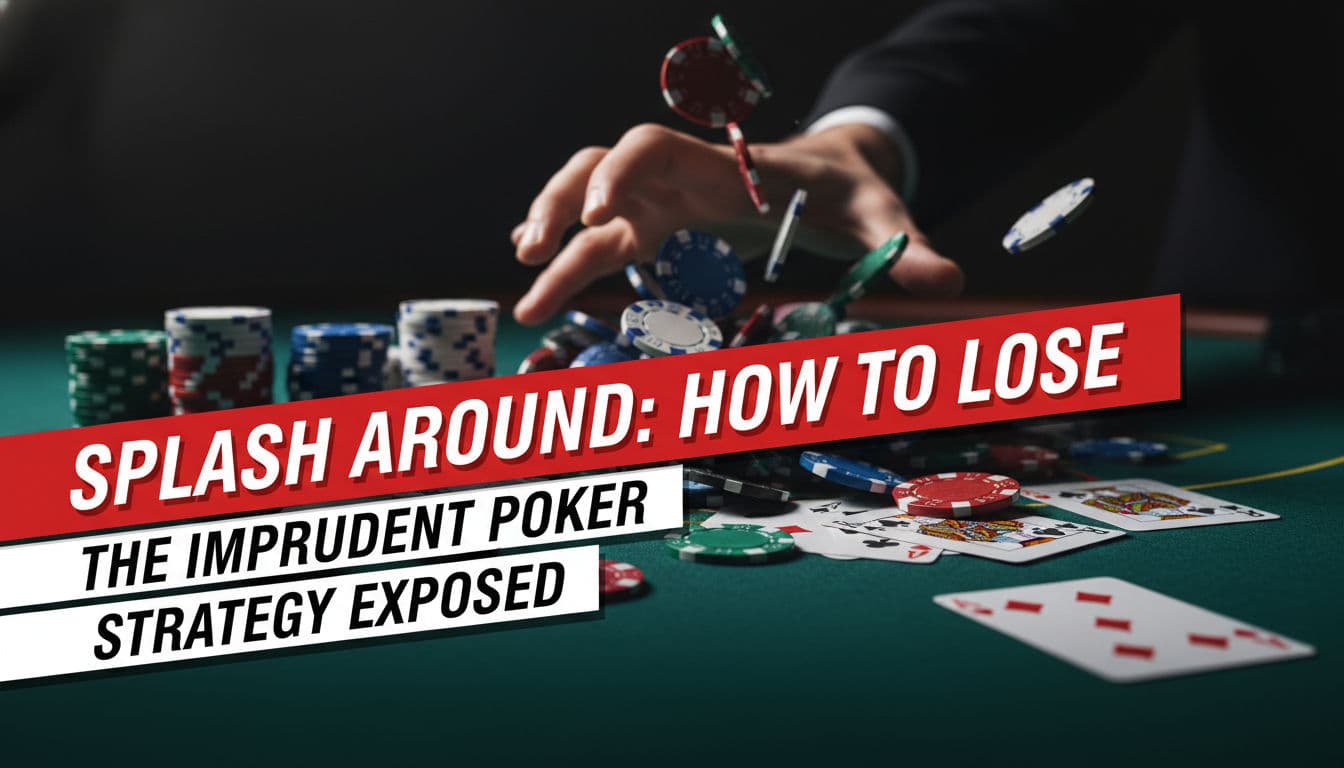
In the complex world of poker, strategic aggression is a prized skill. However, there's a fine line between calculated pressure and outright recklessness. The term 'splashing around' precisely describes this latter phenomenon: an approach to gambling that is notably more aggressive and imprudent than sound strategy dictates. This article delves into the core definition of this common poker idiom, exploring its psychological underpinnings, its varied manifestations at the table, and the critical implications it holds for a player's game and their bottom line. Understanding and avoiding this detrimental play style, while simultaneously exploiting opponents who engage in it, is a hallmark of an expert player.
What Exactly Does Splashing Around Poker Mean?
In poker, splashing around poker refers to playing the game in an excessively loose, erratic, and often irrational manner. It's characterized by an eagerness to enter pots with marginal hands, make over-sized or uncalled-for bets, and generally engage in high-variance plays without a clear strategic justification. Unlike a carefully constructed loose-aggressive (LAG) style, which involves calculated risks and well-timed aggression, splashing around is impulsive and lacks the foundational discipline of proper poker strategy.
It's aggression born from impatience, boredom, or emotional distress, rather than a deep understanding of game theory or opponent tendencies. True poker aggression is structured and mathematically justified, whereas splashing around ignores long-term expected value and positional awareness. Unlike disciplined loose aggressive poker, this erratic style lacks balance, range construction, and strategic intent.
Think of it as throwing chips into the pot without due consideration for pot odds, implied odds, position, or opponent ranges. A player splashing around might:
Call large bets out of position with weak draws.
Open-raise many hands that are fundamentally unplayable.
Make large bluffs into opponents who are unlikely to fold.
Over-bet with mediocre holdings hoping to 'buy' the pot.
The key differentiator from strategic poker aggression is that splashing around often crosses the line into outright imprudent gambling without a structured decision-making framework.
The Psychological Undercurrents Driving Imprudent Play
A deep understanding of poker psychology helps explain why otherwise rational players suddenly abandon discipline and begin splashing chips into the pot.
Why do players 'splash around'? The reasons are often deeply psychological and frequently detrimental:
Tilt: Perhaps the most common trigger, as episodes of poker tilt often lead to emotional overcorrections and reckless decision-making. After a bad beat or a series of unfortunate hands, players can become emotionally compromised, leading to irrational decisions and a desire to 'get even' or simply vent frustration through reckless play.
Boredom: In slower games or during long sessions, some players succumb to boredom, seeking action purely for entertainment rather than profit. This often translates into playing too many hands or making unnecessary bluffs.
Overconfidence/Ego: A player might believe they are 'running hot' or are simply better than everyone else at the table, leading them to disregard fundamental strategy and take excessive risks.
Desire to Appear Aggressive: Novice players sometimes mistake splashing around for a sophisticated aggressive style, believing it will intimidate opponents, when in reality, it often makes them appear weak and exploitable.
Chasing Losses: Similar to tilt, a player down a significant amount might start to play wildly in a desperate attempt to recoup their losses quickly, abandoning all pre-flop and post-flop strategy.
Recognizing these internal pressures is the first step towards mitigating them in your own game.
The Detrimental Impact on Your Game and Bankroll
Engaging in splashing around has severe repercussions:
Rapid Bankroll Erosion: The most obvious consequence. Consistently playing marginal hands and making poor bets will quickly drain a player's stack and bankroll.
Loss of Table Image: Opponents will quickly label you as a 'fish' or a 'loose cannon,' making it easier for them to exploit you. They'll know when to call your bluffs and when to fold to your legitimate bets.
Predictability: Paradoxically, while it seems random, a splasher's play can become predictable. Opponents learn to wait for strong hands and extract maximum value.
Missed Value: By over-betting or making ill-timed bluffs, splashers often miss opportunities to extract value from weaker opponents with strong holdings.
How to Spot a 'Splasher' and Capitalize
For the disciplined player, identifying an opponent who splashes around is a goldmine. Look for:
Frequent pre-flop raises from any position, often with a wide range of hands.
Calling stations: consistently calling bets with marginal holdings to see more cards.
Erratic betting patterns: disproportionately large bets with weak hands, or small bets with strong hands.
Emotional tells: visible frustration, anger, or over-excitement after winning or losing a pot.
Once identified, adjust your strategy:
Tighten Up: Play strong starting hands and focus on value.
Isolate Them: Try to get into pots heads-up with splashers where your skill edge is maximized.
Value Bet Relentlessly: When you have a strong hand, bet big. Splashers are often willing to call down with weaker holdings.
Avoid Bluffs: Bluffs are generally ineffective against players who love to call.
Let Them Hang Themselves: Don't try to out-bluff or out-aggro them. Let their imprudent play be their undoing.
Avoiding the Temptation to 'Splash' Yourself
These practical poker strategy tips can help you avoid falling into the trap of emotional and undisciplined play. Maintaining discipline is paramount. Here are strategies to prevent yourself from falling into the splashing trap:
Bankroll Management: Following sound bankroll management poker principles ensures that short-term emotional swings don’t cause long-term financial damage.
Emotional Control: Practice mindfulness and learn to recognize when tilt is setting in. Step away from the table if necessary.
Game Selection: Choose games where you feel comfortable and have an edge. Playing in tough games can lead to frustration and impulsive actions.
Review Your Play: Regularly analyze your hand histories to identify patterns of imprudent play.
Set Limits: Establish stop-loss limits for your sessions to prevent chasing losses.
Mastering poker is as much about psychological fortitude as it is about mathematical calculation. By understanding the concept of 'splashing around,' both in your own game and that of your opponents, you can navigate the tables with greater precision and profitability.
If you’re looking to apply disciplined poker strategy tips in a structured environment, comparing reputable online poker platforms can help you find games that reward consistency over chaos. Choosing the right site and stake level is a crucial step toward long-term improvement and smarter bankroll management decisions.
| Pros | Cons |
|---|---|
For some players, especially during recreational sessions, splashing around can make the game more exciting and less predictable, creating a lively atmosphere. | The most severe drawback, as reckless and imprudent play inevitably leads to rapid depletion of one's bankroll. |
An extremely erratic style might occasionally confuse opponents, making it difficult to put you on a hand in the short term, though this is unsustainable. | Opponents will quickly identify you as a 'fish' or a 'calling station,' making you an easy target for exploitation and making it difficult to bluff or get paid on strong hands. |
This style of play results in extremely high variance, leading to wild swings in your chip stack and often heightened emotional stress. | |
Despite appearing random, a splasher's patterns often become predictable to experienced players, who can then easily adjust their strategy to profit. |
Related Poker Terms
Angle Shooting
C-Game
Cooler
Floor Manager
Hero Call
Hero Fold
Hit And Run
Marked Cards
Misdeal
Muck
Neocheating
One Chip Rule
Out Button
Peg
Played Card
Playover Box
Poker Face
Pricking
Prop
Pushing Bets
Putting on the Heat
Quitting Time
Railbird
Ratholing
Read
Running Bad
Running Good
Soft Play
Soul Read
Splash Around
Splitting Blinds
Stacked Deck
Stranger
Suck Out
Tell
Tilt
Time
Toke
Undercut
Vest Holdout
Victory Rip
Victory Roll
Walk the Table
Best Online Poker Bonus Codes


About the Editor

Bence Mitykó is a Somuchpoker poker writer, covering poker news and strategy. He spent four years playing poker professionally, primarily focusing on Heads-Up Sit & Go games, experience that continues to shape his understanding of poker strategy, online poker dynamics, and the wider poker industry.


