

Pricking

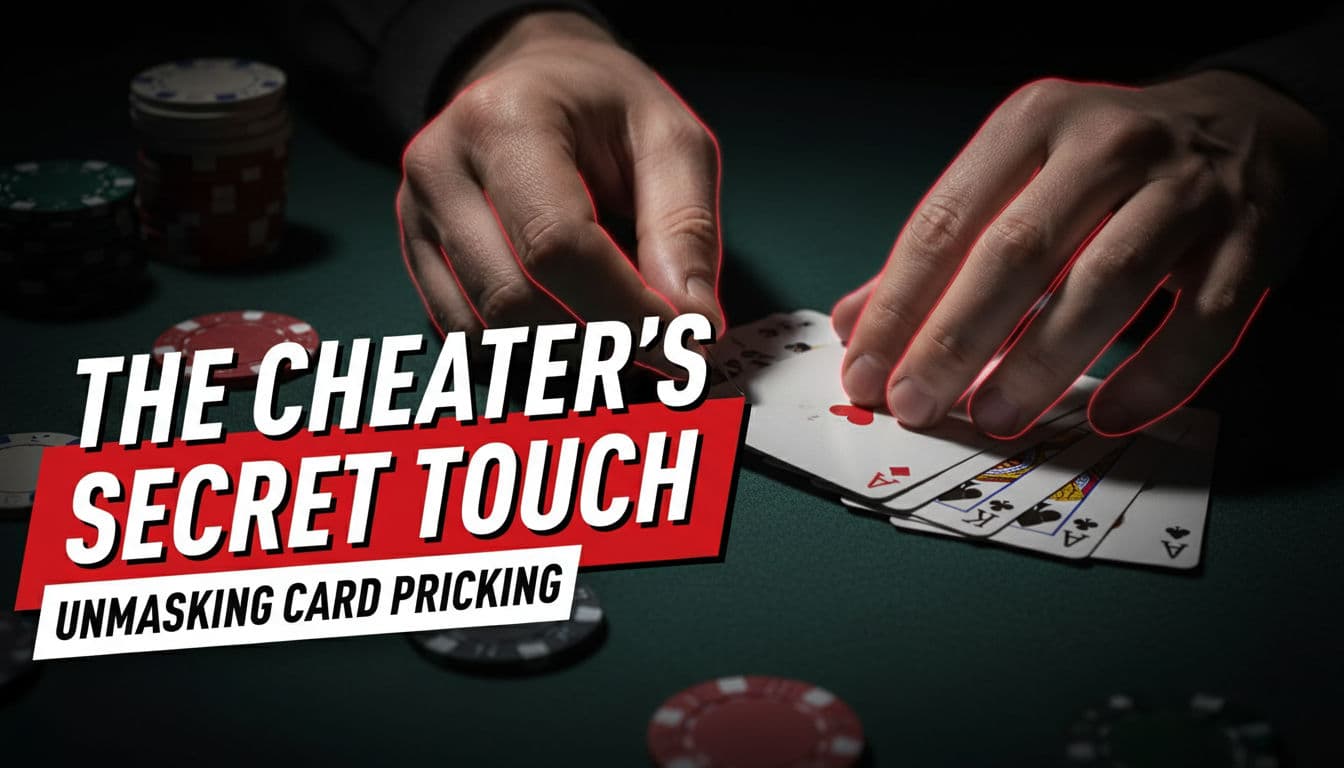
In the high-stakes world of card games, where fortunes can shift with the turn of a card, the allure of gaining an illicit advantage has driven some individuals to master deceptive techniques. Among these, 'pricking' stands out as one of the most insidious and difficult-to-detect forms of card marking. Far from the overt defacements sometimes imagined, pricking involves creating minute, almost imperceptible indentations on playing cards, a method so subtle it often eludes casual inspection. This guide delves into the intricate mechanics of pricking, exploring its historical context, the various ways it's executed, and the sophisticated countermeasures employed to safeguard the integrity of card games.
Understanding the Card Pricking Technique in Poker
In the history of gambling, the card pricking technique stands as one of the most sophisticated methods for marking a deck. At its core, pricking allows cheaters in poker to identify specific cards even when they are facedown or in an opponent's hand. Unlike overt alterations, this method relies on tactile or extremely subtle visual cues - like tiny dents or nicks - that only a trained finger or eye can discern during a live game. The objective is singular: to gain a strategic edge by knowing the value or suit of a card that should otherwise remain unknown, thereby tilting the odds unfairly.
The Clandestine Mechanics of Pricking
The execution of pricking is an art form of deception, requiring precision and discretion. Unlike overtly bent corners or smudged surfaces, pricks are minute, often appearing as tiny dents, nicks, or raised areas on a card's surface or edge. The methods for creating these marks vary:
Fingernail Indentations: The most rudimentary yet effective method involves a cheater using a hardened fingernail to create a tiny, almost invisible impression on a card. This can be done swiftly during shuffling, dealing, or even when merely holding cards, making detection challenging in real-time.
Specialized Tools: More professional card mechanics might employ miniature devices, such as small pins, needles, or custom-made implements designed to create precise, uniform indentations without tearing the card. These tools allow for greater consistency and subtlety in marking.
Location and Type of Marks: Prick marks are strategically placed. They might be on the card's edge (an 'edge nick'), a specific corner, or even subtly on the card's face or back, disguised within the existing pattern. A series of small pricks can denote different card values or suits, forming a coded system known only to the cheater. For example, a single prick near the top-left corner might signify an Ace, while two pricks could indicate a King.
The true genius of pricking lies in its non-visual nature for the casual observer. The marks are often too small or too well-blended with the card's texture to be seen under normal playing conditions, making tactile sensation paramount for cheaters in poker.
How to Detect Marked cards?
Unmasking pricked cards requires keen observation, specialized knowledge, and sometimes, technological assistance. For casino security and experienced players, detection methods include:
Tactile Inspection: An experienced card sharp or pit boss can often detect pricks by feel. Running a sensitive fingertip along the edges and surfaces of cards can reveal subtle raised areas or indentations that are invisible to the eye.
Specific Lighting Conditions: Angled light, particularly from a low source, can cast tiny shadows or highlight minute imperfections that reveal pricks. This is a common technique used during security checks.
Magnification: Professional security teams often use magnifying glasses or digital microscopes to examine cards for any signs of manipulation, bringing to light marks imperceptible to the naked eye.
Visual Anomalies: While subtle, sometimes a slight alteration in the way light reflects off a pricked area can give it away, especially to someone specifically looking for such discrepancies.
Why Pricking Persists as a Cheating Method
Despite the severe consequences of being caught, pricking remains a favored technique among certain cheats due to its inherent advantages:
Extreme Subtlety: It's far less obvious than bend-work or daubing, making it difficult to detect during active play.
Durability: Prick marks, once made, are relatively permanent and not easily smudged or washed away like ink-based markings.
Psychological Edge: The ability to know opponent's cards or anticipate the next card provides an immense psychological and strategic advantage, allowing the cheater to make informed decisions others cannot.
Countermeasures and Safeguarding Game Integrity
Casinos and legitimate card rooms employ rigorous strategies and casino security systems to combat card marking, including pricking:
Frequent Card Changes: Decks are regularly changed, often every hour or even more frequently at high-stakes tables , limiting the time a cheater has to mark a deck.
Random Card Selection: New decks are often chosen randomly and opened in front of players to ensure their integrity.
Security Surveillance: Overhead cameras and floor supervisors are trained to spot suspicious handling of cards, unusual playing patterns, or surreptitious hand movements.
Expert Inspection: Pit bosses and security personnel are adept at inspecting cards for any signs of tampering.
Ethical and Legal Ramifications
Engaging in card pricking techniques is universally considered unethical and illegal in regulated gambling environments. Individuals caught marking cards face severe penalties, including immediate expulsion from the establishment, permanent bans, and potential criminal charges, which can range from misdemeanors to felonies depending on the jurisdiction and the amount of money involved. Beyond legal consequences, such actions erode trust and undermine the very foundation of fair play in card games.
Conclusion: A Persistent Threat to Fair Play
Pricking exemplifies the constant arms race between those seeking an unfair advantage and those dedicated to maintaining the integrity of games. While incredibly subtle, awareness, vigilance, and sophisticated security measures can effectively deter and detect this deceptive practice. Understanding pricking is not just about identifying a cheating technique; it's about appreciating the ongoing effort required to ensure that card games remain a test of skill, strategy, and luck, rather than a playground for illicit manipulation.
| Pros | Cons |
|---|---|
Prick marks are exceptionally difficult to detect visually or tactilely by an untrained individual, making it a highly clandestine cheating method. | If caught, the consequences of card pricking are severe, including permanent bans from casinos, criminal charges, and significant legal repercussions. |
Once a card is pricked, the mark is relatively permanent and won't easily rub off or fade, ensuring consistent identification throughout a game or session. | Executing effective and undetectable pricking requires immense manual dexterity, precision, and practice, making it inaccessible to amateur cheaters. |
Pricking destroys the fairness and trust essential to card games, leading to a loss of enjoyment and financial harm for legitimate players. |
Related Poker Terms
Best Online Poker Bonus Codes


About the Editor

Bence Mitykó is a Somuchpoker poker writer, covering poker news and strategy. He spent four years playing poker professionally, primarily focusing on Heads-Up Sit & Go games, experience that continues to shape his understanding of poker strategy, online poker dynamics, and the wider poker industry.


