Played Card

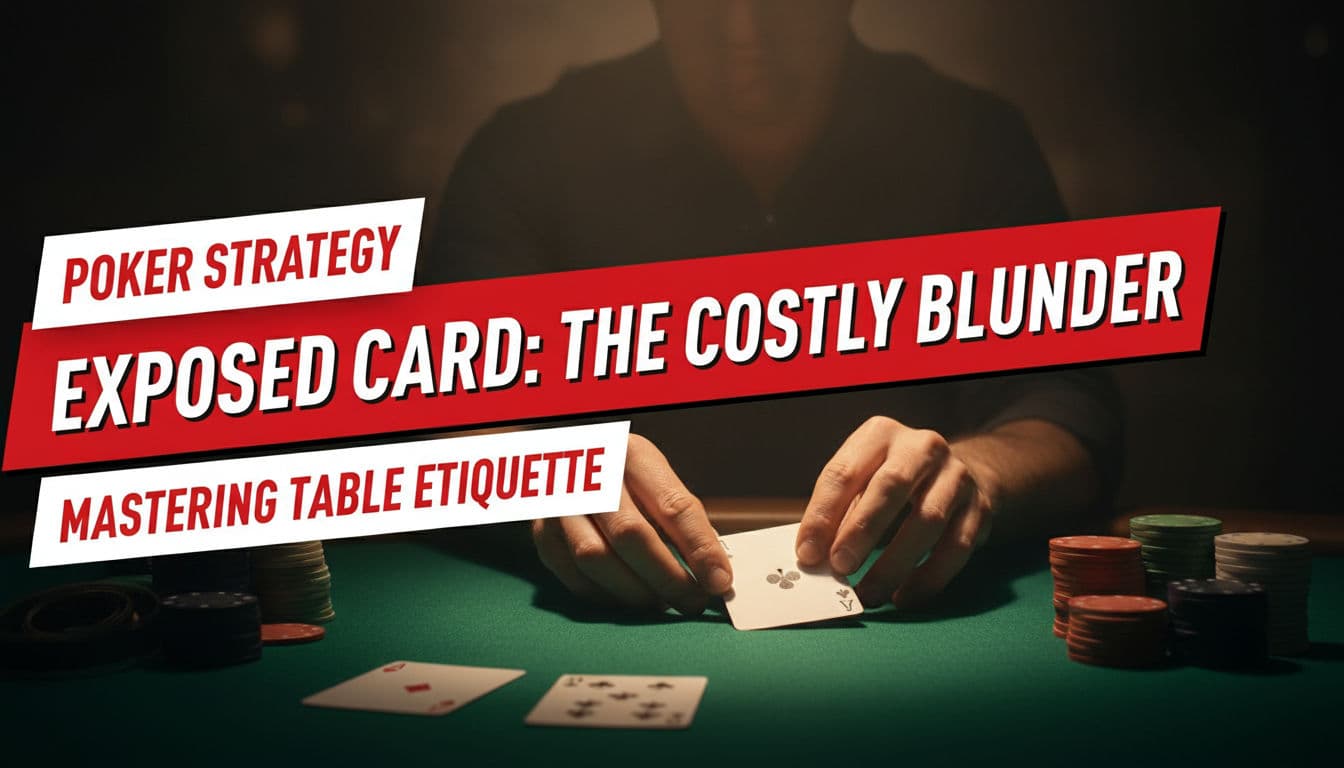
In the intricate world of poker, where information is power, the concept of a 'played card' holds significant weight. Far from a simple term, a played card refers to any card whose face value becomes visible to other players, whether by accident or intent. This seemingly minor event can trigger a cascade of consequences, influencing hand outcomes, altering strategic decisions, and even leading to penalties. Navigating the nuances of exposed cards requires a deep understanding of official poker rules, a keen eye for table dynamics, and the ability to adapt your strategy on the fly. This comprehensive guide delves into the precise definition of a played card, explores the varied scenarios in which cards can be exposed, and outlines the critical implications for both the player involved and their opponents.
Defining the Played Card in Poker
At its core, a played card in poker is any card that, for whatever reason, is exposed face-up to other participants in a hand. This exposure can occur at various stages of a game and under different circumstances, each carrying distinct regulatory ramifications. It's not just about the moment a card hits the felt face-up; it encompasses cards flashed during dealing, accidentally turned over while checking hole cards, or even intentionally revealed before a formal showdown.
While these human errors frequently cause disruption at the physical table, such incidents are virtually impossible in online poker , as the automated dealing process and hard-coded software constraints prevent any accidental exposure or 'flashing' of cards before they are legally intended to be seen.
Intentional vs. Unintentional Exposure
The distinction between intentional and unintentional poker card exposure is often pivotal in how a situation is resolved. Unintentional exposures typically arise from dealer errors, player clumsiness, or unforeseen incidents. For instance, a card might be 'flashed' during a deal, meaning its face is briefly visible to one or more players. Similarly, a player might accidentally turn over a hole card while attempting to peek at their hand. Intentional exposure, conversely, often occurs during the heat of a strategic battle or in error, such as a player showing a card prematurely or attempting to muck their hand incorrectly.
Common Scenarios and Rulings
Understanding how different cardrooms and governing bodies handle exposed cards is essential. While specific cardroom rules can vary, a general framework of exposed card rules exists:
Misdeals: If one or more hole cards are exposed during the initial deal, it typically constitutes a misdeal, and the hand is redealt. However, some poker hand rules allow a single exposed hole card to be used as the burn card or replaced, depending on the variant and the severity of the exposure.
Accidental Flashing: If a player's hole card is accidentally exposed to another player (but not the entire table), the exposed card remains 'live'. However, the player who exposed it cannot claim to be unaware of its value. Opponents who saw the card gain valuable information.
Showing Cards Prematurely: A common error, especially in community card games like Hold'em, is when a player accidentally turns over their hole cards before the action is complete or before a showdown. If this happens, the hand is usually still live, but the player may face poker penalties (e.g., losing the right to act last, or even a verbal warning in tournaments). Crucially, the exposed cards are now considered 'played' and must remain face-up.
The 'One Card' Rule: In many cash games, if a player shows only one hole card to an opponent, it is generally considered 'live' and does not automatically kill the hand. However, showing both hole cards often means the player has exposed their hand, and the hand is now played face-up for all to see.
Strategic and Ethical Implications
The exposure of a card fundamentally alters the information landscape of a poker hand. For the player whose card is exposed, they lose a degree of their positional advantage and mystique. Opponents, armed with this crucial piece of data, can make more informed decisions about betting, raising, or folding. This shifts the dynamic, impacting strategic card play and often forcing the player with the exposed card into tougher spots or making them more exploitable.
From an ethical standpoint, it is a player's responsibility to protect their hand. Intentional flashing of cards to illicitly gain information or influence action is strictly forbidden and can lead to severe penalties. Conversely, players who inadvertently see an exposed card should not exploit it in a way that goes against the spirit of fair play, though utilizing legitimate information is part of the game. Dealers and floor staff play a critical role in enforcing these rules to maintain game integrity.
Avoiding Costly Mistakes
To minimize the risk of exposing a card and incurring potential disadvantages or penalties:
Protect Your Hole Cards: Always use a card protector or keep your hand firmly on your cards.
Peek Carefully: When checking your hole cards, lift only the corners and do so in a way that only you can see them.
Wait for Your Turn: Never reveal your cards or make a verbal declaration out of turn.
Listen to the Dealer: Pay attention to instructions, especially during the deal and showdown phases.
Mastering the intricacies of a 'played card' is a hallmark of an expert player. It's about more than just knowing the rules; it's about understanding how these poker definitions impact strategy, maintaining ethical play, and consistently protecting your valuable hand information.
| Pros | Cons |
|---|---|
When an opponent's card is exposed, you gain invaluable information about their hand strength or range, allowing for more precise strategic decisions. | The player whose card is exposed loses the element of surprise and gives opponents critical insight into their hand, diminishing their strategic options. |
In cases of significant early card exposure (e.g., misdeal), the hand may be redealt, offering a fresh start if your initial cards were weak. | Accidental or premature exposure can lead to verbal warnings, a loss of the right to act last, or even more severe penalties in tournament play. |
An exposed card can significantly change the flow of a hand, making bluffing harder and forcing the player into more straightforward play. |