Out Button

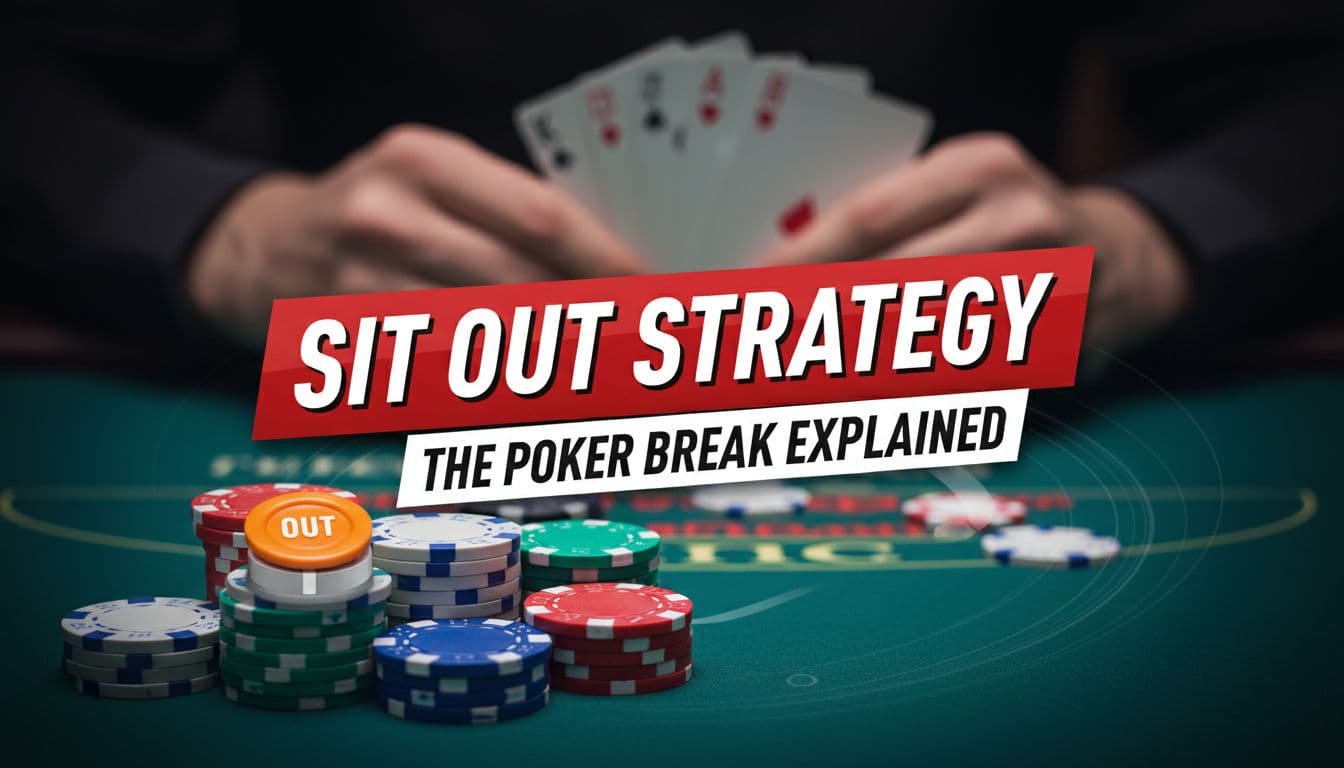
In the dynamic world of poker, where focus and presence of mind are paramount, players occasionally need to step away from the table for a brief period. This is where the often-underestimated 'Out Button' plays a critical role. Far more than just a simple marker, this disc signifies a player's temporary absence while ensuring their continued participation in the game. Understanding its mechanics, the specific rules governing its use, and the associated etiquette is crucial for both the player utilizing it and those remaining at the table, contributing to a smoother, more organized, and fair gaming experience.
What is the Poker Out Button?
An 'Out Button' is a distinct disc, often brightly colored, that is placed directly in front of a poker player's chips when they wish to temporarily leave the table without forfeiting their seat or chips. It serves as a clear visual cue to the dealer and other players that the seat is occupied by a player who is currently not actively participating in the hand, but intends to return. This simple tool helps manage the process of sitting out in poker, ensuring that the game can continue without confusion regarding missing players.
The Core Purpose Behind Its Existence
The primary purpose of the poker out button is multi-faceted, addressing both player needs and game integrity:
Player Convenience: It allows players to take essential poker game breaks for restroom visits, food, phone calls, or a mental reset, without the risk of losing their seat or being prematurely removed from the game.
Game Flow Management: By clearly indicating an absent player, it helps the dealer manage the deal, blinds, and action more efficiently, preventing unnecessary pauses or confusion.
Seat Preservation: In busy poker rooms , holding a seat can be crucial. The Out Button guarantees that a player's seat remains theirs for a reasonable period, preventing new players from taking their spot.
Fairness and Rules Adherence: It ensures that absent players still have their blinds posted (especially in tournaments), maintaining the integrity of the game's structure.
How the Out Button Works: Mechanics of Use
Typically, a player who needs to step away will inform the dealer of their intention. The dealer will then place the Out Button in front of the player's chip stack. While the button is present, the player's hand will automatically be folded at the start of each new deal. The player is not dealt cards and cannot participate in the action. Once the player returns, they inform the dealer, the Out Button is removed, and they can rejoin the game at the next available opportunity (often after the button passes them, or upon posting a blind, depending on the specific house rules).
Rules and Regulations: Cash Games vs. Tournaments
Out Button in Cash Games
In cash games, the cash game poker rules for sitting out tend to be more flexible. A player can usually sit out for a reasonable amount of time, often between 15 to 30 minutes, before their stack might be removed from the table and racked up, freeing the seat. Key considerations:
Blinds: If the player's turn to post a small or big blind comes while they are out, they will typically be required to post it upon their return, or a 'missed blind' button might be placed in front of their seat, indicating they owe a blind.
Seat Retention: The Out Button is instrumental in holding a seat. However, prolonged absence can lead to the stack being taken off the table.
Dealer Button: The dealer button will continue to move around the table as normal, regardless of who is sitting out.
Out Button in Tournaments
The poker tournament rules regarding the Out Button are significantly stricter due to the nature of the game, where blinds increase and chip stacks are constantly diminishing:
Blinds and Antes: If a player is out, their blinds and antes will still be posted automatically from their chip stack. The dealer will take the required chips and place them into the pot.
Chip Preservation: Prolonged absence in a tournament is highly detrimental. Even with the Out Button, a player's stack will steadily be eaten away by mandatory blind and ante payments.
Tournament Director's Discretion: For extended or suspicious absences, a Tournament Director may intervene, potentially removing the player from the tournament.
Etiquette Surrounding the Out Button
Proper poker table etiquette is vital to ensure a smooth and enjoyable experience for everyone at the table:
Inform the Dealer: Always notify the dealer clearly before you intend to step away and return.
Keep Breaks Brief: Be mindful of others. The game continues in your absence, and frequent or lengthy breaks can disrupt the flow.
Do Not Abuse the Privilege: The Out Button is for legitimate breaks, not for constantly pausing the game or engaging in external activities.
Return Promptly: Make an effort to return as quickly as possible. When you do return, quietly take your seat.
Strategic Implications for Players
While primarily a practical tool, the Out Button can have subtle strategic implications:
For the Absent Player: It allows a crucial mental reset, especially after a bad beat or during a long session. It can also be used to observe table dynamics from a detached perspective.
For Remaining Players: A poker player absence effectively means one less opponent to contend with. This can slightly alter pot odds, implied odds, and overall table dynamics. Savvy players might adjust their aggression or hand selection based on the number of active players.
In conclusion, the Out Button is an indispensable part of managing poker breaks, balancing the need for player comfort and essential breaks with the imperative of maintaining game integrity and flow. A thorough understanding of its purpose, operational rules, and associated etiquette ensures a respectful and efficient poker environment for all participants.
| Pros | Cons |
|---|---|
Players can attend to personal needs (restroom, food, phone) without losing their seat or chips. | In tournaments, a player's stack continuously diminishes due to mandatory blind and ante payments while they are out. |
Ensures a player's designated spot at the table is held during their temporary absence. | Frequent or prolonged use by multiple players can slow down the pace and rhythm of the game for others. |
Clearly indicates an absent player, helping dealers manage the game without unnecessary delays or confusion. | An absent player alters the number of active participants, potentially changing strategic considerations for remaining players. |
Related Poker Terms
Angle Shooting
Ante
Bet
Big Blind
Big Blind Ante
Buy-In
Check
Chips
Floor Manager
Flop
Fold
Gambling
Hand Rankings
Hit And Run
Marked Cards
Misdeal
Muck
Neocheating
No Limit
Omaha
One Chip Rule
Open Game
Open Seat
Out Button
Overlay
Peel
Peg
Pips
Played Card
Poker network
Poker Room
Poker Rules
Position
Postflop
Pot
Pot-Limit
Pricking
Prop
Protect
Pushing Bets
Qualifier
Quorum
Rack
Railbird
Rake
Ratholing
Razz
Rebuy
Redeal
River
Round of Play
Running It Twice
Seat Position
Seating List
Seven-card Stud
Seven-Deuce Game
Seventh Street
Short Buying
Short Handed
Shot Clock
Showdown
Shuffle
Side Bet
Side Pot
Sit Out
Sixth Street
Small Blind
Soft Play
Splash Around
Split
Splitting Blinds
Stack
Stacked Deck
Structure
Stub
Stud Games
Suit
Table Stakes
Texas Hold'em
Third Street
Tie
Time
Time Bank
Toke
Turn
Uncle Doc
Undercut
Upcard
Verbal Declaration
Vest Holdout
Visible Cards
Winning Hand