Shot Clock

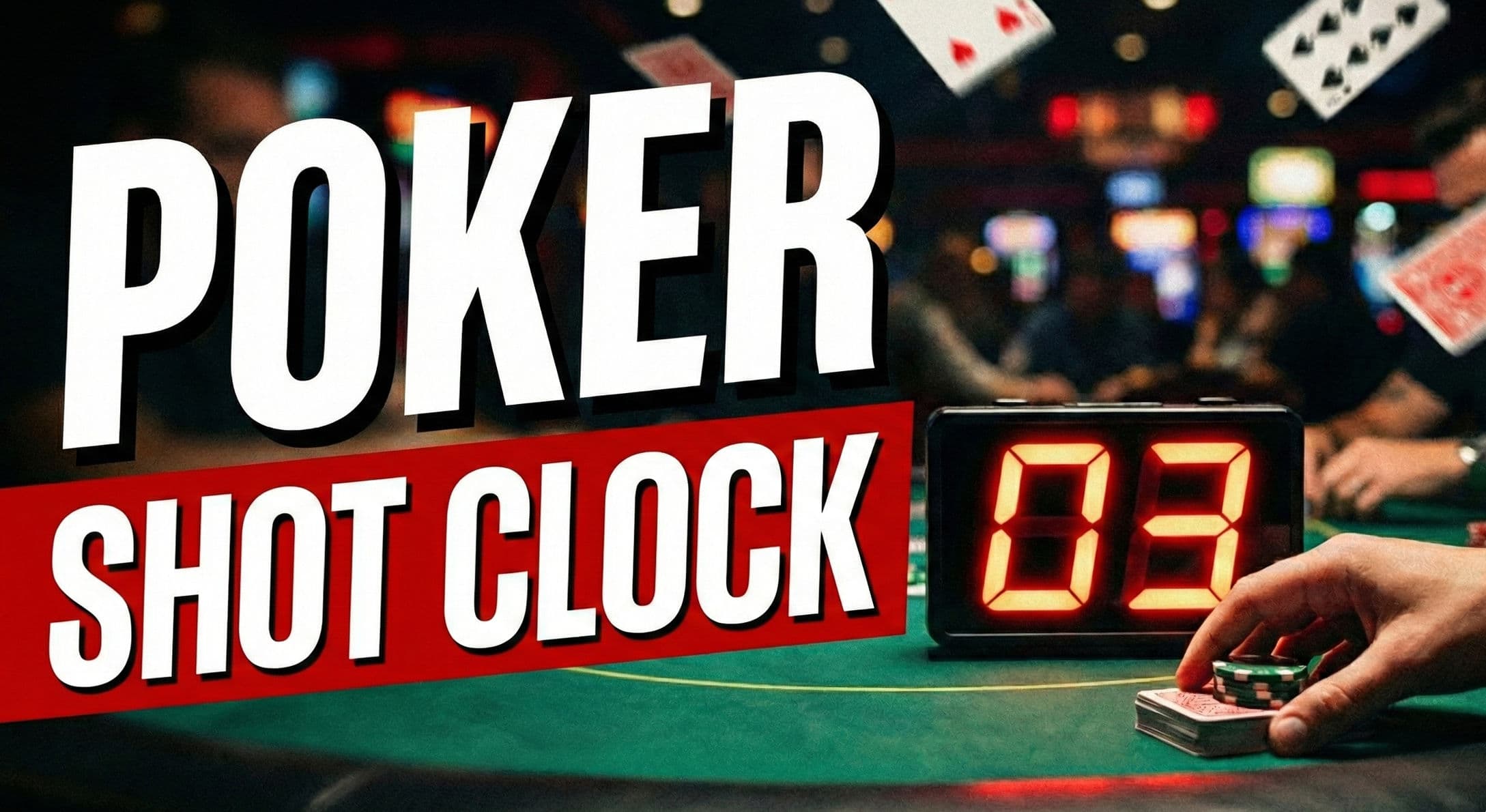
The evolution of live poker, particularly in high-stakes tournaments, has seen numerous innovations aimed at enhancing fairness, dynamism, and spectator appeal. Among the most significant of these advancements is the introduction of the shot clock. Far more than a mere timer, the shot clock has fundamentally altered the strategic landscape, compelling players to make decisions under explicit time constraints and reshaping the very rhythm of the game. This expert analysis delves into the mechanics, implications, and strategic layers introduced by this critical element in modern poker.
Understanding the Poker Shot Clock Mechanism
At its core, a poker shot clock functions as a mandatory timer positioned at the table, strictly limiting the duration players have to declare their action. Typically, this window for decision-making hovers around 30 seconds, though variations exist. This mechanism is crucial for maintaining a brisk speed of play poker enthusiasts expect, ensuring that individual decisions, no matter how complex, do not unduly delay the overall game flow.
Regarding the online poker platforms , this is vividly illustrated by the time bank meter that automatically depletes as you agonize over a marginal call, often accompanied by a pulsing visual alert or an escalating sound effect to heighten the tension.
The Strategic Layer: Time Bank Management
Complementing the standard shot clock, most tournaments incorporate time bank cards or extensions. These invaluable assets typically grant a player an additional 30 or 60 seconds of thinking time for particularly challenging situations. The allocation of these time banks is a critical aspect of tournament design, determined by organizers.
A successful poker time bank strategy becomes paramount as players begin with a predetermined number. Deciding when to commit a time bank - whether for a crucial river decision, a complex multi-way pot, or a bubble situation - adds a profound layer of strategic depth that was absent in pre-shot clock eras.
Consequences of Inaction: Dead Hands and Forced Decisions
The shot clock operates with unwavering authority. A physical or digital display prominently counts down the allotted time. Should a player fail to act before this countdown reaches zero, the consequences are immediate and severe:
Hand Declared Dead: The hand is automatically folded, and the player forfeits any equity in the pot.
Forced Extension: The player is compelled to expend one of their available time bank cards to gain more time.
Forfeiture: Unused time bank cards are generally forfeited upon elimination, though some events award additional cards at the final table.
The underlying principle remains constant within modern poker rules: inaction carries a direct and measurable cost.
The Rationale Behind Implementation: Curbing Delays and Enhancing Dynamics
The genesis of the shot clock lies in a direct response to pervasive issues of slow play and deliberate stalling. This live poker rule evolution addresses the time prior to its adoption when players possessed an unlimited temporal allowance.
The mechanism is essential for preventing slow play in poker during pivotal phases like the money bubble. By definitively eradicating exploitation, the shot clock ensures an equitable tempo. This elevates the entertainment value for spectators, making the game more dynamic and watchable.
Strategic Implications for Modern Poker Players
The shot clock has fundamentally reshaped poker tournament strategy. Players must now process information efficiently under a heightened sense of urgency.
Efficient Information Processing: Players must analyze board texture and pot odds while factoring in the diminishing clock.
Resource Conservation: Top professionals are distinguished by how they judiciously conserve time banks for high-leverage spots.
Psychological Pressure: A quick decision can project confidence, while a prolonged tank might betray uncertainty if the player is nearly out of time.
Impact on Live Tournament Experience
For both players and spectators, the impact of shot clock poker implementation has been a net positive. Players benefit from a more consistent pace, reducing fatigue and boredom. The game feels more professional and fair. For spectators, the quicker pace translates into more hands per hour, aligning live poker with other fast-paced competitive sports. This evolution not only discourages unnecessary stalling but also ensures that tournaments remain engaging, professional, and accessible to a global audience accustomed to high-speed entertainment.
Variations and Future Outlook
While a standard 30-second shot clock is common, variations exist. Some tournaments implement shorter times (e.g., 20 seconds for pre-flop) or hybrid approaches. As poker continues to evolve, further refinements are probable, potentially incorporating advanced analytics to optimize play speed without compromising decision quality. The objective remains to balance intellectual depth with a dynamic, spectator-friendly environment. Ultimately, these innovations foster a sustainable ecosystem where both recreational players and high-stakes professionals can appreciate the strategic complexity of the game at a modernized, exciting tempo.
| Pros | Cons |
|---|---|
The shot clock dramatically speeds up the pace of live poker, ensuring more hands are played per hour and reducing frustrating delays. | The limited time can put significant pressure on players, potentially leading to suboptimal decisions or rushed actions, especially for less experienced individuals. |
It effectively prevents players from deliberately stalling, particularly around crucial tournament stages like the money bubble, leading to fairer outcomes. | Some intricate spots, particularly multi-way pots with unusual bet sizing, may genuinely require more than the allotted time, even with a time bank. |
For viewers, the quicker tempo and continuous action make the game more engaging and enjoyable to watch, especially in televised events. | Savvy opponents might try to exploit players who are known to take a long time, using the shot clock as a psychological tool. |
Players must now master time management and judiciously use time bank extensions, adding a complex new layer to poker strategy. | Players transitioning from casual home games or online poker without shot clocks may find the adjustment challenging and initially detrimental to their game. |
Related Poker Terms
Ante
Bet
Big Blind
Big Blind Ante
Buy-In
Check
Chips
Floor Manager
Flop
Fold
Gambling
Hand Rankings
No Limit
Omaha
Open Game
Open Seat
Out Button
Overlay
Peel
Peg
Pips
Poker network
Poker Room
Poker Rules
Position
Postflop
Pot
Pot-Limit
Protect
Qualifier
Quorum
Rack
Rake
Razz
Rebuy
Redeal
River
Round of Play
Running It Twice
Seat Position
Seating List
Seven-card Stud
Seven-Deuce Game
Seventh Street
Short Buying
Short Handed
Shot Clock
Showdown
Shuffle
Side Bet
Side Pot
Sit Out
Sixth Street
Small Blind
Split
Stack
Structure
Stub
Stud Games
Suit
Table Stakes
Texas Hold'em
Third Street
Tie
Time Bank
Turn
Uncle Doc
Upcard
Verbal Declaration
Visible Cards
Winning Hand