Short Handed

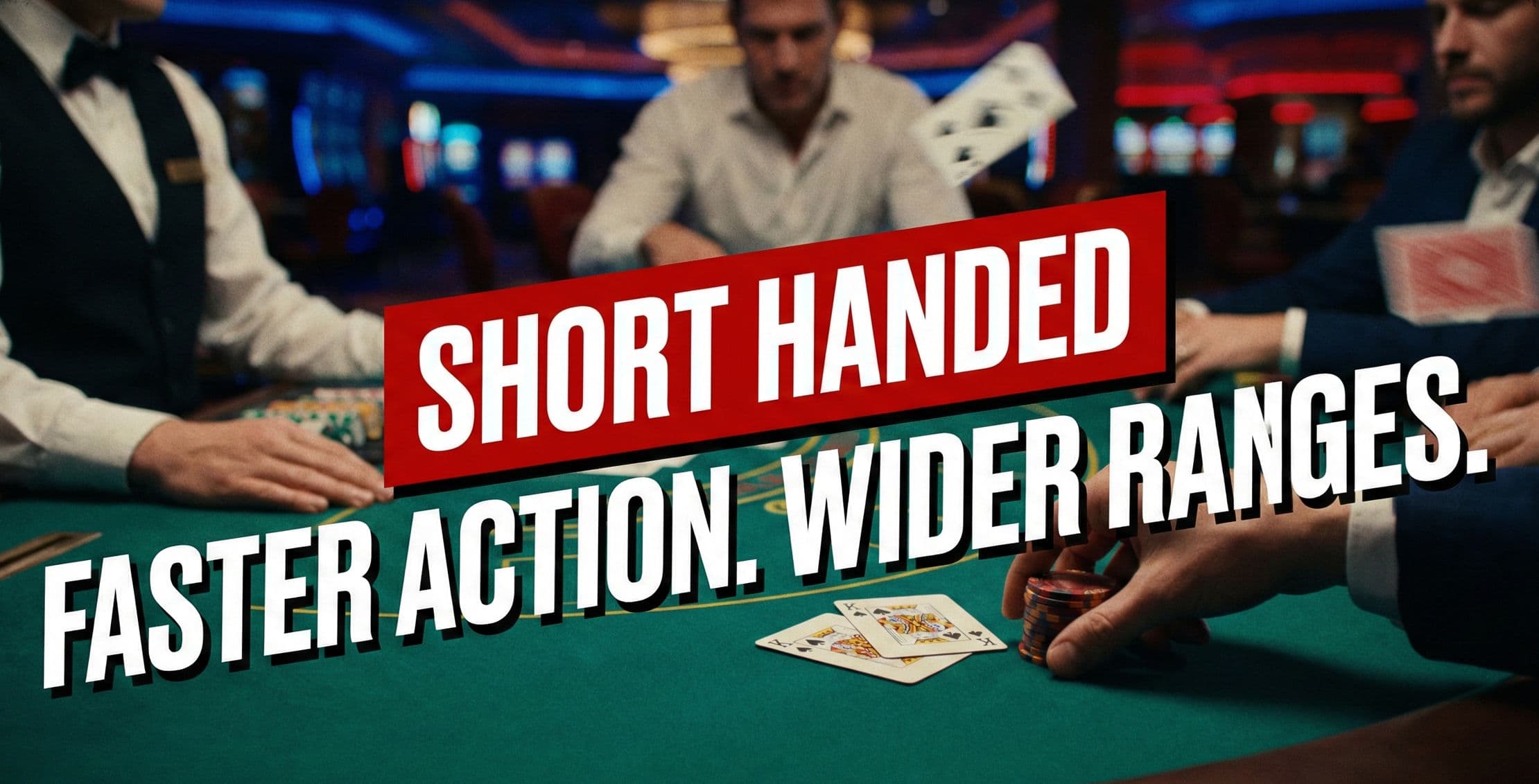
In the intricate world of poker, where strategy and psychology intertwine, a robust understanding of its unique lexicon is not merely an advantage but an absolute necessity. Far beyond casual slang, terms like "short-handed" carry profound strategic implications that fundamentally alter gameplay. For aspiring and seasoned players alike, accurately grasping these definitions is the bedrock upon which advanced tactics are built. This comprehensive analysis dives deep into the critical concept of "short-handed" poker, dissecting its definition, strategic ramifications, and the imperative for precise comprehension to excel at the felt.
Understanding the Core: What is Short Handed Poker?
At its core, short handed poker refers to a game played with fewer than the standard number of players at the table. While a full ring typically accommodates nine or ten players, a short handed table usually features six players or fewer, often referred to as 6-max poker or even down to heads-up (two players). This reduction in player count dramatically alters the game's dynamics, demanding a significant shift in strategy, mindset, and hand selection. The transition from a full ring to a short-handed environment is akin to moving from a marathon to a sprint - the pace accelerates, and decisions become more frequent and impactful.
The Profound Strategic Implications of Short Handed Play
The reduced player count in short handed games doesn't just make the game faster; it fundamentally changes the strategic landscape. Successful adaptation is not optional; it's essential for survival and profitability within modern poker game theory.
Wider Hand Ranges and Increased Aggression
With fewer opponents to act behind you, the pre-flop landscape broadens considerably. Players are forced to play broader hand ranges short-handed than they would in a full-ring game. The traditional "tight is right" adage of full-ring games becomes less applicable; instead, calculated aggressive poker play and a willingness to contest pots with marginal holdings become essential. You can't afford to wait for only premium hands, as the blinds will erode your stack too quickly.
Magnified Importance of Position
Position, always a cornerstone of poker strategy, becomes even more exaggerated in short-handed play. Mastering poker position is critical: being in late position (cutoff, button) allows for crucial information gathering and grants the ability to close the betting round, often enabling more effective strategic aggression and bluffing. Conversely, being out of position becomes significantly more challenging, demanding greater skill and precision in hand selection and post-flop play.
Enhanced Frequency of Action and Blind Pressure
Pots are contested more frequently, and the blinds come around faster due to fewer players. This constant pressure necessitates a more active and proactive approach. Passively waiting for pocket aces or kings will invariably lead to being blinded out, making calculated stealing and re-stealing attempts vital components of a winning strategy.
Psychological Warfare and Player Reads
Short handed games are inherently more aggressive and often involve higher variance. Bluffing and semi-bluffing opportunities arise more often, and players must be adept at recognizing these spots and executing them effectively. The dynamic nature also means individual player tendencies are magnified. Quickly assessing opponents' styles – who is loose, who is tight, who bluffs often, who folds readily - and adjusting your strategy accordingly is paramount.
Navigating the Information Landscape and Common Pitfalls
The challenge for many players lies not just in recognizing these strategic shifts but in finding reliable, in-depth resources. When looking at poker terms explained, specific, actionable advice on applying complex concepts like short handed play can be elusive. High-quality resources break down these terms, offering tactical guidance rather than just definitions.
Excessive Looseness: A common pitfall for players transitioning to short handed games. While playing a wider range is necessary, playing any two cards indiscriminately will quickly lead to financial ruin.
Failure to Adapt: Another mistake is failing to adapt to the faster pace and increased aggression, leading to passive play that gets exploited.
Discipline vs. Aggression: Mastery comes from understanding when to push the action and when to exercise discipline.
The Mastery of Adaptation
Ultimately, success in short handed poker hinges on a player's ability to adapt. It's a rigorous test of resilience, calculated aggression, and analytical prowess. A player comfortable in full-ring games might struggle initially in a short handed environment if they don't consciously adjust their pre-flop ranges, post-flop aggression, and understanding of positional equity. The game rewards those who can learn, adapt, and exploit the unique dynamics of fewer opponents.
Conclusion: The Imperative of Precise Terminology in Poker Mastery
Understanding terms like short handed extends far beyond mere vocabulary. It represents an entry point into a completely different strategic paradigm within poker. For serious players, meticulously dissecting these terms and their implications is not just an academic exercise; it's a fundamental requirement for elevating their game and achieving consistent success at the tables. The quest for precise, actionable knowledge is continuous, and investing in comprehensive learning is the surest path to poker mastery.
| Pros | Cons |
|---|---|
Short-handed tables see more hands per hour, more blinds posted, and more opportunities to play and win pots, leading to a more dynamic and engaging experience. | With fewer players and wider hand ranges, the game inherently involves higher variance. You'll be playing more marginal hands and facing more aggression, which can lead to larger swings in your bankroll. |
The rapid pace and complex strategic decisions in short-handed poker force players to think critically, adapt quickly, and develop a more comprehensive understanding of poker theory, leading to overall improved play. | Transitioning from full-ring to short-handed poker requires significant strategic adjustments that can be challenging. New players might struggle with the increased aggression and the need to play a broader range of hands. |
Related Poker Terms
Ante
Bet
Big Blind
Big Blind Ante
Buy-In
Check
Chips
Floor Manager
Flop
Fold
Gambling
Hand Rankings
No Limit
Omaha
Open Game
Open Seat
Out Button
Overlay
Peel
Peg
Pips
Poker network
Poker Room
Poker Rules
Position
Postflop
Pot
Pot-Limit
Protect
Qualifier
Quorum
Rack
Rake
Razz
Rebuy
Redeal
River
Round of Play
Running It Twice
Seat Position
Seating List
Seven-card Stud
Seven-Deuce Game
Seventh Street
Short Buying
Short Handed
Shot Clock
Showdown
Shuffle
Side Bet
Side Pot
Sit Out
Sixth Street
Small Blind
Split
Stack
Structure
Stub
Stud Games
Suit
Table Stakes
Texas Hold'em
Third Street
Tie
Time Bank
Turn
Uncle Doc
Upcard
Verbal Declaration
Visible Cards
Winning Hand