Showdown

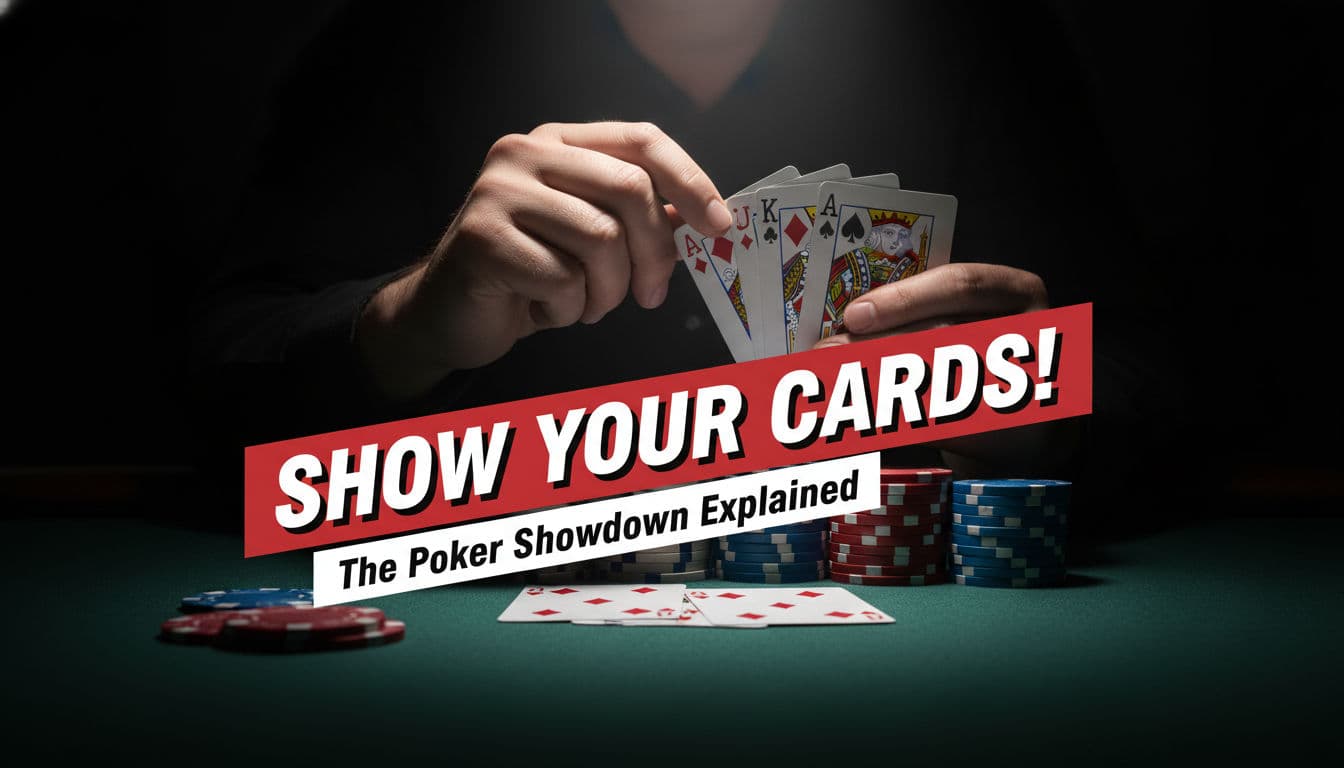
The poker showdown represents the ultimate moment of truth in a poker hand - a convergence of strategy, psychology, and mathematical probability. Far more than a mere formality of revealing cards, the showdown is a critical juncture where accumulated decisions across multiple betting rounds culminate. For seasoned players, understanding its nuanced mechanics and strategic implications is paramount, transforming a seemingly simple act into a powerful tool for information gathering, value maximization, and even deception. This expert guide delves deep into the strategic intricacies of the poker showdown, offering analytical insights to elevate your game beyond basic hand rankings.
The Critical Juncture: What is a Poker Showdown?
In poker, a showdown occurs when all betting rounds have concluded, and at least two players still remain actively involved in the hand. At this definitive stage, the objective is straightforward: to determine which player holds the winning poker hands according to the specific rules of the variant being played. The player who successfully assembles the strongest hand claims the entire pot. Should a tie occur, where multiple players possess hands of identical value, the pot is equitably divided amongst them, a scenario known as a split pot. This is a central moment in any texas holdem showdown or omaha showdown.
While digital platforms were once known for their instant card reveals, modern online poker platforms now offers more immersive features, such as the "slow roll" or controlled reveal option, allowing players to build suspense by uncovering their cards one by one in crucial showdown situations.
Navigating the Showdown Mechanics: Who Shows First?
While the fundamental concept of a poker hand reveal is simple, the precise order of revelation is governed by specific rules that carry significant strategic weight. Understanding these protocols is not just about etiquette; it's about gaining an informational edge.
The Last Aggressor Rule: A Strategic Advantage
In the vast majority of popular poker variants, the player who initiated the last aggressive action - meaning the last bet or raise - in the final betting round (often the river) is typically the first to expose their hole cards. This last aggressor poker rule is designed to streamline the process and often provides a subtle psychological advantage. The last aggressor is compelled to show their hand, potentially revealing information without receiving any in return from opponents who might still be deciding whether to show or muck.
No Aggression? Dealer Button Dictates
If, however, the final betting round concludes without any bets or raises (i.e., all remaining players checked around), the showing order reverts to a positional basis. In this scenario, the player seated immediately to the left of the dealer button is usually the first to reveal their hand, with the action proceeding clockwise around the table.
The Art of Mucking: Conceding Without Showing
A crucial element of the poker showdown is the option of mucking a hand poker players often utilize. To muck means to fold one's cards face down into the discard pile without revealing them. Players typically choose to muck when:
They are confident that their hand is beaten by an opponent's revealed hand.
They prefer not to give away information about how they played a particular hand.
By mucking, a player concedes the pot to the opponent(s) who showed a superior hand or to the last remaining player if everyone else mucked. While often seen as a minor detail, the decision to muck is strategically insightful, preventing opponents from gaining reads on your playing style and maintaining a poker information advantage.
Strategic Implications and Advanced Considerations
The showdown is not merely the end of a hand; it's a profound learning opportunity and a moment ripe for strategic maneuvering within poker game theory.
Information Gathering
Every showdown provides invaluable data. Observing what hands opponents play in certain situations, especially after aggressive actions or passive lines, helps build a profile of their tendencies. Did a player bluff with air on the river? This information is gold for future hands.
Showdown Value: The Goal of Many Hands
Many hands in poker are played with the primary objective of having showdown value - meaning the hand is strong enough to win at showdown if no further aggressive action is taken. Understanding what constitutes good showdown value in different situations is a hallmark of an expert player.
Psychological Warfare and Bluffing
The last aggressor rule can influence bluffing. A player contemplating a river bluff might consider the possibility of having to show their hand if called. Conversely, a player facing a river bet might choose to call, knowing the aggressor will have to show first, potentially revealing a bluff.
Showdown Variations Across Poker Formats
While the core concept remains consistent, some advanced poker rules across formats can influence showdown dynamics:
Seven Card Stud: With more cards being exposed throughout the hand, showdowns often involve more comprehensive hand reading based on visible cards.
Draw Poker (e.g., Five-Card Draw): Since all cards are hidden until the showdown, the surprise element can be higher, making bluffs potentially more effective.
Lowball Games: In lowball games where the lowest hand wins, understanding reversed hand rankings is crucial for correctly interpreting showdown results.
Conclusion: The Showdown as a Masterclass
The poker showdown, far from being a simple procedural step, is a rich tapestry of rules, strategy, and psychological interplay. Mastering its nuances-from understanding who shows first and why, to the strategic implications of mucking - is a critical component of becoming a truly formidable player. Every showdown offers a glimpse into opponents' strategies and an opportunity to refine your own, making it a continuous masterclass in the game of skill and chance.
| Pros | Cons |
|---|---|
Observing opponents' hands at showdown provides crucial data on their playing styles, tendencies, and range for future strategic decisions. | As the last aggressor on the river, you may be compelled to reveal a bluff if called, providing opponents with valuable information. |
Winning at showdown validates your hand selection, betting lines, and overall strategic approach for a particular hand or situation. | Incorrectly assessing your hand's strength or an opponent's potential holdings can lead to costly calls or missed value at showdown. |
The option to muck your hand allows you to conceal strong bluffs or weak holdings, preventing opponents from gaining reads on your play. | Experiencing frequent bad beats or unexpected losses at showdown can psychologically impact players, leading to emotional play. |
Related Poker Terms
Ante
Bet
Big Blind
Big Blind Ante
Buy-In
Check
Chips
Floor Manager
Flop
Fold
Gambling
Hand Rankings
No Limit
Omaha
Open Game
Open Seat
Out Button
Overlay
Peel
Peg
Pips
Poker network
Poker Room
Poker Rules
Position
Postflop
Pot
Pot-Limit
Protect
Qualifier
Quorum
Rack
Rake
Razz
Rebuy
Redeal
River
Round of Play
Running It Twice
Seat Position
Seating List
Seven-card Stud
Seven-Deuce Game
Seventh Street
Short Buying
Short Handed
Shot Clock
Showdown
Shuffle
Side Bet
Side Pot
Sit Out
Sixth Street
Small Blind
Split
Stack
Structure
Stub
Stud Games
Suit
Table Stakes
Texas Hold'em
Third Street
Tie
Time Bank
Turn
Uncle Doc
Upcard
Verbal Declaration
Visible Cards
Winning Hand