Short Buying

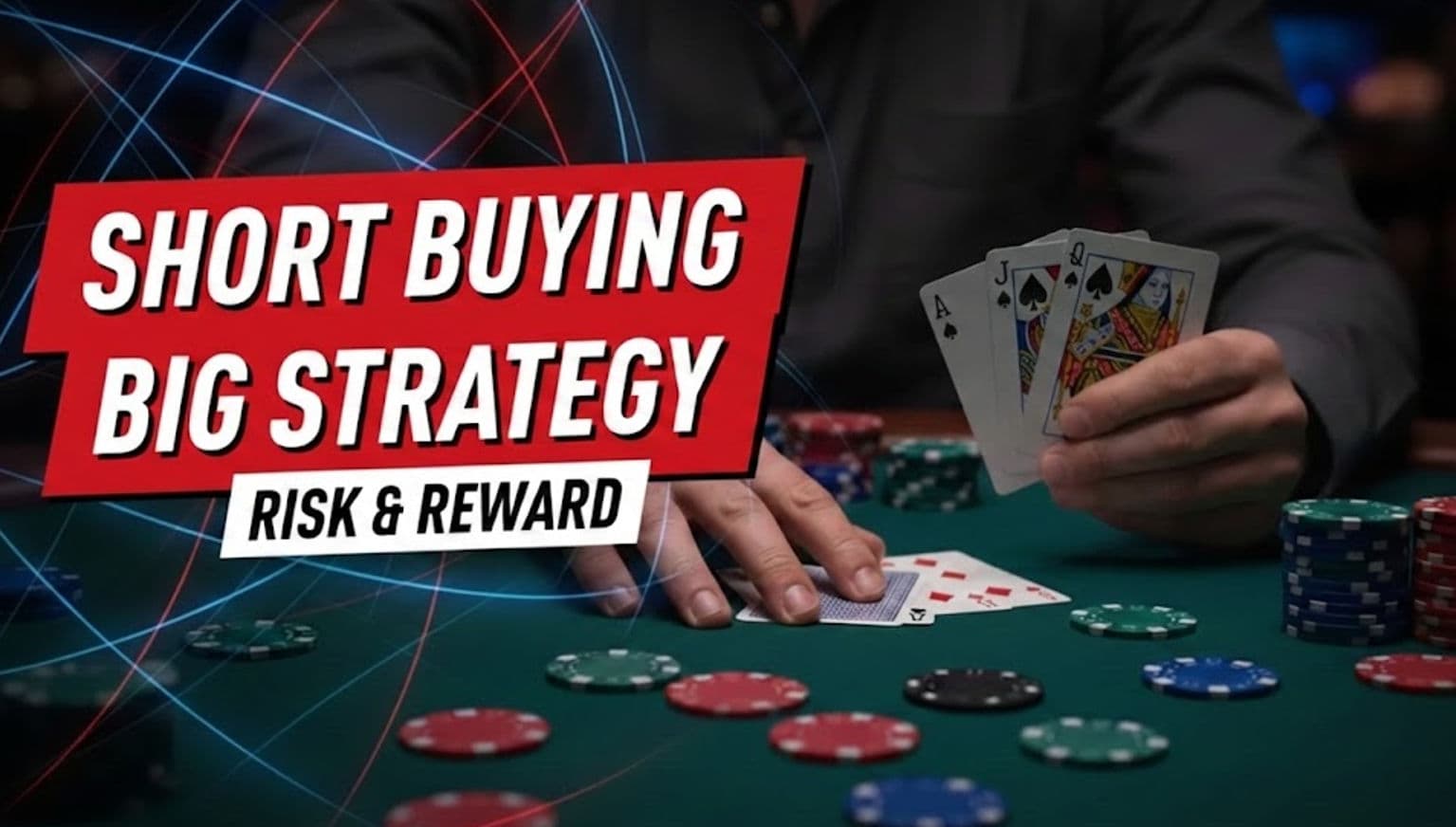
In the complex world of poker, strategic decisions extend far beyond the cards in your hand. One often-misunderstood yet critically important concept is short buying. While seemingly a simple transaction – adding more chips after your initial purchase – the act of short buying carries significant strategic weight that can profoundly influence your game, your table image, and ultimately, your profitability. This in-depth analysis delves into the mechanics, motivations, and masterful application of short buying, revealing how expert players leverage it to their advantage.
What Exactly is Short Buying Poker Strategy?
At its core, short buying refers to the act of purchasing chips after your initial buy-in, typically for an amount less than the standard maximum or even minimum initial buy-in allowed at the table. Unlike a standard rebuy which often replenishes your stack to its original size after losing all your chips, a short buy is a conscious decision to enter a hand or continue playing with a smaller-than-average stack. This strategic maneuver is most commonly observed in cash games , where players have the flexibility to add or remove chips from their stack at various points.
Distinguishing Short Buys from Standard Buy-ins and Rebuys
To fully grasp the implications of short buying, it's crucial to differentiate it from other chip purchasing scenarios under standard buy-in poker rules:
Initial Buy-in: This is the very first purchase of chips when you sit down at a poker table. Tables typically have a minimum and maximum initial buy-in, often ranging from 40 to 100 big blinds (BB).
Standard Rebuy: If you lose all your chips, you might rebuy to get back into the game, usually for the same amount as your initial buy-in or up to the table maximum. This is about replenishment.
Short Buy: This occurs when you still have chips, but choose to add more, bringing your stack to a level below the standard initial buy-in or a preferred strategic stack size. The key is the intentionality of maintaining a smaller-than-full stack. For instance, if the minimum buy-in is 100 BB, a player might short buy for 30 BB, even if they already have 20 BB, bringing their total to 50 BB.
Strategic Motivations Behind Short Buying
Why would a seasoned player intentionally choose to play with fewer chips? The reasons are diverse and often rooted in advanced poker concepts and risk management.
1. Managing Variance and Bankroll
For players operating with a tighter bankroll or those looking to minimize the impact of swings, short buying can be a prudent strategy. By committing less capital to any single session, they reduce their potential losses during downswings. This is a core part of effective poker bankroll management, allowing players to stay in action longer and ride out unfavorable runs.
2. Exploiting Table Dynamics and Opponent Styles
An expert player constantly assesses their opponents. If a table is particularly loose and aggressive, with many players willing to go all-in pre-flop or make large bluffs, a short stack can be a powerful weapon. A smaller stack limits the effective stack sizes of opponents, forcing them into tough decisions with marginal hands when faced with a shove.
3. Adopting a Short Stack Strategy
Some players specialize in a poker short stack strategy, a high-variance, push-or-fold approach that thrives on specific table conditions. By consistently short buying, they maintain the optimal stack depth for this strategy, which often involves getting all-in pre-flop with premium hands or strong draws. This approach minimizes complex post-flop decisions and simplifies chip management in poker.
4. Psychological Comfort and Risk Aversion
For some, particularly less experienced players, a smaller stack can provide a sense of psychological comfort. The fear of losing a large sum is diminished, allowing them to play more freely and less timidly.
The Potential Drawbacks of Short Buying Poker Strategy
While strategically advantageous in certain scenarios, short buying is not without its pitfalls. A deliberate choice to play short as part of your poker cash game strategy can:
Limit Post-Flop Play: With fewer chips, your options post-flop become severely restricted. You'll often be committed to a pot with marginal equity.
Reduce Implied Odds: Against deeper stacks, a short stack severely hampers your ability to realize implied odds. You can't extract maximum value from big hands when you hit them.
Become a Target: Experienced deep-stacked players may view short stacks as easy prey, applying pressure in an attempt to isolate and eliminate them.
Miss Value Opportunities: If the table features very passive or calling station players, a deep stack is usually preferable to extract maximum value.
When to Consider a Short Buy: Expert Recommendations
Deciding when to short buy requires careful consideration of several factors:
When the Table is Very Loose/Aggressive: If opponents are constantly raising pre-flop, a short stack allows you to easily shove and get your money in with better equity.
When You Want to Minimize Risk: During a downswing or when your bankroll needs protection, short buying can be a tactical retreat without leaving the game.
When You Plan to Play a Tight-Aggressive (TAG) Short Stack Style: If you are proficient in a push-or-fold strategy, maintaining a short stack is essential for its execution.
When Re-entering a Game with Limited Funds: If you’ve taken a hit and want to continue playing without reloading for the full amount, a short buy keeps you in the action.
Conversely, avoid short buying at passive tables where you can extract more value with a deeper stack, or when you wish to engage in complex post-flop play involving bluffs and intricate reads.
Conclusion: A Deliberate Tactical Choice
Short buying poker strategy is far more than making a simple transaction; it's a deliberate tactical choice that can be a powerful tool in a poker player's arsenal. When employed strategically, it allows for effective risk management, the exploitation of specific table dynamics, and the implementation of specialized playing styles. However, like any advanced strategy, it demands a clear understanding of its implications and a keen awareness of the prevailing game conditions. Master the art of the short buy, and you'll add another layer of sophistication to your poker cash game strategy.
| Pros | Cons |
|---|---|
By committing less capital, players reduce their potential losses per session, safeguarding their bankroll against significant downswings. | Fewer chips severely limit your ability to make complex bluffs, value bets, or navigate intricate post-flop situations, making you predictable. |
A short stack simplifies decisions to push or fold, effectively limiting opponents' ability to bluff and forcing them to play more straightforwardly against your all-ins. | You cannot extract maximum value from strong hands against deeper-stacked opponents, as there are fewer chips to win when you hit big. |
Ideal for players who specialize in push-or-fold poker, enabling them to consistently play an optimal high-variance, high-equity game. | Experienced players with larger stacks may target short stackers, applying constant pressure to isolate and eliminate them from the game. |
Related Poker Terms
Ante
Bad Beat Jackpot
Bet
Big Blind
Big Blind Ante
Buy-In
Cash Game
Check
Chips
Floor Manager
Flop
Fold
Gambling
Hand Rankings
High Hand Jackpot
Jackpot
Low Stakes
No Limit
Omaha
Open Game
Open Seat
Out Button
Overlay
Peel
Peg
Pips
Poker network
Poker Room
Poker Rules
Position
Postflop
Pot
Pot-Limit
Protect
Qualifier
Quorum
Rack
Rake
Razz
Rebuy
Redeal
River
Round of Play
Running It Twice
Seat Position
Seating List
Seven-card Stud
Seven-Deuce Game
Seventh Street
Short Buying
Short Handed
Shot Clock
Showdown
Shuffle
Side Bet
Side Pot
Sit Out
Sixth Street
Small Blind
Split
Stack
Structure
Stub
Stud Games
Suit
Table Stakes
Texas Hold'em
Third Street
Tie
Time Bank
Time collection
Turn
Uncle Doc
Upcard
Verbal Declaration
Visible Cards
Winning Hand