

River

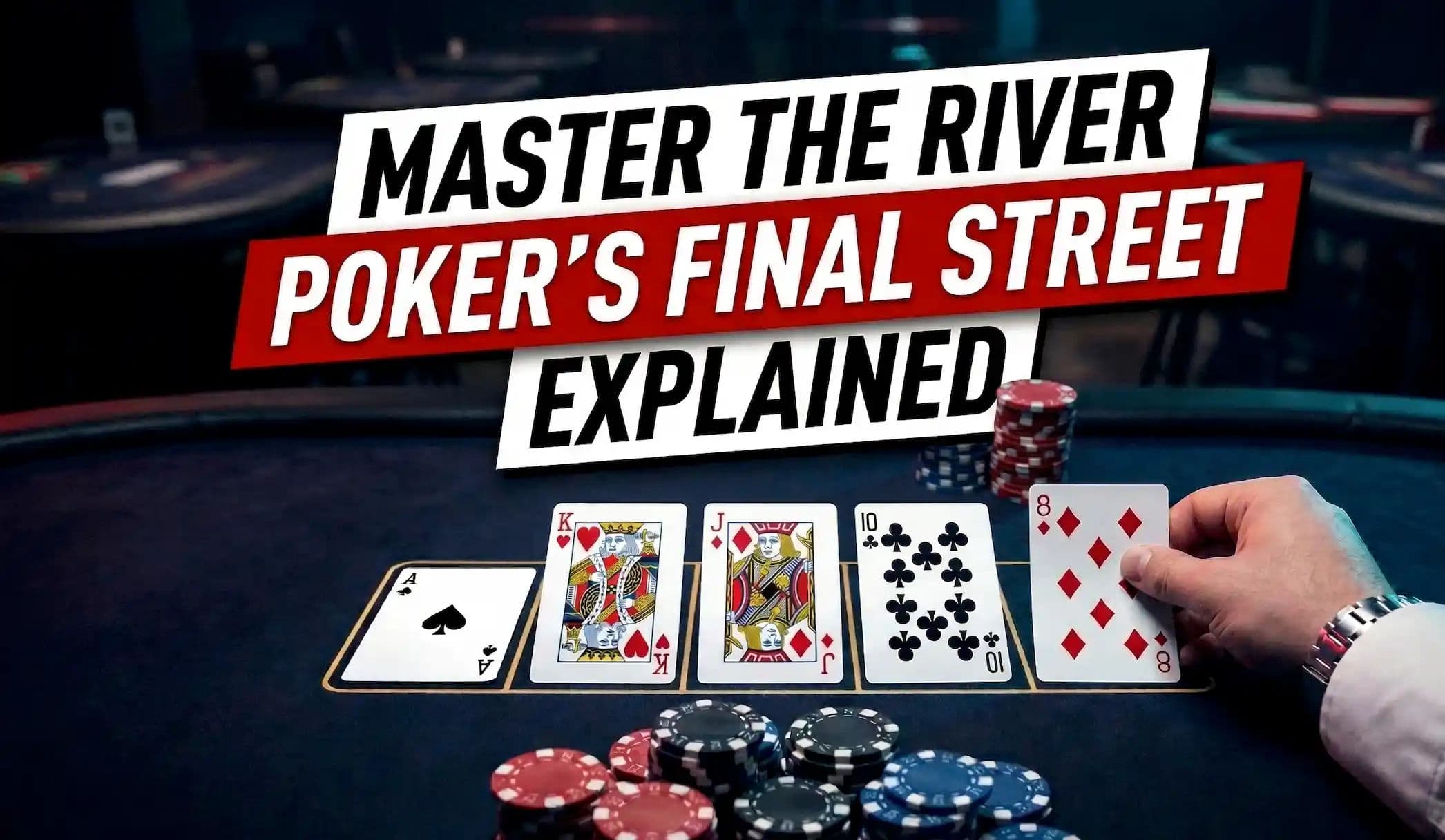
The river in poker, also known as 'fifth street,' is the final community card dealt face-up on the board. This crucial card completes all players' potential hands and initiates the last, and often most significant, round of betting before the showdown. Understanding how to navigate the river is essential for long-term success.
What is the River in Poker?
In community card poker games like Texas Hold'em and Omaha, the action unfolds across several streets or betting rounds. The river in poker signifies the climax of the hand. It is the fifth and final community card placed on the board by the dealer, following the flop (three cards) and the turn (one card). Once the river card is dealt, no more cards will come to alter the board.
After this card is revealed, the final betting round begins. Players evaluate their seven-card hand (two hole cards and five community cards in Hold'em) and decide their last action: check, bet, call, raise, or fold. This round is where pots can swell dramatically, and where the best players capitalize on their reads and hand strength.
Making the right decision on the river separates the winners from the losers. It's the moment where all the information from the hand culminates into one final, critical choice.
The River's Role in Popular Poker Games
The significance of the poker river is universal, but its impact varies slightly between game types.
Texas Hold'em River Strategy
In No-Limit Texas Hold'em, the river is a moment of ultimate clarity. The board is complete, and your hand is made. Key strategic decisions include:
Value Betting: If you are confident you have the best hand, you must bet an amount that you believe your opponent will call. This is how you extract maximum value.
Bluffing: If you've missed your draw and have no showdown value, the river is your last chance to represent a strong hand and force a fold.
Bluff-Catching: Sometimes you have a marginal hand, but you suspect your opponent is bluffing. Making a 'hero call' on the river can win you pots you otherwise would have forfeited.
Omaha Poker and the River
In Pot-Limit Omaha (PLO), players start with four hole cards but must use exactly two of them with three community cards. The river often brings dramatic swings because players have so many more hand combinations. A seemingly innocent river card can complete straights, flushes, or full houses for multiple players, leading to massive pots and shocking outcomes, often called 'getting rivered'.
Strategic Considerations for Fifth Street
Effectively playing the fifth street requires a deep understanding of the game flow and your opponent's tendencies.
When to Bet for Value
Before making a value bet, ask yourself: 'What weaker hands will call my bet?' If you have a strong hand like a full house, but the board is not threatening, your opponent might call with a flush or a straight. Your bet size should target the strength of the hands you want to get called by. Betting too large might scare away weaker hands, while betting too small leaves money on the table.
The Art of the River Bluff
A successful river bluff depends on the story you've told throughout the hand. Did you raise pre-flop? Did you bet the flop and turn when a flush or straight draw appeared? If your story is convincing, a well-timed bet on the river can make your opponent fold a better hand. However, bluffing against 'calling stations' (players who call too often) is generally a losing proposition.
Making the Tough Call: Bluff-Catching
Deciding to call a large river bet with a medium-strength hand is one of poker's toughest decisions. Consider the pot odds, your opponent's betting patterns, and any physical tells they might exhibit. If the potential reward (the size of the pot) outweighs the risk (the size of the bet) and you have a strong read that your opponent is bluffing, making the call is the correct play.
Common Mistakes to Avoid on the River
Many players lose significant money by making fundamental errors on the river. Avoid these common pitfalls:
Mistake | Description | How to Correct It |
|---|---|---|
Overplaying Medium Hands | Calling large bets with hands that can only beat a bluff. | Learn to fold. Unless you have a strong read or excellent pot odds, save your chips for a better spot. |
Not Betting for Value | Checking with the best hand out of fear of being raised. | Be confident in your strong hands. Force weaker hands to pay to see your cards. |
Bluffing Illogically | Trying to bluff a pot where your story makes no sense. | Only bluff when your betting line is credible and targets an opponent capable of folding. |
Mastering the river in poker is a continuous journey. By understanding its function and applying sound strategies for value betting, bluffing, and bluff-catching, you can turn this final street into your most profitable one.
Now that you understand how to navigate the most crucial and expensive decisions on the river, it's time to put your reading skills to the test. Check out our top online poker sites to hit the tables on trusted, independently audited poker rooms where the games are fair, and your bankroll is completely safe.
Related Poker Terms
Ante
Bet
Big Blind
Big Blind Ante
Buy-In
Check
Chips
Floor Manager
Flop
Fold
Gambling
Hand Rankings
No Limit
Omaha
Open Game
Open Seat
Out Button
Overlay
Peel
Peg
Pips
Poker network
Poker Room
Poker Rules
Position
Postflop
Pot
Pot-Limit
Protect
Qualifier
Quorum
Rack
Rake
Razz
Rebuy
Redeal
River
Round of Play
Running It Twice
Seat Position
Seating List
Seven-card Stud
Seven-Deuce Game
Seventh Street
Short Buying
Short Handed
Shot Clock
Showdown
Shuffle
Side Bet
Side Pot
Sit Out
Sixth Street
Small Blind
Split
Stack
Structure
Stub
Stud Games
Suit
Table Stakes
Texas Hold'em
Third Street
Tie
Time Bank
Turn
Uncle Doc
Upcard
Verbal Declaration
Visible Cards
Winning Hand
Best Online Poker Bonus Codes


About the Editor

Bence Mitykó is a Somuchpoker poker writer, covering poker news and strategy. He spent four years playing poker professionally, primarily focusing on Heads-Up Sit & Go games, experience that continues to shape his understanding of poker strategy, online poker dynamics, and the wider poker industry.


