

Muck

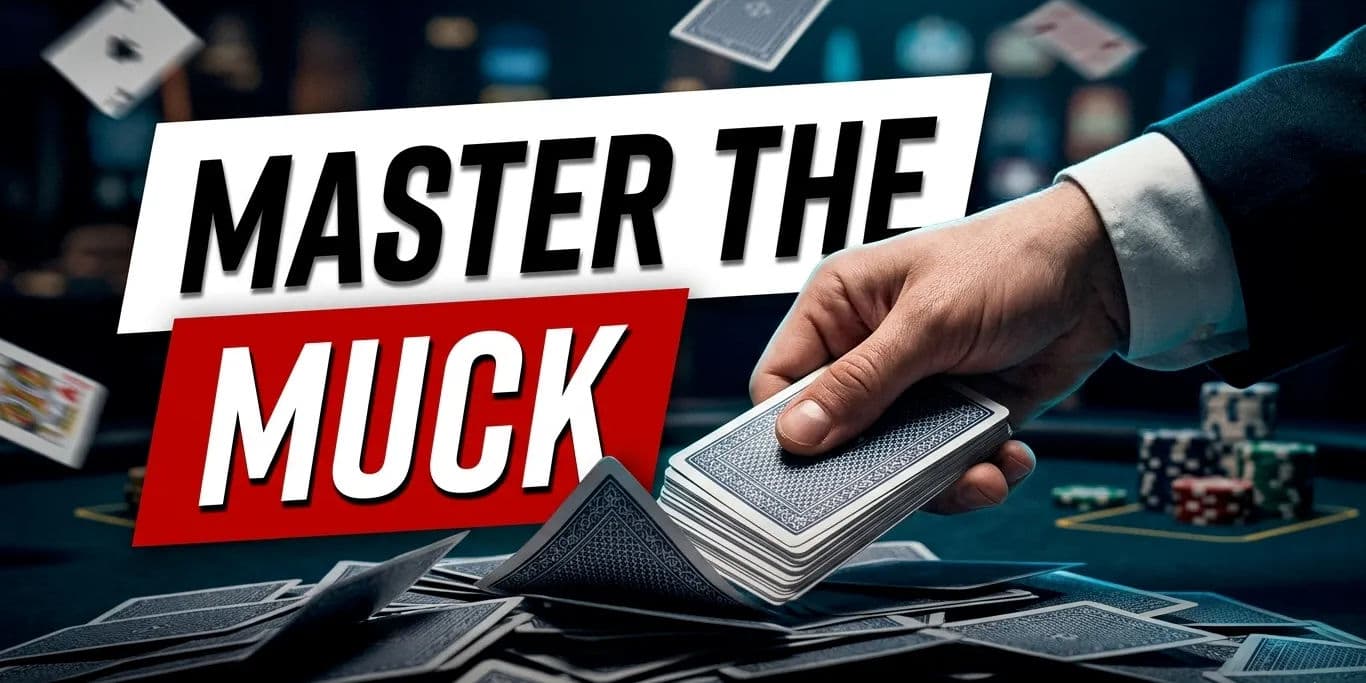
In the intricate world of poker, every action, no matter how seemingly minor, carries weight. Among these, the concept of the 'muck' and the act of 'mucking' a hand are fundamental, yet frequently misunderstood beyond their most basic definition. Far from simply discarding unwanted cards, the muck represents a critical juncture in a hand, imbued with strict rules, essential etiquette, and profound strategic implications.
This expert guide delves deep into the mechanics and mindset behind the muck, exploring its physical manifestation, the irreversible nature of discarded cards, and how seasoned players leverage mucking to gain a crucial edge through information control and the careful cultivation of their table image.
Muck Poker: What Exactly Is The Muck?
Understanding the concept of muck poker is a fundamental requirement for anyone stepping up to the tables. The 'muck' refers to the designated area on the table where players deposit their folded or defeated hands. It's a tangible graveyard for cards no longer in active contention, signifying a player's surrender of their claim to the pot. This pile typically consists of cards that were 'burned' by the dealer during the course of a hand, and, more prominently, hands that players have chosen to fold during a betting round or discard at showdown.
The Action of Mucking Cards
To 'muck' is the deliberate action of pushing or tossing one's hand into this pile of discarded cards. While most commonly associated with folding during any betting round, the act of mucking cards applies specifically to the choice of concealing a losing hand at the end of a hand. When a player mucks, they are unequivocally declaring their hand 'dead', removing it from play and forfeiting any potential claim to the pot. This action is swift, decisive, and carries significant consequences.
The Irreversibility of the Muck
One of the most ironclad poker rules muck scenarios dictates the absolute finality of the discard pile. Once a player's cards make contact with the muck, even partially, they are universally considered 'dead' and cannot be retrieved for any reason. This rule applies even if a procedural error occurred, a player mistakenly mucked a winning hand, or there's a misunderstanding about the best hand. This fundamental principle underscores the critical importance of protecting one's hand at all times and paying meticulous attention to the ongoing action.
Poker Information Control
This is where mucking transcends a simple procedural act and transforms into a potent strategic weapon. By choosing to muck a losing hand, a player exercises strict poker information control, effectively denying their opponents valuable data about their playing style, hand ranges, and tendencies. Revealing a weak hand might inadvertently inform opponents about how loosely or tightly you play from certain positions. Conversely, concealing a strong hand that you ultimately folded prevents revealing your maximum hand strength, maintaining an aura of mystery.
Fold vs Muck: Clarifying the Nuance
Understanding the fold vs muck distinction helps clarify standard table terminology. While often used interchangeably in everyday poker parlance, 'folding' is the broader term for withdrawing from a hand by surrendering your cards and relinquishing your stake in the current pot. 'Mucking' is the specific physical action of placing those cards into the discard pile. Essentially, all mucking is a form of folding, but not all instances of folding necessarily involve physically touching the muck (e.g., verbally declaring 'fold' might suffice in some games, though the cards still become dead).
Essential Rules and Poker Etiquette
Protecting Your Live Hand: A fundamental aspect of poker etiquette and self-preservation is to always protect your live hand, often by placing a chip or a dedicated card protector on top of your hole cards. This physical barrier prevents accidental contact with the muck, ensuring your active cards remain distinct.
Avoiding Premature Mucking: Players must exercise patience and ensure that all betting action is definitively complete before discarding their cards to avoid confusion or incorrect rulings.
Poker Showdown Protocol and Mucking Rights
At showdown, a specific hierarchy typically governs who reveals their hand first. Generally, the player who made the last aggressive action (the final bet or raise) on the last betting street is obligated to show their hand first. Subsequent players, if they hold a losing hand, then have the valuable option to 'muck' their cards without revealing them, thereby preserving crucial hand information.
Mandatory Show Rules: It is crucial to recognize that in certain variants or specific circumstances, particularly when a player has called a bet on the final street, they may be required by house rules or tournament regulations to show their hand and forfeit the option to muck. This prevents players from calling a bet solely to gain information.
Poker Strategy Mucking: An Advanced Play
Beyond basic procedural compliance, advanced players leverage poker strategy mucking for significant advantage. While beginners are often taught to simply muck losing hands to avoid embarrassment or information leakage, experienced players carefully weigh when to reveal and when to conceal. Deliberately showing a bluff or a very weak losing hand (when you have the option to muck) can be a calculated move to cultivate a specific 'loose' or 'crazy' table image. The decision to show or muck a losing hand is a nuanced one that speaks volumes about a player's understanding of the game's psychological depths.
To master these nuances and practice your table presence, check out our curated list of the best online poker platforms to find the perfect games and test your strategies today.
| Pros | Cons |
|---|---|
Mucking a losing hand prevents opponents from gaining valuable insights into your playing style, hand ranges, and tendencies, which can be exploited in future hands. | Mucking a losing hand means you miss the opportunity to strategically project a specific table image (e.g., showing a bluff to appear aggressive) to influence future play. |
Quickly mucking a clearly losing hand speeds up the game, particularly in live poker, allowing the next hand to begin sooner. | There's an inherent risk, especially with an unprotected hand, of accidentally mucking a live or even winning hand, which is irreversible. |
For many players, mucking a very weak or extensively bluffed hand allows them to avoid the social discomfort of revealing it to the table. | Once mucked, if there's a misreading of hands at showdown or an opponent makes an incorrect claim, your hand cannot be retrieved to dispute it. |
Related Poker Terms
Best Online Poker Bonus Codes


About the Editor

Bence Mitykó is a Somuchpoker poker writer, covering poker news and strategy. He spent four years playing poker professionally, primarily focusing on Heads-Up Sit & Go games, experience that continues to shape his understanding of poker strategy, online poker dynamics, and the wider poker industry.


