

Tell

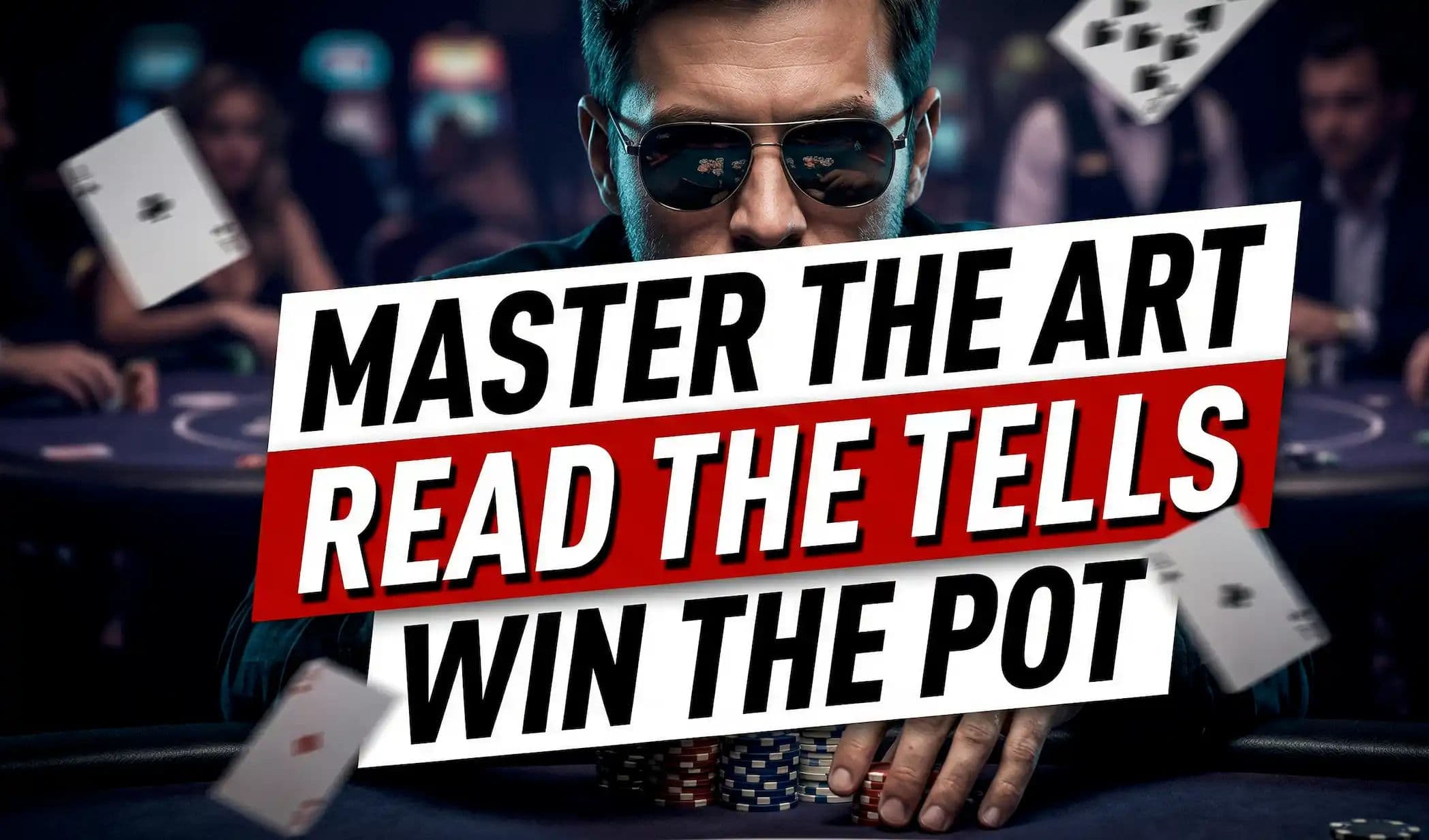
A poker tell is a subtle, often involuntary, change in a player's behavior that can signal the strength or weakness of their hand. These clues range from physical actions like shaky hands or eye movement to strategic habits like betting patterns. By learning to identify and interpret these tells, you can gain a significant information edge, make better decisions, and ultimately, win more pots.
What Exactly is a Poker Tell?
In the game of poker, information is power. A poker tell is any observable change in an opponent's behavior, physical or otherwise, that gives you a clue about their hand. These are not conscious decisions; they are subconscious leaks of information. Understanding what a poker tell is and how to spot them is a fundamental skill that separates novice players from seasoned sharks. Whether it's a nervous twitch or a specific betting pattern, these signals can turn a guessing game into a calculated decision.
"The key to No-Limit Hold'em is to put a man to a decision for all his chips." - Doyle Brunson. Reading tells helps you know when to apply that pressure.
The Two Primary Categories of Tells
Poker tells generally fall into two broad categories: physical and behavioral. Both are critical for a complete approach to reading opponents in poker.
1. Physical Tells and Body Language
These are the classic tells you see in movies. While often exaggerated on screen, tells and body language are very real. They involve observing your opponent's physical state.
Eye Contact: A player who looks away quickly after betting might be bluffing, trying to avoid scrutiny. Conversely, a player staring you down might have a monster hand and be using intimidation.
Hand Movements: Shaky hands when putting chips in the pot often indicate nervousness, which can mean a huge hand, not a bluff. How a player stacks their chips can also be telling; neat stacks often belong to tight, disciplined players.
Posture: Someone leaning forward and engaging with the action is often interested in the pot, suggesting a strong hand. A player slumping in their chair may be ready to fold.
Facial Expressions: Watch for subtle changes like a forced smile, biting lips, or flared nostrils. These can be indicators of stress or excitement.
2. Betting Pattern Tells
Perhaps more reliable than physical tells, especially in modern poker, are betting pattern tells. These are habits related to how a player wagers their chips. While physical movements are absent in the digital realm, online poker tells rely heavily on these precise betting patterns and timing dynamics. Observing a player's instantaneous snap-calls, the use of auto-play buttons, or unusual chat box behavior can reveal just as much about their hand strength as a physical flinch at a live table.
Timing: A very fast bet can signal strength, as the player didn't need to think. A long pause followed by a bet could be a calculated bluff or an attempt to feign weakness with a strong hand.
Bet Sizing: A player who always bets a specific amount with their strong hands but a different amount when bluffing is giving away massive information. A sudden, unusually large bet might be an attempt to scare you off a draw.
Pre-flop Consistency: Does a player limp in with marginal hands but always raise with premiums? This pattern is a simple but effective tell to exploit.
How to Spot Poker Tells Reliably
The single most important rule for how to spot poker tells is to first establish a baseline. Every player is different. Observe your opponents from the very first hand, even when you are not involved in the pot. Notice their default posture, how they handle chips, and their general demeanor. A tell is only a tell if it's a deviation from this baseline. What looks like a bluffing tell on one player might be a sign of strength on another. Context is everything.
Hiding Your Own Poker Tells
Just as you are watching others, they are watching you. To be a tough opponent, you must minimize the information you leak. Here are some tips:
Be Consistent: Try to take the same amount of time for every decision. Make your movements deliberate and repetitive.
Control Your Breathing: Deep, steady breaths can calm nerves and prevent physical signs of anxiety.
Stay Still: Avoid unnecessary movements, fidgeting, or talking about your hand.
Wear Sunglasses: While it can be a cliché, sunglasses are effective at hiding eye tells.
By mastering the art of observation and self-control, you can use the power of the tell to your advantage, adding a potent weapon to your strategic arsenal and giving you an edge over less observant players at the table.
| Pros | Cons |
|---|---|
Spotting a reliable tell provides you with information your opponents don't have, leading to more profitable decisions. | What you think is a tell could just be a random nervous habit or, worse, a deliberate false tell from an experienced player. |
Making an opponent feel like you can read their every move can induce mistakes and put them on tilt. | Focusing too much on finding tells can distract you from more important strategic elements like pot odds, position, and game theory. |
Related Poker Terms
Best Online Poker Bonus Codes


About the Editor

Bence Mitykó is a Somuchpoker poker writer, covering poker news and strategy. He spent four years playing poker professionally, primarily focusing on Heads-Up Sit & Go games, experience that continues to shape his understanding of poker strategy, online poker dynamics, and the wider poker industry.


