

Read

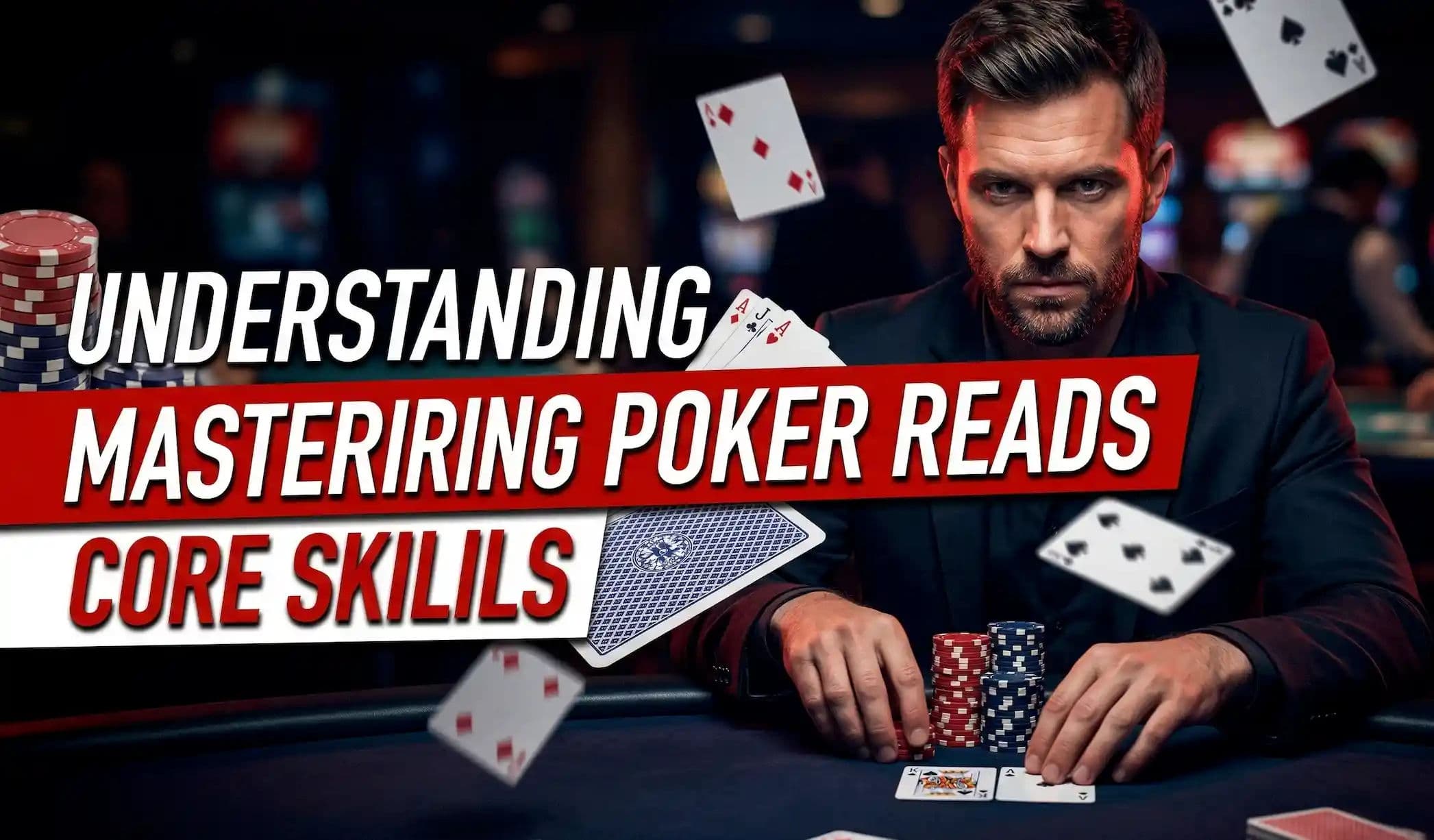
A poker read is an educated guess or inference about an opponent's hand strength, strategy, or likely action based on observable information. It's not about mind-reading; it's a skill built on careful observation of everything from betting patterns and timing to physical tells and table talk. Mastering how to get a poker read separates good players from great ones, allowing for more profitable bluffs, value bets, and laydowns.
Understanding the Core of a Poker Read
At its heart, a poker read is the art of gathering information that your opponents give away unintentionally. Every action (or inaction) at the poker table tells a story, and your job is to piece together these clues. This skill is paramount because poker is a game of incomplete information. The better you can fill in the gaps by reading opponents in poker, the more significant your advantage becomes.
New players often think a read is solely about noticing a nervous twitch, but it's much deeper. The most reliable information comes from consistent patterns. While a physical tell might alert you, a player's betting history across dozens of hands provides a much more reliable foundation for making decisions.
The Two Main Categories of Poker Reads
Information for a solid poker read generally falls into two buckets: behavioral tells and betting patterns. While related, they offer different insights into your opponent's mind.
1. Physical and Behavioral Tells (Live Poker)
Live poker tells are the classic, cinematic aspects of the game. These are the physical cues players might exhibit, often subconsciously. Learning to spot these live poker tells can be invaluable.
Body Language: A player suddenly sitting up straight might signal a strong hand, while slumping could indicate disappointment. Shaking hands when placing a bet can be a sign of adrenaline from a monster hand, not nervousness from a bluff.
Eye Contact: Opponents often look away from their cards when they hit a big hand to avoid giving anything away. Conversely, a player who stares you down might be trying to intimidate you into folding a weak or mediocre hand.
Chip Handling: How a player handles their chips can be revealing. A player who carefully and deliberately places a bet might be more confident than one who carelessly splashes the pot.
"Poker is a game of people. It's not the cards you're playing, it's the player across from you." - Anonymous Poker Pro
2. Betting Patterns and Timings (Live and Online)
This is where the most valuable data for a poker read is found, as it's relevant in both live games and online poker. Betting patterns are conscious choices players make that reveal their strategy and hand strength over time.
Understanding these patterns is a cornerstone of advanced poker psychology. Here’s a breakdown of common patterns and what they might mean:
Betting Pattern / Timing Tell | Potential Meaning |
|---|---|
Instant Call/Raise | Often indicates a medium-strength hand or a draw. The player didn't need time to consider bluffing or folding. |
Long Pause, Then Check | The player was likely considering a bet or bluff but decided against it, signaling weakness. |
Small Bet on a Scary Board | Could be a 'blocker bet' with a vulnerable hand, trying to get to showdown cheaply. It can also be a trap. |
Sudden Overbet | This is a polarized action, usually indicating either a monster hand (for value) or a complete bluff. |
For online poker reads, timing is everything. Since you can't see your opponent, you must rely on how quickly they act. Using a Heads-Up Display (HUD) can also help you compile statistics on opponents to establish a baseline for their betting frequencies, which is a powerful form of an online read.
How to Improve Your Ability to Get a Poker Read
Developing this skill takes conscious effort and practice. Start by focusing on one or two opponents at the table. Don't try to track everyone at once. Establish a baseline of their normal behavior and betting sizes. Once you have that baseline, you can more easily spot deviations that signify something about their hand. Pay attention even when you've folded your cards. The information you gather while not in a hand is free, and it will help you make better decisions when you are involved in a pot.
| Pros | Cons |
|---|---|
A well-developed ability to read opponents provides a massive advantage, allowing you to win pots you otherwise wouldn't. | A wrong read can be very costly. Acting on a tell that you've misinterpreted can lead to significant losses. |
Good reads lead to more profitable calls, folds, value bets, and bluffs, directly increasing your win rate. | Experienced players can give off false tells on purpose to manipulate you into making a mistake. |
Successfully acting on a read and being right builds confidence in your overall game and intuition. | Relying too much on a single read instead of considering all available information (like pot odds and position) can be a strategic error. |
Related Poker Terms
Best Online Poker Bonus Codes


About the Editor

Bence Mitykó is a Somuchpoker poker writer, covering poker news and strategy. He spent four years playing poker professionally, primarily focusing on Heads-Up Sit & Go games, experience that continues to shape his understanding of poker strategy, online poker dynamics, and the wider poker industry.


