

Tilt

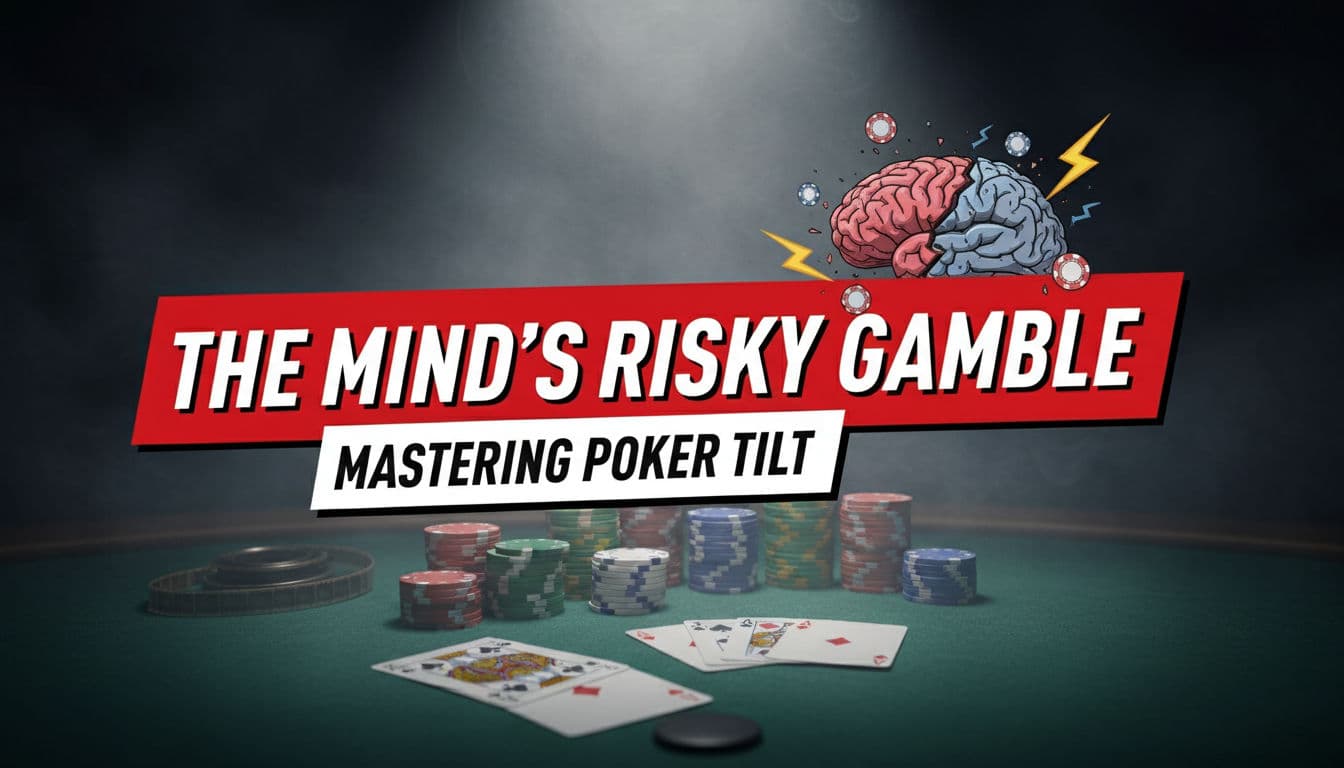
In the high-stakes arena of poker, where skill, strategy, and a bit of luck intertwine, a formidable opponent often emerges not from across the table, but from within: tilt. This powerful psychological state can transform a disciplined strategist into an impulsive gambler, undermining hours of study and careful bankroll management. Derived from the frantic shaking of a pinball machine, 'tilt' in poker signifies an emotional disruption - be it anger, frustration, or even unwarranted elation - that compels a player to abandon their optimal strategy. Understanding this phenomenon is not merely an advantage; it's a fundamental requirement for anyone aspiring to consistent success and sustained profitability in poker.
What Exactly is Poker Tilt? The Psychological Undercurrent
The term "poker tilt" finds its origins in the mechanical pinball machines of yesteryear. When a player, overcome by frustration, would aggressively shake the machine in an attempt to manipulate the ball's trajectory, a sensor would trigger, displaying "TILT" and freezing the flippers, effectively ending the game. In poker, the metaphor is strikingly apt. Poker tilt describes a mental and emotional state where a player deviates from their A-game, their well-reasoned, profitable strategy, due to a surge of powerful emotions. It's a critical breakdown in rational thought, replaced by impulsive, often self-destructive, decision-making.
The Multifaceted Nature of Poker Tilt: Beyond Simple Anger
While commonly associated with negative emotions like anger and frustration, tilt is far more complex. It's crucial for serious players to recognize its various manifestations:
Frustration Tilt (Rage Tilt): This is the classic scenario where a bad beat, a series of unlucky hands, or an opponent's perceived poor play triggers intense anger. The player might become overly aggressive, chasing draws with terrible odds, or bluffing relentlessly into strong hands.
Revenge Tilt: A specific variant of frustration, where a player becomes fixated on winning back chips from a particular opponent who recently took a pot from them. This often leads to over-extending against that player, even when the cards dictate otherwise.
Desperation Tilt: Stemming from significant losses or a prolonged losing streak, a player might feel an urgent need to win back lost money quickly. This can lead to playing too many hands, escalating stakes unnecessarily, or making very loose calls hoping for a miracle.
Entitlement Tilt: This occurs when a player believes they "deserve" to win certain pots or sessions because they've been playing well, studying hard, or simply running bad lately. When expectations aren't met, frustration quickly sets in, leading to irrational play.
Winner's Tilt (Overconfidence/Excitement): Often overlooked, positive emotions can also induce tilt. After a big win or a successful run, a player might feel invincible, becoming overly loose, aggressive, and taking unnecessary risks, believing their luck or skill is unstoppable. This form of tilt can be just as detrimental as negative tilt, eroding profits swiftly.
The Devastating Impact on Your Strategy and Bankroll
Regardless of its emotional root, poker tilt inevitably leads to a significant degradation of a player's strategic execution. Key indicators include:
Expanded Playing Range: Playing hands that would normally be folded pre-flop, leading to weaker starting equity and more difficult post-flop decisions.
Aggressive Misplays: Bluffing into unfavorable situations, making hero calls with insufficient information, or over-betting without strong value.
Chasing Draws: Continuing to call bets with slim drawing odds, ignoring implied odds and pot odds.
Ignoring Opponent Reads: Failing to adjust to opponents' tendencies, instead focusing solely on one's own emotional state.
Increased Variance: By taking on more marginal spots and higher risks, a tilted player exponentially increases their financial exposure and the swings in their bankroll.
Ultimately, a tilted state compromises the poker mental game, distorting risk assessment and clouding judgment, which directly translates into substantial financial losses and long-term damage to a poker career.
Protecting your bankroll from these emotional swings is a vital skill in online poker, too; once you've mastered your composure, you can find the most reliable action and fair play on the best online poker sites.
Mastering Your Mind: Proactive Strategies to Combat Tilt
The ability to recognize, prevent, and recover from tilt is arguably as important as understanding advanced poker mathematics or nuanced betting patterns. Here are expert strategies for emotional control:
Self-Awareness & Trigger Identification: The first step is to honestly assess what situations, opponents, or bad beats typically trigger your overcoming tilt. Keep a poker journal to log hands where you felt tilted and analyze the preceding events.
Pre-Session Preparation: Ensure you are well-rested, fed, and in a positive mental state before sitting down. Set clear goals for the session and pre-define stop-loss limits (e.g., "I will stop if I lose X amount" or "I will stop after X hours").
Recognize Early Warning Signs: Pay attention to physical and mental cues: increased heart rate, shallow breathing, clenching jaw, negative self-talk, or an urge to make an impulsive move.
Immediate Disengagement (The "Time Out"): When you feel tilt setting in, the most effective action is often to step away. Take a short walk, get a drink, listen to some music, or simply close your eyes and practice deep breathing for a few minutes. If the tilt is severe, consider ending the session.
Mindfulness & Breathing Techniques: Deep, controlled breathing can activate your parasympathetic nervous system, calming your body and mind. Focus intently on your breath to bring your attention back to the present moment, rather than dwelling on past bad beats.
Hand Review (Post-Session): Avoid reviewing hands or making significant strategic adjustments while tilted. Instead, wait until you are calm and objective. Analyze the hands without emotional bias to learn from mistakes, both strategic and emotional.
Bankroll Management: Playing within your bankroll limits is a crucial defense against desperation tilt. When you know a loss won't cripple you, the emotional impact is significantly reduced.
Conclusion: The Path to Poker Zen
Tilt is an inescapable aspect of poker; even the best players experience it. However, the true mark of an expert is not the absence of tilt, but the mastery of its management. By cultivating robust self-awareness and implementing poker psychology tips, players can build a foundation for avoiding tilt before it starts. For those already struggling at the table, overcoming tilt requires employing effective recovery strategies to maintain strategic integrity. Ultimately, mastering these mental hurdles paves the way to sustained success and a healthier relationship with the game. Emotional control is the ultimate bluff call - against yourself.
| Pros | Cons |
|---|---|
Understanding and managing tilt leads to more rational and strategically sound decisions, even under pressure, enhancing overall game performance. | Effectively managing tilt demands a high degree of self-awareness and introspection, which can be challenging for many players to cultivate. |
By avoiding impulsive and irrational plays driven by emotion, players can significantly mitigate monetary losses and protect their bankroll. | Tilt can strike at any moment, requiring continuous monitoring of one's emotional state, which can add mental fatigue during long sessions. |
Developing strategies to combat tilt strengthens a player's mental game, making them more resilient to bad beats and adversity at the tables. | Taking breaks to cool down, while beneficial, can disrupt the flow of a game and potentially cause a player to miss favorable spots. |
Related Poker Terms
Best Online Poker Bonus Codes


About the Editor

Bence Mitykó is a Somuchpoker poker writer, covering poker news and strategy. He spent four years playing poker professionally, primarily focusing on Heads-Up Sit & Go games, experience that continues to shape his understanding of poker strategy, online poker dynamics, and the wider poker industry.


