

Poker Face

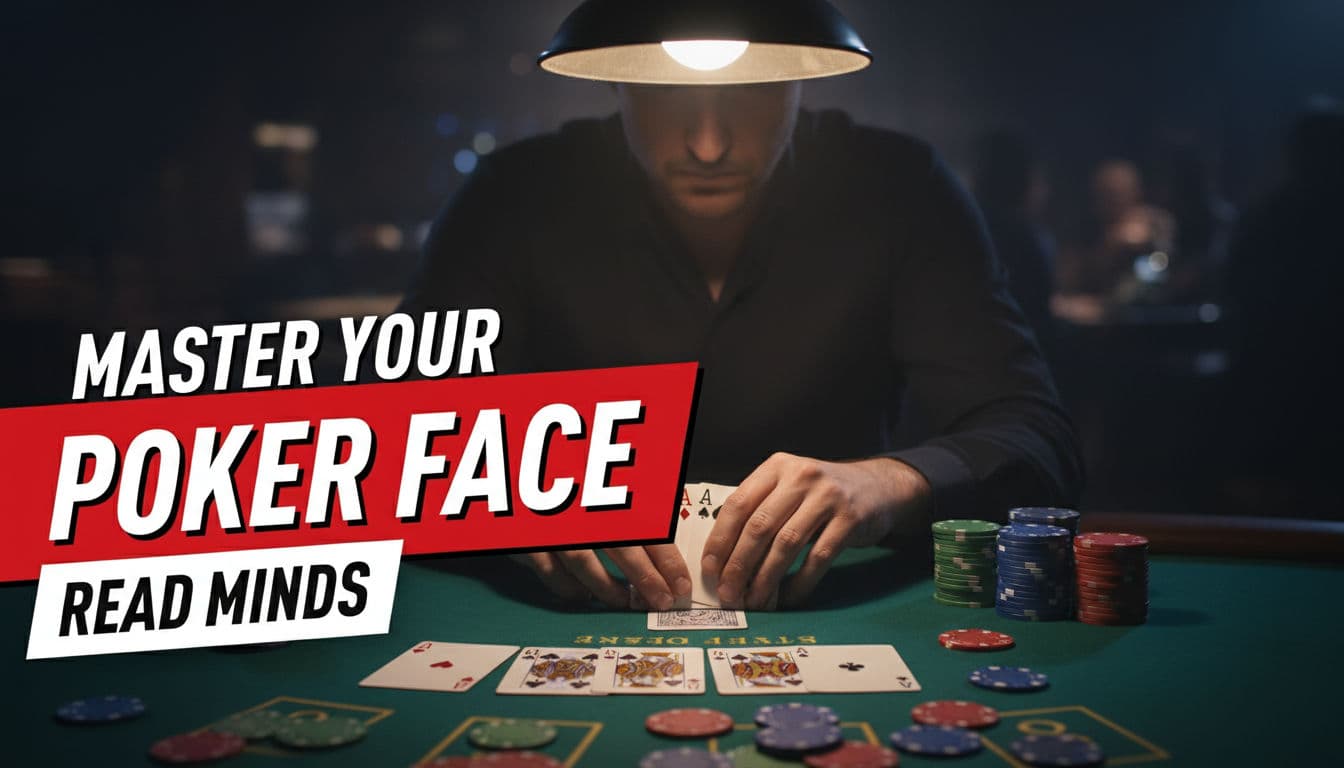
The term 'poker face' is universally recognized, often simplifying a complex psychological and strategic maneuver into mere expressionlessness. However, mastering a true poker face transcends a blank stare; it's a sophisticated art of emotional control, calculated deception, and subtle misdirection designed to gain an invaluable edge in competitive scenarios. From the felt of a high-stakes poker table to the boardroom of a critical business negotiation, the ability to conceal your true sentiments and intentions can be the difference between victory and defeat.
This expert guide delves beyond the colloquial understanding, exploring the intricate psychology behind the poker face, practical techniques for its cultivation, and its broader applications in real-world interactions. We will dissect how to control your tells, understand the nuances of non-verbal communication, and even how to interpret the 'poker faces' of others to gain a strategic advantage. Prepare to elevate your game, whether at the card table or in the intricate game of life.
What Exactly Constitutes a True Poker Face?
At its core, the poker face meaning refers to a deliberate absence of expressions, gestures, or vocal inflections that could betray one's true thoughts, feelings, or intentions. However, it's not simply about avoiding emotion; it's about actively projecting a neutral or even misleading demeanor. A truly effective poker face isn't just blank; it's consistent, unreadable, and devoid of micro-expressions - fleeting, involuntary facial expressions that last only a fraction of a second and reveal genuine emotion.
Understanding how to poker face effectively involves a deep dive into the psychology of poker. This mental discipline serves to deny opponents crucial information, forcing them to make decisions based on incomplete data or, even better, misinterpretations.
The Psychological Imperative of Emotional Concealment
In high-pressure situations, human beings naturally exhibit physiological responses to stress, excitement, or disappointment. These involuntary reactions manifest as "tells"-subtle changes in breathing, eye movements, or shifts in posture. Mastering poker strategy emotional control aims to suppress these innate responses, creating a psychological barrier that prevents adversaries from exploiting emotional leakage.
By refining your body language poker skills, you transform uncertainty into a weapon. This fosters doubt and second-guessing in those attempting to read your hand, as you replace predictable reactions with a calm, imperturbable exterior.
Mastering the Art: Developing Your Imperturbable Demeanor
Cultivating an effective poker face requires conscious effort and practice. It is a skill that improves over time with self-awareness and disciplined control over one's physical and emotional responses.
Controlling Micro-Expressions and Facial Muscles
Practice in a Mirror: Observe your face for involuntary twitches, eyebrow raises, or lip movements when experiencing different emotions.
Maintain Neutrality: Consciously relax your facial muscles, striving for a serene, unwavering expression. Avoid tension in the jaw or forehead.
Eye Control: Your eyes are often the most telling feature. Practice maintaining a calm, steady gaze without darting movements or excessive blinking when under pressure.
Body Language and Posture
Your entire body communicates, not just your face. An effective poker face extends to your overall physicality, ensuring your nonverbal cues remain consistent.
Consistent Posture: Adopt a comfortable, slightly relaxed yet upright posture and maintain it regardless of the situation. Avoid slouching when you're bluffing or leaning forward excitedly when you have a strong hand.
Controlled Movements: Minimize fidgeting, tapping, or restless movements. Each movement can be a potential tell.
Arm and Hand Placement: Keep hands in a neutral position, perhaps clasped lightly or resting calmly on the table. Avoid covering your mouth or anxiously rubbing your neck.
Beyond the Table: The Poker Face Meaning in Everyday Life
The utility of a poker face extends far beyond casino walls. It's a powerful asset in various real-world scenarios where negotiation body language can determine the outcome.
Business Negotiations: Concealing your eagerness for a deal or your desperation for a concession can significantly strengthen your bargaining position.
Job Interviews: Maintaining composure and confidence, even when facing challenging questions, projects an image of capability and resilience.
Social Interactions: In complex social dynamics, a poker face can help you navigate awkward situations, avoid revealing vulnerabilities, or maintain discretion.
The Counter-Strategy: Reading Your Opponent's Face
Just as you develop your own discipline, reading poker tells in others is equally crucial. While some may master emotional suppression, micro-expressions, and subtle physical changes often escape conscious control.
Common Nonverbal Cues to Look For:
Eye Movement: Darting eyes may indicate anxiety or deception. A prolonged stare could be an attempt to project strength, often a bluff.
Breathing Patterns: Rapid, shallow breathing or holding breath can signal tension or excitement.
Hand Gestures: Fidgeting hands, clenching fists, or sudden relaxation can all betray true feelings.
Changes in Routine: A sudden shift in an opponent's usual habits or demeanor can be a significant tell.
Conclusion: Is a Poker Face Always Necessary?
While invaluable, a poker face isn't a one-size-fits-all solution. Sometimes, feigning a specific emotion - a sigh of resignation, a frustrated glance, or even a nervous laugh - can be an effective form of misdirection. This deliberately misleads opponents into thinking you are weak when you are strong, or vice-versa.
The true master knows that the poker face meaning isn't just about hiding emotions, but about strategically managing the information you project. By balancing a blank slate with calculated displays of emotion, you achieve a professional level of psychological dominance.
| Pros | Cons |
|---|---|
Effectively hides your true hand, thoughts, and emotional state, preventing opponents from gaining exploitable information. | Maintaining a consistent poker face demands significant mental effort and can be exhausting, especially during long periods. |
Forces opponents to make decisions with less information, leading to confusion and potential misjudgments on their part. | A completely blank expression can sometimes be seen as aggressive or disinterested, potentially impacting social interactions negatively. |
Allows for more effective bluffing and strategic maneuvering without fear of immediately giving away your position. | Trying too hard to be expressionless can lead to an unnatural or tense look, which itself can become a 'tell'. |
Projecting an unreadable demeanor can inadvertently boost your own confidence and mental fortitude in competitive settings. | Suppresses natural human expressions, which, in some contexts, can hinder genuine connection or effective communication. |
Related Poker Terms
Best Online Poker Bonus Codes


About the Editor

Bence Mitykó is a Somuchpoker poker writer, covering poker news and strategy. He spent four years playing poker professionally, primarily focusing on Heads-Up Sit & Go games, experience that continues to shape his understanding of poker strategy, online poker dynamics, and the wider poker industry.


