

Proposing Bets

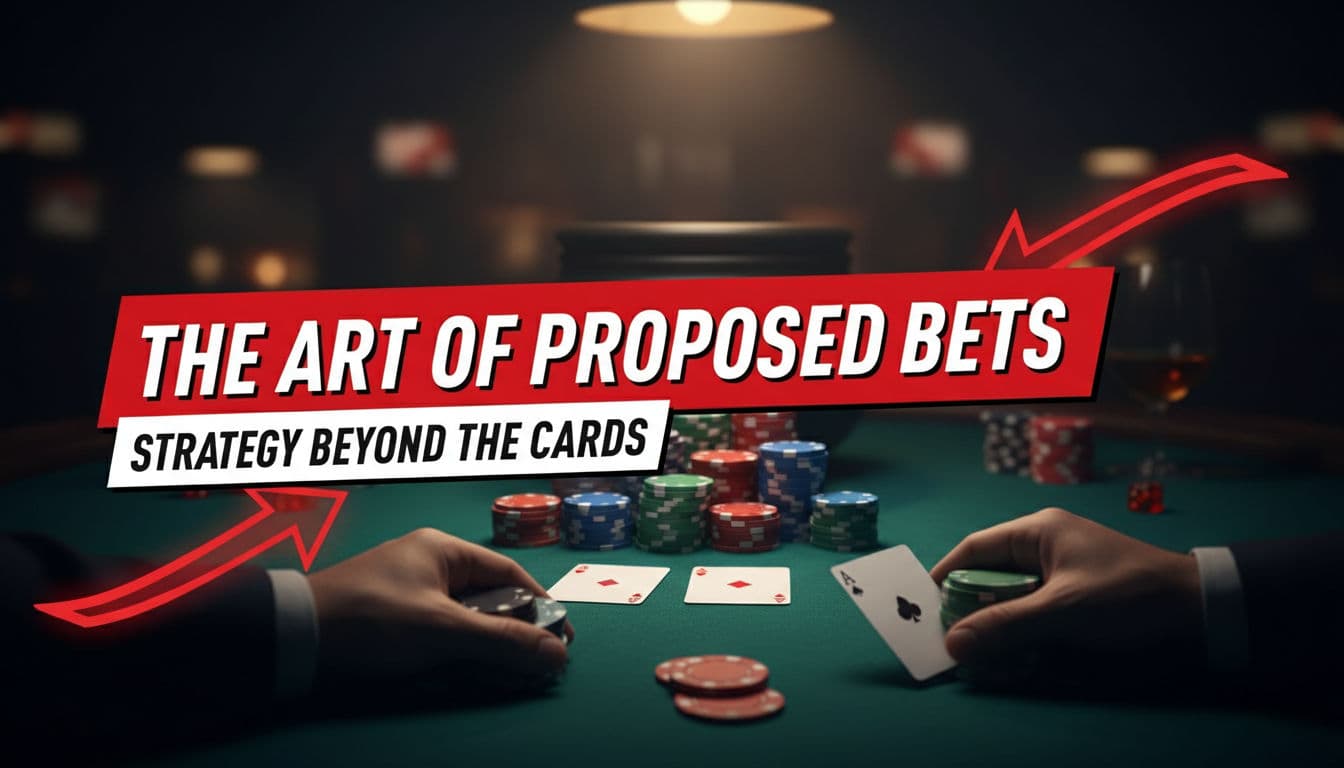
In the intricate world of poker, where skill, luck, and psychology intertwine, the concept of 'proposing bets' adds another fascinating dimension. Far from being simple distractions, these side wagers, made between individual players and entirely independent of the main hand's outcome, can significantly influence the dynamic at the table. Understanding and strategically utilizing (or avoiding) these ancillary bets is a hallmark of a truly seasoned player. They represent a unique blend of strategic opportunity, psychological warfare, and often, a source of additional thrill.
The Art of Proposing Bets Poker Players Use for Profit
In high-stakes environments and home games alike, proposing bets poker enthusiasts engage in - often called "prop bets" - adds a layer of complexity and fun to the table. At its core, a proposed bet is a distinct wager that operates outside the traditional structure of the poker game. While the primary objective remains to win chips from the pot, these poker side bets allow players to stake money on a myriad of other outcomes, from the color of the next card to specific board textures.
These bets are typically informal and rely heavily on mutual agreement and trust between the parties involved. Unlike the casino-regulated main game, proposed bets are a gentleman's (or gentlewoman's) agreement, often settled on the spot. This independence from the house rules is precisely what gives them their unique flavor and allows for boundless creativity in their formulation.
Strategic Imperatives: Leveraging Side Wagers
For the discerning poker player, proposing bets are more than just a way to alleviate boredom; they can be powerful strategic tools. They offer avenues to:
Gauge Opponent Psychology: A player's willingness to engage in or their reaction to a proposed bet can reveal aspects of their risk tolerance, their current emotional state, or even provide a 'tell' about their main hand. Are they confidently taking a high-risk prop bet, suggesting they feel invincible? Or are they meticulously avoiding any extra risk, perhaps indicating a tight, marginal hand?
Manipulate Table Image: By initiating certain types of poker side bets, players can consciously project an image. A player frequently offering outlandish props might be perceived as loose and carefree, potentially enticing others to play looser against them in the main game. Conversely, a refusal to engage might underscore a disciplined, conservative approach.
Extract Additional Value: If a player consistently identifies profitable side bet opportunities against weaker opponents, these ancillary wagers can significantly boost their overall hourly win rate, independent of their success in the primary game. This requires a keen eye for odds and an understanding of opponent biases.
Break Monotony and Control Tempo: In long sessions, poker side bets can inject energy, maintain focus, and even subtly shift the table's tempo. A well-timed, engaging prop bet can momentarily break tension or bring a lull to a high-octane environment.
Commonplace Examples of Proposed Bets
While the possibilities are endless, some common examples include:
'Dark' or 'Blind' Bets: Betting on the outcome of a hand before seeing any of your hole cards, or even before the flop.
Specific Card Outcomes: Wagers on the next card dealt being a certain suit, rank, or a combination thereof.
Player Performance Bets: Betting on who will be the next player to be eliminated, who will show a bluff, or who will make a specific hand.
Run-it-Twice/Thrice Side Bets: While 'run it twice' is common, poker side bets can be made on the outcome of each run.
Etiquette and Avoiding Pitfalls
While strategically potent, proposed bets demand adherence to unspoken rules to prevent disputes and maintain a harmonious game. Key considerations include:
Clear Communication: Before any money changes hands, both parties must explicitly agree on the terms, stakes, and settlement conditions of the bet. Ambiguity is the enemy.
Respecting the Main Game: Side bets should never overshadow or delay the progress of the primary poker game . They are supplementary, not central.
Understanding Table/Casino Rules: While informal, some casinos or home games might have specific stances on side betting. It's wise to be aware of any explicit prohibitions, though most casual side action is tolerated.
Prompt Settlement: Once the condition of the bet is met, the losing party should settle immediately and gracefully. Integrity in these small wagers builds trust and makes future interactions smoother.
In conclusion, proposing bets is an art form within the art of poker. It's a testament to the game's depth, offering savvy players an additional canvas for strategy, psychology, and profit. Approach them with an analytical mind, a clear understanding of the risks, and a commitment to fair play, and they can significantly enrich your poker experience.
| Pros | Cons |
|---|---|
Side bets inject additional thrill and novelty into the game, especially during slower periods, keeping players engaged and entertained. | Like any form of gambling, side bets carry inherent financial risk. Poor judgment or excessive engagement can lead to significant losses that compound main game outcomes. |
Observing how opponents engage with proposed bets can offer valuable psychological tells about their risk tolerance, confidence, or current emotional state, aiding main game decisions. | Over-focusing on side bets can divert attention and mental energy from critical decisions in the primary poker hand, potentially leading to errors and missed opportunities. |
For sharp players, identifying and executing profitable side bets against less astute opponents can create an additional income stream independent of the main pot. | Given their informal nature, ambiguities in proposed bet terms can easily lead to disagreements, arguments, and an uncomfortable table atmosphere if not clearly defined and mutually understood. |
Related Poker Terms
6-Max
9-Max (Full Ring)
A-Game
ABC Poker
Bankroll
Bet Size
Bet Sizing
Blocker
Bluff
Bluff Catcher
Board
Bubble Factor
Button
Call
Check-Call
Check-fold
Check-Raise
Click-Back
Donkament
Double Barrel
First in
Gap Concept
GTO
Gutshot
Hot Streak
HUD
Image
Insta-Call
Isolation
Kicker
Leak
Limp
Limp-Fold
Limp-Raise
Middle Pair
Min-raise
Monotone
Monster
Multi-Way Pot
Nit
Nuts
One-Way Straight
Online Poker
Online Poker Strategies
Open Limp
Out of Line
Over the top
Over-Limp
Overblind
Overcall
Overcard
Overpair
Pat
Peel
Play Behind
Polarized
Pot Control
Potting Out
Preflop
Premium Hands
Probe Bet
Proposing Bets
Push or Fold
Put Down
Quads
Quartered
Quitting Time
Quorum
Ragged
Range
Range Advantage
Razz
Reverse Implied Odds
Rolled Up
Royal Flush
Runner Runner
Running Good
Sandbagging
Satellite
Sit and Go (SNG)
Slow Play
Smooth Call
Snap Call
Snapped Off
Soft Seat
Solid
Steal
Suited
Suited Gappers
Tank
Total air
Trap
Two-Gapper
Under the Gun (UTG)
Underpair
Value
Value Bet
Villain
Weak Ace
Window Card
Best Online Poker Bonus Codes


About the Editor

Bence Mitykó is a Somuchpoker poker writer, covering poker news and strategy. He spent four years playing poker professionally, primarily focusing on Heads-Up Sit & Go games, experience that continues to shape his understanding of poker strategy, online poker dynamics, and the wider poker industry.


