Tied On

Understanding 'Tied On': More Than Just a Strong Hand
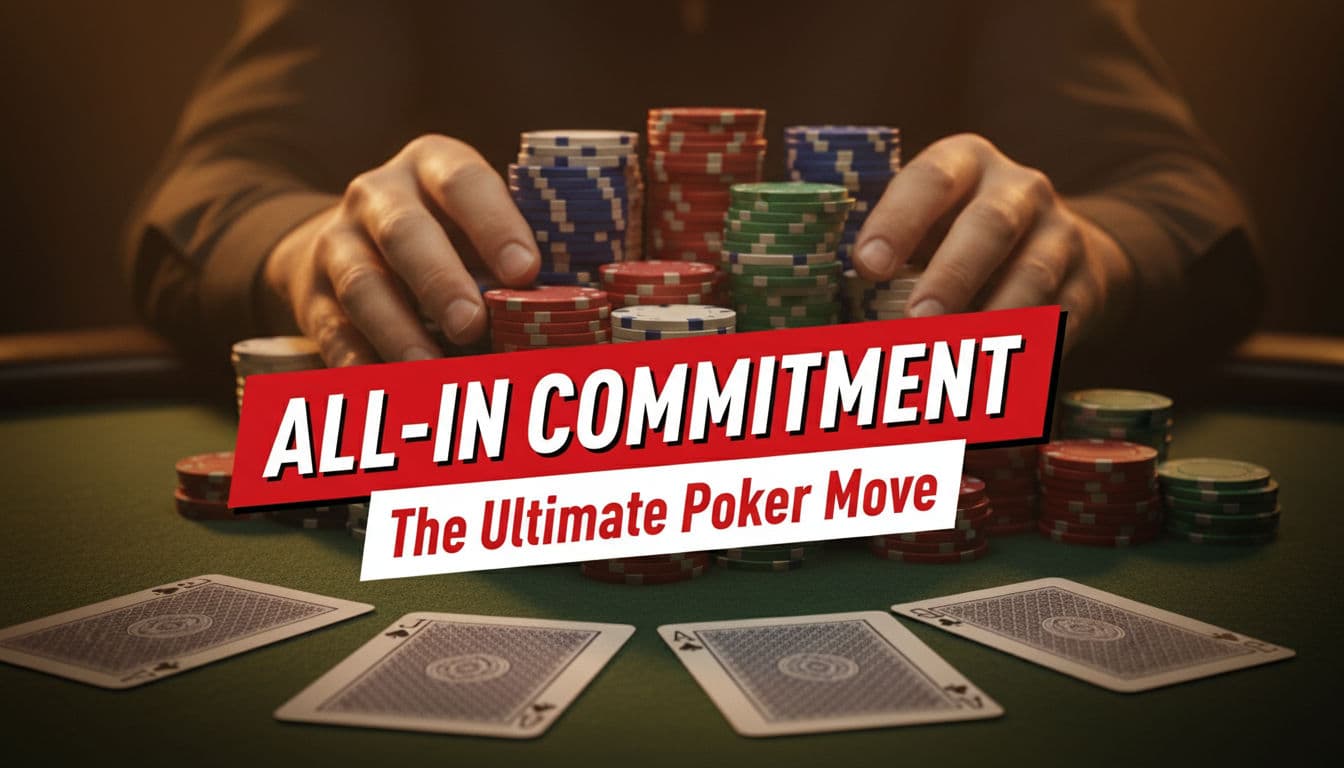
In the complex world of poker, understanding nuanced terminology can significantly elevate one's game. Among these, the term 'Tied On' stands out, not merely describing a strong hand, but signifying a profound strategic commitment. It represents a state where a player has assessed their hand as so formidable, or their investment in the pot so substantial, that they intend to play it through to the very end, regardless of future action or scare cards. This isn't just about holding aces; it's about the conviction and strategic resolve to see the showdown.
This analytical exploration delves into the multifaceted concept of being 'Tied On,' dissecting its strategic underpinnings, the psychological factors involved, and practical applications at the poker table. We'll uncover how to accurately identify such hands, execute optimal plays, and avoid common pitfalls associated with misjudging commitment.
What Does 'Tied On Poker' Mean?
The term 'Tied On poker' refers to a poker hand that a player deems strong enough, or to which they have committed enough resources, to warrant seeing all subsequent streets and ultimately reaching the showdown. It implies a firm decision to continue betting, raising, and calling, rather than folding, because the perceived equity of the hand justifies the investment. This commitment stems from a robust assessment of hand strength, pot odds, implied odds, and an understanding of opponent tendencies.
The Strategic Underpinnings of Being Tied On
In real-money environments, understanding when you are tied on becomes even more critical. Tournament structures, stack depths, and payout pressure amplify the cost of incorrect commitment decisions. Playing in well-structured games with clear rules and reliable platforms allows players to apply tied-on advanced poker concepts accurately, without distractions caused by unclear betting mechanics or poor game flow. Being Tied On transcends simply having a good hand; it's a strategic declaration. It involves:
Player Mindset and Conviction: A psychological readiness to commit chips and see the hand through, accepting the variance.
Financial Commitment: A significant portion of one's stack, or a large percentage of the pot, has often already been invested, making folding an unpalatable option due to 'pot commitment.'
Advanced Hand Strength Assessment: This isn't just about starting hand strength but about the cumulative strength derived from board texture, potential draws, and blocking effects.
Equity Realization: The confidence that, given the current board and potential developments, your hand has sufficient equity to win at showdown, making further investment mathematically sound.
Identifying a Truly Tied On Poker Hand
Distinguishing a genuinely Tied On poker hand from merely a strong or speculative one is crucial. Key indicators include:
Premium Made Hands: Holding the absolute nuts or a very strong second nuts on a given street (e.g., a flopped nut straight, a set that becomes a full house on the turn).
Strong Drawing Hands with High Equity: Combo draws (flush draw + straight draw) on the flop or turn, especially with overcards, where the pot offers excellent implied odds and numerous outs.
Overpairs on Dry Boards: Pocket aces or kings on a flop with no immediate threats (e.g., A♠A♣ on 7♦3♣2♥).
Situational Factors: Short-stacked play where almost any pair or strong draw can lead to commitment; or deep-stacked scenarios where an investment early in the hand dictates continuation due to the pot size.

Executing Plays with a Tied On Poker Hand
Once'Tied On, strategic execution becomes paramount:
Aggression is Key: Generally, you want to build the pot and charge opponents to see future cards. This protects your equity and maximizes value.
Value Betting: Consistently bet for value, but be mindful of opponent stack sizes and betting patterns. Your aim is to extract maximum chips without scaring them away prematurely.
Reading Opponents: Even when committed, observe opponent sizing, timing tells, and reactions to your bets. This can offer crucial information on their relative hand strength.
Board Awareness: Always be aware of potential scare cards. While 'Tied On' implies conviction, a disastrous river card (e.g., a fourth flush card when you hold a set) might necessitate a re-evaluation, however painful.
Common Misconceptions and Pitfalls
Mistakes when dealing with Tied On poker hands often stem from misjudgment:
Misidentifying Hand Strength: Believing a mediocre hand is strong enough to commit to, leading to costly losses.
Ignoring Board Developments: Failing to adapt when the board changes drastically, eroding your hand's equity.
Emotional Commitment: Getting Tied On due to stubbornness or a desire to not be bluffed, rather than sound strategic reasoning.
Over-committing with Insufficient Equity: Becoming pot-committed simply because the pot is large, not because your hand warrants it, is a significant leak.
Ultimately, being Tied On is a calculated risk based on a comprehensive assessment of the poker landscape. It's about knowing when to confidently put your chips in the middle and stand by your decision, recognizing that even the strongest hands can sometimes fall short.
| Pros | Cons |
|---|---|
Playing a 'Tied On' hand aggressively allows you to build a larger pot and extract maximum value from opponents who might be drawing or holding weaker hands. | Even a 'Tied On' hand can lose to worse hands getting lucky. The commitment means you're absorbing full variance of the hand, which can be financially impactful. |
Once committed, the decision-making process becomes simpler: focus on optimal bet sizing and reading opponents, rather than agonizing over folding or continuing. | Misjudging your hand strength or the opponent's range can lead to being 'Tied On' with a hand that is no longer the best, resulting in significant losses. |
Aggressive play with a strong hand can prevent opponents from drawing out cheaply or force them to fold better hands they might be playing cautiously. | A 'Tied On' hand, while strong, can still be vulnerable to bad run-outs, where scare cards complete unlikely draws for opponents or diminish your hand's relative strength. |
Related Poker Terms
6-Max
A-Game
ABC Poker
Bankroll
Bet Size
Bet Sizing
Blocker
Bluff
Bluff Catcher
Board
Bubble Factor
Button
Call
Check-Call
Check-fold
Check-Raise
Double Barrel
First in
Gap Concept
GTO
Gutshot
Hot Streak
HUD
Image
Isolation
Kicker
Leak
Limp
Limp-Fold
Limp-Raise
Middle Pair
Min-raise
Monster
Multi-Way Pot
Nit
Nuts
One-Way Straight
Online Poker
Open Limp
Out of Line
Over the top
Overblind
Overcall
Overcard
Overpair
Pat
Peel
Play Behind
Polarized
Potting Out
Preflop
Premium Hands
Probe Bet
Proposing Bets
Push or Fold
Put Down
Quads
Quartered
Quitting Time
Quorum
Ragged
Range
Razz
Reverse Implied Odds
Rolled Up
Royal Flush
Runner Runner
Running Good
Sandbagging
Satellite
Semi-Bluff
Set a Trap
Set Mining
Shark
Shoot-out
Short Stack
Shove
Showdown Value
Sit and Go (SNG)
Slow Play
Smooth Call
Snap Call
Snapped Off
Soft Seat
Solid
Splitting Openers
Steal
Suited
Suited Gappers
Tank
Total air
Trap
Two-Gapper
Under the Gun (UTG)
Underpair
Value
Value Bet
Villain
Weak Ace
Window Card
Best Online Poker Bonus Codes


Bence Mitykó is SoMuchPoker's Poker Content Writer, covering poker strategy grounded in his own experience as a former professional player. He learned card games from his father as a child, discovered poker during the boom years, and later spent four years playing professionally, focused mainly on Heads-Up Sit and Go tournaments, before moving into full time writing.