

A7: Ace-Seven

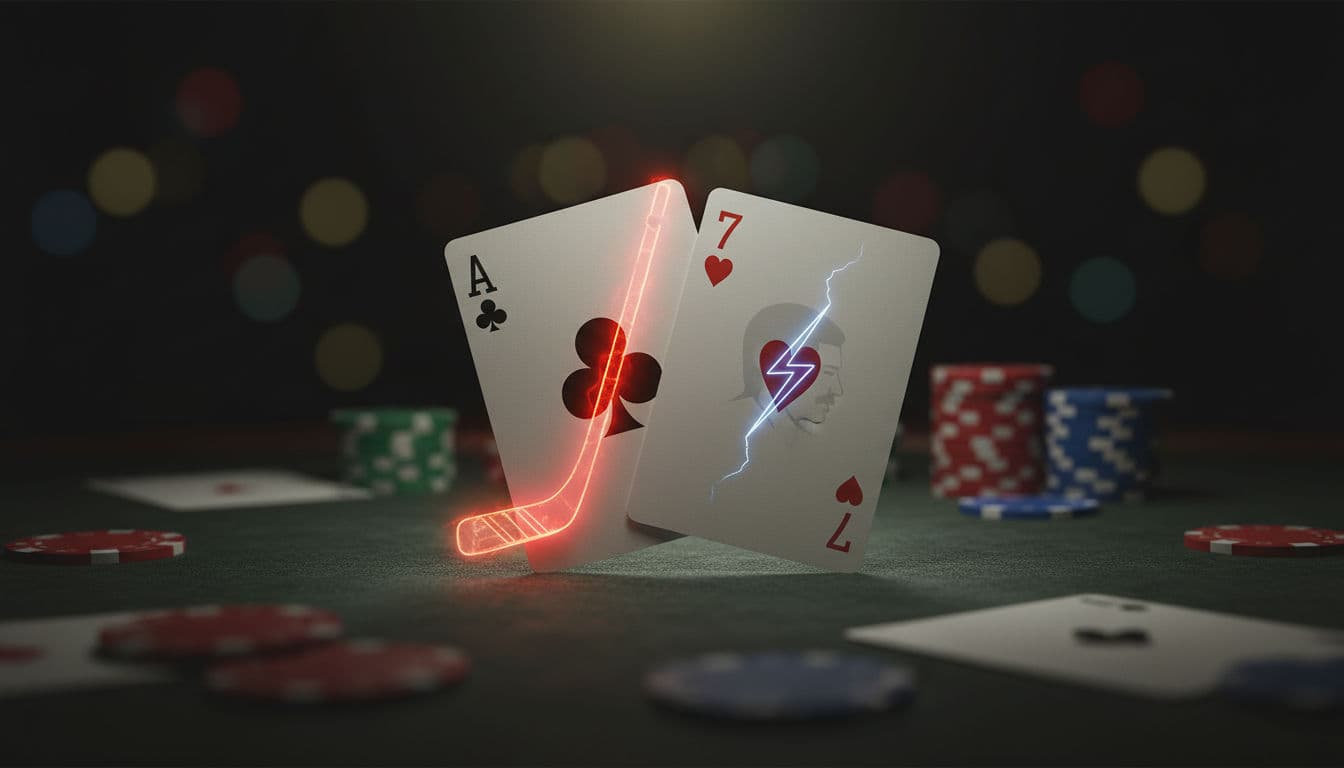
The poker world is rich with colorful terminology, especially when it comes to hand nicknames. While iconic hands like 'Pocket Rockets' (AA) or 'Big Slick' (AK) are instantly recognizable, many lesser-known starting hands also carry intriguing monikers, often born from historical events, visual associations, or memorable plays. One such hand is Ace-Seven, or A7. Often considered a marginal hand, A7’s true nature and strategic utility are frequently misunderstood. This comprehensive guide will delve into the captivating origins of A7's most famous nicknames, 'Slapshot' and 'The Sonnert', while providing an expert analysis of how to approach this hand with precision and profitability in various Texas Hold'em scenarios.
Understanding not just what a hand is called, but why, offers a deeper appreciation for poker's cultural tapestry. More importantly, a nuanced grasp of hands like A7, often dismissed by novices, can unlock significant strategic advantages for the discerning player. Join us as we explore the lore and the logic behind Ace-Seven, transforming a seemingly ordinary starting hand into a potential weapon in your poker arsenal.
Unpacking the A7 Poker Hand
In the vast landscape of Texas Hold'em Poker starting hands, Ace-Seven (A7) occupies a peculiar position. It's an "Ace-x" hand, giving it some inherent strength due to the presence of an Ace, but the kicker (the Seven) is often too low to make it a premium hand. Yet, despite its often-marginal reputation, A7 has garnered some memorable nicknames, each telling a story or offering a unique perspective on the hand's potential.
The 'Slapshot' Origin: A Hockey Analogy
One of the most widely recognized Ace seven nicknames is 'Slapshot'. This moniker draws its inspiration directly from the imagery of the cards themselves, fused with a popular sport. The origin stems from two distinct visual associations:
Sevens as 'Hockey Sticks': In poker lore, the numeral '7' is often likened to a hockey stick, particularly when viewing its shape. This visual cue is a common, albeit informal, way players remember the card.
Aces as 'Bullets': The Ace, especially in pre-flop play, is frequently referred to as a 'bullet' due to its powerful, high-ranking nature, capable of delivering a knockout blow.
Combining these two visual metaphors, 'Slapshot' emerges as a fitting nickname for the A7 poker hand. A slapshot in hockey is a powerful, often decisive shot, much like an Ace can be a decisive card. This nickname highlights the potential aggressive play that A7 might inspire, particularly when the Ace connects with the board. While not always a powerhouse, the name 'Slapshot' injects a sense of action and aggressive potential into this often-underestimated hand.
'The Sonnert': A Tribute to Tournament Success
Beyond visual metaphors, some poker hand nicknames are forged in the crucible of high-stakes tournaments, immortalizing players who achieved remarkable feats with specific holdings. 'The Sonnert' is one such nickname for Ace-Seven, named in honor of Swedish poker player Bengt Sonnert.
Bengt Sonnert earned this distinction during the World Series of Poker Europe (WSOPE) in 2008. Sonnert, a respected figure in the European poker circuit, demonstrated exceptional skill and unexpected success repeatedly playing and winning crucial pots with Ace-Seven. His memorable run, punctuated by key plays with this particular hand, solidified its association with his name. 'The Sonnert' serves as a reminder that even hands considered mediocre can be wielded with devastating effect by skilled players who understand their strategic nuances and are willing to take calculated risks.
This nickname adds a layer of prestige and historical context to A7, showcasing that its utility extends beyond simple card ranking into the realm of professional play and memorable moments.
If you’re looking to start your own championship journey, GGPoker offers exclusive satellites to the WSOP, giving you the chance to master hands like the A7 poker hand on the world's biggest stage.
Strategic Imperatives: Playing A7 in Texas Hold'em
While nicknames add flavor, the true value of A7 lies in its strategic potential. A7 is generally considered a "medium-strength" or "speculative" hand. Its playability varies significantly depending on whether it's suited (A7s) or offsuit (A7o), your position at the table, and the actions of your opponents.
Pre-flop Considerations: Position is Paramount
Early Position (UTG, UTG+1): Playing A7 from early position is generally ill-advised, especially offsuit. You'll often be out of position for the remainder of the hand, facing potential raises from stronger hands. It's a prime candidate for folding.
Middle Position (MP, Lojack, Hijack): Playing A7 suited (A7s) can be a marginal open-raise if the table is tight, offering flush and straight potential. A7 offsuit (A7o) is still a fold or, at best, a very speculative call against a single limper if you're looking to hit an Ace or a specific two-pair combination.
Late Position (Cutoff, Button): This is where A7 gains significant value. From late position, you have the advantage of seeing how opponents act before you. A7s can be a profitable open-raise, or a call against a single raise, especially if you anticipate having position post-flop. A7o can also be an open-raise, albeit with more caution, or a profitable call against a single raise if the pot odds are good and you believe you have implied odds to make a strong hand (top pair with a decent kicker, or two pair).
Blinds: From the Small Blind, A7s might be a candidate for a squeeze play or a call if the pot is multi-way and cheap. A7o is almost always a fold unless you're completing a very small raise from the Big Blind into a limped pot.
Post-flop Dynamics: Leveraging Draws and Top Pair
Once the flop hits, your strategy with A7 revolves around its potential and the board texture:
Hitting an Ace (Top Pair, Weak Kicker): If you hit an Ace, you have top pair. However, your seven kicker is vulnerable. Be cautious on multi-way pots or against aggressive players. Be prepared to fold if facing significant action, especially on boards with many straight or flush possibilities. Bet for value but be mindful of getting outkicked by Ax hands with a better kicker (AT, AJ, AQ, AK).
Flush Draws (A7s): With A7s, hitting a flush draw is a strong outcome. Pursue these draws aggressively when appropriate, using semi-bluffs or calls with good pot odds. Remember that your Ace also gives you the nut flush draw potential.
Straight Draws: A7 can hit an open-ended straight draw (e.g., on a 4-5-6 board) or a gutshot (e.g., on a 3-4-5 or 8-9-T board). These are speculative but can be valuable, especially if you have position.
Two Pair / Trips: Rarely, you might flop two pair (A-7-x) or trips (A-A-x or 7-7-x). These are strong hands, but the board texture will dictate how aggressively you can play them.
Common Pitfalls and How to Avoid Them
The primary pitfall with the A7 poker hand is overplaying its top-pair potential when the Ace hits. Many newer players see an Ace on the flop and assume they have the best hand, only to lose a significant portion of their stack to an opponent holding an Ace with a better kicker. Another mistake is chasing weak draws out of position or without sufficient pot odds.
The expert player understands that A7 is a hand of controlled aggression and careful evaluation. It thrives when played in position, leveraging its modest equity and drawing potential. It's a hand that benefits from strong post-flop play, careful pot control, and disciplined folding when faced with strong resistance.
Conclusion: More Than Just an "Ace-Rag"
Ace-Seven, whether known as 'Slapshot' or 'The Sonnert', is more than just another "ace-rag" hand. In Texas Hold'em A7 is often categorized as one of the most challenging marginal poker hands, yet its nicknames imbue it with character and historical significance. While its strategic profile demands a nuanced approach, understanding its strengths and weaknesses allows it to be played judiciously. By placing an emphasis on position and board texture, the A7 poker hand can become a deceptively powerful tool. Mastering the play of marginal hands like this is a hallmark of an advanced poker player, demonstrating a deep comprehension that goes far beyond simply waiting for premium starting hands.
| Pros | Cons |
|---|---|
Hitting an Ace on the flop gives you top pair, which can be a strong hand in many situations, especially heads-up. | If an Ace flops, your 7 kicker is often dominated by other Ax hands (AT, AJ, AQ, AK), leading to potential costly losses. |
When suited, A7s offers the potential for the nut flush, a very powerful hand that can win large pots. | The straight draws with A7 are typically gutshots or low-end straights, which are less likely to hit and often lose to higher straights. |
When played in position, A7 can have good implied odds, allowing you to win a big pot if you hit a very strong hand (e.g., nut flush, trips, or two pair). | Playing A7 from early or middle position, especially offsuit, puts you at a significant disadvantage, making post-flop decisions challenging and expensive. |
Because of its weak kicker, A7 can often hit a hand (like top pair) that is second-best, leading you to commit chips to a losing cause. |
Related Poker Terms
22233
33: Treys
3322
36TJK
4444
5432A
555
666
76: Seven-Six
77: Pocket Sevens
84: Eight-Four
85: Eight-Five
86: Eight-Six
87: Eight-Seven
88: Pocket Eights
93: Nine-Three
95: Nine-Five
96: Nine-Six
98: Nine-Eight
99: Pocket Nines
A2: Ace-Deuce
A3: Ace-Three
A3A6
A4: Ace-Four
A5: Ace-Five
A6: Ace-Six
A7: Ace-Seven
A8: Ace-Eight
A9: Ace-Nine
AA: Pocket Aces
AA88: Dead Man's Hand
AAA
AAAA
AAAAK
AAJJ
AJ: Ace-Jack
AK47
AKo (Ace-King Offsuit)
AKs: Ace-King Suited
AQ: Ace-Queen
AT: Ace-Ten
J8: Jack-Eight
J9: Jack-Nine
JA55
JJ: Pocket Jacks
JT: Jack-Ten
K3: King-Three
K4: King-Four
K5: King-Five
K6: King-Six
K7: King-Seven
K8: King-Eight
K9: King-Nine
KJ: King-Jack
KK: Pocket Kings
KKKAA
KKKK
KKKQQ
KKQQ
KQ: King-Queen
KQJT9
KT: King-Ten
Offsuit
Q7: Queen-Seven
Q9: Queen-Nine
QJ: Queen-Jack
QQ: Pocket Queens
QQQQ
QT: Queen-Ten
Starting Hand
Steel Wheel
Suited Connectors
T2: Ten-Deuce
T8: Ten-Eight
T9: Ten-Nine
TT: Pocket Tens
TTT: Trip Tens
Best Online Poker Bonus Codes


About the Editor

Bence Mitykó is a Somuchpoker poker writer, covering poker news and strategy. He spent four years playing poker professionally, primarily focusing on Heads-Up Sit & Go games, experience that continues to shape his understanding of poker strategy, online poker dynamics, and the wider poker industry.


