

KJ: King-Jack

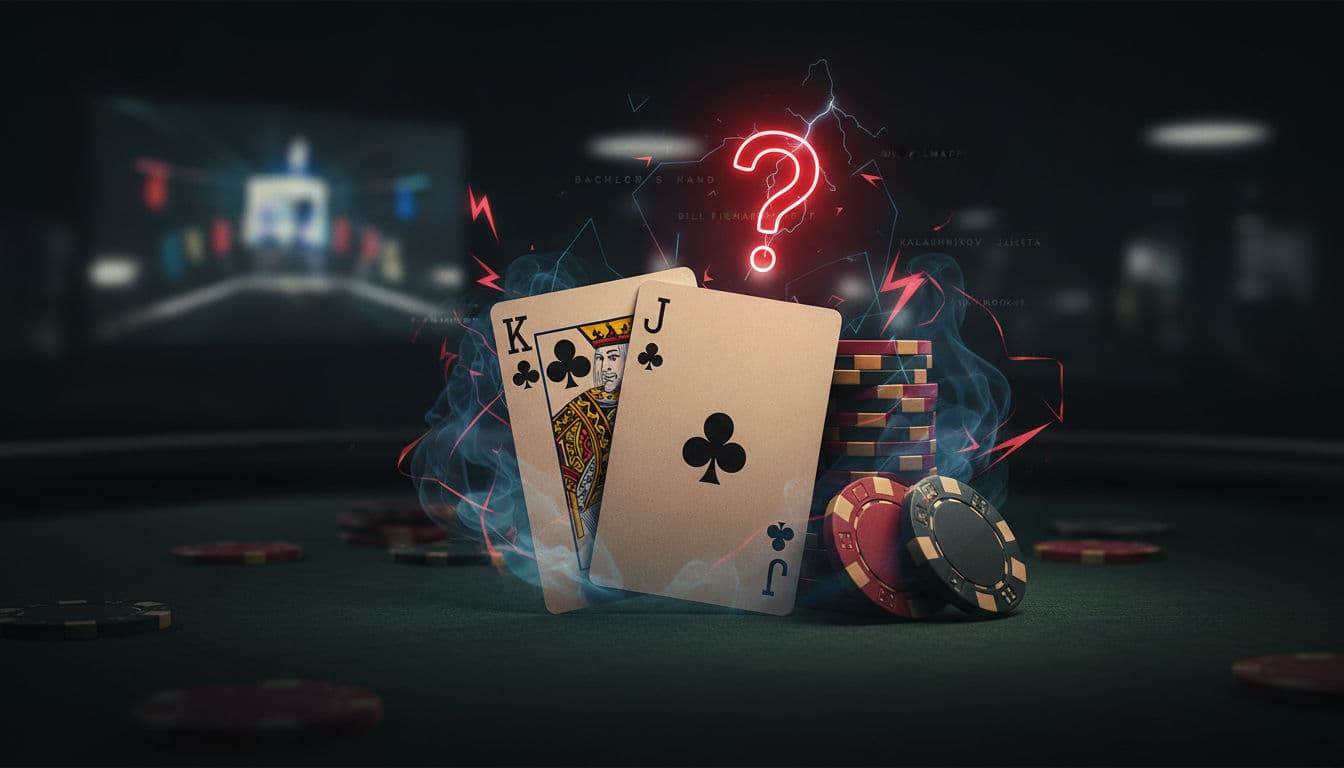
The King-Jack (KJ) is a poker hand that frequently sparks debate among players. While appearing strong at first glance, its offsuit variant can be deceptively tricky, leading to both triumph and frustration. Beyond its raw statistical value, KJ has accumulated a rich tapestry of colorful nicknames, each often reflecting a specific facet of its playability, history, or cultural impact within the poker community. This expert analysis delves into these intriguing monikers, dissecting their origins and offering strategic insights into how to best approach the enigmatic King-Jack.
The Enigma of the KJ Poker Hand
The KJ poker hand, particularly when offsuit, presents a compelling paradox in No-Limit Hold'em. It's a premium-looking hand with two high cards, offering significant potential for top pair and strong kickers. However, it also carries inherent risks, often falling prey to domination by superior Broadway hands like Ace-King (AK) or Ace-Queen (AQ), or even King-Queen (KQ). Understanding these dynamics is crucial, and the diverse array of nicknames attributed to KJ serves as a testament to its complex reputation and the lessons learned by generations of poker players.
A Lexicon of King-Jack Nicknames: Origins and Implications
Bachelor's Hand Poker & Jacking Off (Offsuit)
The term "Bachelor's Hand," often paired with the more colloquial "Jacking Off" when offsuit, points to the hand's reputation as one that single players, perhaps more prone to risk, might play. The implication is that while it looks appealing, it might not always lead to a lasting commitment or a winning outcome.
Strategically, an offsuit KJ struggles to make flushes and often finds itself dominated. Playing it too loosely, especially in early position, can lead to difficult decisions post-flop, highlighting its 'bachelor' status - desirable but potentially unreliable without proper care.
Just Kidding & Joking: Textspeak Backronyms
The nicknames "Just Kidding" and "Joking" are backronyms derived from the ubiquitous textspeak "j/k." These playfully suggest that perhaps playing the KJ poker hand can sometimes feel like a joke on oneself, especially when it runs into stronger hands. It's a self-aware nod to the hand's potential for disappointment, serving as a humorous warning to avoid taking the hand too seriously or overplaying it. For seasoned players, it's a reminder of the importance of disciplined decision-making over wishful thinking.
Jackie Kennedy: Wife of JFK
The association of KJ with "Jackie Kennedy" (the wife of JFK) is a historical and cultural reference, providing an elegant and recognizable moniker. This nickname imbues the hand with a sense of class or distinction, contrasting with some of the more crude names. While not strategic, it highlights the rich tapestry of cultural references that find their way into poker terminology, making the game's lexicon more vibrant and memorable.
The Rookie: As Said by Daniel Negreanu
Attributed to poker legend Daniel Negreanu , the nickname "The Rookie" for KJ carries significant strategic weight. Negreanu's insight likely stems from the tendency of less experienced players (rookies) to play KJ too aggressively or to misinterpret its strength. It often leads to beginners being dominated by better hands. This moniker serves as an expert warning: KJ requires careful consideration and isn't a hand to be blindly chased, especially for those still learning the game's intricate nuances.
King John: KJ
The simple and regal "King John" nickname for KJ is a straightforward phonetic association, emphasizing the high-card strength of the hand. While less colorful than others, it firmly roots the hand in its basic composition, providing an easy-to-remember and classic identifier. It underscores the intrinsic value of having a King as a high card.
The Kojak Poker Hand: Mimics KJack
"Kojak," mimicking the sound of "K-Jack," is a popular nickname that also draws a connection to the '70s crime drama starring Telly Savalas, himself a poker player and WSOP participant. This nickname blends phonetic convenience with a nostalgic cultural reference, adding a layer of cool and historical depth to the hand. The association with Savalas, a known poker enthusiast, subtly lends the hand a certain old-school gravitas.
Ralph Perry: 2002 WSOP Main Event Finalist
The mention of "Ralph Perry" and his beration by Antanas Guoga (Tony G) for overplaying KJ in the 2002 World Series of Poker Main Event finalist provides a cautionary tale. This nickname is not just an identifier but a historical anecdote, serving as a powerful reminder of the potential pitfalls of misplaying KJ.
Today, fans can relive such legendary moments or create their own history on GGPoker, the official partner of the WSOP , where the same high-stakes pressure is felt in every tournament. It underscores that even skilled players can make costly errors with this hand, especially when not respecting its inherent limitations or opponent ranges. It's a strong lesson in disciplined poker strategy.
Strategic Implications of Playing King-Jack (KJ)
Beyond the colorful nicknames, the real expertise lies in understanding how to play KJ effectively. When suited, KJ gains significant equity due to flush potential, making it a stronger contender. Offsuit, however, it requires more caution.
Key Strategic Considerations:
Position is paramount: Playing KJ from late position allows you to observe opponent action before committing chips.
Beware of raises: Facing a raise from early or middle position with offsuit KJ often means you are dominated by stronger Broadway hands.
Implied Odds: If you hit a top pair (King or Jack), your kicker is strong. However, be wary of reverse implied odds if you hit a Jack and an Ace or Queen is still out there.
Texture of the Flop: A dry flop with high cards can be good, but a wet board with many straight or flush draws can be dangerous, especially if your KJ is an offsuit poker hand.
Opponent Tendencies: Against tight players, KJ becomes less appealing. Against loose-passive players, it can be a strong value bet if you hit a top pair.
Ultimately, KJ is a hand that demands respect for its potential but also a keen awareness of its vulnerabilities. The multitude of nicknames, from the playful to the cautionary, encapsulates the comprehensive experience of playing this fascinating poker hand.
| Pros | Cons |
|---|---|
Both King and Jack are strong high cards, offering good potential for top pair and a solid kicker in many situations. | Often dominated by superior Broadway hands like AK, AQ, or KQ, leading to difficult post-flop decisions and costly losses. |
When suited, KJ gains significant equity, offering both straight draws (e.g., Q-10 on the board for a gutshot) and flush draws, increasing its playability and winning potential. | When offsuit, KJ significantly loses value as it cannot make a flush, reducing its redraw possibilities and overall equity. |
Can be played deceptively, especially if you hit a good flop, as opponents might not expect you to hold such a strong hand from certain positions. | Hitting a top pair (e.g., King) on a board with an Ace can put you in a tough spot against a player holding AK or AQ, leading to reverse implied odds where you pay off a better hand. |
Offsuit KJ struggles in multi-way pots as its equity decreases with more players, making it harder to realize its potential. |
Related Poker Terms
22233
33: Treys
3322
36TJK
4444
5432A
555
666
76: Seven-Six
77: Pocket Sevens
84: Eight-Four
85: Eight-Five
86: Eight-Six
87: Eight-Seven
88: Pocket Eights
93: Nine-Three
95: Nine-Five
96: Nine-Six
98: Nine-Eight
99: Pocket Nines
A2: Ace-Deuce
A3: Ace-Three
A3A6
A4: Ace-Four
A5: Ace-Five
A6: Ace-Six
A7: Ace-Seven
A8: Ace-Eight
A9: Ace-Nine
AA: Pocket Aces
AA88: Dead Man's Hand
AAA
AAAA
AAAAK
AAJJ
AJ: Ace-Jack
AK47
AKo (Ace-King Offsuit)
AKs: Ace-King Suited
AQ: Ace-Queen
AT: Ace-Ten
J8: Jack-Eight
J9: Jack-Nine
JA55
JJ: Pocket Jacks
JT: Jack-Ten
K3: King-Three
K4: King-Four
K5: King-Five
K6: King-Six
K7: King-Seven
K8: King-Eight
K9: King-Nine
KJ: King-Jack
KK: Pocket Kings
KKKAA
KKKK
KKKQQ
KKQQ
KQ: King-Queen
KQJT9
KT: King-Ten
Offsuit
Q7: Queen-Seven
Q9: Queen-Nine
QJ: Queen-Jack
QQ: Pocket Queens
QQQQ
QT: Queen-Ten
Starting Hand
Steel Wheel
Suited Connectors
T2: Ten-Deuce
T8: Ten-Eight
T9: Ten-Nine
TT: Pocket Tens
TTT: Trip Tens
Best Online Poker Bonus Codes


About the Editor

Bence Mitykó is a Somuchpoker poker writer, covering poker news and strategy. He spent four years playing poker professionally, primarily focusing on Heads-Up Sit & Go games, experience that continues to shape his understanding of poker strategy, online poker dynamics, and the wider poker industry.


