76: Seven-Six

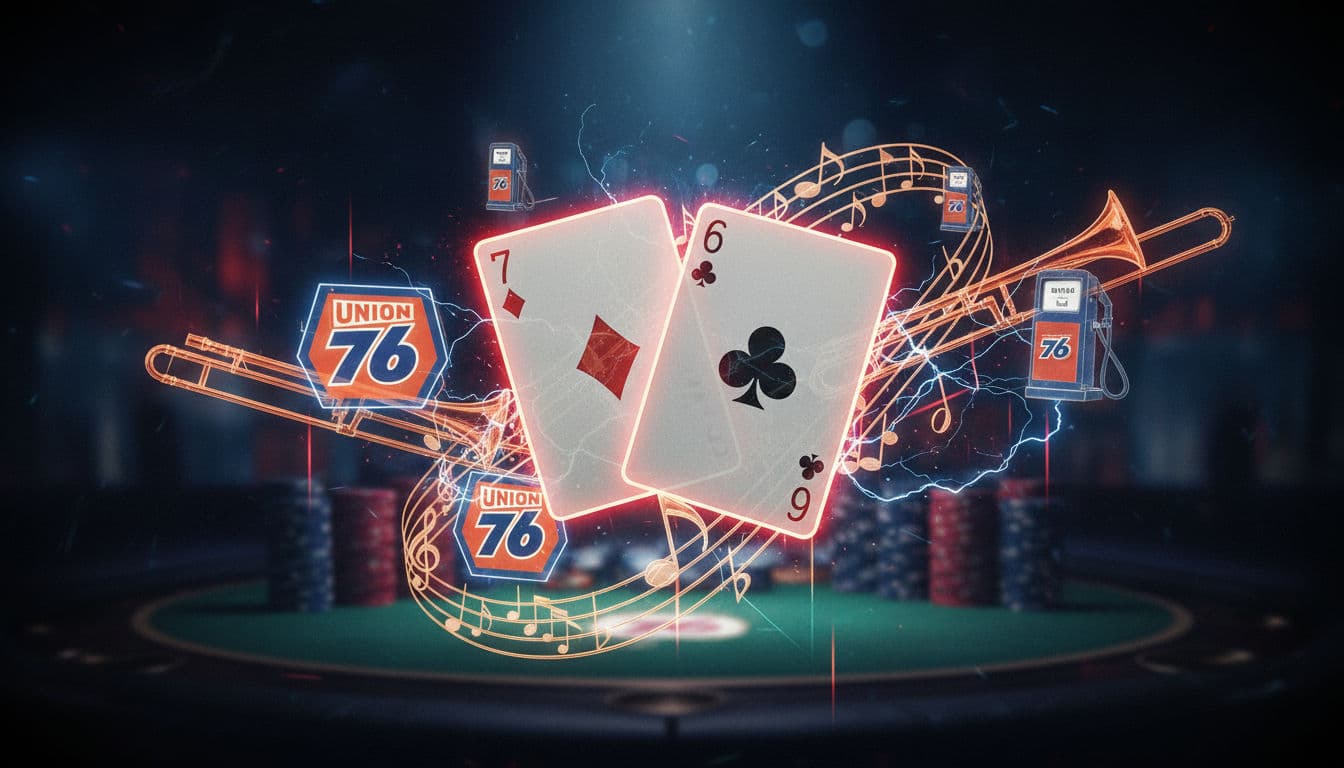
In the vibrant lexicon of poker, where every starting hand often acquires a colorful moniker, the combination of a seven and a six is no exception. While not an elite hand, the 7-6 holds a particular charm and tactical nuance, earning it a pair of memorable nicknames: "Trombones" and "Union Oil." These aren't just arbitrary labels; they are cultural touchstones that add flavor to the game, providing a shared language among players and hinting at deeper strategic considerations. This article dives into the fascinating etymology of these nicknames and explores the strategic landscape surrounding the 76 poker hand, offering insights for both novice and seasoned players.
Unpacking the Nicknames for the 76 Poker Hand
The two primary nicknames for the 7-6 hand draw from vastly different cultural wellsprings, each adding a layer of intrigue to this otherwise unassuming starting hand. In the global arena of online poker , these nicknames often surface in strategy forums and hand history reviews, where the 7-6 is no longer just a 'cute' connector, but a mathematically essential tool for balancing ranges and ensuring board coverage on low-card textures.
"Trombones": A Rhythmic Connection
The most widely recognized nickname for the 7-6 hand is "Trombones" and understanding the trombones meaning requires a look at musical history. It is a direct homage to the iconic song "76 Trombones" from Meredith Willson's beloved 1957 musical, The Music Man. This show, later adapted into a successful film, features the rousing march "76 Trombones" which describes a grand parade led by a band of trombones. The numerical association is precise and memorable, making it an easy and whimsical way for poker players to refer to these specific texas holdem hands. The imagery of a full, boisterous band can also subtly reflect the hand's potential to hit a big straight or flush, creating a parade of chips.
Union Oil or Union 76: A Brand Identity
Another significant nickname for the 76 poker hand, particularly prevalent in certain regions or among older generations of players, is "Union Oil" or simply "Union 76." This union oil poker meaning originates from the recognizable branding of the Union 76 gas stations, a prominent American petroleum company. The orange "76" logo is iconic, and its widespread presence made the numerical connection instantly recognizable. This nickname speaks to the pervasive influence of everyday culture on poker slang, demonstrating how even mundane elements can find their way into the game's unique language.
Strategic Considerations for Playing 76 in No-Limit Hold'em
Beyond its colorful nicknames, the 7-6 hand presents interesting strategic dilemmas. A solid seven six poker strategy largely hinges on whether it's suited or offsuit, your position at the table, and the overall game dynamics.
Playing 7-6 Suited (7s6s, 7h6h, etc.)
When the 7-6 is suited, its value increases significantly. Playing 76 suited makes it an excellent speculative hand because it offers multiple ways to make strong draws:
Straight Potential: They can hit an open-ended straight draw with just one more card (e.g., a 5 or an 8 on the flop).
Flush Potential: They have a direct path to making a flush.
Combination Draws: It's possible to flop both a straight draw and a flush draw, providing immense equity.
Playing 76 suited is generally advisable from late position in unraised or minimally raised pots. This allows you to see a cheap flop and potentially hit a monster. If you don't connect well, you can often fold without much investment. However, be wary of overplaying non-nut flushes or straights against aggressive opponents.
Playing 7-6 Offsuit (7d6c, 7h6s, etc.)
Playing 76 offsuit is considerably weaker. Without the flush potential, its main hope is to hit a straight or two pair. The problem is that most straights it hits (like 4-5-6-7-8 or 3-4-5-6-7) are often at the lower end and susceptible to being dominated by higher straights or sets.
Playing 76 offsuit should be approached with extreme caution. It's rarely a hand to open-raise with and is often best folded from early to middle positions. In late position, in an unraised pot, you might consider a limp or call a small raise if the pot odds are exceptional and you believe you can outplay opponents post-flop. However, the risk of ending up with a weak one-pair hand or a non-nut straight that loses to a higher one is substantial.
Common Pitfalls and Strategic Nuances
A complete seven six poker strategy must account for several dangers:
Domination: Both 7-6 suited and offsuit are easily dominated by stronger hands that contain a 7 or 6 with a higher kicker (e.g., A7, K6) or by higher suited connectors (e.g., 8-7 suited).
Reverse Implied Odds: While suited connectors have good implied odds when they hit big, 7-6 can also suffer from reverse implied odds. This occurs when you hit a marginal hand but end up losing a large pot to an even stronger hand.
Stack Depth: Speculative hands like these texas holdem hands are best played in deeper stacked games, where the potential reward for hitting a big hand justifies the smaller pre-flop investment.
Opponent Tendencies: Against loose-passive players, the 76 poker hand can be profitable if you hit big. Against tight-aggressive players, it's harder to extract value or to bluff them off pots when you miss.
The Enduring Appeal of Poker Nicknames
The existence of specific nicknames for a hand like 7-6 underscores the rich oral tradition of poker slang. These terms aren't merely cute; they are embedded within the lore of the game, helping to define its character and facilitate its social aspects. "Trombones" and "Union Oil" are more than just labels; they are historical markers that reflect popular culture. Understanding these poker nicknames not only enriches a player's vocabulary but also deepens their appreciation for the game's unique history and evolving culture within the broader seven six strategy.
| Pros | Cons |
|---|---|
When 7-6 is suited, it offers excellent implied odds for hitting big straights or flushes, potentially winning large pots if you connect strongly. | The 7-6 hand is often dominated by higher cards in opponents' hands (e.g., A7, K6), leading to kicker problems or even being completely outclassed. |
As a seemingly weak hand, hitting a big draw or two-pair with 7-6 can be highly deceptive, leading opponents to underestimate your strength. | Without the flush draw potential, 7-6 offsuit is notoriously difficult to play profitably after the flop if it doesn't hit a strong hand immediately. |
The contiguous ranks of 7 and 6 provide multiple pathways to make a straight, especially when combined with board cards like 4, 5, or 8. | Hitting a marginal straight or flush with 7-6 can sometimes lead to losing a large pot to a higher straight, flush, or full house, known as reverse implied odds. |
Related Poker Terms
22233
3322
36TJK
4444
5432A
555
666
76: Seven-Six
77: Pocket Sevens
84: Eight-Four
85: Eight-Five
86: Eight-Six
87: Eight-Seven
88: Pocket Eights
93: Nine-Three
95: Nine-Five
96: Nine-Six
98: Nine-Eight
99: Pocket Nines
A2: Ace-Deuce
A3: Ace-Three
A3A6
A4: Ace-Four
A5: Ace-Five
A6: Ace-Six
A7: Ace-Seven
A8: Ace-Eight
A9: Ace-Nine
AA: Pocket Aces
AA88: Dead Man's Hand
AAA
AAAA
AAAAK
AAJJ
AJ: Ace-Jack
AK47
AQ: Ace-Queen
AT: Ace-Ten
J8: Jack-Eight
J9: Jack-Nine
JA55
JJ: Pocket Jacks
JT: Jack-Ten
K3: King-Three
K4: King-Four
K5: King-Five
K6: King-Six
K7: King-Seven
K8: King-Eight
K9: King-Nine
KJ: King-Jack
KK: Pocket Kings
KKKAA
KKKK
KKKQQ
KKQQ
KQ: King-Queen
KQJT9
KT: King-Ten
Q7: Queen-Seven
Q9: Queen-Nine
QJ: Queen-Jack
QQ: Pocket Queens
QQQQ
QT: Queen-Ten
Steel Wheel
T2: Ten-Deuce
T8: Ten-Eight
T9: Ten-Nine
TT: Pocket Tens
TTT: Trip Tens