

Poker in Pop Culture: The Best Gambling TV Shows Every Poker Fan Should Watch

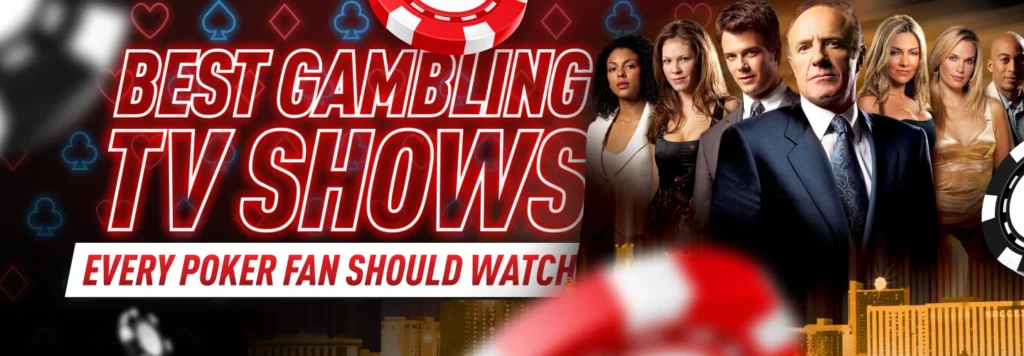
Television has always loved characters willing to risk everything. Whether it is a detective chasing a dangerous criminal, a lawyer defending an impossible case, or a family fighting for survival, great television thrives on uncertainty. Gambling naturally fits this formula, which is why the best gambling TV shows capture our attention so effectively. Every hand of poker, every spin of the roulette wheel, and every high-stakes wager creates instant suspense because neither the audience nor the characters know what will happen next.
That is why some of these TV shows about gambling remain memorable long after their final episodes aired. They don't simply show cards, chips, or casinos - they use gambling as a powerful storytelling device. A single poker hand can reveal more about a character's personality than an entire page of dialogue, exposing confidence, desperation, arrogance, or fear through a well-timed bluff. A casino floor becomes more than a glamorous setting; it transforms into a battlefield where intelligence, patience, and emotional control matter just as much as luck.
Unlike documentaries or reality competitions, a fictional casino TV series or poker drama has the creative freedom to build rich characters and long-term storylines. They spend multiple episodes exploring the psychology behind risk-taking, the temptations of easy money, and the inevitable consequences of one bad decision.
For poker enthusiasts, poker TV shows offer an additional layer of enjoyment. While not every series portrays the game with flawless mathematical precision, many feature surprisingly realistic poker scenes, believable casino environments, and authentic strategic thinking. Others use poker purely as a metaphor, demonstrating that reading people is often just as important away from the table as it is during a high-stakes hand.
This guide explores some of the best gambling TV shows ever produced. From a dedicated best poker series contender to stylish casino dramas, these fictional narratives prove that gambling can be far more than a visual backdrop - it can become the very heart of the story.
Why Gambling Creates Great Television
Television is built around conflict. Every successful drama asks the same fundamental question: what happens next?
Poker asks exactly the same question with every deal of the cards. Every decision at the table creates intense uncertainty: Should a player call, fold, or raise? Is the opponent bluffing, or are they trapping with the nuts? Does the hero have the courage to risk their entire stack when the odds are tight? These psychological dilemmas translate effortlessly into compelling television, making it the perfect foundation for the best poker series.
Unlike physical action scenes or car chases, poker creates tension through silence. A simple, calculated glance across the felt can carry more emotional weight than an explosion. The audience is drawn into the mental game, reading facial expressions, body language, and betting patterns right alongside the characters. This psychological depth explains why poker has appeared in countless television series, even those that are not primarily TV shows about gambling.
Casino environments offer similar storytelling opportunities. Luxury hotels, high rollers, professional dealers, surveillance teams, and enormous sums of money create a volatile world where fortunes are won and lost within minutes. The best gambling TV shows understand that audiences are not only interested in the money; they want to watch intelligent people making difficult decisions under immense pressure - which is precisely what poker has always been about.
What Makes a Great Gambling TV Series?
Not every television show featuring a casino automatically becomes memorable. The finest TV shows about gambling usually share several distinct qualities that elevate them above cheap gimmicks:
Meaningful Stakes: They treat gambling as something more significant than a quick source of visual excitement. Poker games reveal hidden character traits, while casino floors become arenas where trust is tested, alliances collapse, and true motives emerge.
Believable Variance: Successful series create authentic characters rather than relying on impossible, endless winning streaks. Professional poker players know that nobody wins every session. Good gambling dramas understand this reality: their protagonists lose, make costly mistakes, and suffer devastating bad beats. Most importantly, they must deal with the emotional consequences of those setbacks.
Immersive Atmosphere: The strongest casino TV series pay close attention to sensory details. The crisp sound of riffling chips, the quiet, coded conversations between pit bosses, the suffocating tension before a river card is turned, and the carefully designed interiors of luxury casinos all work together to immerse viewers in a believable world.
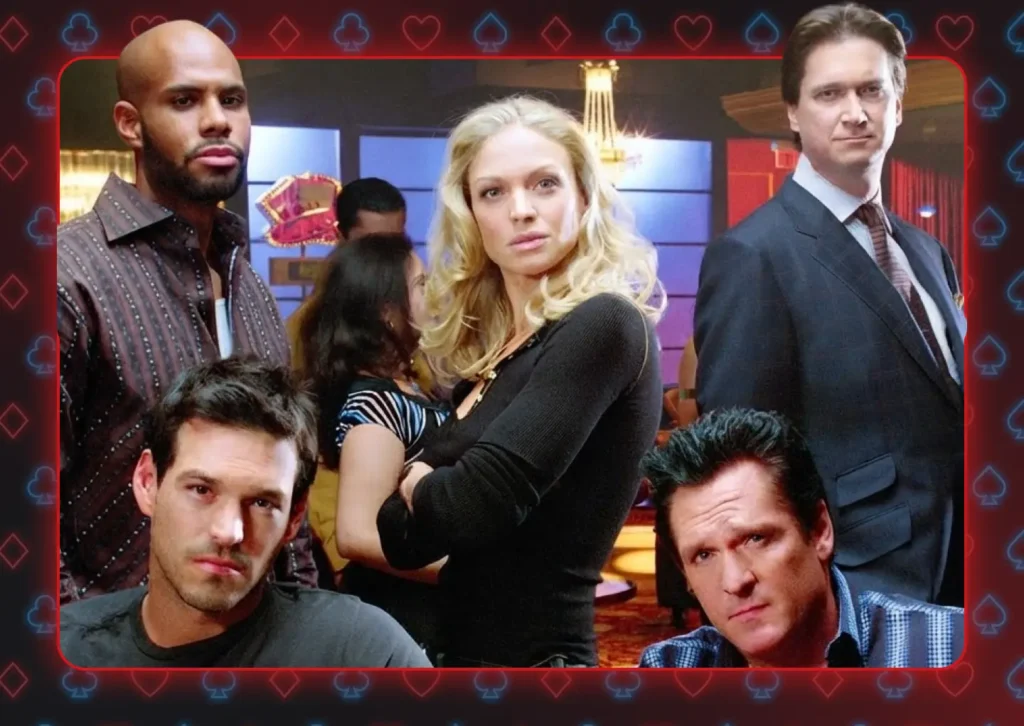
Tilt: The Closest Television Came to Professional Poker
When discussing dedicated poker TV shows, one title almost always appears at the top of the list: Tilt.
Premiering in 2005 during the height of the global online poker boom, Tilt remains one of the very few scripted television series built entirely around professional poker. It arrived at a cultural turning point when televised tournaments were attracting millions of viewers worldwide, turning players like Chris Moneymaker, Daniel Negreanu, and Doyle Brunson into household names.
The Premise
The story follows professional poker player Eddie Towne, who joins forces with two other players to seek revenge against Don "The Matador" Everest - a legendary, ruthless gambler responsible for destroying Eddie's father years earlier. While the surface narrative is a classic revenge drama, beneath it lies a surprisingly sophisticated exploration of poker psychology and underground table dynamics.
Best Gambling Moment
One of the show's most iconic gambling moments occurs when Eddie uses a subtle reverse-tell and exceptional observational discipline to dissect The Matador’s strategy during a massive heads-up pot. Instead of relying on dramatic Hollywood luck, Eddie identifies a micro-expression and a specific betting pattern, proving to the audience that emotional control and analytical reading beat pure table aggression every time.
Why Poker Fans Will Love It
Although the series lasted only one season, it earned a cult following because it deeply respected its audience's intelligence. Rather than relying on unrealistic "royal flush vs. four of a kind" miracle hands every episode, incorporated advanced poker concepts into the plot. Viewers regularly encounter authentic strategic elements:
Bluffing as psychological warfare and table manipulation.
Bankroll management and the crushing pressure of going broke.
Table image and exploiting how opponents perceive you.
Tells, reverse-tells, and speech play.
Tournament bubble pressure and professional rivalries.
The poker scenes feel authentic because the characters behave like experienced grinders rather than action-movie heroes. Even today, nearly two decades after its release, many fans still consider Tilt one of the best poker series ever produced.
Las Vegas: More Than Just a Casino Drama
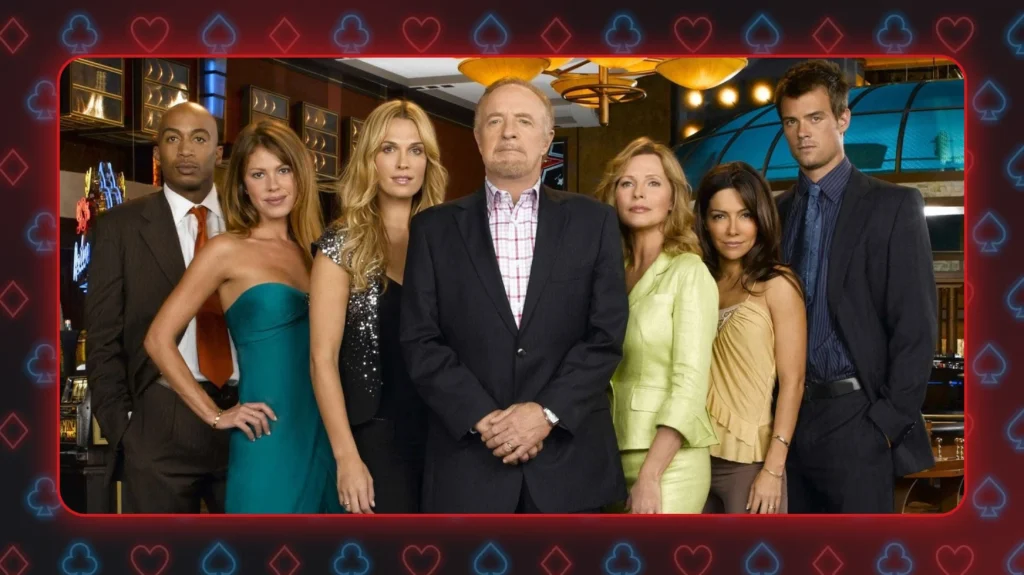
If Tilt focuses tightly on the poker felt, Las Vegas broadens the lens to capture the entire ecosystem, easily earning its place among the best gambling TV shows. Running from 2003 to 2008, the series follows the surveillance team and executives of the fictional Montecito Resort & Casino, offering viewers an entertaining, fast-paced look behind the scenes of one of the world's busiest gambling destinations.
The Premise
Led by former CIA officer-turned-resort president Ed Deline (James Caan) and his protégé Danny McCoy (Josh Duhamel), the show explores everything that keeps a mega-resort operating. Rather than focusing solely on professional card players, it balances customer satisfaction with strict gaming regulations, high-roller VIP management, and constant security threats.
Best Gambling Moment
A standout gambling moment involves the Montecito's surveillance team systematically deconstructing a sophisticated baccarat and poker cheating ring. The show breaks down the exact mechanical operations of card marking, edge-sorting, and collaborative table manipulation, giving viewers a thrilling, eagle-eye perspective from the "eye in the sky" monitoring room.
Why Poker Fans Will Love It
This wider operational perspective makes it an exceptional casino TV series for viewers fascinated by casino culture. Audiences gain valuable insight into surveillance technology, casino etiquette, VIP whale management, and the countermeasures used against card counters and mechanics. For poker players, understanding the operational mechanics of the house makes every on-screen gambling scene feel more grounded and believable. The Montecito itself functions not just as a setting, but as one of the show's central characters.
Sneaky Pete: Bluffing Beyond the Poker Table
Not every one of the best gambling TV shows revolves around casino tournaments or professional poker players. Sometimes the true spirit of poker appears in a completely different narrative form. That is exactly what makes Sneaky Pete such an essential addition to this list.
The Premise
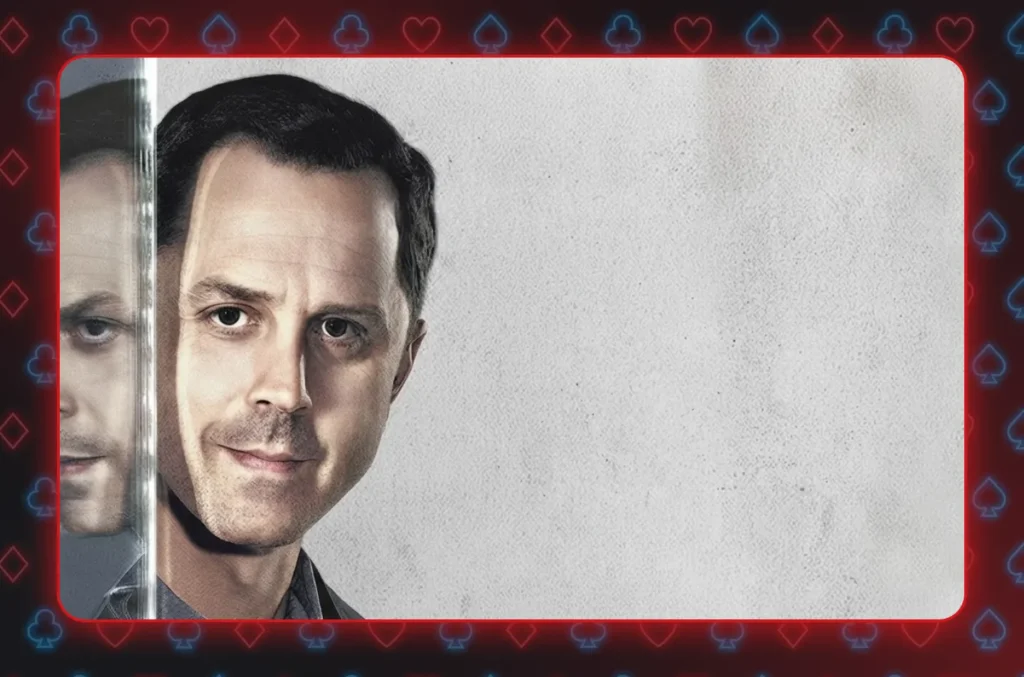
Created by David Shore and Bryan Cranston, the series follows Marius Josipović (Giovanni Ribisi), a brilliant con artist who assumes the identity of his cellmate, Pete Murphy, immediately after leaving prison. What begins as a desperate attempt to hide from a vicious mob boss gradually develops into an intricate web of deception, high-stakes long cons, and psychological manipulation within Pete's estranged family.
Best Gambling Moment
A masterclass in poker psychology occurs during an underground card game in Season 1. Marius wins a crucial, high-stakes hand not by holding the best cards, but by completely dictating the table's narrative. He masterfully manipulates his opponent's overconfidence through calculated table banter, demonstrating how a skilled player can play the man rather than the cards to engineer a massive fold.
Why Poker Fans Will Love It
Although traditional poker tables appear only occasionally, almost every episode of Sneaky Pete plays out like a complex, multi-street poker hand. Throughout the series, Marius must constantly execute core poker skills:
Conceal vital information while projecting false weakness or strength.
Read the underlying intentions and emotional triggers of his marks.
Execute high-stakes bluffs with complete emotional conviction.
Calculate pot odds versus risk, knowing exactly when to push forward and when to fold and retreat.
Sneaky Pete embodies one of poker's oldest truths: the strongest hand doesn't always win; sometimes, impeccable timing and superior table presence are enough to take the pot. For viewers who appreciate the mental and psychological game over simple card mathematics, this ranks among the most captivating TV shows about gambling ever made.
Peaky Blinders: Gambling as a Criminal Empire
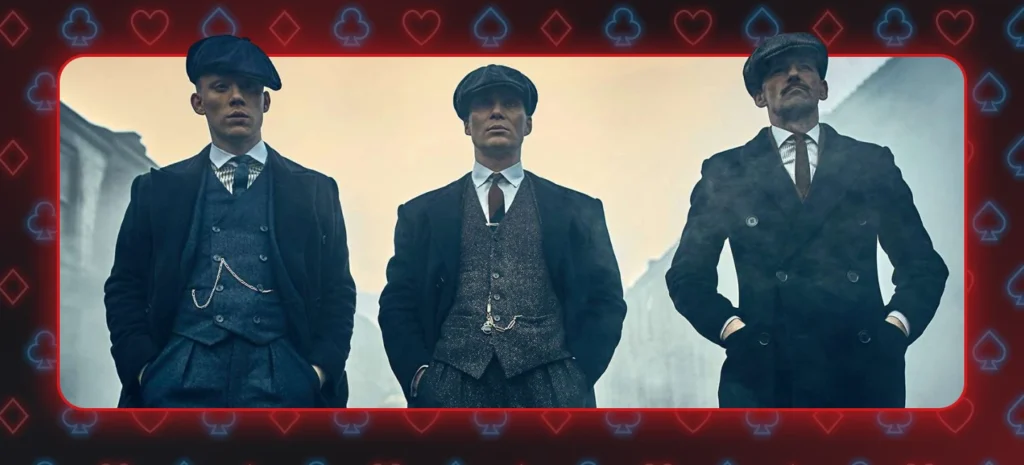
At first glance, Peaky Blinders may seem like an unusual choice for a best gambling TV shows list. Most people associate the stylish historical drama with street gangsters, post-WWI Birmingham, and the Shelby family's violent rise to political power. However, organized gambling sits at the very foundation of Tommy Shelby’s empire.
The Premise
Long before modern casinos became glamorous, regulated entertainment resorts, bookmakers and illegal betting rings generated massive, untraceable fortunes across Britain. The series chronicles how Thomas Shelby (Cillian Murphy) uses horse racing track takeovers, illegal betting shops, and gambling licenses to transform a local street gang into a legitimate, multi-million-pound business empire.
Best Gambling Moment
The show's gambling dynamic shines brilliantly in Season 1 during the iconic racetrack confrontation. Tommy calmly uses calculated betting odds and the strategic threat of racetrack bookmaker takeovers to outmaneuver rival crime boss Billy Kimber. By evaluating risk and leveraging insider information, Tommy bluffs his way into securing a legitimate racing license without firing a single shot.
Why Poker Fans Will Love It
Unlike many superficial dramas, Peaky Blinders accurately illustrates how betting operations influenced politics, law enforcement, and economics during the early 20th century. More importantly, it captures one of gambling's timeless mathematical truths: information is positive expected value (+EV).
Knowing something before the rest of the market creates enormous leverage. Whether reading odds at a muddy racetrack or reading an opponent's physical posture during a poker tournament, success belongs to those who process incomplete information better than the competition. For poker enthusiasts, Tommy Shelby’s icy emotional discipline, bankroll management, and willingness to take calculated, high-variance risks mirror the exact mindset of elite tournament professionals.
Luck: Horse Racing, Probability, and High-Stakes Decisions
No serious discussion of the best gambling TV shows would be complete without paying tribute to the brilliant, though short-lived, series Luck.
The Premise
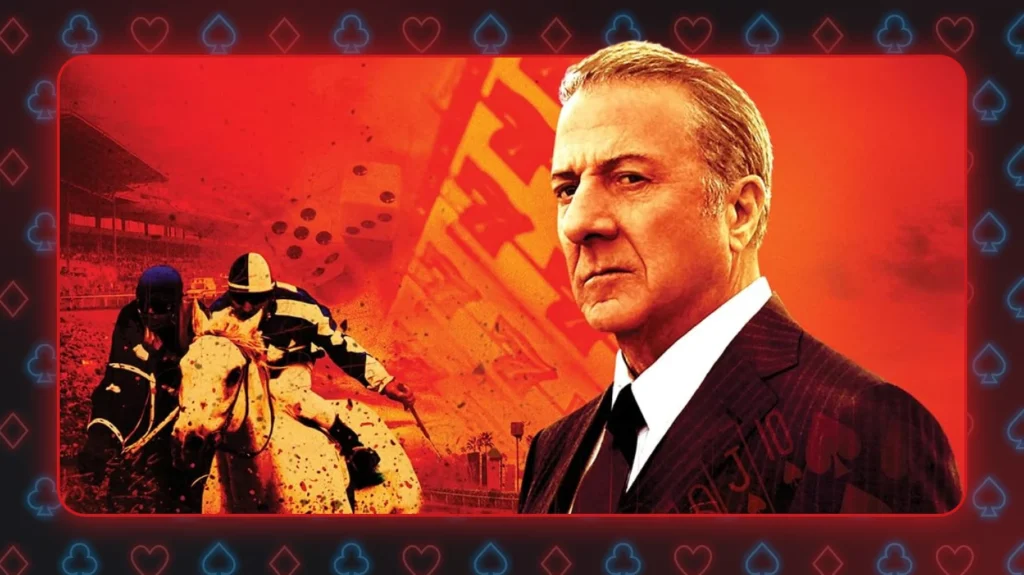
Created by Deadwood mastermind David Milch and starring Dustin Hoffman and Nick Nolte, Luck explores the gritty, complex ecosystem of thoroughbred horse racing at Santa Anita Park. Unlike traditional sports dramas that focus purely on the athletes or owners, the series dives deep into betting strategy, probability theory, syndicates, and the harsh economics driving the racing industry.
Best Gambling Moment
An unforgettable highlight of the series focuses on a ragtag group of seasoned track gamblers who pool their remaining bankrolls to construct a complex, highly mathematical multi-horse "Pick Six" wager (a betting pool where the player must select the winners of six consecutive races to win the jackpot). The episode brilliantly illustrates the concept of variance, ticket structuring, and the intense psychological pressure of watching a life-changing parlay unfold second by second on the track.
Why Poker Fans Will Love It
What makes Luck exceptionally appealing to poker players is its uncompromising examination of decision-making under uncertainty. Nobody on the show possesses perfect information; every wager involves risk, handicapping, and accepting that short-term bad luck is part of the game.
The terminology may revolve around trifectas and furlongs rather than flops and river cards, but the underlying analytical psychology is identical to professional poker. Though canceled after just one season, Luck remains one of television's most intellectually honest portrayals of gambling culture, cementing its legacy among the best gambling TV shows.
What These Series Teach Us About Poker
One fascinating aspect shared by all these top poker TV shows and casino dramas is that they rarely present gambling as mindless, random entertainment. Instead, they emphasize transferable life skills. Successful characters consistently demonstrate qualities that define winning poker players:
Poker Skill | How Television Characters Use It |
|---|---|
Bluffing | Constructing believable narratives and hiding true intentions to gain a tactical advantage over opponents. |
Reading Opponents | Observing behavioral patterns, speech tells, and motivations to accurately predict an adversary's next move. |
Emotional Control | Maintaining complete psychological discipline and a calm exterior under extreme financial or physical pressure. |
Patience | Waiting disciplinedly for high-value opportunities (+EV situations) rather than forcing action out of boredom. |
Risk Management | Choosing battles carefully, protecting the bankroll, and avoiding reckless wagers when the odds are unfavorable. |
This alignment explains why gambling continues to serve as such a powerful engine for drama. Whether the setting is a VIP room in Las Vegas, a smoky underground card club, or the racecourses of 1920s England, human psychology and analytical discipline always determine the ultimate winner.
Comparing the Best Gambling TV Shows
To help you choose your next binge-watch, here is how the top series stack up across different gambling elements:
Series | Poker Focus | Casino Focus | Gambling Psychology | Best For |
|---|---|---|---|---|
Tilt | ⭐⭐⭐⭐⭐ | ⭐⭐⭐ | ⭐⭐⭐⭐⭐ | Serious poker grinders and tournament fans |
Las Vegas | ⭐⭐⭐ | ⭐⭐⭐⭐⭐ | ⭐⭐⭐ | Fans of resort operations, security, and VIP culture |
Sneaky Pete | ⭐⭐ | ⭐⭐ | ⭐⭐⭐⭐⭐ | Lovers of long cons, bluffing, and psychological warfare |
Peaky Blinders | ⭐ | ⭐⭐⭐ | ⭐⭐⭐⭐⭐ | Fans of crime syndicates, sports betting, and strategy |
Luck | ⭐ | ⭐⭐ | ⭐⭐⭐⭐⭐ | Analytical bettors fascinated by probability and variance |
Final Thoughts: The Human Game
The enduring popularity of the best gambling TV shows ultimately has very little to do with the physical playing cards, dice, or roulette wheels. Instead, these series captivate audiences because they explore timeless human themes: ambition, trust, deception, discipline, greed, redemption, and the courage to make critical decisions when the outcome is entirely uncertain.
Poker occupies a revered place within this genre. Unlike games driven purely by the blind spin of a wheel, poker rewards observation, emotional control, and mathematical strategy. That makes it the ultimate narrative device for writers who want to reveal character through high-stakes action rather than tedious exposition.
Whether you are seeking the best poker series, an action-packed casino TV series, or gripping TV shows about gambling, each series offers a unique window into the world of risk. Whether you are studying the tournament tables of Tilt, monitoring the surveillance feeds in Las Vegas, dissecting the elaborate bluffs of Sneaky Pete, managing the betting shops of Peaky Blinders, or calculating track odds in Luck, each series offers a unique window into the world of risk. Together, they remind us of a truth every seasoned player knows: the most compelling games are never just about the cards in your hand - they are about playing the people across the table.
If you appreciate television that combines intelligent storytelling with psychological depth, these series deserve a permanent spot on your watchlist. Whether you are an experienced poker grinder or simply a lover of great drama, each show delivers high-stakes entertainment that stays with you long after the final credits roll.
About the Editor

Gyöngyi P. Tóth is Somuchpoker's Content Writer and Poker Stories Specialist, writing Side Pot features, WSOP storylines, and the site's Poker in Pop Culture and Legends of Poker series. She was introduced to poker 20 years ago through live tournament play, and what has kept her interest since is the psychology and human behavior behind the game as much as the cards themselves.
Related News
 Live PokerLifestyle
Off the Felt in Sanya: The Best Things to Do Away From the CPG Tables
Discover six outdoor things to do in Sanya away from CPG, from paddleboarding and surfing to rainforest walks and canyon stream trekking.
 LifestyleAsiaStories
Asia's Poker Revolution - Streams on the Felt: The Ultimate Guide to Asian Gambling Series
Discover the ultimate guide to Asian gambling series and shows. From Korean Asian casino dramas to intense Japanese gambling anime, explore high-stakes TV.
 Live PokerLifestyle
Is There Really Poker in China? Inside the Country’s Growing Tournament Scene
Is there really poker in China? Discover how CPG uses online qualification and organised competition to grow the country’s tournament scene.
 LifestyleAsiaStories
Asia's Poker Revolution - Cinema on the Felt: The Ultimate Guide to Asian Gambling Movies
Discover the ultimate guide to Asian gambling movies. From Hong Kong classics to intense Korean casino thrillers, explore high-stakes cinema on the felt.
 LifestyleStories
Poker in Pop Culture - Kakegurui and Poker: Why the Bet Series Appeals to Poker Fans
Discover why Kakegurui and Netflix's Bet appeal to poker fans through bluffing, psychology, risk-taking, and the strategic mind games that define both worlds.
 LifestyleStories
Poker in Pop Culture - Reality Poker TV Shows
Discover the best poker TV shows, from High Stakes Poker to Poker After Dark. Relive the poker boom and the unforgettable moments that captivated millions.