Casino Etiquette: Unwritten Rules of the Gaming Floor

Casinos are places where people come together to enjoy games, take risks, and hopefully have a little fun. Whether you are visiting a casino for the first time or already know your way around the gaming floor, understanding proper casino etiquette can make the experience better for everyone.
Most casinos have official rules for how games are played, but unwritten expectations also help keep the atmosphere friendly and respectful. Knowing how to interact with dealers, staff, and other players matters as much as understanding the games themselves.
From choosing a table and handling chips to using your phone and tipping dealers, these unwritten rules can help you feel more comfortable and avoid unnecessary misunderstandings. Blackjack and roulette also have their own customs, so knowing what to expect at each table is useful.
Basic Casino Etiquette: Rules for the Gaming Floor
Good casino etiquette starts before you even sit down. A casino is a shared environment, and being considerate of the people around you makes a difference.
Respect the staff: Dealers, floor supervisors, servers, and other casino employees are there to help keep things running smoothly. Treat them politely, even when a game does not go your way.
Be aware of your surroundings: Avoid blocking walkways, crowding other players, or standing too close to a gaming table when there is limited space.
Keep your emotions under control: Winning and losing can both be exciting, but shouting, arguing, or taking frustration out on others can spoil the experience.
Follow the casino's rules: Different venues may have different policies. Pay attention to signs and staff instructions rather than assuming every casino operates the same way.
Be mindful of personal space: Don't touch another player's chips, belongings, or gaming equipment without permission.
Avoid unnecessary distractions: Keep conversations at a reasonable volume and don't interrupt a game when players or dealers need to concentrate.
These habits may seem simple, but they help create a more comfortable atmosphere for everyone on the gaming floor.
Before You Sit Down: Choosing a Table and Joining a Game
Walking up to a casino table and joining a game may seem straightforward, but a few things are worth checking first. Taking a moment to understand the situation can help you avoid awkward interruptions and confusion.
Check the Table Limits
Before buying chips or taking a seat, look at the table's minimum and maximum betting limits. These are usually displayed on a sign near the table.
Minimum bet: The smallest amount you can wager on a single betting opportunity.
Maximum bet: The highest amount the casino allows you to wager within the game's rules.
Make sure the limits suit your budget before joining. Choose a table that matches your plans rather than feeling pressured into placing bets that are too large.
Wait for an Appropriate Moment
If a game is already in progress, avoid interrupting the dealer or reaching across the table to buy chips. Wait until the current round or hand is finished and ask the dealer or a staff member how to join.
At a busy table, you may need to wait for an available seat. Don't assume that an empty chair is automatically available, as it may be reserved or temporarily unavailable.
Ask Questions Before Playing
If you are unfamiliar with a game's procedures, ask the dealer or floor staff for help before placing your first bet. Dealers are accustomed to assisting new players, and a quick explanation can prevent misunderstandings later.
Also make sure you understand the basic rules and betting options. A casino table is not the best place to learn every detail while a game is already underway.
Blackjack Etiquette: Respect the Game and Other Players
Blackjack is one of the most popular casino games, and its table etiquette matters because players share the same dealer and follow a set sequence of actions.
Even if you know basic strategy, remember that good blackjack etiquette is about more than making the right decisions.
Play Your Own Hand
Make decisions based on your own cards and the rules of the game. Avoid telling other players what they should do with their hands unless they specifically ask for advice.
Other players may have different strategies or levels of experience. Unsolicited comments can make them uncomfortable, especially when money is involved.
Respect Other Players' Decisions
Every player is responsible for their own choices. If someone decides to hit, stand, double down, or split, avoid criticizing the decision.
Blaming another player for a losing hand is poor table manners. Blackjack involves chance, and no player can control every outcome.
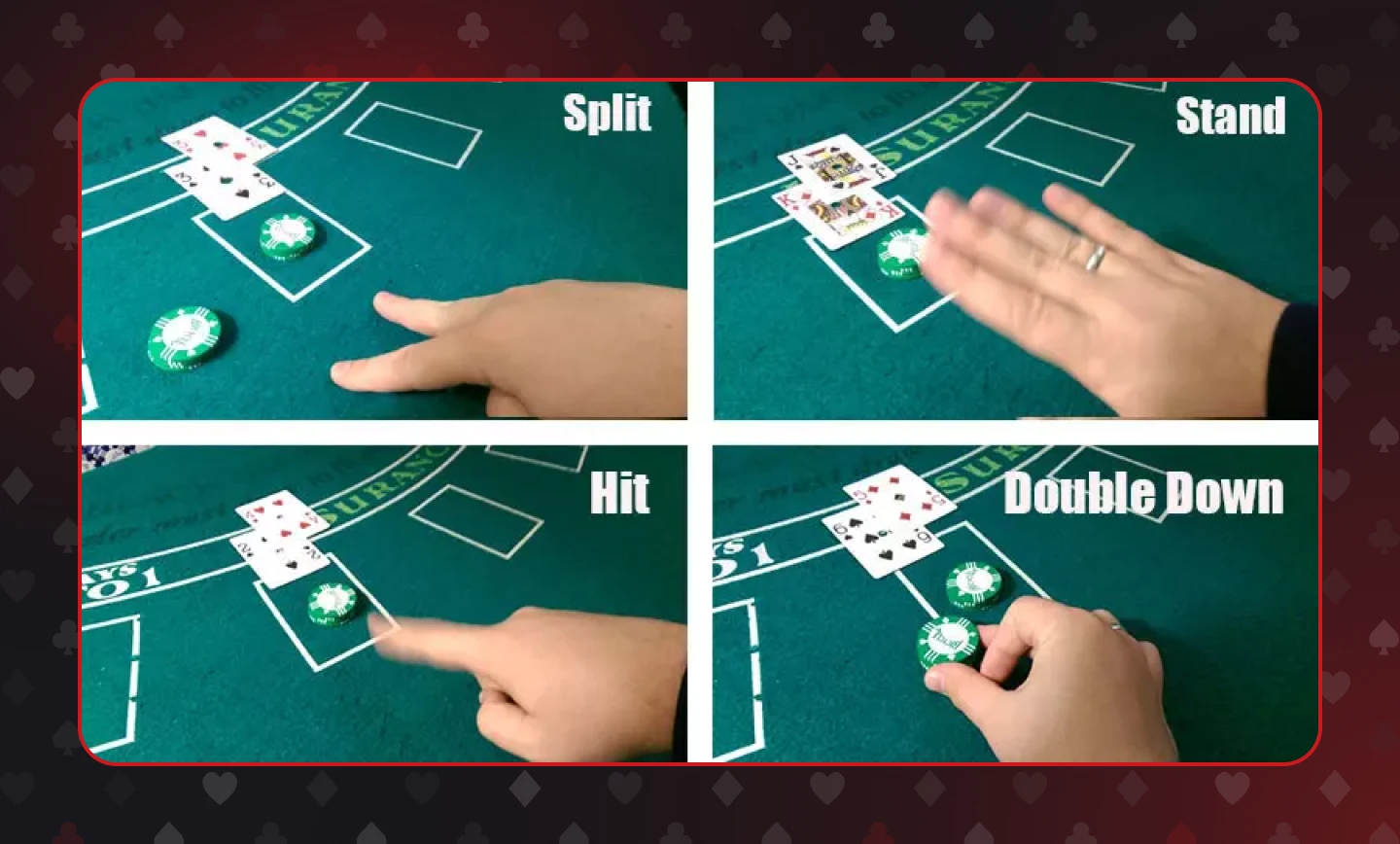
Use the Correct Hand Signals
In many casinos, players must use clear hand signals to communicate their decisions. These signals help the dealer understand the player's choice and can also provide a clear record of the action.
If you are unsure about the correct gestures, ask the dealer before playing. It is better to clarify the procedure than to create confusion during a hand.
Pay Attention to the Dealer
Follow the dealer's instructions and avoid unnecessary interruptions. If you have a question, wait for an appropriate moment rather than holding up the table during a hand.
Keep your cards and chips in the designated areas, and avoid touching anything the casino's rules say must remain on the table.
Roulette Etiquette: Know When and How to Place Your Bets
Roulette may look straightforward, but the game has its own customs. Pay attention to the betting process and respect others' space and decisions.
Place your bets on time: Roulette tables have a clear betting period. Once the dealer announces that no more bets are allowed, don't add chips or change your wagers.
Respect other players' space: Avoid reaching across someone else's betting area or interfering with their chips.
Use the correct roulette chips: Some casinos use specially marked chips for individual players. This helps the dealer identify whose bets are whose.
Ask before touching chips: Never move or handle another player's wagers. If you are unsure where to place your chips, ask the dealer for assistance.
Stay attentive: Watch the dealer and listen to announcements so you know when betting opens and closes.
Roulette moves quickly, particularly at busy tables. Being prepared and following the dealer's instructions helps prevent mistakes and unnecessary delays.
Don't Change Your Bets After Betting Closes
One of the most important roulette customs is respecting the end of the betting period. Once the dealer announces that betting is closed, players must leave their wagers as they are.
Trying to move chips after the announcement can cause confusion and may lead to disputes. If you are unsure whether a bet was accepted, let the dealer handle it rather than trying to correct it yourself.
Tipping Casino Dealers: When and How Much?
Tipping is a familiar part of casino culture in some countries, particularly in the United States. However, expectations vary widely by country, casino, and game type.
In some venues, players commonly tip dealers after a win or during a session. In others, tipping may be less common or handled differently. It is therefore useful to understand local customs rather than assume that the same expectations apply everywhere.
Is Tipping Mandatory?
In most cases, tipping a dealer is voluntary rather than required. A player should not feel obligated to tip simply because they are playing a game.
If you decide to leave a tip, the amount is generally a personal choice. It can depend on your budget, the length of your session, and the service you received.
How Can You Tip a Dealer?
The procedure depends on the casino and the game. Some venues allow players to place a tip for the dealer in a designated area, while others have specific procedures for handling tips.
If you are unsure, ask the dealer or a floor supervisor how tipping works at that particular table.
Remember that a dealer tip is different from a dealer bet. In some games, players can place an additional wager on the dealer's behalf. This is a separate betting arrangement, not simply a tip, and it is not available in every casino or game.
The most important rule is to follow the venue's procedure and never interrupt the game to offer a tip.
Phones, Photos, and Recording in Casinos
Smartphones are part of everyday life, but their use in a casino requires some consideration. A quick message or phone call may not seem disruptive, yet it can distract other players or interfere with the game.
Casino policies also differ on photography and video recording. Some areas may allow casual photos, while others prohibit recording around gaming tables.
Keep Phone Use Under Control
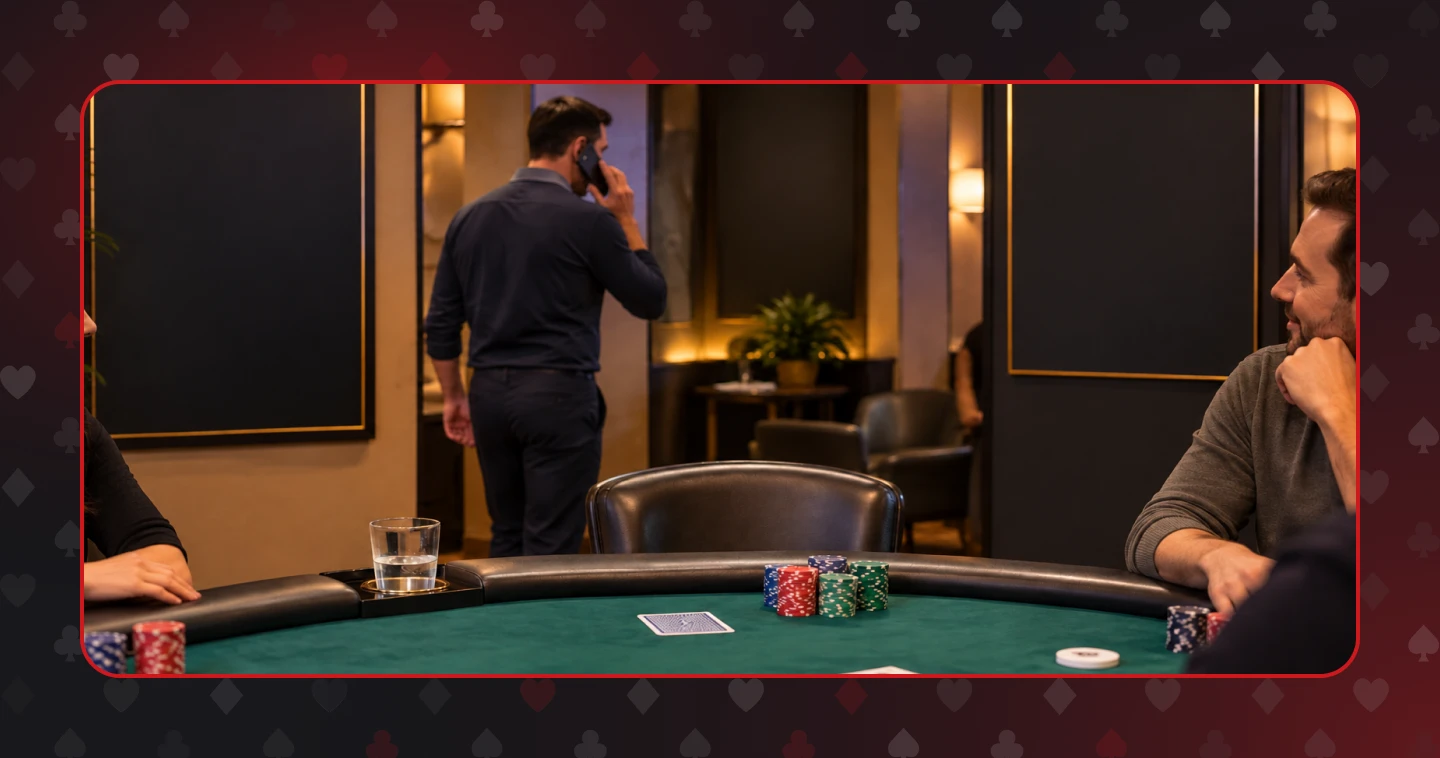
If you need to make a call or have a longer conversation, step away from the table whenever possible. Avoid talking loudly or using your phone while the dealer is explaining something or a game is in progress.
At some tables, phone use may be restricted altogether. Always follow the instructions displayed by the casino or given by staff.
Ask Before Taking Photos
Never assume that other players or employees are comfortable being photographed or recorded. Even if photography is allowed in part of the casino, people may not want to appear in someone else's pictures or videos.
Before taking a photo that includes other people, ask for their permission. If you are unsure whether recording is permitted in a particular area, check with casino staff first.
Respecting privacy is an important part of good casino etiquette.
Casino Chips and Money Handling
Many gaming tables use casino chips instead of cash, so treat them carefully. Knowing how to handle them properly can prevent confusion and help keep the game moving.
Don't Touch Another Player's Chips
This is a simple but important rule. Never pick up, move, or rearrange another player's chips without permission.
Even if you are trying to help, touching someone else's wagers can create misunderstandings. If a chip appears to be in the wrong place, let the dealer or floor supervisor handle it.
Follow the Dealer's Instructions
When buying chips, placing bets, or exchanging chips for cash, follow the casino's procedures. At some tables, dealers have specific ways of accepting cash and distributing chips.
Don't reach into the dealer's area or try to handle the casino's equipment. If you are unsure where to place money or chips, ask for guidance.
Keep Your Bets Clear
Place your chips in the designated betting area and make sure your wager is easy for the dealer to identify. Avoid making last-second changes or moving chips once betting has closed.
At games where players use individual chip colors or special markers, make sure you understand how they work before placing your bets.
Drinks, Smoking, and Personal Behavior
Casinos can be lively places, and some offer food, drinks, and designated smoking areas. However, enjoying these facilities should not come at the expense of other players' comfort.
Be Careful With Drinks
If you have a drink at the table, keep it away from cards, chips, and other gaming equipment. Spilling a drink can disrupt the game and create problems for both players and staff.
Avoid placing glasses in areas where they could easily be knocked over. If the table does not have a suitable place for your drink, ask a staff member where you can put it.
Follow Smoking Policies
Smoking rules vary by country and casino. Some venues have designated smoking areas, while others restrict smoking throughout the gaming floor.
Always follow the signs and instructions the casino provides. Don't assume that smoking is permitted simply because other players are doing it.
Be Considerate of Other Players
Personal behavior also matters. Avoid aggressive language, unwanted physical contact, and behavior that makes other people feel uncomfortable or unsafe.
A casino should be an enjoyable environment for everyone. Being respectful includes recognizing when your behavior is affecting the people around you.
What to Do When You Make a Mistake
Mistakes can happen to anyone, especially when playing an unfamiliar game. You might misunderstand a betting procedure, place chips in the wrong area, or miss an instruction from the dealer.
The best way to handle these situations is to stay calm and ask for help.
Don't try to fix the problem yourself: If you have placed a bet incorrectly or made an unintended move, tell the dealer and wait for instructions.
Explain what happened clearly: A calm explanation makes it easier for the dealer or floor supervisor to understand the situation.
Don't argue with the dealer: If you disagree with a decision, ask for a floor supervisor to review it.
Accept the final ruling: Casino staff are responsible for applying the rules of the game. Once the situation has been reviewed, follow the decision and avoid holding up the table.
If you are a beginner, don't be embarrassed to ask questions. It is better to clarify a rule before acting than to make an avoidable mistake during a game.
Casino Sportsmanship: Respect Players, Dealers, and Staff
Good casino sportsmanship is not only about following the rules. It is also about how you behave when things don't go your way.
A friendly attitude can make a gaming session more enjoyable, while poor behavior can quickly create tension at the table.
Accept wins and losses gracefully: Celebrate a good result without making other players feel uncomfortable. Likewise, avoid blaming the dealer or other players when you lose.
Don't argue over every outcome: If you believe a mistake has happened, raise the issue calmly and allow the floor supervisor or casino staff to review it.
Avoid distracting others: Loud conversations, unnecessary interruptions, and disruptive behavior can make it harder for players to concentrate.
Be patient with beginners: Not everyone knows every game or procedure. A little patience can help new players feel welcome.
Treat dealers fairly: Dealers don't control the cards, the wheel, or the outcome of a game. Taking frustration out on them is never appropriate.
Casino sportsmanship matters most at busy tables, where different personalities and playing styles come together. Respectful behavior helps everyone enjoy the experience, regardless of the result.
Responsible Gambling Is Part of Casino Etiquette
Enjoying a casino visit also means knowing your limits. Responsible gambling is not just a personal financial decision; it helps prevent situations that can affect other players, casino staff, and the overall atmosphere.
A few simple habits can help you keep gambling enjoyable:
Set a budget before you start: Decide how much you can afford to spend and don't treat that amount as money you are guaranteed to win back.
Set a time limit: Decide how long you want to play and take breaks during longer visits.
Don't chase losses: Trying to recover lost money by placing bigger or more frequent bets can lead to further losses.
Avoid playing under pressure: Don't let other people persuade you to gamble more than you intended.
Know when to stop: If gambling is no longer enjoyable or you feel unable to control your spending, take a break and seek support if needed.
A casino visit should be entertainment, not a way to solve financial problems. Knowing when to walk away is one of the most important habits a player can develop.
Final Thoughts: Good Casino Etiquette Makes a Better Experience
Understanding casino etiquette does not require memorizing a long list of complicated rules. Most expectations come down to common sense: respect other players, listen to the dealer, follow each game's procedures, and stay considerate of the people around you.
Blackjack and roulette have their own table customs, while tipping, phone use, and chip handling may vary from one casino to another.
Whether you are playing your first hand or visiting a casino regularly, good manners help create a more relaxed and enjoyable environment. Ultimately, knowing the unwritten rules is part of being a responsible casino player. The goal is not just to enjoy the games, but to make sure the people around you can enjoy them too.
Before testing your newly acquired casino etiquette in real life, learn more about online casino rooms, their features, and what they offer. And don’t forget to use the exclusive bonus code SMPBONUS when registering to access our special offer.
About the Editor

Gyöngyi P. Tóth is Somuchpoker's Content Writer and Poker Stories Specialist, writing Side Pot features, WSOP storylines, and the site's Poker in Pop Culture and Legends of Poker series. She was introduced to poker 20 years ago through live tournament play, and what has kept her interest since is the psychology and human behavior behind the game as much as the cards themselves.