

Asia's Poker Revolution - Streams on the Felt: The Ultimate Guide to Asian Gambling Series


The rise of global streaming platforms has transformed Asian gambling series into an international phenomenon, bringing high-stakes tension directly into our living rooms. While two-hour movies offer explosive, condensed thrills, television shows provide the perfect canvas for the slow psychological tension that can surround high-stakes gambling. From the golden era of Hong Kong television to modern Netflix and streaming productions, episodic storytelling lets viewers witness the full rise, fall, and redemption of charismatic hustlers.
Watching these television shows offers a deeply immersive experience that goes far beyond simply dealing hands and counting chips. In long-form television, creators have the time to explain complex game mechanics, explore the devastating psychological weight of addiction, and build intricate rivalries that span decades. Whether it is a gritty tale of a Macau casino boss or a mind-bending animated survival game in Tokyo, these television series have captivated audiences worldwide by turning the felt into a battlefield of human nature. While this curated list is by no means exhaustive, it highlights the most essential masterpieces and milestones that define the genre.
The Evolution of the Genre on the Small Screen
Hong Kong's golden era of television in the 1980s and 1990s helped establish a lasting tradition of gambling dramas. Networks like TVB and ATV recognized that the themes of high-stakes gambling could be serialized into highly addictive, long-running soap operas. These early shows often featured larger-than-life characters, family betrayals, and extravagant card tournaments, laying the thematic groundwork for all the episodic high-roller content that followed across the continent.
As the new millennium dawned, South Korea became another important center for Asian casino dramas. Korean broadcast networks began producing high-budget romantic dramas and action thrillers set against real-world casinos in Las Vegas, Jeju Island, and Macau. By blending the country's signature emotional melodrama with the ruthless world of professional card playing, South Korea proved that television audiences craved complex, morally ambiguous protagonists who lived and died by their wagers.
Today, the global dominance of platforms like Netflix has ushered in a new golden age for Asian poker series and the gambling genre. Unburdened by the strict censorship of traditional terrestrial television, modern streaming shows can dive into the darkest aspects of the underground betting world, featuring visceral violence, sophisticated concepts, and global syndicates. At the same time, the massive international market for Japanese gambling anime has introduced millions of young viewers worldwide to the concepts of game theory, probability, and extreme psychological warfare.
How Asian Gambling Series Stand Out
When comparing Western television to modern Asian gambling series, the differences in thematic focus and narrative structure are striking. Many Asian gambling dramas place the game itself closer to the center of the story, using gambling as a way to explore ambition, debt, family conflict, social status, or survival. Western productions also explore these themes, but often combine gambling with casino management, crime, or heist narratives.
In stark contrast, Asian casino dramas and television thrillers treat the act of gambling itself as a profound test of character and intellect. The games are never just a backdrop; they are the primary means by which characters resolve blood feuds, escape crushing poverty, or challenge corrupt societal hierarchies. In an Asian poker series, the climax of a season is rarely a physical shootout; it is almost always a long, tense, closely scrutinized card game in which the protagonist must outsmart a seemingly invincible antagonist.
Western TV Series Tendencies | Asian TV Series Tendencies |
|---|---|
Focus on Casino Management & Security | Focus on the Player's Journey & Psychology |
Heists, Scams, and Mob Operations | "Death Games," Debt Traps & Social Survival |
Glamorous, Realistic Business Settings | Highly Stylized, Theatrical Tournaments |
Poker combined with Crime/Heists | Gambling as a tool for Status & Survival |
Nowhere is this difference more apparent than in the wildly popular "Death Game" trope found in Japanese gambling anime and Korean thrillers. In these unique subgenres, ordinary people trapped in immense debt are forced by shadowy elites to play extreme, high-stakes games. This unique television format uses the mechanics of wagering to deliver biting social commentary on late-stage capitalism and class inequality.
From Ancient Tiles to Episodic Epics: The Games on Screen
Because television allows for extensive world-building, Asian gambling series can teach audiences how to play complex traditional games over multiple episodes. While movies must rush through the rules to get to the action, the episodic format lets viewers truly understand the strategy, making the inevitable twists and bluffs incredibly satisfying.
Mahjong (The Social Battlefield): In many classic Chinese and Hong Kong Asian casino dramas, Mahjong serves as a brilliant narrative device for family politics. A multi-episode arc might revolve entirely around a single Mahjong tournament, where the clacking of tiles is used to reveal shifting alliances, hidden resentments, and the subtle transfer of power between crime families.
Hwatu (The Underground Hustle): The floral cards of Hwatu are the lifeblood of historical and underground Korean gambling series. Television shows delve deep into the sleight-of-hand techniques, the hierarchy of illegal gambling houses, and the tragic consequences of becoming addicted to this fast-paced, highly deceptive regional game.
Pachinko & Fictional Games (The Anime Mind Games): The world of Japanese gambling anime thrives on inventing bizarre, mathematically complex games of chance. Whether it is a heavily rigged Pachinko machine that takes an entire season to beat or a highly conceptual survival game, these series turn abstract probability into heart-pounding television.
Texas Hold'em (The Modern Arena): As live poker exploded globally, modern Asian poker series have increasingly incorporated Texas Hold'em into their narratives. Streaming shows now feature accurate poker terminology and multi-table tournament structures, reflecting the game's status as a globally recognized competitive sport.
Regional Masterpieces and Deep Dives
Hong Kong and China: The Classic Television Pioneers
Hong Kong television networks laid the blueprint for gambling television, creating long-running epics that captivated millions of households. These classic dramas combined the glamorous aesthetics of the 1980s and 1990s with deeply emotional family sagas, creating television events that drew entire cities to watch the final card be dealt.
Series Title | Release Year | Network |
|---|---|---|
Who Is the Winner | 1991 | ATV |
King of Gamblers | 1996 | ATV |
Dicey Business | 2006 | TVB |
Who Is the Winner (1991): The 1991 ATV gambling drama Who Is the Winner became one of Hong Kong television's notable early gambling series, mixing casino rivalries, gambling skills, and family drama. Starring Jackie Lui, the show spans multiple seasons and generations, focusing on supernatural card-reading abilities and the ultimate quest to be crowned the King of the gambling world.
King of Gamblers (1996): Another massive hit from the golden era, this 40-episode ATV series perfectly encapsulates the high-stakes, theatrical nature of 90s television. Starring Patrick Tse, the show follows a legendary, undefeated card master who must navigate treacherous underworld politics, assassinations, and rigged tournaments to protect his family's honor.
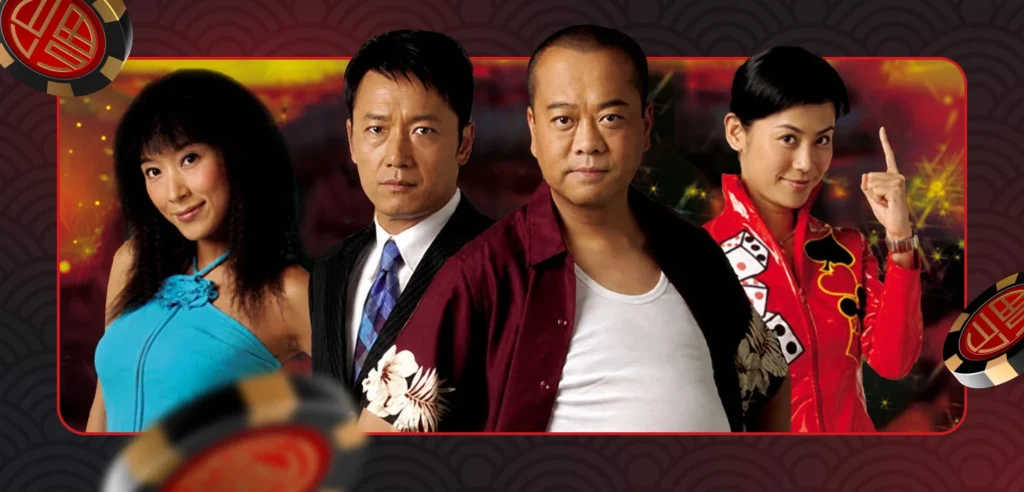
Dicey Business (2006): This acclaimed TVB production is a cornerstone of classic Asian casino dramas. The series blends casino drama, poker, family conflict, and the rivalry between gamblers with very different attitudes toward money and risk.
South Korea: Gritty K-Dramas and Streaming Epics
South Korea has mastered the art of creating premium Asian casino dramas, utilizing massive budgets, A-list actors, and gripping, emotionally devastating storylines. Moving away from the magical realism of older shows, modern Korean television focuses on the gritty, often tragic realities of casino politics, underground betting, and the corrupting nature of absolute wealth.
All In (2003): Inspired by the life of Korean professional poker player Jimmy Cha, All In follows an ambitious gambler whose life becomes intertwined with casinos, organized crime, money, and romance. Starring Lee Byung-hun, the series helped introduce the Korean public to the rules, glamour, and strategy of modern casino games.
Tazza (2008): The 2008 SBS gambling drama Tazza, based on the manhwa by Huh Young-man and Kim Se-yeong, focuses heavily on the traditional game of Hwatu. This format allowed the writers to dive much deeper into the tragic backstories of the characters and the intricate, slow-moving cons that define Korea's illicit underground gambling parlors.
Triangle (2014): A gripping melodrama that uses the casino industry as the backdrop for a tragic family reunion. The show heavily features Texas Hold'em, following three brothers separated at birth who unknowingly reunite years later in the casino world.
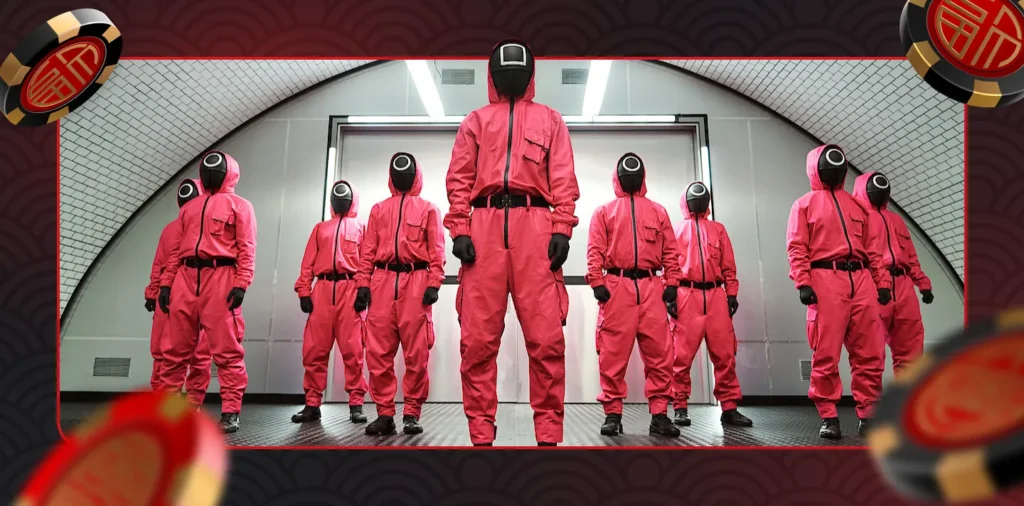
Squid Game (2021): While Squid Game is primarily a survival thriller rather than a gambling series, its debt-driven characters, high-stakes games, and wealthy spectators connect it to the broader Asian tradition of using games to explore money, inequality, and desperation.
Big Bet / Casino (2022): A monumental Disney+ original starring acting legend Choi Min-sik, this series chronicles the turbulent life of Cha Mu-sik, a man who rises from extreme poverty to become a legendary casino kingpin in the Philippines. It is a masterful, slow-burn crime saga that meticulously details VIP junket operations and casino politics.
Japan: Psychological Anime and Mind Games
Japan dominates a highly specific, universally beloved niche: Japanese gambling anime and their subsequent live-action television adaptations. These shows are cerebral masterpieces, focusing entirely on extreme game theory, mathematical probability, and the total psychological breakdown of opponents in bizarre, high-pressure scenarios.
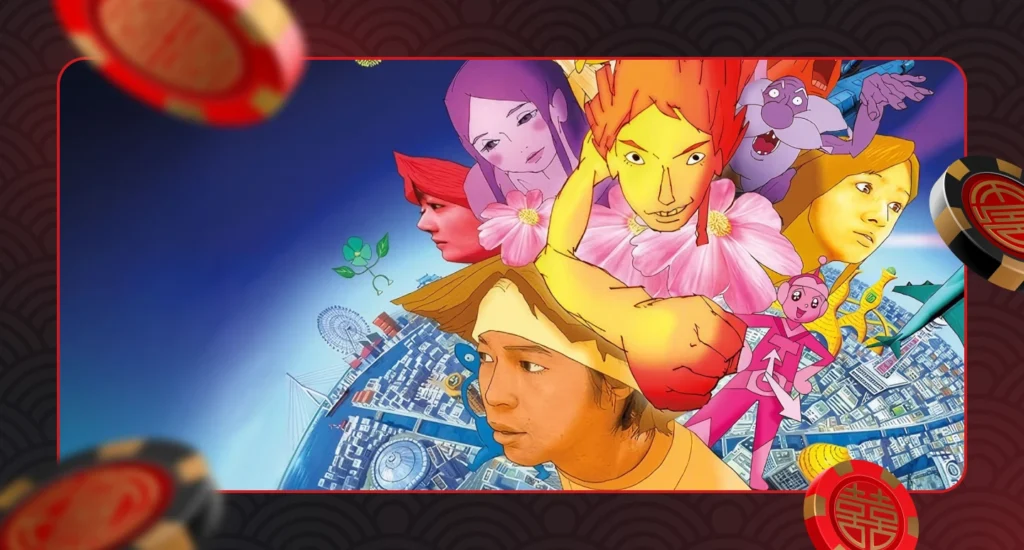
Kaiji: Ultimate Survivor (Anime, 2007): The undisputed king of Japanese gambling anime, Kaiji follows a heavily indebted loser forced to survive a series of deadly gambles on a cruise ship. The show is a brilliant, agonizing exploration of human desperation, featuring 20-minute internal monologues in which the protagonist tries to deduce his opponent's next move mathematically.
Liar Game (Live-Action Series, 2007): This gripping Fuji TV drama centers on a tournament in which contestants are given large sums of cash and told to trick one another into debt. Eschewing action in favor of pure intellect, it is a masterclass in game theory, logical paradoxes, and the philosophical battle between radical honesty and cynical deception.
Kakegurui (Anime & Live-Action Series, 2017): Set in Hyakkaou Private Academy, where the student hierarchy is determined solely by gambling winnings, Kakegurui is a frantic, theatrical masterpiece. The series features characters who feel extreme euphoria when they take insane, logic-defying risks with their lives and fortunes.
Tōhai (Anime, 2024): A gritty, modern addition to the genre, Tōhai follows Kei, a high school student who operates as a ruthless, unbeatable Mahjong player in the deadly underground world. The series perfectly captures the dark, suffocating atmosphere of illegal betting parlors where the stakes often involve human trafficking and extreme violence.

The Visual Language and Tropes of the Felt
What truly sets an Asian gambling series apart from standard television thrillers is its distinct visual language and masterful manipulation of pacing. In a typical action drama, tension is built through physical conflict, chases, or violence. However, in Asian casino dramas and mind-game thrillers, the ultimate battleground is often confined to a small, brightly lit table. This limitation requires directors and animators to find creative ways to make a static card game feel as explosive and dynamic as a physical brawl.
To achieve this gripping atmosphere, filmmakers rely heavily on extreme close-ups, prolonged silences, and the meticulous "squeezing" of cards. Slowly peeling back a playing card or a Hwatu tile to reveal its value - a time-honored tradition in real-world Asian casinos, particularly in Macau - has been elevated to an art form on television. Entire minutes of screen time are often dedicated to a character's shaking hands, a single bead of sweat running down a forehead, or the subtle micro-expressions of a cornered opponent. This deliberate, slow-burn pacing forces the audience to experience the exact same suffocating anxiety as the players on screen.
Another iconic storytelling device, particularly prevalent in Japanese gambling anime, is the extensive use of internal monologues. Because the stakes in these shows involve complex game theory, logical traps, and psychological deception, viewers need to understand the mathematical calculations and bluffs running through a protagonist's head. Shows like Kaiji and Akagi spend vast amounts of time visualizing these mental gymnastics, turning abstract probability into dramatic visual metaphors - such as a character walking a tightrope over a bottomless pit, or being crushed by massive, imaginary poker chips.
By combining these stylized visual elements, a great Asian poker series transforms the intellectual exercise of gambling into a visceral, deeply emotional viewing experience. The camera doesn't just show us who wins or loses the hand; it exposes the raw human desperation, greed, and absolute genius driving every wager.
How Modern Streaming Is Changing Asian Gambling Series
Streaming platforms have given Asian casino dramas more room to explore complex characters, darker themes, and longer story arcs. At the same time, modern audiences are more familiar with real-world poker and casino culture through livestreams, social media, and international tournaments.
That does not mean fictional gambling has become fully realistic. Many popular series still rely on exaggerated games, extraordinary characters, and dramatic twists. The difference is that modern productions can combine those elements with more recognizable gambling environments and a wider understanding of how casino and poker culture works. Streaming productions can also devote more screen time to realistic casino environments, poker tables, and the details of high-stakes gambling.
These series may dramatize gambling, but the real story is happening beyond the screen. Across Asia, poker has grown from a niche card game into a major tournament phenomenon, supported by regional tours, international events, and increasingly ambitious poker festivals.
But Asian gambling culture does not stop at television and streaming platforms. Cinemas have taken these themes even further, creating movies built around poker, casino games, psychological battles, and high-stakes gambling.
About the Editor

Gyöngyi P. Tóth is Somuchpoker's Content Writer and Poker Stories Specialist, writing Side Pot features, WSOP storylines, and the site's Poker in Pop Culture and Legends of Poker series. She was introduced to poker 20 years ago through live tournament play, and what has kept her interest since is the psychology and human behavior behind the game as much as the cards themselves.
Related News
 LifestyleStories
The Purple Jacket: History & Champions of the Poker Masters
Discover the history of the most exclusive trophy in high roller poker: the Poker Masters Purple Jacket. Learn how the PGT leaderboard works and see the champions.
 Live PokerLifestyle
Off the Felt in Sanya: The Best Things to Do Away From the CPG Tables
Discover six outdoor things to do in Sanya away from CPG, from paddleboarding and surfing to rainforest walks and canyon stream trekking.
 Live PokerLifestyle
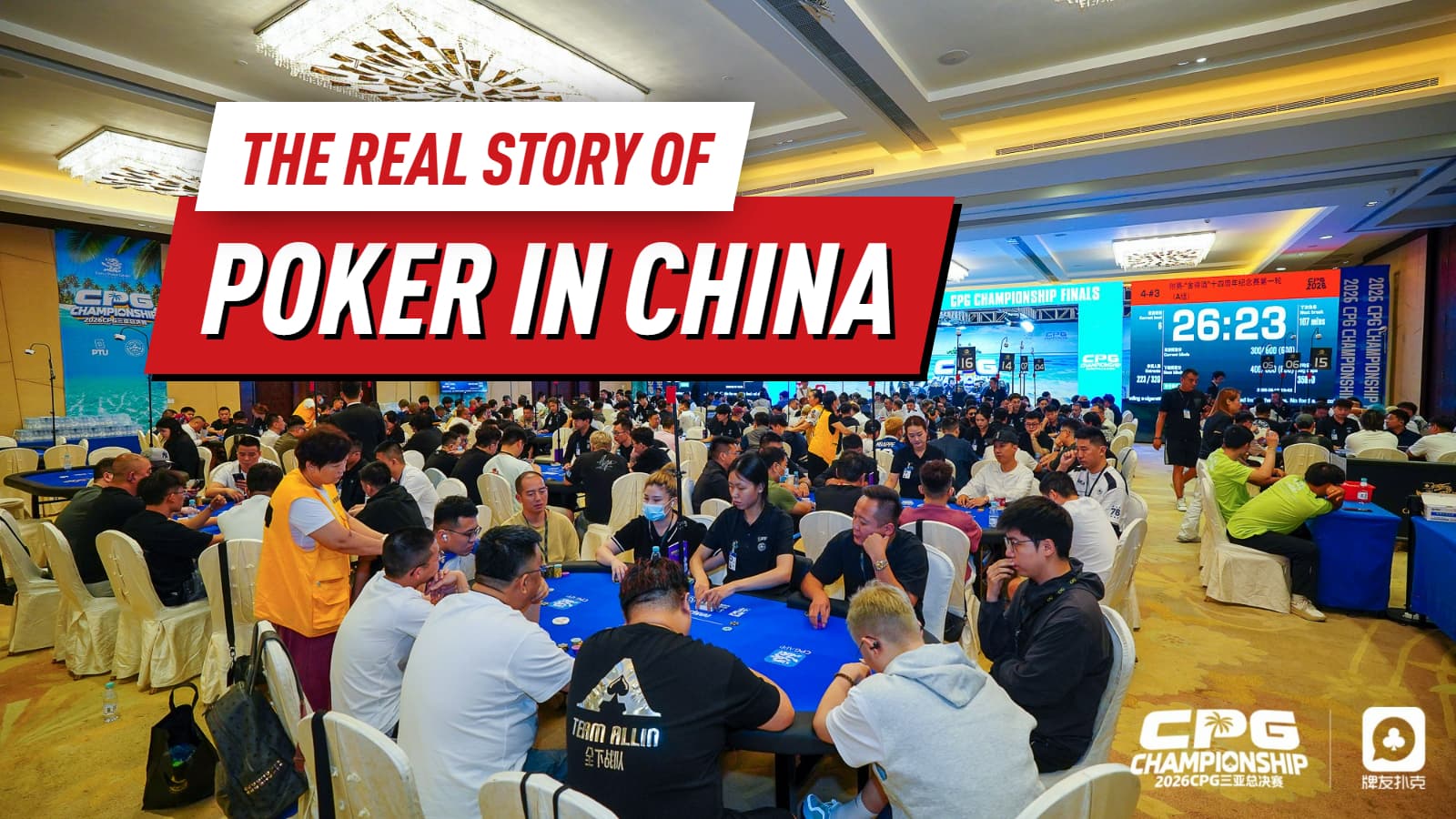
Is There Really Poker in China? Inside the Country’s Growing Tournament Scene
Is there really poker in China? Discover how CPG uses online qualification and organised competition to grow the country’s tournament scene.
 LifestyleAsiaStories
Asia's Poker Revolution - Cinema on the Felt: The Ultimate Guide to Asian Gambling Movies
Discover the ultimate guide to Asian gambling movies. From Hong Kong classics to intense Korean casino thrillers, explore high-stakes cinema on the felt.
 LifestyleStories
Poker in Pop Culture - Kakegurui and Poker: Why the Bet Series Appeals to Poker Fans
Discover why Kakegurui and Netflix's Bet appeal to poker fans through bluffing, psychology, risk-taking, and the strategic mind games that define both worlds.
 LifestyleStories
Poker in Pop Culture - Reality Poker TV Shows
Discover the best poker TV shows, from High Stakes Poker to Poker After Dark. Relive the poker boom and the unforgettable moments that captivated millions.