

Asia's Poker Revolution - Cinema on the Felt: The Ultimate Guide to Asian Gambling Movies

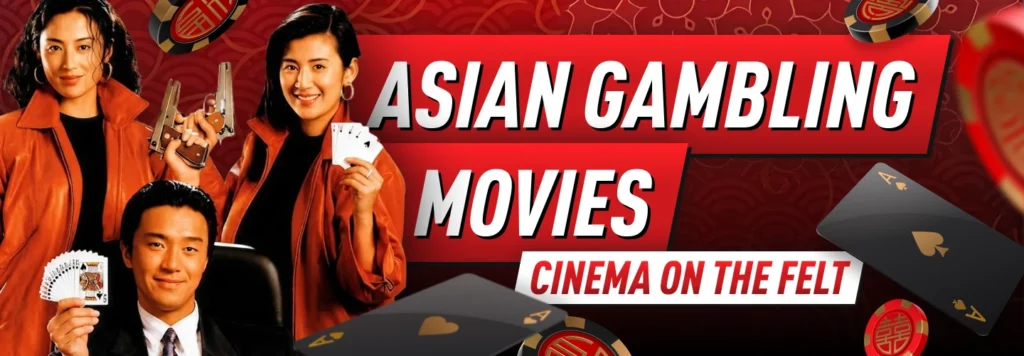
Asian gambling movies represent one of the most culturally unique, wildly entertaining, and commercially successful subgenres in global film history. Long before Western audiences embraced poker movies like Rounders or glamorous casino capers like Ocean's Eleven, filmmakers across East Asia were already building massive cinematic empires in Asian high-roller cinema, focusing on card sharks, mahjong masters, and underground betting rings.
Asian gambling movies offer a fascinating perspective on games of chance, skill, deception, and risk. While Asian poker cinema is an important part of this tradition, it is far from the only game featured on screen. Whether you are searching for the best Asian card playing movies set in the neon-lit, multi-million-dollar environments of modern Macau, or dark, blood-stained dens of Seoul's underworld, these films have captivated millions of viewers worldwide by blending high-octane action with deep-seated cultural attitudes toward luck and skill.
While this curated list is by no means exhaustive, it highlights the most essential masterpieces and milestones that define the genre.
The Evolution of Asian Gambling Cinema
One of the most influential eras in Asian gambling cinema began in Hong Kong in the late 1980s. Amid unprecedented economic growth and urban transformation, audiences in Hong Kong and across Southeast Asia became fascinated by stories of rapid wealth, dramatic reversals of fortune, and individuals who could conquer fate through sheer audacity and skill.
Director Wong Jing revolutionized the genre in 1989 with the release of God of Gamblers, setting off a massive cinematic wave that popularized Asian high-roller cinema across the continent. The film smashed box-office records, earning over HK$ 37M domestically and helping establish Asian gambling movies as a major commercial genre in Hong Kong cinema. Rather than presenting gambling as a purely destructive vice, early Hong Kong films treated gameplay as a respected discipline - a blend of martial arts, mental acrobatics, and theatrical performance.
As the turn of the millennium approached, the genre expanded beyond Hong Kong's borders and evolved to reflect changing regional gaming cultures. South Korea began producing dark, realistic noir narratives, creating the ultimate Asian casino thrillers that exposed the brutal human cost of illicit betting rings. Meanwhile, Japan tapped into its vibrant manga industry to create mind-bending psychological dramas focused on game theory, logic, and existential stakes.
Two Different Traditions of Gambling Cinema
While many Western gambling films focus on casino operations, crime, or the mechanics of specific games, Asian gambling movies have often placed greater emphasis on larger-than-life gamblers, psychological battles, family loyalty, revenge, and personal honor. A Hollywood film might emphasize the probability mechanics of blackjack or the technical execution of a casino robbery, whereas an Asian gambling movie often treats a single card hand as an epic duel between two distinct philosophies, egos, and souls.
One of the most defining tropes of Asian poker cinema and traditional gambling films is the archetype of the "God-like Master". In classics like God of Gamblers, the protagonist is not merely a skilled player; they possess near-supernatural talent, perfect photographic memory, and the uncanny ability to manipulate their opponents' perceptions. This trope taps into deep-rooted Asian storytelling traditions, in which masters of Go, Mahjong, or Kung Fu dedicate their lives to achieving absolute spiritual and technical mastery.
Western Cinema Tendencies | Asian Cinema Tendencies |
|---|---|
Focus on Heists, Operations & Math | Mental Martial Arts & Psychological Duels |
Realistic Odds & Probability | "God-Like" Master Archetypes |
Money & Material Wealth | Honor, Revenge, Loyalty & Dignity |
Law vs. Criminality | Extreme Physical, Social & Existential Risk |
Another major difference is the extreme severity of the stakes on screen. In Western cinema, losing a poker hand usually means financial ruin or the loss of a stack of chips. In some Korean and Japanese gambling thrillers, the stakes can extend far beyond money, with characters risking their freedom, safety, reputation, or even their lives.
Furthermore, psychological warfare in Asian gambling movies relies heavily on the theatrical visual translation of "tells" and mental pressure. When a player bluffs in a Japanese or Korean thriller, the film visually manifests their internal struggle through distorted camera angles, dramatic lighting shifts, and extreme close-ups.
From Ancient Tiles to Texas Hold'em: The Games That Shaped the Screen
To truly appreciate Asian casino thrillers, one must understand that the cinematic felt extends far beyond standard playing cards. While Western films are dominated almost exclusively by poker and blackjack, Asian filmmakers have drawn on a rich tapestry of traditional regional games, each bringing its own distinct cinematic rhythm and psychological depth.
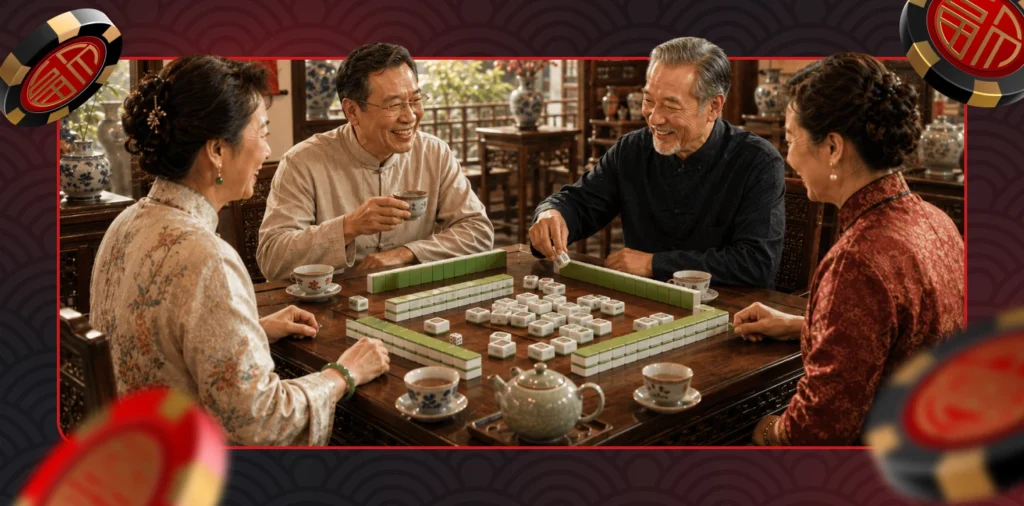
Mahjong (The Game of Fate and Family): Mahjong has played a major role in numerous Chinese-language films, becoming a staple of Asian gambling movies, particularly in Hong Kong cinema. Played with four players, Mahjong combines complex probability, pattern recognition, and social strategy. In films like Fat Choi Spirit, Mahjong is depicted not just as a gambling pastime, but as a reflection of a person's character, patience, and karmic luck.
Hwatu / Go-Stop (The Game of the Underworld): In South Korean cinema, the traditional floral card game of Hwatu is a frequent symbol of illicit underground betting, making it central to many Asian casino thrillers. Played with small, rigid plastic cards, Hwatu requires lightning-fast hand movements and sleight of hand. The legendary Tazza franchise built its early identity around the secretive mechanics, sleight-of-hand tricks, and bloody disputes of underground Hwatu parlors.
Baduk / Go (The Ultimate Mind Sport): Baduk offers an exceptionally complex strategic foundation for Asian gambling movies built around intellectual competition and psychological pressure. Representing the absolute pinnacle of strategic complexity, Baduk in films like The Divine Move represents pure intellectual combat, where every stone placed is a tactical strike against the opponent's sanity.
Texas Hold'em (The Modern Global Standard): As Western-style poker exploded across Taiwan, Vietnam, Korea, and Macau, modern Asian poker cinema eagerly adopted Texas Hold'em. Modern films use poker to reflect a new, international generation of players - analytical, globally connected, and competing for multi-million-dollar prize pools on live streams.
Regional Masterpieces and Deep Dives
Hong Kong: The Birthplace of the Genre
Hong Kong remains the spiritual homeland of Asian gambling movies, establishing a cinematic legacy built on theatrical flair, charismatic antiheroes, and iconic characters. With massive box-office receipts throughout the 1990s, Hong Kong filmmakers created a golden age of gambling cinema that continues to influence directors of Asian high-roller cinema worldwide.
Film Title | Release Year | Key Game Featured |
|---|---|---|
God of Gamblers | 1989 | Poker / Mahjong / Dice |
All for the Winner | 1990 | Supernatural Card Play |
The Conman | 1998 | Underground Bet Hustling |
Fat Choi Spirit | 2002 | High-Stakes Mahjong |
Poker king | 2009 | Modern Texas Hold'em |
God of Gamblers (1989): Wong Jing's seminal masterpiece transformed Chow Yun-fat into an international cinematic icon and launched an entire genre. Chow plays Ko Chun, a legendary gambler who suffers amnesia after an accident. Blending slapstick comedy with intense high-stakes battles across Poker, Mahjong, and Dice, the film established timeless tropes like the jade pinky ring, signature chocolate eating, and dramatic slow-motion entrances.
All for the Winner (1990): Stephen Chow’s brilliant parody of God of Gamblers proved that comedic parodies could rival the box office success of the films they mocked. The film was a massive blockbuster, smashing Hong Kong box office records and launching Stephen Chow's career as the undisputed king of Asian comedy.
The Conman (1998): Directed by Wong Jing and starring Andy Lau, The Conman shifted the genre toward modern underground hustling and psychological deception. The film delves deeply into the mechanics of bluffs, rigged games, and the psychological tricks used to manipulate greedy opponents.
Fat Choi Spirit (2002): This beloved Lunar New Year comedy uses the game of Mahjong as a hilarious yet profound metaphor for life, fortune, and family harmony. The film is widely celebrated for its philosophical message: true mastery is not about winning with good cards, but playing bad hands with dignity.
Poker King (2009): Widely considered one of the best Asian card-playing movies focusing explicitly on modern Texas Hold'em, Poker King captured the glitz and international glamour of Macau's rising poker scene. The film prominently features real-world poker concepts, tournament structures, and cameos from genuine international poker professionals like Johnny Chan and David Rheem.

South Korea: Gritty Underworld Thrillers
South Korean filmmakers reimagined the genre by fusing narrative arcs with dark, visceral noir stories, creating some of the most intense Asian casino thrillers to date. Eschewing the comedic elements of Hong Kong cinema, Korean directors focus heavily on realism, criminal syndicates, and brutal revenge stories.
Tazza: The High Rollers (2006): Directed by Choi Dong-hoon, Tazza: The High Rollers became a certified box office phenomenon in South Korea. The movie is universally praised for its slick editing, incredible ensemble cast, and authentic look into illicit Korean gambling dens.
Tazza: The Hidden Card (2014): The stylish sequel to Tazza elevated the franchise's visual aesthetic while diving even deeper into the emotional betrayals of high-stakes gambling. Following Goni's nephew, Ham Dae-gil, the film tracks his meteoric rise in Seoul's flashy gambling houses before a devastating betrayal forces him into the underground street market.
The Divine Move (2014): By pairing the ancient board game of Baduk (Go) with brutal martial arts action, The Divine Move created a uniquely thrilling revenge story. Although The Divine Move is not a casino film, it belongs in the broader tradition of Asian gambling movies because its central conflicts revolve around high-stakes Go games, wagers, and underground gambling.
Tazza: One Eyed Jack (2019): Transitioning the franchise to modern Texas Hold'em, this installment brings team-based strategies to the Korean big screen. It combines poker, deception, teamwork, and high-stakes gambling with a crime-thriller storyline.
The Divine Move 2: The Wrathful (2019): This dark spin-off prequel expanded the universe by exploring the shadowy, ruthless world of professional board game betting in the 1990s. Featuring wildly inventive wager formats, the movie is an action-packed visual spectacle.

Japan: Psychological Warfare and Mind Games
Japanese Asian gambling movies stand completely apart from the rest of Asia due to their deep roots in psychological manga, favoring intense mind games over physical violence. These films feature intricate game theory, complex logic puzzles, and desperate debts.
Kaiji: The Ultimate Gambler (2009): Based on Nobuyuki Fukumoto's legendary manga, Kaiji delivers a heart-pounding look at desperate, indebted players competing in deadly games of chance. The film is an intense critique of corporate greed, social inequality, and human resilience under extreme mental pressure.
Liar Game: The Final Stage (2010): Adapted from Shinobu Kaitani's acclaimed manga series, Liar Game is a masterclass in game theory, logical deduction, and psychological manipulation. The film relies entirely on intellectual strategy, mathematical paradoxes, and complex game mechanics rather than action.
Kaiji 2: Return to the Game (2011): Expanding on the massive success of its predecessor, Kaiji 2 brings the protagonist into a high-tech underground casino for an impossible confrontation. The film showcases incredible mechanical ingenuity, team strategy, and the psychological breakdown of corrupt opponents.
Kakegurui The Movie (2019): Set in an elite high school where social hierarchy is strictly determined by gambling skill, Kakegurui is a stylized visual spectacle. With exaggerated facial expressions, intense theatrical performances, and bizarre game variants, it captures anime's frantic energy in live action.
Usogui (2022): Featuring a brilliant, eccentric gambler known as the "Lie Eater", Usogui showcases high-stakes wagers against a shadowy organization controlling Japan's underworld. The film blends psychological mind games, deception, and martial arts into a visually stylish thriller.

India and Taiwan: Unique Regional Flavors
Beyond the primary powerhouses, countries like India and Taiwan have contributed unique regional perspectives to the global library of Asian high-roller cinema. These films highlight how gaming uniquely intersects with local social structures and street-level hustle.
Teen Patti (2010): Featuring Hollywood legend Ben Kingsley alongside Bollywood megastar Amitabh Bachchan, Teen Patti explores probability theory and mathematics through card play. The film explores the connection between probability theory, gambling, ambition, and the human desire to predict uncertain outcomes.
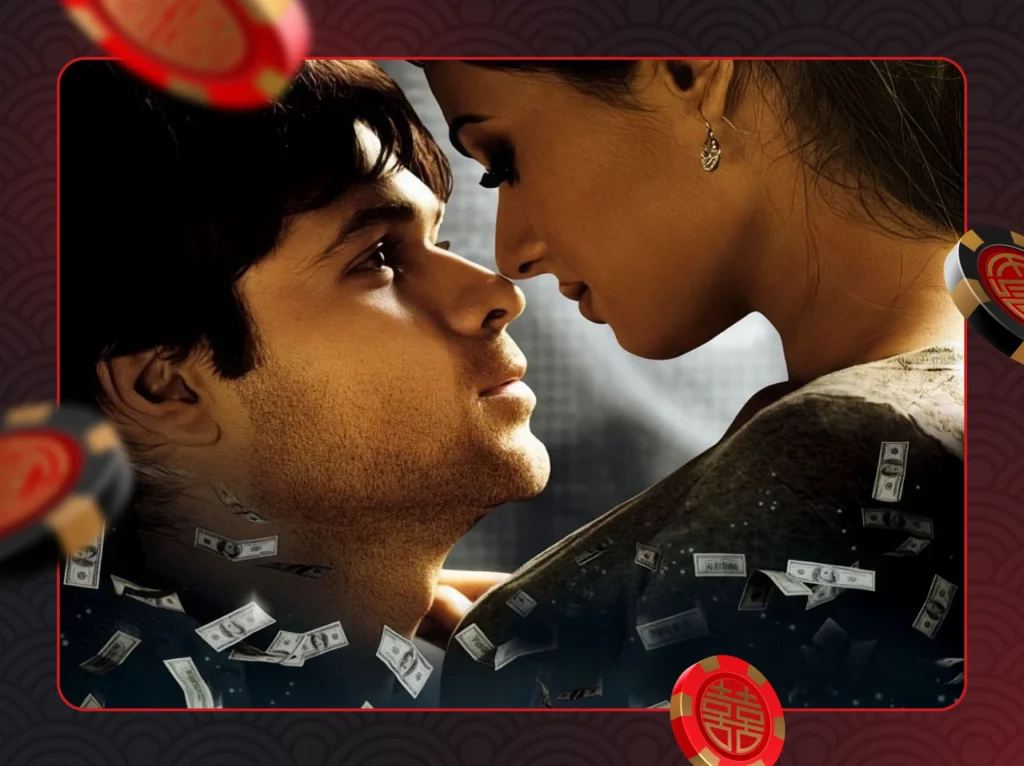
Jannat (2008): This blockbuster Indian crime drama captures the dark allure of rapid wealth accumulation. The film follows Arjun, a small-time bookie whose ambition and love of gambling draw him deeper into cricket betting and match-fixing.
Mahjong (1996): Edward Yang's critically acclaimed classic uses the Taipei underworld and its ambitious hustlers to deliver a sharp critique of modern greed. The film uses deception, bluffing, and risk calculation around its mahjong-centered world as a metaphor for Taiwan's rapid urbanization and changing social values.
How Real Poker Has Influenced Modern Asian Gambling Cinema
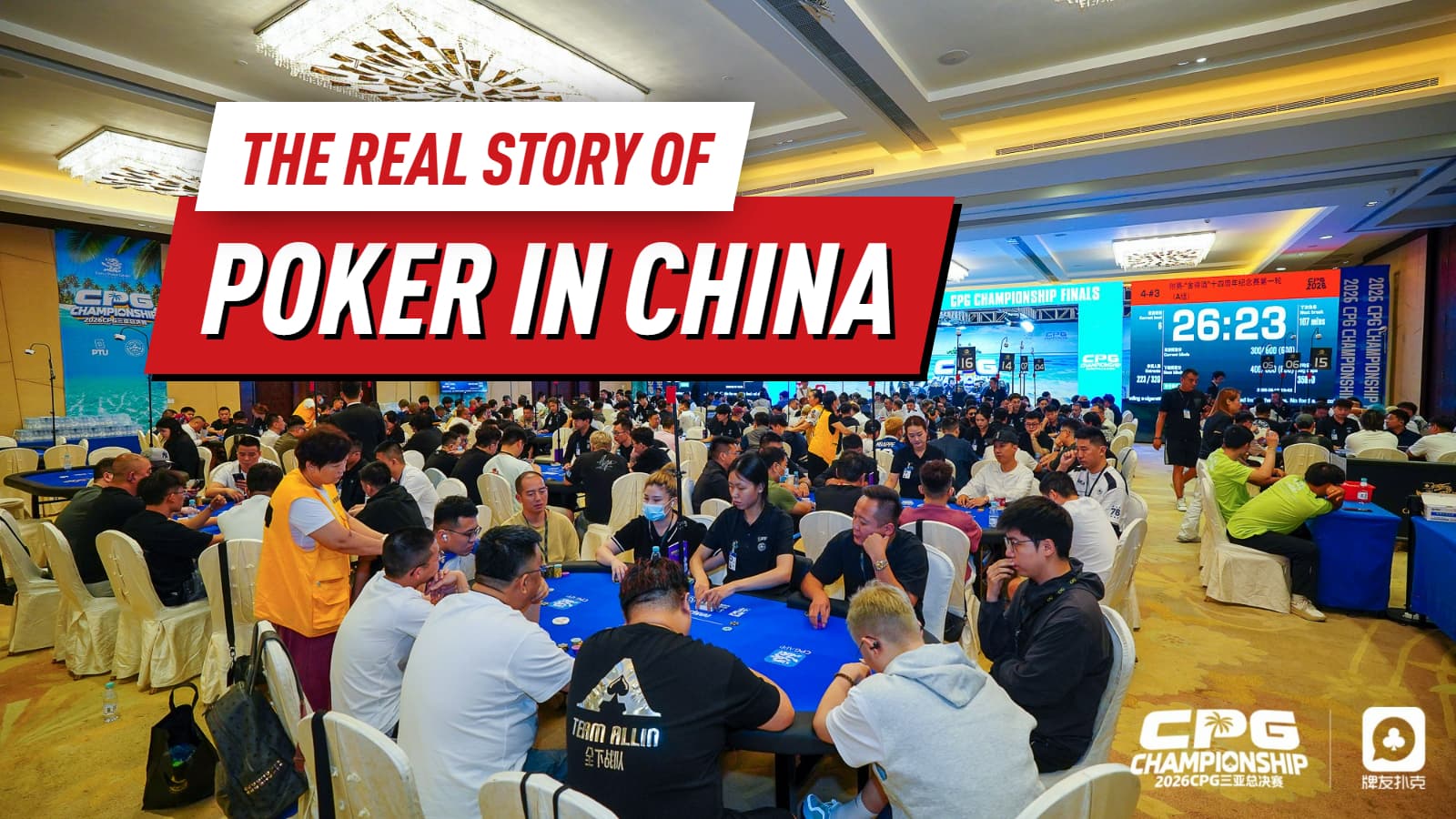
The growth of live poker and international tournament circuits has also given filmmakers a wider vocabulary for portraying modern Asian gambling movies. Poker is now more widely recognized as a global competitive game, and Asian audiences can follow major tournaments via livestreams and social media.
That does not mean contemporary films have abandoned the larger-than-life style of earlier gambling movies. Instead, modern productions often combine recognizable poker concepts with the psychological pressure, crime, revenge, and spectacle that have long defined Asian gambling stories.
Today's Asian poker cinema successfully bridges the gap between historical tradition and the modern poker boom. By infusing the classic tropes of honor and extreme stakes with the globally recognized mechanics of Texas Hold'em, filmmakers continue to honor their roots while appealing to a new generation of poker enthusiasts.
Conclusion
Asian gambling movies have transcended mere entertainment, becoming a captivating reflection of skill, fate, and human psychology. From the iconic, slow-motion entrances of Chow Yun-fat in Hong Kong classics to the dark, heart-pounding thrillers of South Korea and the intricate game-theory puzzles of Japan, this unique cinematic genre has built an enduring legacy.
For poker enthusiasts and cinema lovers alike, exploring the best Asian card-playing movies offers a rich, unforgettable journey. As the continent's real-world poker boom continues to shatter records, Asian filmmakers will undoubtedly keep pushing the boundaries of high-stakes storytelling, creating legendary new masterworks for generations of viewers.
But Asian gambling culture does not stop at the cinema. Television and streaming platforms have taken these themes even further, creating series built around poker, casino games, psychological battles, and high-stakes gambling.
About the Editor

Gyöngyi P. Tóth is Somuchpoker's Content Writer and Poker Stories Specialist, writing Side Pot features, WSOP storylines, and the site's Poker in Pop Culture and Legends of Poker series. She was introduced to poker 20 years ago through live tournament play, and what has kept her interest since is the psychology and human behavior behind the game as much as the cards themselves.
Related News
 Live PokerLifestyle
Off the Felt in Sanya: The Best Things to Do Away From the CPG Tables
Discover six outdoor things to do in Sanya away from CPG, from paddleboarding and surfing to rainforest walks and canyon stream trekking.
 LifestyleAsiaStories
Asia's Poker Revolution - Streams on the Felt: The Ultimate Guide to Asian Gambling Series
Discover the ultimate guide to Asian gambling series and shows. From Korean Asian casino dramas to intense Japanese gambling anime, explore high-stakes TV.
 Live PokerLifestyle
Is There Really Poker in China? Inside the Country’s Growing Tournament Scene
Is there really poker in China? Discover how CPG uses online qualification and organised competition to grow the country’s tournament scene.
 LifestyleStories
Poker in Pop Culture - Kakegurui and Poker: Why the Bet Series Appeals to Poker Fans
Discover why Kakegurui and Netflix's Bet appeal to poker fans through bluffing, psychology, risk-taking, and the strategic mind games that define both worlds.
 LifestyleStories
Poker in Pop Culture - Reality Poker TV Shows
Discover the best poker TV shows, from High Stakes Poker to Poker After Dark. Relive the poker boom and the unforgettable moments that captivated millions.
 NewsLifestyleiGamingOnline Casino
xQc Net Worth 2026: The Money and Life Story of Félix Lengyel
xQc net worth is ~$50M in 2026. See his high-stakes Stake casino streams - $3K spins, bonus buys and crash - plus his full life story.