

Poker in Pop Culture - Best Poker Novels Every Poker Fan Should Read

Poker has inspired countless movies, television shows, and songs, but some of the game's most compelling stories are found in novels. Unlike films, books can take readers inside a player's mind, revealing every doubt, bluff, and difficult decision. A poker hand may last only a few minutes at the table, yet in a novel it can become a window into ambition, fear, confidence, and human nature.
That is why the best poker novels are about far more than winning money. They explore trust, deception, pride, greed, and the risks people take when everything is on the line. Whether the story follows a professional player chasing greatness or an ordinary person caught in an extraordinary game, poker often serves as a metaphor for life itself.
For poker fans, these books offer another chance to experience the excitement of the game. For readers who have never played a hand, they offer suspenseful stories in which every decision matters. The best authors understand that the real drama is rarely found in the cards - it comes from the people holding them.
"The cards are merely tools. The real game is always between the players." - a recurring theme found throughout classic poker literature.
Why Poker Works So Well in Fiction
Few games lend themselves to storytelling as naturally as poker. Unlike many casino games, poker is not simply a battle against luck. Every hand involves hidden information, psychological pressure, calculated risks, and imperfect decisions. Those elements make poker a perfect literary device.
When an author places two characters across a poker table, the game immediately creates tension. Readers know that someone may be bluffing, hiding fear, or making a dangerous gamble. Every bet becomes part of the conversation, even when nobody says a word.
That is why poker in fiction often reflects situations outside the casino. A player pushing all of their chips into the middle is not only risking money - they may also be risking their reputation, relationships, or future. Folding can represent wisdom, while bluffing can symbolize confidence, desperation, or even self-deception.
Unlike action scenes, poker allows writers to build suspense slowly. A single hand can stretch over several pages as readers follow every thought, every hesitation, and every subtle clue. This psychological depth is one reason why poker continues to inspire authors decades after the game's rise in popularity.
The strongest gambling novels also avoid treating poker as pure chance. They recognize that success comes as much from observation, discipline, and emotional control as from the cards themselves. Even readers unfamiliar with poker can appreciate these universal themes because they mirror decisions people make in everyday life.
The Symbolism Behind Every Poker Hand
One reason poker appears so frequently in literature is its powerful symbolism. Many poker terms have become part of everyday language because they describe situations far beyond the card table.
Consider some of the game's most familiar concepts:
Poker Concept | What It Often Represents in Fiction |
|---|---|
Bluffing | Hiding true feelings or intentions |
Going all-in | Taking a life-changing risk |
Folding | Accepting defeat or making a wise retreat |
Reading opponents | Understanding human behavior |
A bad beat | Coping with unfair setbacks |
Keeping a poker face | Maintaining emotional control |
These ideas resonate because everyone experiences similar moments in life. We all bluff from time to time, hide our emotions, or take risks without knowing the outcome. That is why poker scenes often remain memorable even for readers who have never visited a casino.
The best writers understand that poker should never dominate the story. Instead, the game becomes another way to reveal character. A reckless player may represent ambition without discipline. A cautious player might fear failure. Someone who never folds could symbolize determination - or dangerous pride.
This balance separates the best poker novels from stories that simply happen to include card games. Authentic poker scenes are not exciting because someone wins a huge pot. They are exciting because every decision tells us something about the people involved.
As poker author and commentator Anthony Holden once observed, poker is often described as a game played "in the mind". That psychological battle is precisely what makes it so appealing to novelists, who can explore thoughts and motivations in far greater detail than almost any other form of entertainment.
From Classic Tales to Modern Poker Stories
Poker has appeared in fiction for more than a century, but not every novel captures the game equally well. While some gambling novels rely on familiar Hollywood clichés, others present poker with remarkable realism and emotional depth.
In the next section, we'll look at five of the best poker novels ever written and examine why they continue to resonate with readers today. From timeless classics to modern stories set during the poker boom, each book offers a different perspective on the game's unique ability to reveal character under pressure.
Best Poker Novels That Every Player Should Read
Some poker novels have become classics because they capture the atmosphere of the game so well. Others stand out by using poker to explore ambition, obsession, or the difficult choices people make under pressure.
Whether you're an experienced player or simply enjoy a good story, these books deserve a place on your reading list.
The Cincinnati Kid – Richard Jessup
If there is one novel that belongs on every list of the best poker novels, it is The Cincinnati Kid by Richard Jessup.
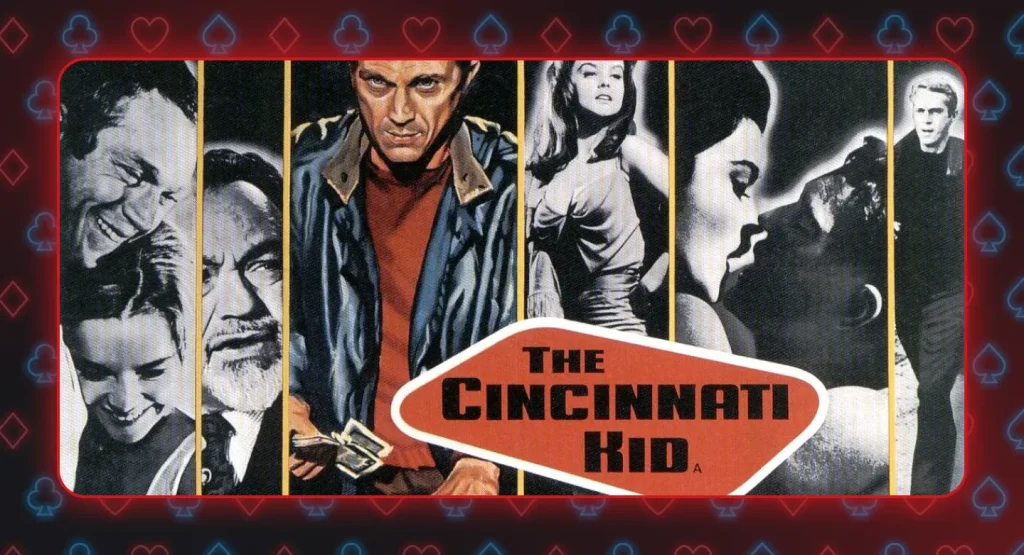
Originally published in 1963, the novel follows Eric "The Kid" Stoner, a talented young poker player determined to prove he is the best by challenging the legendary Lancey Howard. On the surface, the story is about one unforgettable poker game. In reality, it explores pride, ambition, and the price of chasing greatness.
Unlike many examples of poker in fiction, Jessup doesn't rely on impossible hands or dramatic coincidences. The tension comes from the personalities around the table. Every decision feels meaningful because readers understand what is at stake emotionally, not just financially.
For poker players, one lesson stands out above all others: talent alone is never enough. Confidence can easily become overconfidence, and even great players must deal with pressure when everything is on the line.
The novel's influence grew even greater after its acclaimed 1965 film adaptation starring Steve McQueen, which introduced millions of viewers to the psychological battles of poker. Even today, many professionals consider The Cincinnati Kid one of the finest examples of poker literature ever written.
Shut Up and Deal – Jesse May
While The Cincinnati Kid represents poker's classic era, Jesse May's Shut Up and Deal captures the spirit of modern professional poker.
This novel follows Mickey Dane, an English poker player trying to survive in the high-stakes gambling world. Instead of glamorous casinos and cinematic showdowns, readers experience long sessions, financial swings, personal relationships, and the emotional roller coaster familiar to many serious players.
One reason the book stands out among gambling novels is its authenticity. Jesse May spent years around professional poker, and that experience is evident throughout the story. The conversations feel natural, the players believable, and the victories never come easily.
Rather than portraying poker as a shortcut to wealth, the novel highlights the sacrifices required to make a living from the game. Readers see the constant uncertainty that comes with relying on skill in a world where short-term luck can influence every session.
For anyone curious about life during the poker boom years before online poker transformed the industry, Shut Up and Deal remains one of the most realistic novels ever written.
The Music of Chance – Paul Auster
At first glance, Paul Auster's The Music of Chance might seem like an unusual inclusion. It is not strictly a poker novel, yet it deserves its place because it examines many of the same themes that define poker itself.
The story follows Jim Nashe, whose life changes after meeting a professional gambler named Jack Pozzi. Together, they become involved in a high-stakes card game against two eccentric millionaires, leading to consequences neither could have predicted.
Unlike traditional books with poker scenes, Auster uses gambling as a philosophical device. Questions about fate, freedom, luck, and personal responsibility drive the narrative far more than the outcome of individual hands.
Readers looking for detailed poker action may find less of it here than in other books on this list. However, those interested in the psychological aspects of gambling will appreciate how the novel explores uncertainty and the consequences of risk-taking.
It serves as a reminder that poker stories do not always need tournament victories or dramatic bluffs to be memorable. Sometimes the most compelling gamble is the one characters make with their own lives.
King of a Small World – Rick Bennet
When it comes to poker in fiction, Rick Bennet's King of a Small World offers one of the most realistic portrayals of the tournament scene.
The novel follows Joey Spina, a talented poker player navigating the competitive tournament circuit while balancing friendships, personal ambition, and family responsibilities. Unlike many fictional heroes, Joey feels like a genuine grinder trying to build a career one tournament at a time.
What makes this book particularly enjoyable for poker fans is its attention to detail. The tournament structures, player interactions, and emotional highs and lows closely resemble real-life poker experiences.
Instead of relying on dramatic final-hand miracles, Bennet focuses on patience, discipline, and the mental endurance required to succeed over long tournaments. That realism makes King of a Small World stand out as one of the best poker novels in contemporary fiction.
Readers who regularly follow events like the World Series of Poker (WSOP) or the World Poker Tour (WPT) will recognize many familiar situations, making the novel especially relatable.
Cards – Jonathan Maxwell
Jonathan Maxwell's Cards may not be as famous as some of the other titles on this list, but it offers an interesting perspective on poker and human relationships.
Rather than concentrating solely on professional gambling, the novel explores how poker brings together people from different backgrounds, each carrying their own ambitions, fears, and secrets.
Unlike many other books with poker scenes, the card games here support the story rather than dominate it. Every hand reveals something about the players' personalities, allowing readers to understand their motivations through the decisions they make at the table.
This character-driven approach is one reason the novel deserves consideration as one of the best poker novels. It demonstrates that poker can be a storytelling tool rather than simply the subject of the story.
For readers who prefer psychological drama to tournament strategy, Cards offers a refreshing alternative to traditional gambling fiction.
More Than Just Gambling Stories
Although these five books differ greatly in style, they all share one important quality found in all great poker literature: poker is never just a card game.
Instead, it becomes a mirror reflecting human nature. Pride, fear, confidence, greed, patience, loyalty, and deception all emerge naturally through the decisions players make around the table.
That is exactly why the finest poker literature continues to attract readers decade after decade. The cards may change, but the emotions remain timeless.
Authentic Poker vs. Literary Clichés
Writing believable scenes for poker in fiction is more difficult than it looks. Readers who have never played the game may enjoy dramatic all-in confrontations and impossible miracle cards, but experienced players quickly recognize when an author sacrifices realism for excitement.
The best poker literature respects both the game and the reader. Instead of relying on exaggerated Hollywood moments, it captures what poker really feels like - the long periods of patience, the constant uncertainty, and the psychological pressure that builds with every decision.
Some common literary clichés and how the best poker novels avoid them:
Common Cliché | More Authentic Approach |
|---|---|
Every hand ends in an all-in | Most hands end with players folding before the river. |
The hero always wins with the perfect card | Even great players lose regularly because variance is part of poker. |
Poker is only about luck | Good novels show that observation, discipline, and emotional control matter just as much. |
Every opponent is either a genius or a villain | Real poker tables feature people with different personalities, backgrounds, and motivations. |
The biggest pot decides everything | Sometimes the smallest decisions reveal the most about a character. |
This is why classics such as The Cincinnati Kid remain influential decades after publication. Their suspense comes from human interaction rather than spectacular card combinations.
In the most authentic gambling novels, professional poker is rarely glamorous. It involves long hours, careful bankroll management, emotional discipline, and accepting that even the correct decision can produce the wrong short-term result. Authors who understand this create stories that feel genuine to poker players while remaining accessible to casual readers.
What Makes a Great Poker Novel?
Not every story that includes a card game deserves to be called one of the best poker novels. The strongest books share several important qualities that go far beyond the poker itself.
A memorable poker novel usually features:
Realistic poker scenes that create tension without relying on impossible hands.
Well-developed characters whose personalities influence every decision they make.
Emotional stakes that matter as much as the money in the pot.
Psychological conflict, where readers constantly question who is bluffing and who is telling the truth.
Universal themes such as ambition, trust, greed, loyalty, and redemption.
Accessible storytelling that can be enjoyed even by readers who have never played poker.
Ironically, the less a novel tries to explain poker strategy, the better it often works. Most readers are interested in the people, not the mathematics. A well-written poker scene should make the audience care about the characters before they care about the cards.
Why Poker Continues to Inspire Writers
Few games combine skill, uncertainty, and psychology as naturally as poker.
Every player sits at the same table with the same objective, yet each approaches the challenge differently. Some rely on patience, others on aggression. Some bluff frequently, while others wait for premium hands. These contrasting personalities give authors endless opportunities to create conflict.
Poker also reflects many situations people encounter in everyday life.
Choosing whether to call a large bet is not so different from making an important business decision without knowing all the facts. Bluffing resembles moments when people hide their true emotions. Folding can represent knowing when to walk away from an unhealthy relationship or an impossible dream.
Because of these parallels, modern poker in fiction remains one of the most effective storytelling tools.
Whether the setting is a smoky backroom card game, a prestigious tournament, or a quiet home game between old friends, poker naturally raises questions about trust, confidence, and risk. Those questions remain just as relevant today as they were when the earliest gambling stories were written.
Final Thoughts
The best poker novels are not simply stories about cards - they are stories about people.
They remind us that every hand is ultimately a conversation between personalities, where courage, fear, patience, and ambition matter far more than the cards themselves. A winning hand may change a player's bankroll, but the decisions made along the way reveal character in ways few other games can.
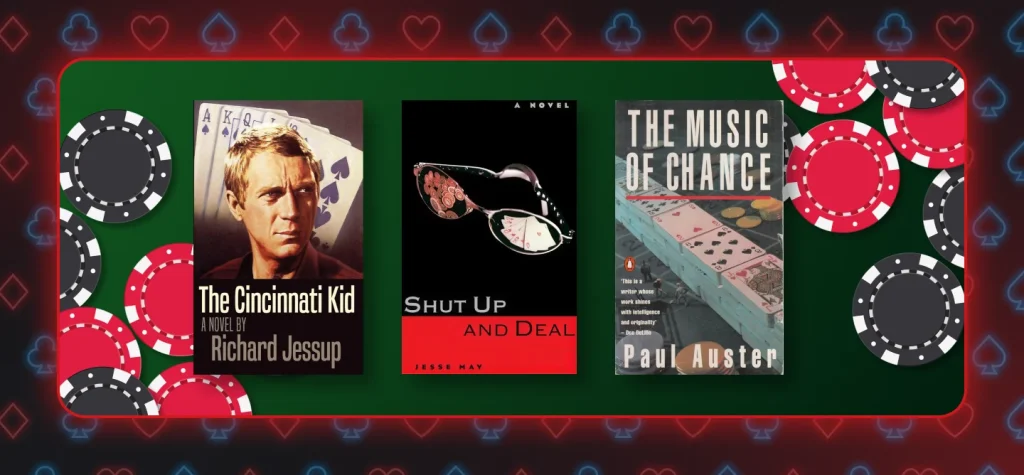
Whether you prefer the timeless drama of The Cincinnati Kid, the realism of Shut Up and Deal, or the philosophical questions raised by The Music of Chance, each of these books demonstrates why poker has earned a lasting place in literature.
As poker continues to evolve through online platforms, livestreams, and international tournaments, authors will undoubtedly continue to find new ways to use the game as a symbol of life's biggest risks and most difficult choices.
So, if you've only experienced poker through television broadcasts or blockbuster movies, consider picking up one of these novels. You may discover that the most memorable poker stories are the ones that unfold one page at a time.
About the Editor

Gyöngyi P. Tóth is Somuchpoker's Content Writer and Poker Stories Specialist, writing Side Pot features, WSOP storylines, and the site's Poker in Pop Culture and Legends of Poker series. She was introduced to poker 20 years ago through live tournament play, and what has kept her interest since is the psychology and human behavior behind the game as much as the cards themselves.
Related News
 Live PokerLifestyle
Off the Felt in Sanya: The Best Things to Do Away From the CPG Tables
Discover six outdoor things to do in Sanya away from CPG, from paddleboarding and surfing to rainforest walks and canyon stream trekking.
 LifestyleAsiaStories
Asia's Poker Revolution - Streams on the Felt: The Ultimate Guide to Asian Gambling Series
Discover the ultimate guide to Asian gambling series and shows. From Korean Asian casino dramas to intense Japanese gambling anime, explore high-stakes TV.
 Live PokerLifestyle
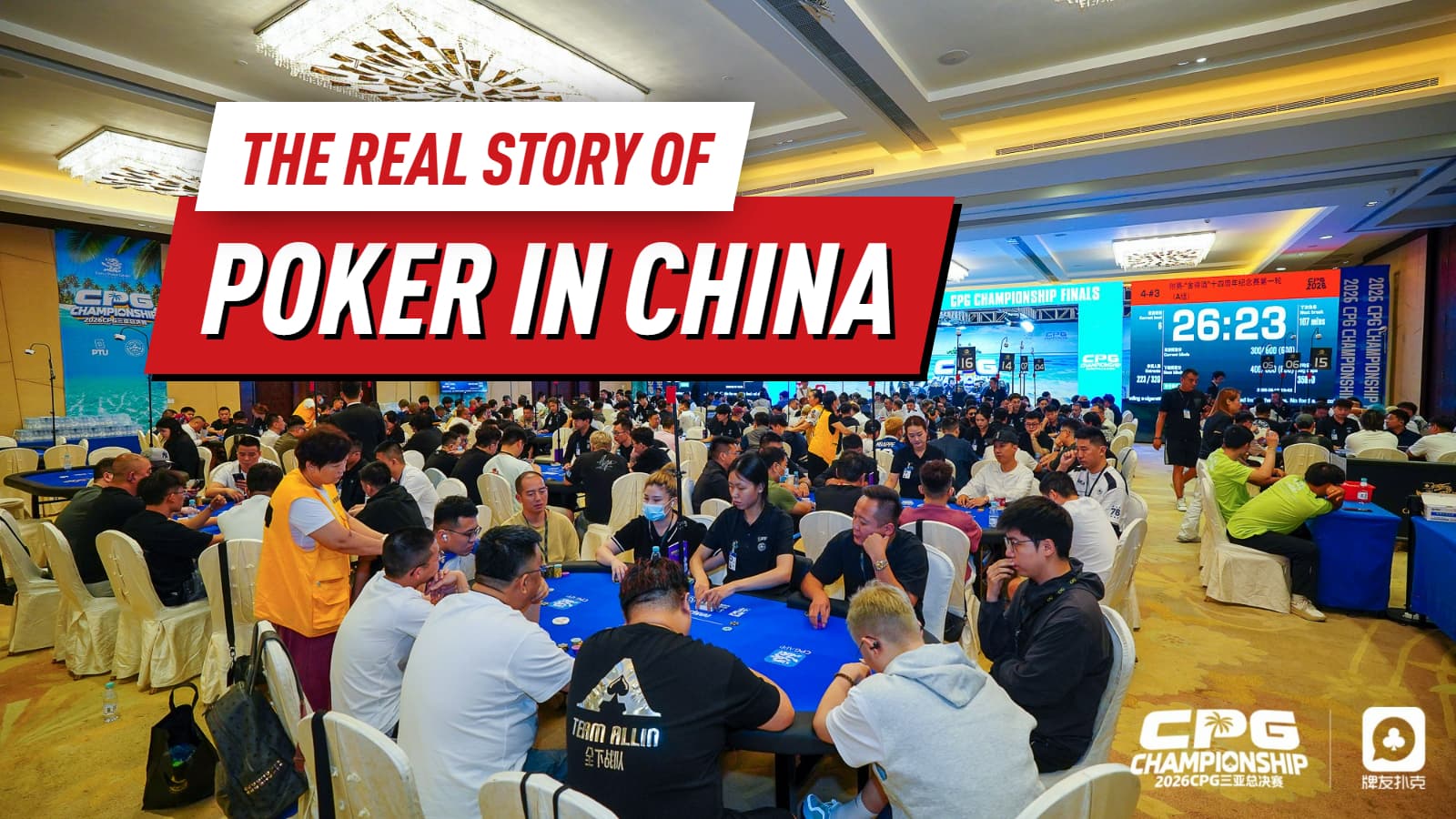
Is There Really Poker in China? Inside the Country’s Growing Tournament Scene
Is there really poker in China? Discover how CPG uses online qualification and organised competition to grow the country’s tournament scene.
 LifestyleAsiaStories
Asia's Poker Revolution - Cinema on the Felt: The Ultimate Guide to Asian Gambling Movies
Discover the ultimate guide to Asian gambling movies. From Hong Kong classics to intense Korean casino thrillers, explore high-stakes cinema on the felt.
 LifestyleStories
Poker in Pop Culture - Kakegurui and Poker: Why the Bet Series Appeals to Poker Fans
Discover why Kakegurui and Netflix's Bet appeal to poker fans through bluffing, psychology, risk-taking, and the strategic mind games that define both worlds.
 LifestyleStories
Poker in Pop Culture - Reality Poker TV Shows
Discover the best poker TV shows, from High Stakes Poker to Poker After Dark. Relive the poker boom and the unforgettable moments that captivated millions.