

Poker in Pop Culture - Reality Poker TV Shows


For decades, poker was something most people associated with smoky back rooms, casino tournaments, or friendly home games. Unless you played yourself, it was difficult to understand why the game fascinated millions of people around the world.
Then television changed everything.
In the early 2000s, a new generation of televised poker programs transformed a centuries-old card game into prime-time entertainment. Cameras placed beneath transparent tables allowed viewers to see every player's hidden cards for the first time, making every bluff, hero call, and dramatic showdown easy to follow - even for complete beginners.
Suddenly, poker wasn't just about cards. It was about personalities, confidence, and reading people under immense pressure.
As millions tuned in every week, the "poker boom" exploded. Online poker sites welcomed record numbers of new players, casinos saw tournament fields grow year after year, and professional poker stars became household names. Television didn't simply broadcast poker - it helped create a global phenomenon.
In this guide, we'll revisit the best poker TV shows ever produced, exploring the legendary series that entertained fans, introduced iconic players to new audiences, and forever changed how poker was presented on screen. From unforgettable cash games to celebrity-filled late-night battles, these shows continue to influence poker broadcasts even today.
The Poker Boom: When Television Changed Everything
Although poker had appeared on television long before the new millennium, coverage was often limited to short tournament highlights. Viewers could see players betting chips, but they had no idea what anyone was actually holding.
That changed in 1999 when hole-card cameras were introduced during major broadcasts. For the first time, audiences could watch every bluff unfold in real time.
The innovation completely transformed televised poker. Instead of wondering whether someone held a monster hand or complete air, viewers could follow every decision alongside the commentators. This simple technological breakthrough made poker dramatically easier - and far more exciting - to watch.
The timing couldn't have been better. In 2003, amateur accountant Chris Moneymaker won the World Series of Poker (WSOP) Main Event after qualifying through a low-cost online satellite. His remarkable victory convinced thousands of ordinary players that they, too, could compete against the world's best.
Television captured the moment perfectly. The combination of dramatic storytelling, relatable heroes, and visible hole cards sparked what is now remembered as the Poker Boom. Almost overnight, poker evolved from a niche hobby into mainstream entertainment.
Why Reality Poker Worked So Well
Unlike scripted television, every poker reality show offered genuine suspense. Nobody knew what would happen next; there were no scripts and no guaranteed happy endings. Even the greatest professionals sometimes made costly mistakes, and that unpredictability became the genre's greatest strength.
Viewers quickly formed favorites. Some admired Phil Ivey's calm, unreadable style, while others loved Phil Hellmuth's emotional table talk. Daniel Negreanu became famous for accurately predicting opponents' hands, and Tom Dwan thrilled audiences with fearless bluffs that often involved hundreds of thousands of dollars.
Every episode delivered new stories. Sometimes it was a legendary bluff, sometimes an unbelievable cooler (a situation where a very strong hand loses to an even stronger one), or sometimes an emotional outburst that became part of poker history.
Unlike traditional sports, poker also allowed fans to hear conversations at the table. Trash talk, friendly banter, and psychological mind games revealed personalities that tournament results alone never could. The best productions understood that audiences weren't just watching cards - they were watching people.
High Stakes Poker: The Gold Standard
No discussion of televised poker can begin anywhere else. When High Stakes Poker premiered in 2006, it immediately changed viewers' expectations of poker entertainment.
Unlike tournament broadcasts, every player sat down with their own money. The chips weren't tournament points; they represented real cash, which dramatically increased the emotional stakes. Players regularly bought in for hundreds of thousands of dollars, creating pots that sometimes exceeded one million dollars.
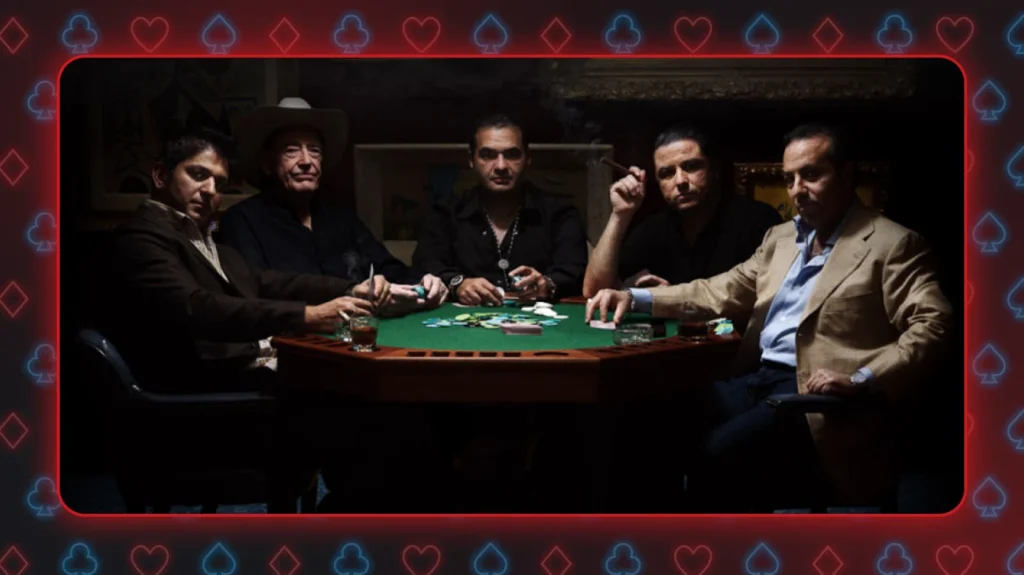
For casual viewers, the numbers alone were astonishing. Yet the true appeal wasn't the money; it was the incredible cast. Season after season featured many of the biggest names in poker history:
Each player brought a unique personality to the table. Some barely spoke, while others couldn't stop talking. The chemistry between them created unforgettable television.
Tom Dwan's Fearless Style
If one player defined the later seasons of High Stakes Poker, it was Tom "durrrr" Dwan. Arriving as one of online poker's brightest young stars, Dwan quickly earned a reputation for fearless aggression.
He regularly entered massive pots with hands that many professionals would have folded immediately, and more importantly, he often made those risky plays work. Watching Dwan pressure some of poker's greatest legends became one of the show's biggest attractions.
His willingness to bluff against anyone transformed him into one of television's most entertaining poker personalities. Many younger fans discovered professional poker through his fearless style.
More Than Just Big Pots
Although enormous wagers attracted headlines, High Stakes Poker succeeded because it balanced action with personality. Players joked between hands, shared stories, celebrated wins, and laughed off bad beats.
Occasionally, tensions boiled over. The relaxed cash-game atmosphere allowed viewers to see professional poker players behaving naturally rather than sitting silently through marathon tournament sessions.
As commentator Gabe Kaplan famously observed:
"Poker is a people game played with cards, not a card game played by people."
That simple idea perfectly captured why High Stakes Poker became so influential. The cards mattered, but the personalities mattered even more.
Poker After Dark: Where the Pros Came to Play
If High Stakes Poker introduced viewers to enormous cash games, Poker After Dark brought something completely different. Premiering on NBC in 2007, the show adopted an intimate, late-night format.
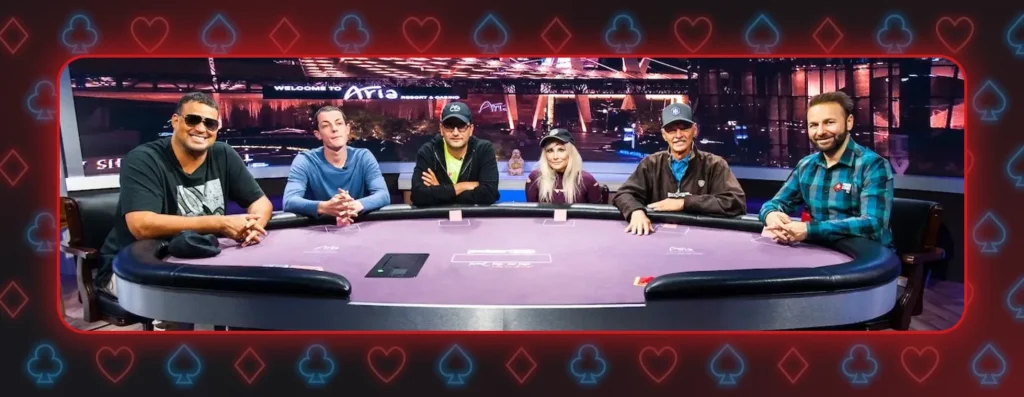
Instead of large tables filled with rotating players, each episode featured just six invited guests competing in a winner-takes-all sit-and-go tournament or exciting cash games. The smaller table changed everything.
With fewer players, conversations became more personal. Rivalries developed naturally, jokes flowed freely, and viewers gained a front-row seat to interactions rarely seen during major tournaments. For many fans, Poker After Dark remains one of the most entertaining examples of a poker reality show ever produced.
The Big Game: Where Amateurs Faced Legends
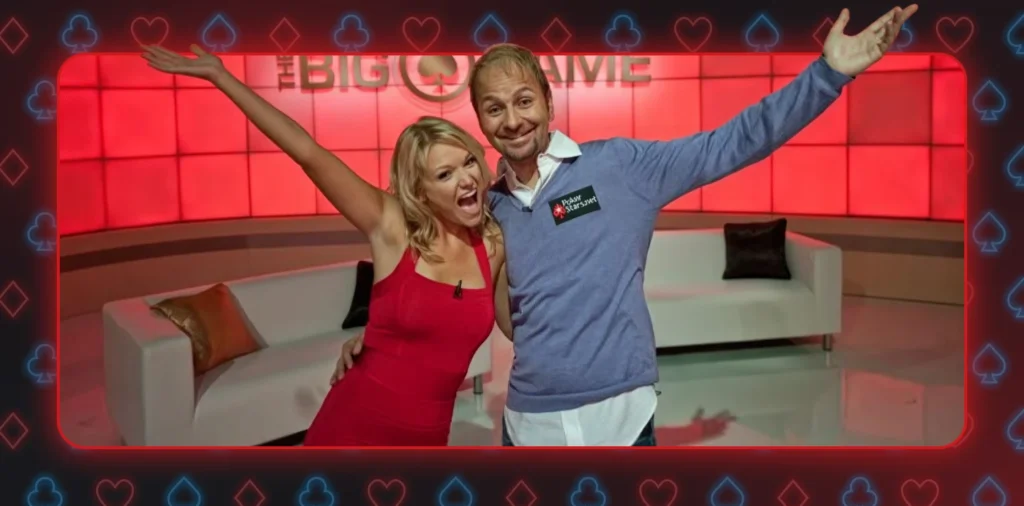
One of the most original concepts in any poker reality show arrived in 2010. Instead of featuring only professionals, The Big Game invited an amateur player - known as the "Loose Cannon" - to compete against some of the world's best players.
There was one important twist: the amateur wasn't risking personal money. Instead, they received a substantial bankroll from PokerStars and kept any profits they earned after a fixed number of hands. It created an irresistible question: could an ordinary poker enthusiast defeat the game's greatest stars?
The contrast between experienced professionals and nervous amateurs produced genuine drama. Viewers naturally found themselves cheering for the underdog, wondering if the amateur would survive or if the professionals would expose their weaknesses.
Face the Ace & Shark Cage: Twisting the Format
Few poker programs experimented with television formats as boldly as Face the Ace. Broadcast on NBC in 2009, the series combined poker with the suspense of a reality competition where contestants had to qualify to challenge elite professionals for a cash prize.
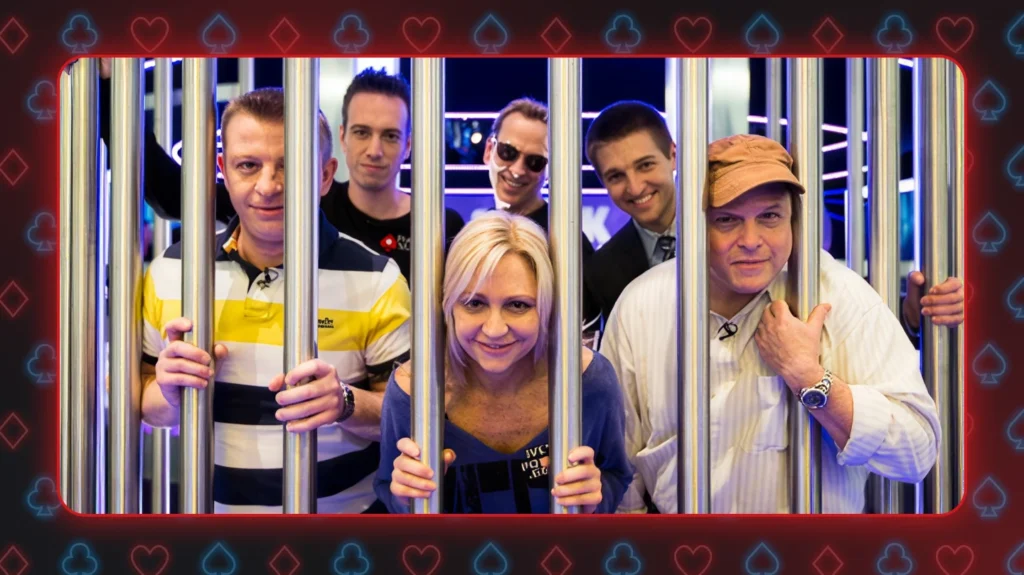
Years later, PokerStars introduced another creative concept with Shark Cage. The show looked like a traditional poker tournament but added a unique rule: players who unsuccessfully attempted major bluffs could be sent to the "Shark Cage", temporarily preventing them from participating in future hands.
Both shows demonstrated that poker television could continue experimenting with fresh ideas without losing its strategic foundation.
The British Pioneer: Late Night Poker
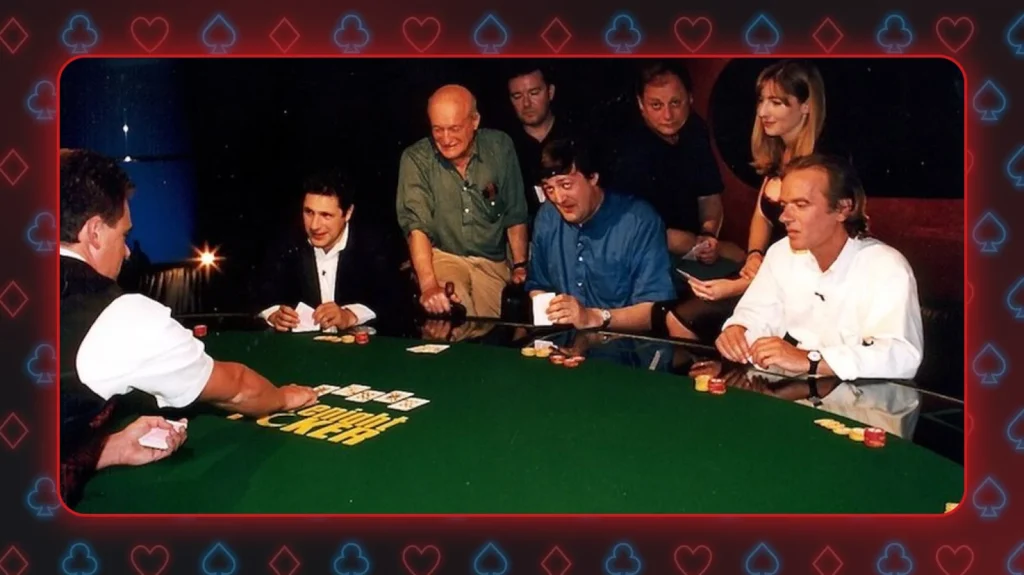
While American programs often get the credit for the poker boom, a British show actually started the technological revolution. Premiering on Channel 4 in 1999, Late Night Poker was the true pioneer of the hole-card camera.
Before this show, televised poker was mostly a guessing game for the audience. The British producers realized that if viewers could see the hidden cards, the game would instantly transform into a gripping psychological thriller.
The show featured a dark, moody studio atmosphere that felt like an exclusive underground club. It introduced the world to eccentric European personalities like Dave "Devilfish" Ulliott, proving that professional gamblers could be captivating television characters. Without this groundbreaking British series, the modern poker reality show format might never have existed.
The World Poker Tour (WPT) Revolution
If cash games ruled the late-night slots, the World Poker Tour (WPT) completely revolutionized how we watch tournaments. Launching on the Travel Channel in 2003, the WPT turned a slow-paced card game into a slick, cinematic sporting event.
The creators understood that viewers wanted a highly polished product. The WPT introduced dynamic camera angles, dramatic lighting, and stylish on-screen graphics that made following the chip counts effortless. It wasn't just a standard broadcast; it was a weekly event.
The show also highlighted luxurious casino destinations, from the Bellagio in Las Vegas to the Aviation Club in Paris. By blending high-stakes gambling with high-end travel, the WPT quickly became one of the best poker TV shows for casual viewers dreaming of hitting the big time.
Celebrity Poker Showdown: When Hollywood Joined the Game
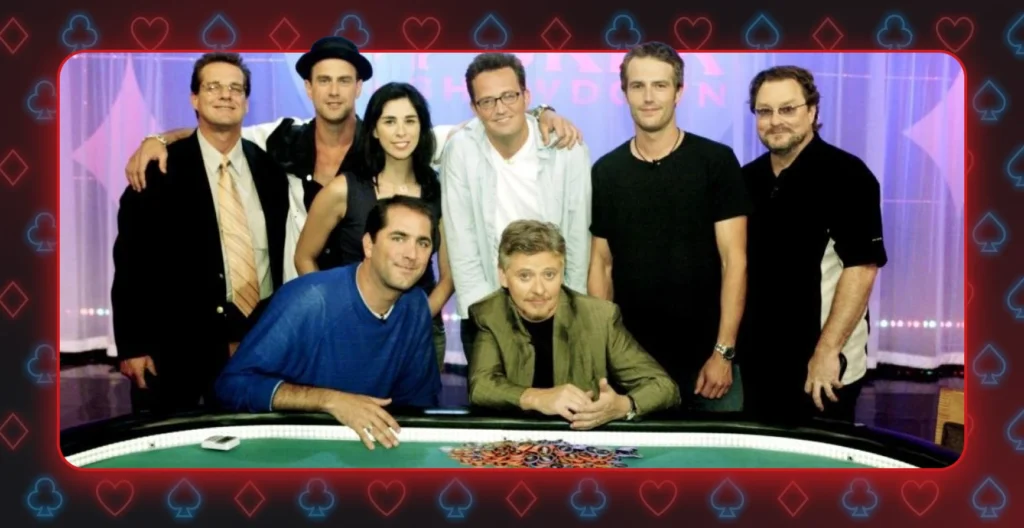
While the pros were battling it out for massive pots on High Stakes Poker and the WPT, the pop culture breakthrough of the game needed another crucial ingredient: the stars. That is exactly where Celebrity Poker Showdown, debuting on the Bravo network in 2003, came into the picture.
This show was not about mathematical genius or world-class strategies. Instead, it brought Hollywood actors, musicians, and comedians to the table to compete in a simple single-table (sit-and-go) tournament, raising money for their favorite charities.
Think about it: in the mid-2000s, where else could you watch Snoop Dogg, Ben Affleck, Neil Patrick Harris, Paul Rudd, and Matthew Perry trying to bluff each other on national television? The tense, quiet professional atmosphere of standard games was replaced by friendly banter, trash talk, and non-stop laughter.
The true brilliance of the series was that it attracted a completely new audience that had never cared about cards before. People who would never have watched a traditional poker reality show were now glued to their screens just to see their favorite celebrities crack under pressure. Meanwhile, professional poker player and commentator Phil Gordon explained the action in a fun and highly accessible way, teaching the basic rules to millions of casual viewers.
Celebrity Poker Showdown definitely proved that televised poker was a mainstream entertainment product. It showed the everyday public that playing cards was genuinely cool, and this celebrity appeal arguably gave the global poker boom just as big a push as the million-dollar prize pools won by the top pros.
The Unsung Heroes: Legendary Commentators
You cannot discuss the massive success of televised poker without mentioning the voices behind the microphone. The greatest players provided the action, but the commentators provided the context, the humor, and the emotion.
Think about the iconic pairing of Mike Sexton and Vince Van Patten on the WPT. Sexton's famous sign-off, "May all your cards be live and your pots be monsters", is permanently etched into poker history. They excelled at making complex mathematical decisions sound incredibly simple and exciting.
Similarly, Ali Nejad provided the perfect smooth, relaxed voiceover for Poker After Dark, matching the intimate late-night vibe flawlessly. These commentators acted as the ultimate bridge between elite professionals and everyday fans. They explained the math, translated the gambling jargon, and ensured that even total beginners felt welcome at the table.
The Streaming Era Begins
Traditional television dominated poker broadcasting during the 2000s, but today, the landscape looks very different. Streaming platforms and YouTube channels have transformed how fans consume televised poker.
Instead of waiting for weekly broadcasts, viewers can watch live cash games lasting six, eight, or even twelve hours. Technology has improved dramatically, bringing interactive elements to the forefront. Modern productions feature:
Multiple HD table cameras
Real-time graphics and equity percentages
RFID-enabled hole-card technology
Instant hand replays
Live audience chat
No Gamble, No Future & Hustler Casino Live
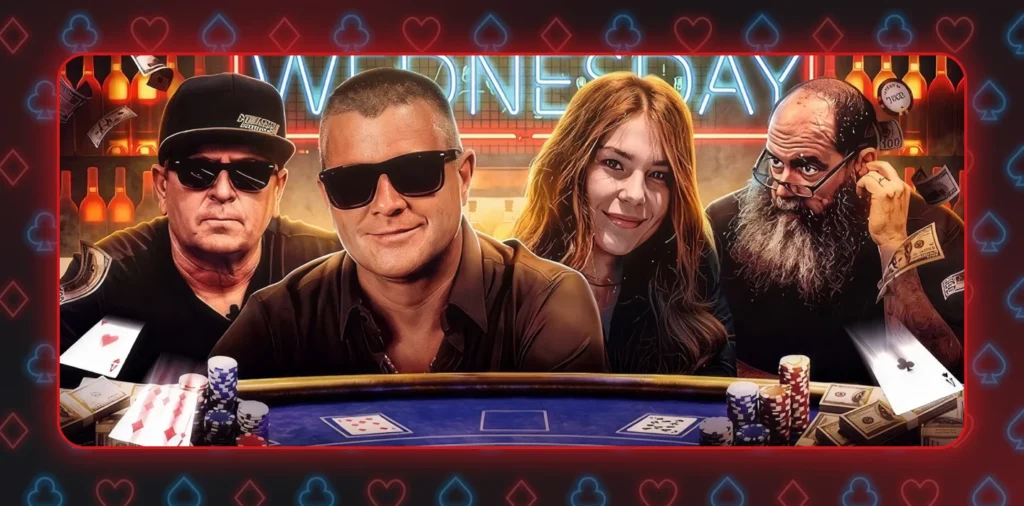
Among today's most popular poker productions, No Gamble, No Future successfully captures much of the relaxed atmosphere that made classic shows famous. Rather than focusing purely on technical poker, the show emphasizes conversation, table chemistry, and lighthearted banter.
Perhaps no modern production has changed poker broadcasting more than Hustler Casino Live. Broadcast directly from California, the livestream regularly features some of the biggest cash games ever shown online, where million-dollar pots are no longer rare.
Unlike traditional television, viewers watch events unfold in real time with no dramatic edits or scripted narration. The livestream format also allows audiences to interact through live chat, creating a shared viewing experience.
Old vs. New Poker TV Shows: How the Genre Evolved
The world of televised poker has changed dramatically over the past two decades. The early classics were designed for traditional television audiences, while today's poker broadcasts take a highly interactive, live-streamed approach.
Feature | Classic Poker Shows | Modern Poker Shows |
|---|---|---|
Format | Weekly TV broadcasts | Live streaming platforms |
Editing | Edited for pacing and drama | Mostly unedited |
Tech | Limited camera technology | Multiple HD cameras and RFID |
Duration | One-hour episodes | Multi-hour livestreams |
Commentary | Commentary after the action | Real-time commentary |
Viewing | Passive viewing | Interactive live chat |
Modern technology has undoubtedly improved the viewing experience. Yet despite these technical advances, many longtime fans still return to the classic episodes. Great poker television has never been about technology alone; it's about memorable personalities and unforgettable moments.
What Makes the Best Poker TV Shows So Great?
After more than 20 years of successful productions, several ingredients consistently appear in the most memorable poker programs. The very best shows combine:
1. Charismatic players with distinct personalities
2. Meaningful financial stakes
3. Expert but accessible commentary
4. High-quality production values
5. Natural table conversation
6. Dramatic but easy-to-follow storytelling
When these elements come together, poker becomes entertaining even for people who have never shuffled a deck of cards.
Final Thoughts
The golden age of poker television introduced millions of people to a fascinating game built on psychology, courage, and human behavior. While production quality and technology have improved dramatically, the heart of every great poker broadcast remains unchanged: unforgettable personalities, genuine drama, and the constant possibility that one bold decision could change everything.
Whether you're revisiting the legendary cash games of High Stakes Poker, enjoying the intimate conversations of Poker After Dark, or discovering today's livestreams, these shows prove that poker has earned its place among television's most entertaining competitive formats.
About the Editor

Gyöngyi P. Tóth is SoMuchPoker's Content Writer and Poker Stories Specialist, writing Side Pot features, WSOP storylines, and the site's Poker in Pop Culture and Legends of Poker series. She was introduced to poker 20 years ago through live tournament play, and what has kept her interest since is the psychology and human behavior behind the game as much as the cards themselves.
Related News
 Live PokerLifestyle
Off the Felt in Sanya: The Best Things to Do Away From the CPG Tables
Discover six outdoor things to do in Sanya away from CPG, from paddleboarding and surfing to rainforest walks and canyon stream trekking.
 LifestyleAsiaStories
Asia's Poker Revolution - Streams on the Felt: The Ultimate Guide to Asian Gambling Series
Discover the ultimate guide to Asian gambling series and shows. From Korean Asian casino dramas to intense Japanese gambling anime, explore high-stakes TV.
 Live PokerLifestyle
Is There Really Poker in China? Inside the Country’s Growing Tournament Scene
Is there really poker in China? Discover how CPG uses online qualification and organised competition to grow the country’s tournament scene.
 LifestyleAsiaStories
Asia's Poker Revolution - Cinema on the Felt: The Ultimate Guide to Asian Gambling Movies
Discover the ultimate guide to Asian gambling movies. From Hong Kong classics to intense Korean casino thrillers, explore high-stakes cinema on the felt.
 LifestyleStories
Poker in Pop Culture - Kakegurui and Poker: Why the Bet Series Appeals to Poker Fans
Discover why Kakegurui and Netflix's Bet appeal to poker fans through bluffing, psychology, risk-taking, and the strategic mind games that define both worlds.
 NewsLifestyleiGamingOnline Casino
xQc Net Worth 2026: The Money and Life Story of Félix Lengyel
xQc net worth is ~$50M in 2026. See his high-stakes Stake casino streams - $3K spins, bonus buys and crash - plus his full life story.