

Poker Strategy and Psychology: The Mental Game Behind Better Decisions

Winning at poker takes more than knowing which hands to play. Your decisions are also shaped by how you feel, how you handle money, and how well you understand your opponents. Solid poker strategy and a strong grasp of poker psychology go hand in hand, and both can improve your results over time.
The Mental Game of Poker: Needs vs. Wants
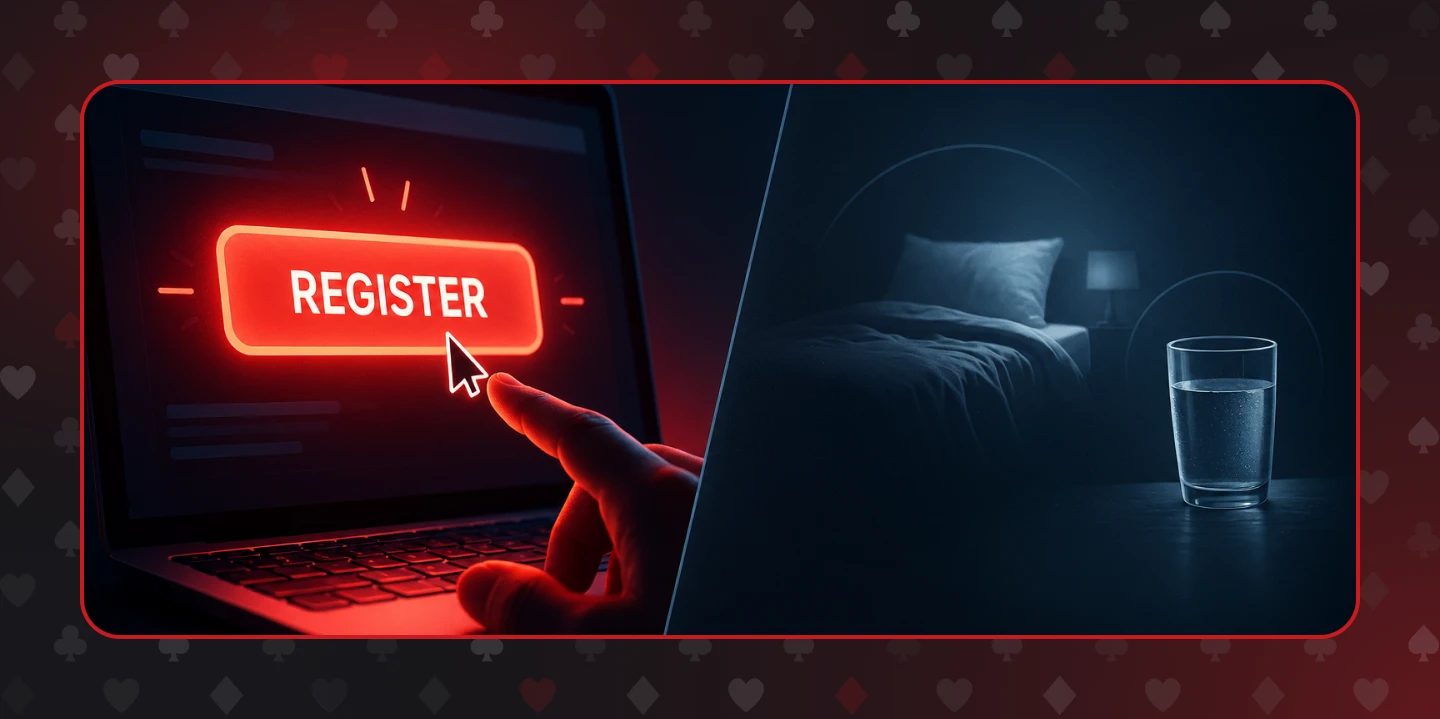
Performance psychologist Alan Longo believes many performance problems start when players confuse needs with wants. After a long day at the tables, for example, you might be exhausted but still feel the urge to register for one more tournament.
Quiet needs: Sleep, food, water, and movement help keep your body working properly. Your mind also needs connection, competence, and the freedom to make your own decisions.
Loud desires: The urge to play another tournament can feel far more urgent than the need to rest, even when another session is unlikely to help.
The obligation trap: Telling yourself that you have to play more volume or enter a particular series can make a personal desire feel like a responsibility.
The problem is that wanting something does not mean you need it. A desire can become increasingly difficult to ignore, especially when rewards are unpredictable, as they often are in poker. Repeatedly thinking about playing another session can make that urge even stronger.
Recognizing the difference is an important part of developing a better poker mindset. Your body and mind may need a break even when you feel motivated to keep playing.
Poker Bankroll Management: Keep Money in Perspective
Money is necessary for everyday life, but poker players can easily start treating it as a target to chase rather than a resource to manage. Longo highlights the danger of playing with money you also need for rent, food, or other essential expenses.
Financial pressure: When your next session could determine whether you can cover your bills, every pot can feel more important than it really is.
Emotional control: Fear of losing money can influence your decisions and make it harder to judge a situation on its merits.
Neglected needs: Players under pressure may sacrifice sleep, meals, and rest while trying to recover losses.
Good poker bankroll management is about more than tracking wins and losses. It also means keeping the money you need to live separate from the money you can afford to risk at the tables.
When your financial situation puts too much pressure on your decisions, even a strong player can struggle to perform at their usual level. Emotional control becomes harder when every loss feels like a threat to your everyday life.
Focus Area | Mental Foundation (Alan Longo) | Table Execution (Alexander Fitzgerald) |
Decision-Making | Distinguishing genuine needs from loud desires | Influencing opponents through a deceptive table image |
Managing Pressure | Keeping money in perspective to protect mental stability | Using aggression during high-pressure stages of tournaments |
Continuous Improvement | Prioritizing rest to prevent the effects of accumulated fatigue | Using online poker volume to learn strategic fundamentals faster |
Poker Strategy and Psychology: Build a Better Table Image
Once your mental game is more stable, you can focus on how opponents see you. Poker author and coach Alexander Fitzgerald recommends avoiding a predictable playing style because opponents can make better decisions when they know what to expect from you.
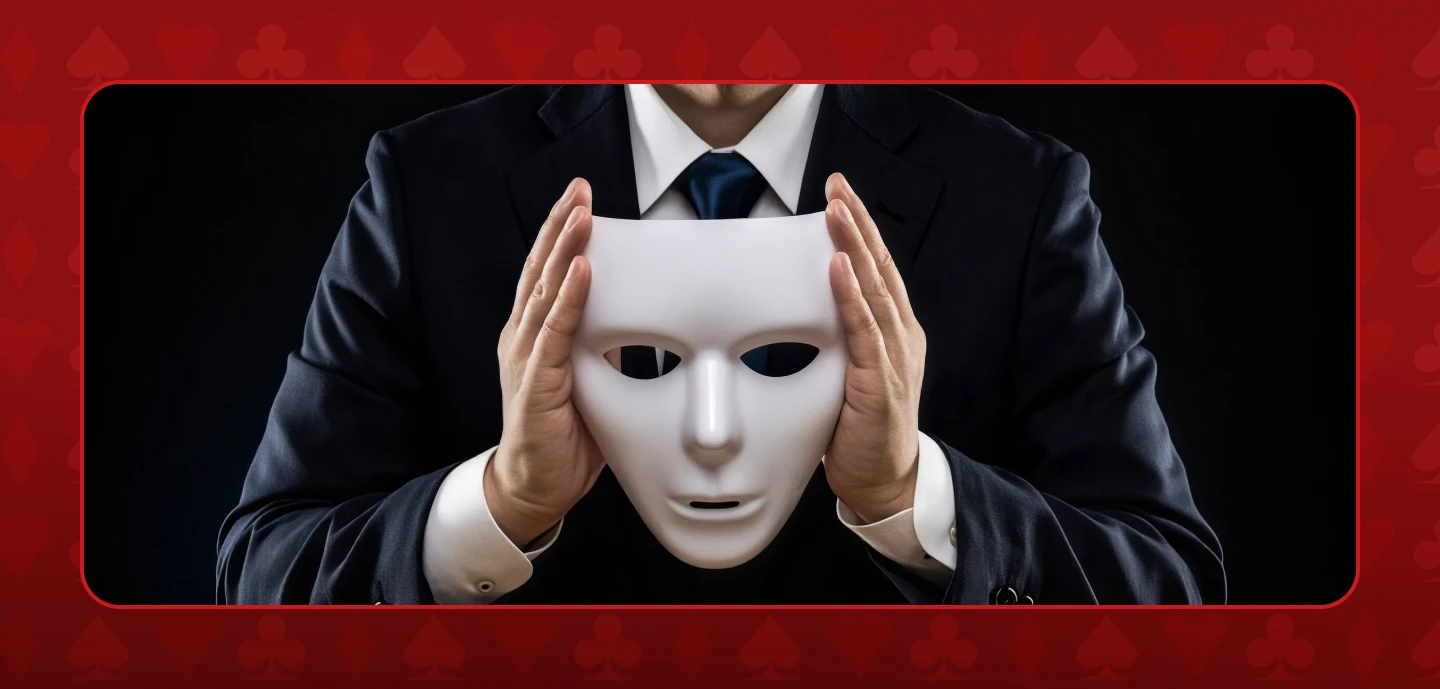
Create a misleading image: If everyone sees you as a tight, disciplined player, they may fold when you have a strong hand. Showing a more active or unpredictable side can sometimes encourage them to call more often.
Choose your stack size carefully: Buying in for the biggest stack at the table is not always the best move. If several deep-stacked opponents are strong and aggressive, a smaller starting stack may be more comfortable.
Look for the right opportunities: In the right cash-game situation, starting with around 100 big blinds can let you build your stack gradually instead of immediately entering deeper, more complicated pots.
The goal is not to act recklessly or abandon sound fundamentals. It is to make deliberate choices based on the opponents and situations in front of you. Combining sound poker strategy with applied poker psychology means knowing when to follow your usual approach and when an adjustment could work in your favor.
Tournament Poker Strategy: Play to Win, Not Just to Survive
Tournament poker rewards players who know when to apply pressure. Extremely tight play may help you survive for a long time, but it can also mean missing opportunities to build a stack capable of winning the event.
Use online volume to learn: Online poker can provide more repetitions of common situations, helping you practice preflop ranges, continuation bets, and blind defense.
Put your skills to work live: Once you understand the fundamentals, live games can offer opportunities to exploit opponents who make bigger mistakes.
Recognize the value of aggression: Opponents who fear elimination may fold too often, giving an aggressive player more ways to win pots without showing the best hand.
This doesn't mean you should bluff every time you sense weakness. Tournament poker strategy still requires good judgment, appropriate hand selection, and an understanding of the risks involved.
Fitzgerald's point is that playing to avoid elimination and playing to win are not the same thing. If you never put your stack at risk in meaningful situations, you may be passing up opportunities that could improve your chances of finishing at the top.
Bubble Play and Fold Equity: Know When to Apply Pressure
The money bubble is one of the clearest examples of how tournament pressure can change the way people play. As players get closer to the payouts, some become more concerned about surviving than accumulating chips. Similar behavior can appear just before a final table begins.
Watch for overfolding: Players who are afraid of busting may fold hands they would defend more confidently at other stages.
Understand fold equity: This is the chance of winning a pot because your opponent folds. When players become too cautious, well-timed aggression can become more effective.
Use a big stack wisely: A large stack can put shorter stacks under pressure, but taking unnecessary risks against opponents who are willing to call is not automatically profitable.
Adjust to the stage: Early in a re-entry tournament, players may be more willing to gamble. Near the bubble, the fear of leaving without a payout can make them more cautious.
Effective bubble play is about recognizing these changing incentives and responding to them. Higher fold equity can create profitable opportunities, but it does not make every bluff a good one. You still need to consider your opponents, your hand, and the consequences of being called.
Put Your Mental Game and Strategy Together
The lessons from Alan Longo and Alexander Fitzgerald approach poker from different angles, but they share an important idea: good decisions depend on understanding the situation rather than following an automatic response.
Protect your mental game: Take care of your physical and emotional needs instead of letting the urge to play dictate your schedule.
Keep your finances separate from your results: Avoid putting money needed for everyday expenses at risk in poker.
Stay unpredictable for the right reasons: Adjust your table image and stack strategy to the opponents you face.
Recognize opportunities: Use aggression when the situation supports it, particularly when tournament pressure makes opponents too cautious.
A strong mental game gives you the clarity to know when to push, when to wait, and when it’s simply time to close the laptop.
About the Editor

Gyöngyi P. Tóth is Somuchpoker's Content Writer and Poker Stories Specialist, writing Side Pot features, WSOP storylines, and the site's Poker in Pop Culture and Legends of Poker series. She was introduced to poker 20 years ago through live tournament play, and what has kept her interest since is the psychology and human behavior behind the game as much as the cards themselves.
Related News
 Side PotStories
The Silent Leak: The 'Cave Effect'
Is the Cave Effect ruining your win rate? Discover how natural light improves your mental game, prevents tilt, and helps you increase focus at the tables.
 StrategyOnline PokeriGaming
Poker Psychology: The Ultimate Guide to Master the Mental Game
Transform your results with this comprehensive guide to poker psychology. Learn to master emotional control, eliminate tilt, build confidence, and more.
 StrategyNewsOnline PokeriGaming
Poker Psychology Part 1 - The Anatomy of the High-Performance Mind
Part 1 of our Poker Psychology article series explores emotional regulation, cognitive biases and decision-making that foster a flexible and resilient mindset.
 StrategyiGaming
Poker Psychology Part 2 - Tilt Isn't an Emotion: The Science Behind Emotional Hijack in Poker
Poker tilt is one of poker's most misunderstood emotional events. Explore why tilt feels so personal, why it happens, and what you can do to stop leaking chips.
 Online PokerStrategyiGaming
Poker Psychology Part 3 - The Confidence Cycle: How to Build (and Rebuild) Self Trust in Your Poker Game
Master poker confidence in Part 3 of our 10-part mental game series. Learn the "Confidence Cycle" to maintain a logic-driven process during high-stakes swings.
 Online PokerStrategyiGaming
Poker Psychology Part 4 - Emotional Stability: Practical Systems to Stay Cool at the Table
Part 4 of our Poker Psychology article series will introduce you to practical systems grounded in cognitive research to help you establish emotional control.