

Bubble

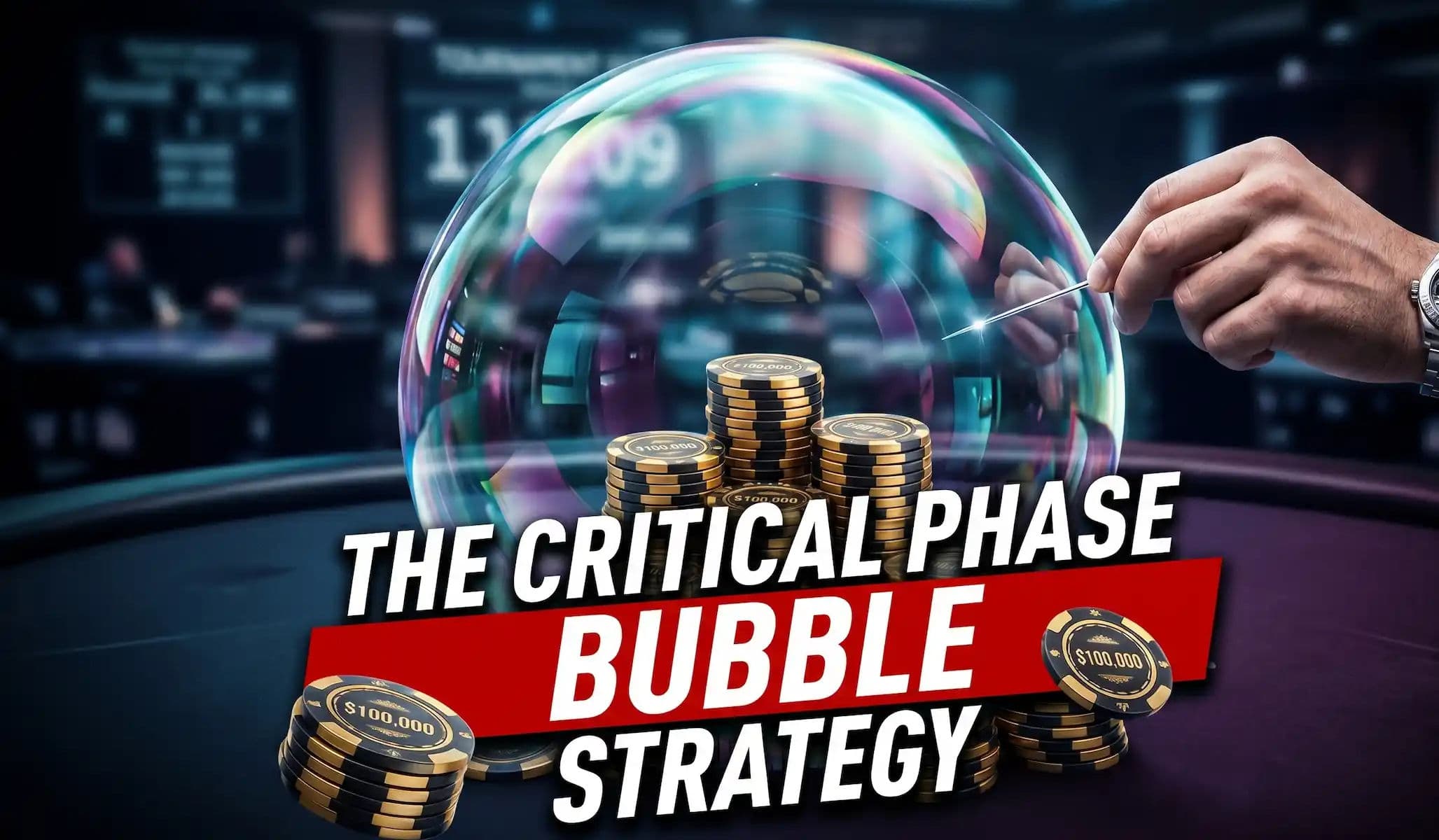
In the high-stakes world of poker tournaments, few outcomes are as universally dreaded as 'bubbling' – exiting the competition just shy of the prize money. It's often painted as the ultimate heartbreak, a cruel twist of fate leaving a player with nothing but the memory of 'what might have been'. Yet, a deeper, more analytical perspective, particularly from experienced players, suggests that this common apprehension might be misdirected. This article dissects the nuanced emotional and financial landscape of tournament eliminations, arguing that for many, the sting of finishing second can far outweigh the disappointment of bubbling, particularly when viewed through the lens of robust bankroll management and the true cost of missed opportunity.
Re-evaluating Bubble Poker: Is it Truly the Worst Tournament Outcome?
The conventional wisdom among players often positions 'bubbling' a tournament as the most devastating exit in bubble poker. The narrative is powerful: investing hours of skill and emotional energy, only to fall at the final hurdle, watching others cash while you walk away empty-handed. This perspective is understandable, rooted in the immediate financial loss. However, for those with extensive tournament strategy experience and a disciplined approach to the game, this perception frequently undergoes a significant recalibration.
Personal Reflections: Satellite Woes vs. Main Event Relief
Many seasoned professionals recount vivid memories of bubbling, but surprisingly, these often stem from satellite events rather than major tournaments. The agony of bubbling a high-value satellite – missing out on a coveted seat to a prestigious High Roller or a valuable promotional freeroll for a premium gadget – can leave a lasting imprint. These events often represent a disproportionate value relative to their buy-in, making the near-miss particularly poignant.
Curiously, the memory of bubbling a 'big event' frequently eludes even those who have navigated thousands of online poker tournaments and countless live fields. This anecdotal evidence suggests a deeper mechanism within the tournament mental game, indicating that perhaps the perceived 'worst outcome' isn't as universal as commonly believed.
The True Sting: Why Second Place Hurts Poker Players More
Upon closer examination, the most enduring and painful online tournament memories for many poker veterans are not about the bubble, but rather about securing a second-place finish. This seemingly counterintuitive sentiment makes profound sense when one considers both the financial dimensions and the overall emotional impact of poker. If you want to understand why second place hurts poker professionals so much, you have to look at the numbers and the psychology.
The Financial Disparity: First vs. Second Prize Economically, the largest pay jump in virtually any multi-table tournament (MTT) structure occurs between first and second place. While the difference between just outside the money and the minimum cash might be one buy-in or a multiple thereof, the leap from runner-up to champion often represents a substantial, sometimes life-altering, sum. This significant monetary chasm means that failing to secure the top spot after reaching heads-up play can feel like leaving a vast sum on the table. For a professional, this isn't merely about winning a trophy; it's about maximizing earnings and capitalizing on deep runs.
The Psychological Toll: The Near Miss of Victory. Beyond the financial aspect, the psychological impact of finishing second is uniquely potent. Reaching the final two players signifies coming excruciatingly close to absolute victory, to outlasting an entire field of competitors and claiming the ultimate prize. To fall short at this juncture, with the championship title almost within grasp, can be a far more bitter experience than bubbling. The 'what ifs' and the mental replay of critical hands are magnified, leading to a deeper sense of regret. Bubbling, while disappointing, often lacks this intense feeling of having victory snatched away at the very last moment.
Bankroll Management: A Shield Against Bubble Pain
The severity of bubbling a tournament is also heavily mitigated by proper bankroll management poker strategies. For a player operating with a comfortable bankroll – perhaps 100 to 500 buy-ins for their typical stake level – losing a single buy-in by bubbling an event is a statistically minor event. It's a small variance in a long-term professional career and is unlikely to significantly impact their financial stability.
In this context, the emotional weight of a bubble burst is significantly reduced. Conversely, the difference between first and second place can have a monumental impact on a player's bankroll, funding larger buy-ins or providing a massive safety net. This stark contrast underscores why a well-managed bankroll makes the bubble 'not a big deal', shifting focus to the higher-stakes decisions at the final table.
Embracing a Strategic Mindset and Poker Psychology Tips
Adopting this perspective can liberate players from undue apprehension. One of the best poker psychology tips is to stop playing overly cautiously just to 'make the money'. This fear-based play often leads to missed opportunities for chip accumulation. Instead, players should focus on an optimal strategy throughout the tournament. This involves making aggressive moves when advantageous, understanding that the primary goal is always to maximize expected value (EV) and contend for the top prize, rather than merely securing a minimum cash prize. This shift in mindset not only improves long-term results but also reduces the emotional rollercoaster associated with tournament poker.
| Pros | Cons |
|---|---|
When viewed rationally with strong bankroll management, bubbling becomes a minor variance event, allowing players to maintain aggressive, optimal strategy rather than playing tight to just scrape into the money. | Despite a rational view, the immediate outcome of bubbling is a 100% loss of the buy-in, offering no financial consolation for time and effort invested. |
Finishing as a runner-up guarantees a significant financial payout, often representing a substantial return on investment and a boost to the bankroll. | The near-miss of outright victory and the considerable monetary difference between first and second place can lead to intense regret and a prolonged psychological struggle for players. |
The largest financial leap in most tournament prize structures is between first and second, making the runner-up position a missed opportunity for the most substantial gain. |
Related Poker Terms
Best Online Poker Bonus Codes


About the Editor

Bence Mitykó is a Somuchpoker poker writer, covering poker news and strategy. He spent four years playing poker professionally, primarily focusing on Heads-Up Sit & Go games, experience that continues to shape his understanding of poker strategy, online poker dynamics, and the wider poker industry.


