

Freezeout

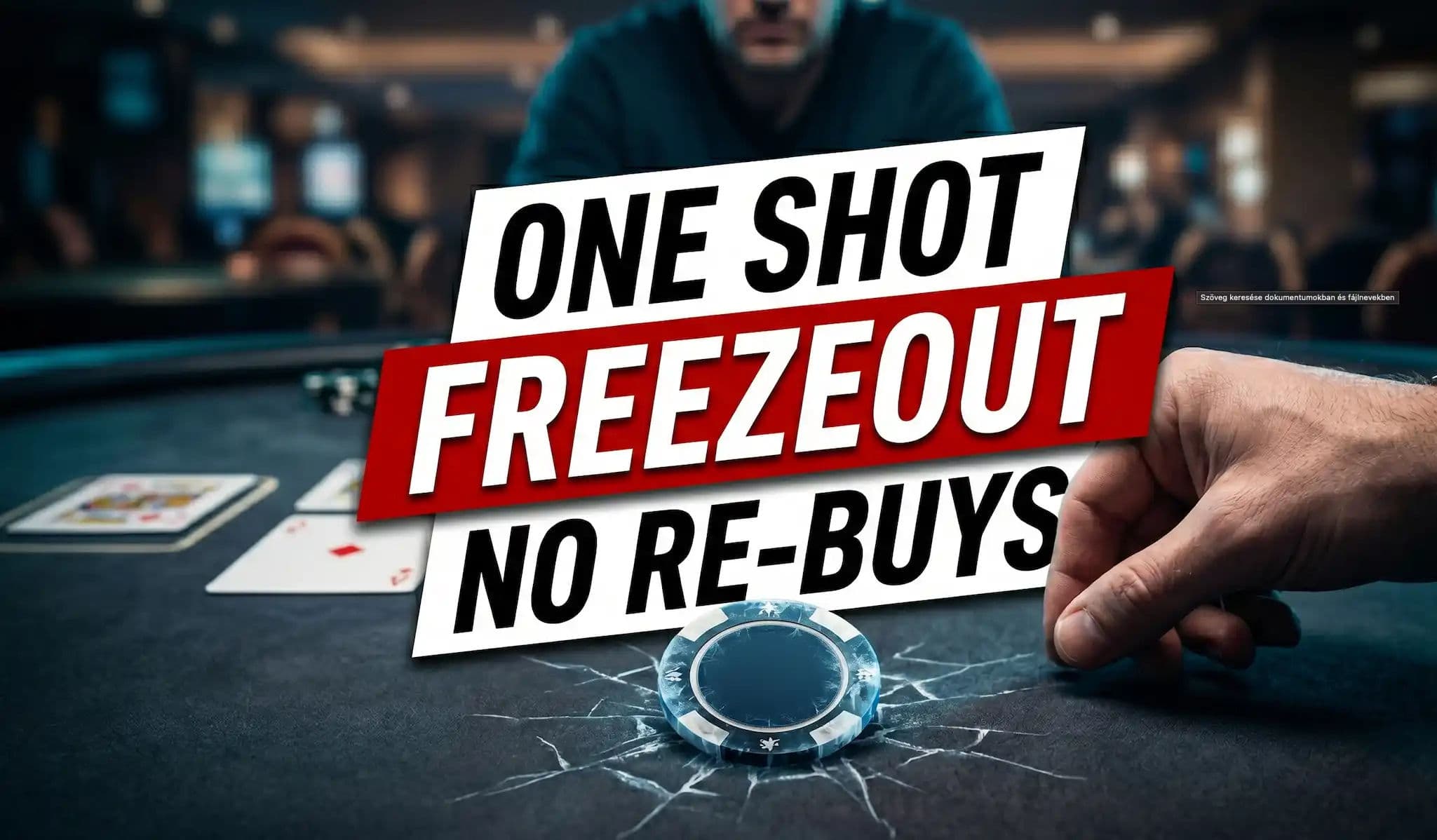
In the expansive universe of poker tournaments, few formats command as much respect and strategic intensity as the freezeout. This traditional structure strips away second chances, re-entries, and rebuys, presenting players with a singular, high-stakes opportunity to prove their mettle. Unlike its more forgiving counterparts, a freezeout tournament demands unwavering focus, astute chip management, and a profound understanding of poker fundamentals from the very first hand. It's a format where every decision carries amplified weight, shaping not just the immediate pot but potentially your entire tournament fate.
This comprehensive guide delves into the essence of freezeout tournaments, exploring their defining characteristics, the unique strategic considerations they present, and why they remain the bedrock of prestigious events like the World Series of Poker (WSOP) Main Event. Prepare to sharpen your analytical edge as we uncover the expert tactics required to navigate and conquer these ultimate tests of poker skill.
The 'One Shot' Mentality: A Complete Guide to Freezeout Poker
At its core, a freezeout poker tournament is elegantly simple: according to standard poker rules , players begin with a predetermined stack of chips, and once those chips are gone, their journey in the tournament concludes. There are no provisions for buying additional chips (rebuys) or re-entering the event after elimination (re-entry). This fundamental no rebuy poker format establishes a stark contrast to other popular structures, creating an environment where risk management and the preservation of one's stack become paramount from the very first hand.
Origin of the Term: "Frozen Out"
The evocative term "freezeout" perfectly encapsulates the consequence of losing all your chips: you are unceremoniously "frozen out" of the competition, unable to return. This nomenclature underscores the finality of elimination, instilling a unique psychological dynamic among participants. Players aren't just battling opponents; they are simultaneously wrestling with the constant threat of permanent dismissal, which fuels a more cautious yet deeply strategic approach to the game.
The Strategic Imperative of No Second Chances
The absence of a safety net profoundly impacts poker tournament strategy. Every chip lost is irrecoverable, making proper poker chip management absolutely vital. This format inherently rewards patience, discipline, and a calculated aggression that seeks maximum value while meticulously minimizing exposure to bust-out scenarios. It fosters a purer form of poker, where raw skill and mental fortitude often triumph over the brute force of a limitless bankroll.
The Prestige and Purity of Competition
Freezeout tournaments are not merely a common format; they are often the preferred choice for major, high-stakes events globally. This preference stems from several key advantages that align with the spirit of elite poker competition.
Why Major Events Choose Freezeouts: The World Series of Poker Main Event, famously known as the ultimate WSOP freezeout, is arguably the most prestigious poker tournament in the world. Its choice of this format is deliberate: it ensures that the winner is undeniably the last player standing, having outmaneuvered a field where every competitor had an equal, finite opportunity. This lends an unparalleled level of integrity and narrative weight to the champion's journey.
Leveling the Playing Field, Skill Over Financial Power: One of the most celebrated aspects of freezeouts is their inherent fairness. In formats allowing re-entry, players with larger bankrolls can afford to take more risks, knowing they can simply buy back in. This can sometimes allow financial muscle to overshadow strategic acumen. Freezeouts, however, neutralize this advantage. Every player, from the high roller to the online qualifier, faces the same existential threat of elimination, compelling them to rely purely on their strategic prowess. It is a true test of who plays the best poker, not who can afford to fire the most bullets.
Mastering the Freezeout: Advanced Poker Strategy
Successful navigation of a freezeout requires a nuanced strategic framework that evolves throughout the tournament's progression. Here are essential tournament poker tips for each stage:
Navigating the Early Stages: Chip Conservation vs. Opportunity In the nascent stages of a freezeout, a foundational principle of advanced poker strategy advocates for chip conservation. While accumulating chips is always desirable, players should exercise extreme caution, avoiding marginal spots that could jeopardize their entire stack. The goal isn't to be the early chip leader, but rather to survive and build a sustainable stack without making unnecessary hero calls or speculative plays.
The history of tournament poker consistently shows that early chip leaders rarely go on to win the entire event. This highlights the importance of not overvaluing early aggression. Instead, focus on playing solid, fundamental poker: extracting value with strong hands, positionally aware stealing, and disciplined folding. Doubling up early is beneficial, but preserving chips for the later, more critical stages, where blind pressure intensifies, is often a more effective long-term strategy.
Mid-Game Adjustments: As the tournament progresses and the blinds increase, the dynamic shifts. Players must become more active in their pursuit of chips, identifying opponents' weaknesses and exploiting bubble dynamics. Stack sizes become increasingly relevant, dictating when to apply pressure and when to conserve. This phase often requires expanding one's opening ranges and being more aggressive with three-bets and continuation bets, especially against tighter players.
Late-Stage and Bubble Play: The bubble phase, just before the money places, is a pivotal moment in any freezeout. Here, the "one shot" aspect becomes acutely felt. Players with shorter stacks cling on, while larger stacks can leverage their position to bully smaller stacks and accumulate chips. Post-bubble play often sees an explosion of action as players loosen up, having secured a payout, though careful attention to ICM (Independent Chip Model) considerations remains vital for optimal final table strategy.
Freezeout vs. Re-entry: A Comparative Analysis
Understanding freezeouts is often best achieved through comparison. Re-entry tournaments, for instance, allow players to buy back in if they bust out within a specified period. This format can encourage looser play, as the cost of a mistake is less severe. Freezeouts, by contrast, foster a more deliberate, risk-averse, yet deeply analytical approach, where every move is calculated for its long-term impact on survival and progression.
Conclusion: The Enduring Allure of the Freezeout
The freezeout poker tournament, with its relentless "one shot" philosophy, stands as a monument to poker's purest form. It is a format that demands strategic depth, psychological resilience, and impeccable timing. By eliminating the safety net of rebuys and re-entries, freezeouts ensure that the victor is truly the one who navigated the treacherous waters with the most skill, discipline, and expert decision-making.
Put Your Freezeout Skills to the Test. Ready to experience the pure thrill of the "freezout" tournament? Head over to our top recommended online poker sites to find the best daily freezeout schedules with massive guarantees. Create your account today using the promo code SMPBONUS to claim your exclusive welcome bonus and start building your tournament bankroll!
| Pros | Cons |
|---|---|
With no rebuys or re-entries, players cannot simply buy their way back into contention. This levels the playing field, making it a true competition of strategic acumen and disciplined play. | For players prone to early mistakes or facing bad beats, there's no opportunity to re-enter and recover, potentially leading to a shorter and more frustrating tournament experience. |
Every decision carries greater weight due to the 'one shot' nature, fostering a more analytical and deliberate approach to chip management, hand selection, and risk assessment. | Compared to re-entry events where multiple buy-ins inflate the prize pool, freezeouts typically have smaller guarantees as the total number of entries is capped at the number of unique participants. |
Winning a freezeout, especially a major one, is often seen as more prestigious because the champion genuinely outlasted every other competitor without a safety net, creating a compelling story. | The cautious nature encouraged by the 'one shot' rule can sometimes lead to tighter play in the early stages, which might be less appealing to players who prefer more aggressive, high-variance action. |
Related Poker Terms
Best Online Poker Bonus Codes


About the Editor

Bence Mitykó is a Somuchpoker poker writer, covering poker news and strategy. He spent four years playing poker professionally, primarily focusing on Heads-Up Sit & Go games, experience that continues to shape his understanding of poker strategy, online poker dynamics, and the wider poker industry.


