

Poker Psychology Part 2 - Tilt Isn't an Emotion: The Science Behind Emotional Hijack in Poker

You're playing poker. Doesn't matter whether online or in person. You see the pot you should've won goes sliding across the table (or flickering away to another avatar). Maybe you had pocket kings. Maybe you played the hand perfectly. Maybe the river feels like a slap in the face. And at that exact moment, something happens to you. Your breath shifts. Your mind cramps. Your chest gets all aflame. You think, you've got to be kidding me.
And then it happens.
You don't "feel angry." You don't "feel sad." You don't "feel irritated."
No, what happens to you isn't just an emotion.
It's a coup. A hostage situation. A hijack of your cognitive faculties.
The world tells you it's a poker tilt, but tilt isn't an emotion, and that distinction matters more than most people realize.
In this piece, we will take a long walk through one of poker's most misunderstood emotional events. We'll explore why poker tilt feels so personal, why it happens even when we've outgrown it, how your brain functions during a cognitive hijack, and what you can do to stop leaking chips just because your wiring goes haywire.
Let's get right to the heart of it.
So What Is Poker Tilt, Anyway?
People say tilt is anger. They say it's frustration. They say it's rage. Some even say disappointment or embarrassment. But all of that misses the mark because emotions, on their own, don't make you play worse.
Tilt is what happens after the emotion. Tilt is the cognitive expansion that follows.
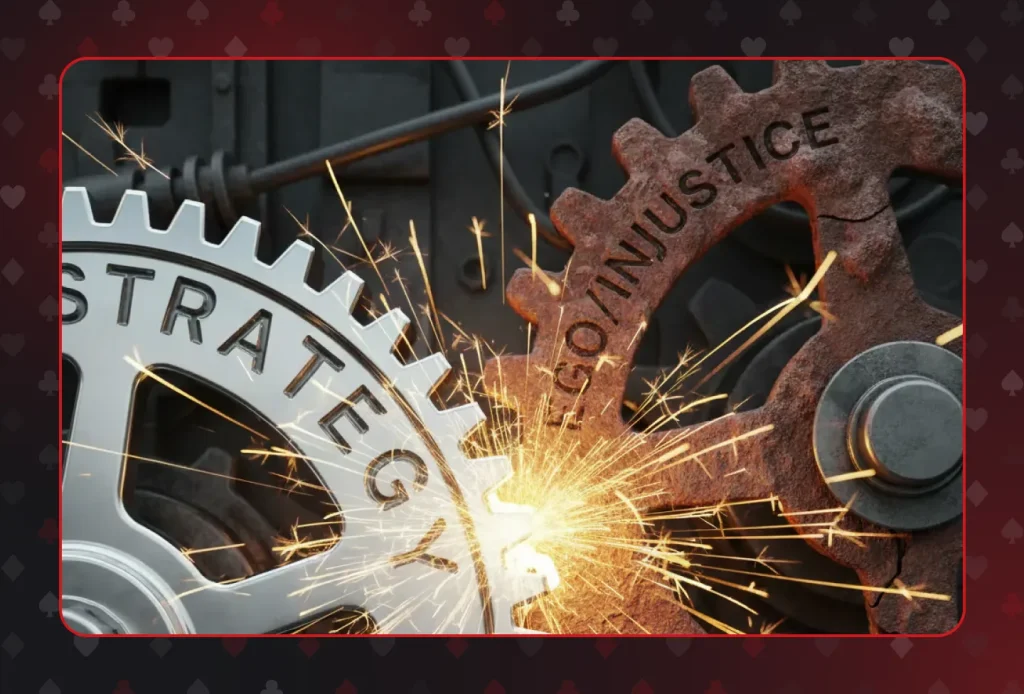
Think of it this way: your brain has two big gears: your logical or rational gear and your emotionally reactive gear. Poker needs the first one on almost a constant basis. But the moment something feels unfair, punishing, embarrassing, or chaotic, your second gear activates and tries to take the wheel.
Tilt is your clear-minded gear losing control over the wheel.
It's a state, not an emotion. It's a shift. It's a mental space where logic no longer helps you drive the car.
If you've ever played a long session, like a very long one, where the hours begin to blur, and the blinds go up without you even recognizing it, you know what I mean by that shift. The shift when your hand range expands without you consciously deciding to expand it, when you're cannonballing down the turn without a plan, when folding seems impossible because folding admits defeat, and your brain holds only so much strength over proceedings that folding means acknowledging that the Gods are against you.
Tilt is the space where decisions become emotional urges disguised as strategy.
This state of mind happens in online games, home games, casino rooms, high stakes games, micro-stakes games, tournaments, and cash games, everywhere. And it arrives sneakily. That's what's dangerous about tilt: it doesn't announce itself as surprise anger, but creeps in during transitions, in moments where you feel violated or feel like an idiot or feel unlucky.
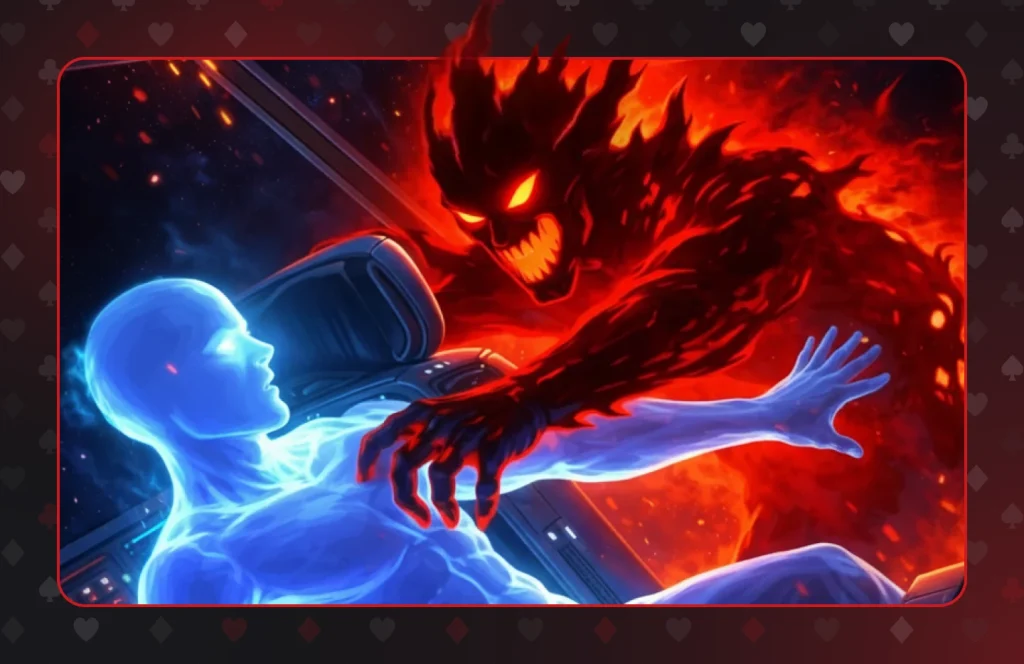
And that's why most people underestimate it. Poker tilt isn't the emotional charge; tilt is the result of what happens when emotions hijack your ability to think clearly.
The Usual Suspects That Trigger Tilt
Tilt rarely comes from one moment. Instead, it's a series of small sparks culminating into a raging fire, and some of these sparks are so subtle that players barely perceive them.
Let's take a look at some of the usual suspects capable of poking into your emotional system in ways that feel unbelievably personal.
Bad Beats
The classic trigger: you get your chips in good, they hit their two-outer against you, your stomach churns. Even seasoned players find themselves getting all uncomfortable in their seats after a bad beat. They are built into poker, but that doesn't stop one's human mind from thinking something very unfair just happened.
Injustice Tilt
This one goes deep. When something feels unfair, even if it's mathematically normal, your psyche cannot help but feel victimized by what has happened. Humans usually care about fairness; we're wired that way, but poker does not care about fairness at all, and that disconnect causes friction.
Mistake Tilt
Ever lose a hand from doing something dumb? Misreading hands? Misclicking? Misunderstanding? It's not against what's happening at the table; it's against ourselves. It's incredible how angry we can get with ourselves.
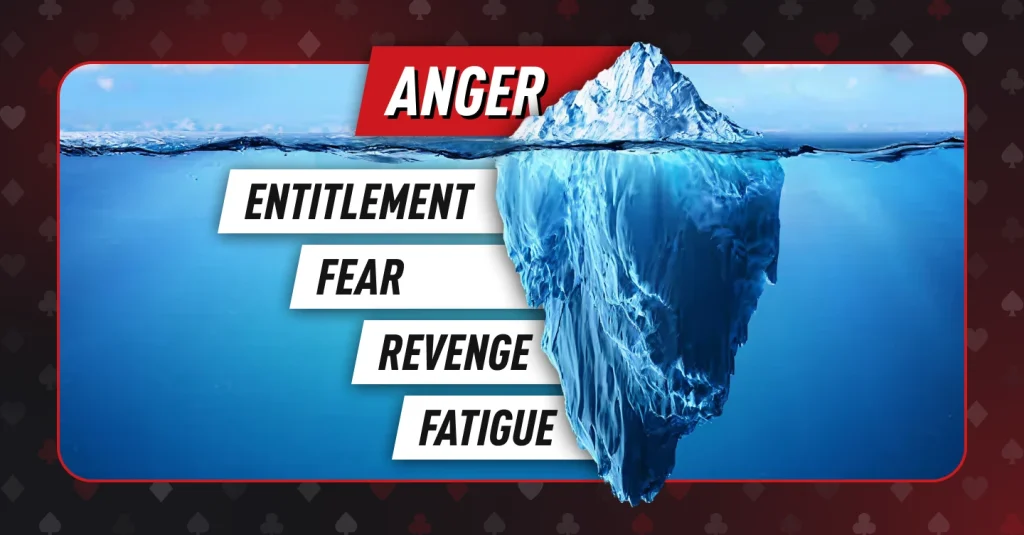
Entitlement Tilt
You expect to win after playing well for so long, then poker says no. This feels like betrayal from poker itself! From the cards! From the Gods! The irrationality behind the entitlement tilt runs really deep.
Revenge Tilt
That one person who keeps beating on you? Yeah, they live rent-free in your head. Revenge tilt changes strategy into ego-driven battles. Beware, some players use it as a weapon and deliberately trash-talk to their opponents.
Winner's Tilt
People miss this one often: a huge win at the beginning of your night makes you feel invincible, and suddenly, you're playing as though you can't lose. That's poker tilt too!
External Stress Tilt
Did you have a long day? Personal problems? Something else stressing you out? All of these lower your emotional threshold before you've even begun!
The Cost of Tilt
Tilt does not just change how you make decisions at the table; it changes how you make them. It affects your self-esteem, your sense of agency, and your self-confidence.
Let's break down what tilt actually costs you.
You Play Hands You Should Fold
When you're on tilt, folding often feels like defeat, and your brain hates the idea of accepting defeat, so instead of just folding, you start reaching. You call because God forbid you get run over.
Your Betting Strategy Explodes
Maybe you're going from well-timed aggression to reckless bluffs, maybe you've lost patience for no reason, maybe you've decided that slowplaying monsters will help you "win it all back". Tilt makes your plays unpredictable, mostly for yourself.
Chasing Losses
The biggest problem with poker tilt is that you're duped by thinking it's going to come right back. Thinking that the chips you've lost can come back quickly leads to bad decisions that get riskier by every attempt to save face too fast.
It Becomes Personal
Poker should be about decisions, patterns, and probabilities, but when tilt enters, it's about you versus the deck, you versus your opponent, and worst of all, you versus yourself.
Why Tilt Feels So Personal
Tilt hurts worse than other emotions because poker interacts directly with who we are.
We don't just sit down and push chips around. We sit down and test our skills, our discipline, the beliefs we have in ourselves, and when something fails big time, it feels like our identity took a punch.
Most players rarely realize how attached they are to their abilities until they lose a hand they shouldn't have lost. In this sense, their ego gets challenged. This is where things hurt emotionally: in their identity.
Every player carries a story. I'm solid. I'm worth it. I've studied enough to deserve this.
When poker buckles those narratives big time, and there's no emotional recourse, poker tilt often follows.
Early Warning Signs
Tilt usually doesn't hit like thunder; it whispers before it screams.
Here are some common signs people often overlook:
Physiological Signs
quick breathing
tightness in chest/shoulders
warmth/agitation
jittery hands
sudden headaches
feeling pressure behind the eyes
Emotional Signs
feeling victimized
feeling poker is against them
feeling emotionally numb
Behavioral Signs
clicking too fast online
talking more than usual at tables
being more assertive than normal
getting agitated beyond expected over little things
Thought Patterns
"I will show them."
"They always get lucky against me."
"I deserve this pot."
"This game sucks."
When you address these early warning signs, you gain power over them.
Practical Tips For Prevention and Tilt Control
Tilt is inevitable but controllable. You can minimize its severity and duration over time, and even catch it while it's building.
Pre-Session: Setting Yourself Up for Success
Before sitting down, there are tricks that can lower the chance of poker tilt before anything happens.
Have A Warm-Up Ritual
You don't need much; it can be just three deep breaths, looking over some goals, or checking where you're at. Looking at a simple note on your phone can also be enough, "process, not outcome", or something along these lines. It can be simple but effective.
Check Your Stress Level
If you're starting off-frame before even beginning, for example, because of poor sleep last night, it will only feel worse as the session progresses.
Admit your condition to yourself instead of pretending you're alright.
Set Process Goals
Instead of "I want to win three buy-ins", try "I want to play my ranges nicely" or "I want to avoid making emotional decisions".
Having process goals relieves performance anxiety.
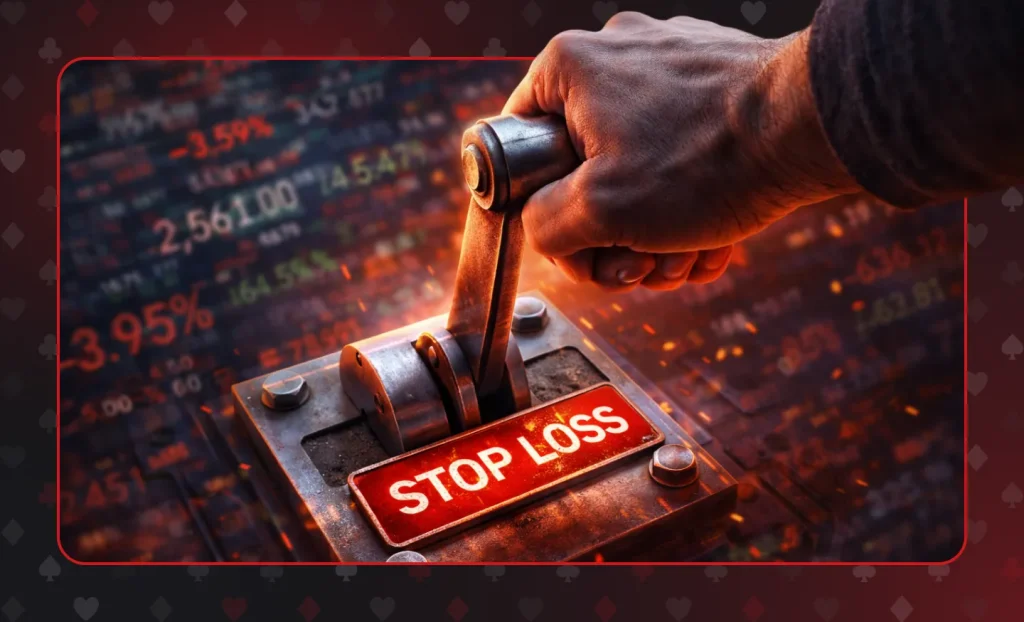
Set a Stop Loss
A hard stop after losing two buy-ins can work wonders at preventing an emotional implosion across an entire bankroll.
Mid-Session: Staying Steady When Tilt Tries Taking Over
Take Breaks Until You Can Collect Yourself
5 minutes can save an entire 5-hour session.
Slow Down Your Decision-Making Processes
Just counting to two can help guide intention instead of impulsivity.
Have A Reboot Ritual
A minor action, like touching your stack or standing up or adjusting yourself so it's noticeable, can serve as an intentional reboot for a better plan moving forward.
Lower Stakes
There's no shame in dropping down a limit mid-session online.
Multitabling Should Be Off The Table
Poker tilt loves multitabling; it loves overwhelm. Play just one table, focus on one, and have a calmer brain.
Post-Session: Healing from the Bruise
Tilt doesn't end once you've gotten away from the computer. It lingers, but you can resolve it.
Journaling
Write a line or two about what triggered you in your last session. How did I react? What would I have preferred to do differently?
Simple reflection makes patterns clear over time.
Be Kind To Yourself
Literally. Because bad beats happen, mistakes happen, and you can't ever 100% avoid them.
Sleep
Your brain needs recovery, and it even recharges emotional stability while sleeping. Don't skip sleep, or if you absolutely have to, just skip your session the next day. A skipped session is oftenbetter than a session played on zero sleep.
Building a Tilt-Proof Mindset
Train your mental muscle steadily, but don't expect perfection.
Shift From Identity to Curiosity
Approaching the game like "Poker is complex, and I'm learning every session" instead of "I'm a good player, I should win".
Curiosity is poker tilt's biggest enemy.
Let Go Of Entitlement
You don't "deserve" wins because you've played well so far. You earn long-term feedback with consistently good decisions. Nothing more, nothing less.
Train Emotional Endurance Off The Felt
Exercise, meditation, and take breaks. Your emotional endurance gets nurtured outside of poker.
Recognize Your Patterns
You don't tilt randomly; you do so for certain reasons. When trained enough to notice these patterns, you start winning the game within yourself.
Final Thoughts
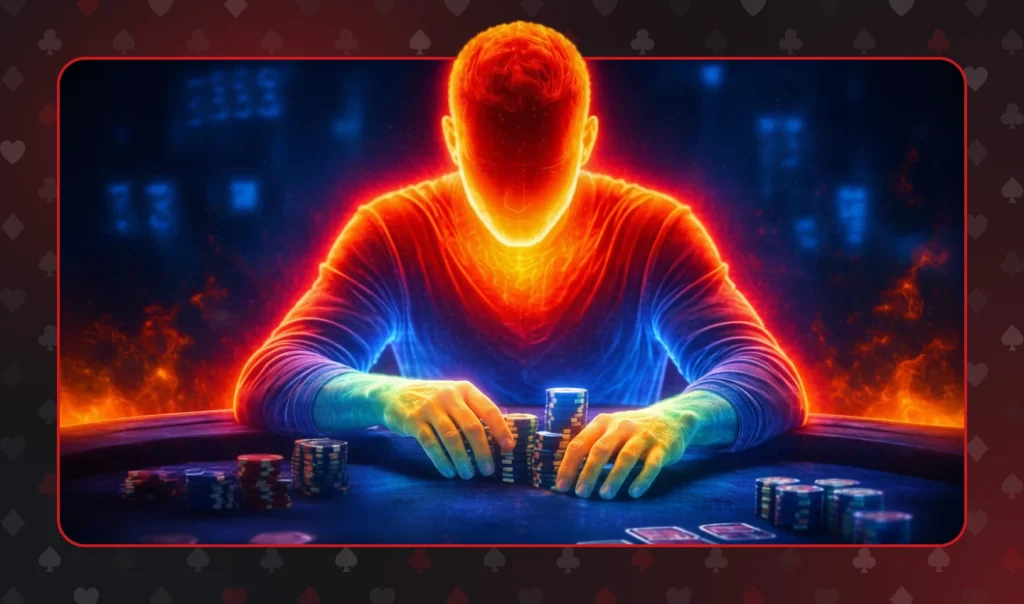
Poker tilt isn’t an emotion. Poker tilt is when emotion hijacks your good sense and convinces you to behave instinctually instead of through intention. It’s the mental haze that comes after bad beats occur, after losing chips, and suddenly feeling as though next time will fix everything.
When you recognize tilt as a cognitive hijack instead of an emotion, your mind becomes more grounded, and your game becomes more relaxed. Humans are complex beings, but by realistically assessing tilt, you're taking meaningful steps towards a better mindset for the game.
Remember, you don't need to eliminate tilt, you just need to learn how to meet it halfway without letting it dictate how you're going to play.
If you feel ready to control poker tilt in your poker game, read our detailed poker site reviews and try one of the recommended sites to test your new knowledge.
About the Editor

Beus Zsoldos is Somuchpoker's Senior Copywriter and Player Stories Editor, covering WSOP color moments, player profiles and poker personalities for the site's Stories section. She has spent more than 20 years around the game, first as a player, then as a live tournament director and localization manager for a major online poker room, before moving into full time poker writing.
Related News
 StrategyOnline PokeriGaming
Mystery Bounty Poker Tournaments Explained: Rules, Strategy & Big Prizes (2026)
Learn how mystery bounty poker tournaments work, why players chase massive jackpot envelopes, and the best strategy adjustments to increase your EV in 2026.
 Strategy
Poker for Beginners: How to Learn Online Poker from Streams
Discover how to turn poker streams into your best study tool! Learn online poker basics like preflop action, pot odds, and bet sizing with this beginner guide.
 StrategyOnline PokeriGaming
Poker Psychology: The Ultimate Guide to Master the Mental Game
Transform your results with this comprehensive guide to poker psychology. Learn to master emotional control, eliminate tilt, build confidence, and more.
![[Poker Basics] Target Stack and Timed Tournaments: The Complete Strategy Guide](/_next/image?url=https%3A%2F%2Fimages.ctfassets.net%2Fo0c4x84rxbjm%2F6AlscPiq8eFWhuKT0DNpu5%2Fe5e2e24abc7323cb5f48f69fabeec2f9%2Ftarget_timed_featured.webp&w=3840&q=75) Strategy
Strategy[Poker Basics] Target Stack and Timed Tournaments: The Complete Strategy Guide
Learn how target stack poker and timed poker tournaments work, with practical strategy tips for both formats.
 StrategyOnline Poker
The Main Differences Between Poker Rebuy and Re-Entry Tournaments
Discover the main differences between a poker rebuy and a re-entry tournament. Learn how the rules, seat changes, and strategies affect your game.
 Side PotStrategyStories
Why Keeping Your Phone at the Poker Table Could Actually Save You Money
Think hiding your phone at the poker table is smart? Discover how keeping it handy can prevent you from playing trash hands and improve your win rate.