

Poker for Beginners - How to Gamble Responsibly: Your Guide to Safe and Fun Casino Play


Walking onto a bustling casino floor or logging into your favorite online casino can be an incredibly thrilling experience. The flashing lights, the sound of the slots, and the anticipation of the next card draw all create a fantastic atmosphere. Millions of people around the world enjoy gambling as a fun, exciting form of entertainment.
However, the keyword here is entertainment. To keep the experience enjoyable, it is crucial to understand how to gamble responsibly. When the fun stops, the game should stop. In this comprehensive guide, we will explore exactly what responsible gaming means. We will provide actionable responsible gambling tips, explain how to use bankroll management tools, and help you recognize the signs of problem gambling.
Whether you are a casual player spinning the slots on the weekend or a seasoned poker player, this guide is designed to help you stay in control and keep your casino experience positive.
What Does It Mean to Gamble Responsibly?
Responsible gambling means treating betting as a leisure activity, not a way to make money. It is about understanding the odds, knowing that you are statistically more likely to lose than to win, and being completely at peace with that fact.
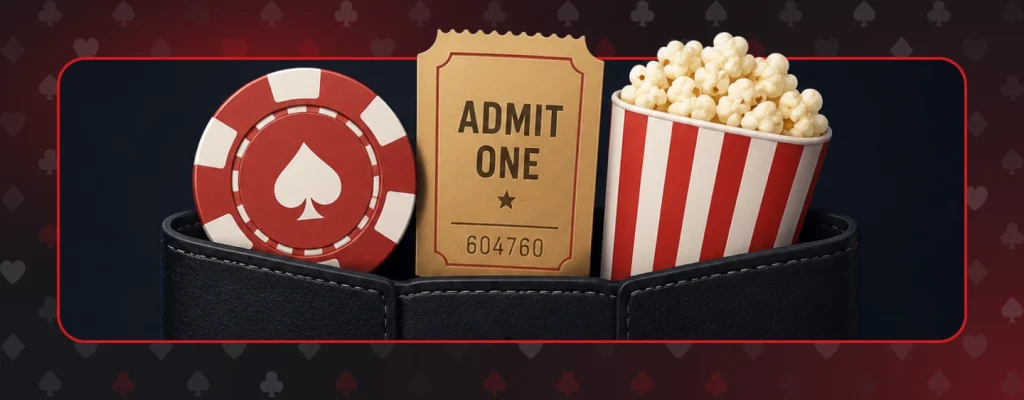
When you go to the movies, you pay for a ticket, enjoy the show, and leave. You do not expect to get your money back at the end of the film. Gambling should be viewed through the exact same lens. You are paying for the entertainment of playing the game. If you happen to walk away with a win, that is a fantastic bonus, but it should never be the expectation.
Learning how to gamble responsibly involves self-awareness. It requires you to set boundaries for yourself regarding time and money and to have the discipline to stick to them, no matter what happens at the tables.
Top Responsible Gambling Tips for Every Player
To ensure that your time spent at the casino remains a fun and safe pastime, there are several golden rules you should follow. Incorporating these responsible gambling tips into your routine will protect your wallet and your peace of mind.
Treat Gambling as an Entertainment Expense
Before you even step foot in a casino or open a gambling app, decide how much money you are willing to spend on entertainment for that day, week, or month. This money should come from your disposable income. Never use money that is meant for rent, groceries, bills, or savings. Once this entertainment budget is gone, your gaming session is over.
Never Chase Your Losses
This is perhaps the most important rule in the gambling world. Chasing losses occurs when a player loses their budget and decides to deposit more to recoup their losses. This is a dangerous cycle that almost always leads to even bigger losses. Accept the loss as the cost of entertainment for that day and walk away.
Understand the House Edge
Every single casino game has a built-in mathematical advantage for the casino, known as the "house edge". Whether you are playing blackjack, roulette, or slots, the odds are always slightly tipped in the casino's favor. Understanding that the casino is mathematically guaranteed to win in the long run helps you maintain realistic expectations. You cannot beat the system, so focus on enjoying the gameplay instead.
Avoid the Gambler’s Fallacy
The Gambler’s Fallacy is the mistaken belief that past events affect future outcomes in games of pure chance. For example, if a roulette wheel lands on black five times in a row, a player might believe that red is "due" to hit next. In reality, the odds of hitting red are exactly the same on every single spin. Recognizing this cognitive bias helps you avoid making irrational bets based on false patterns.
Don't Gamble Under the Influence
Alcohol and gambling are heavily intertwined in casino culture. However, drinking alcohol impairs your judgment and lowers your inhibitions. This makes you far more likely to break your own rules, overspend, and make risky bets. If you want to play safely, it is best to keep a clear head.
Mastering Bankroll Management Tools
One of the greatest advantages of the modern online gambling industry is the wide array of built-in player protection features. Reputable, licensed casinos are required by law to offer bankroll management tools to help you stay in control.
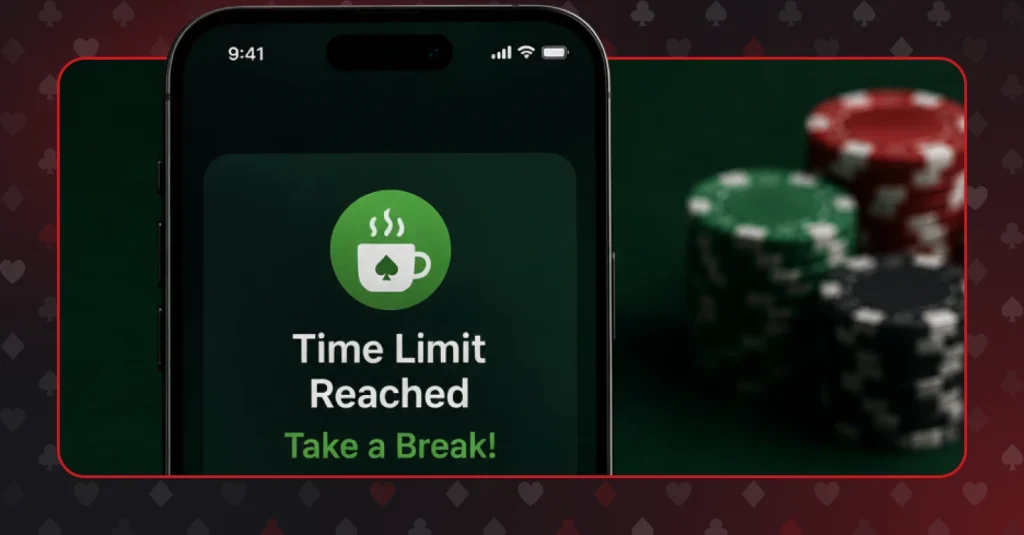
If you want to know how to gamble responsibly, utilizing these tools is step one. They take the pressure off your willpower by automatically enforcing the rules you set for yourself.
Here is a breakdown of the most common casino limits you can apply to your account:
Tool Name | How It Works | Best Used For |
|---|---|---|
Deposit Limit | Restricts the maximum amount of money you can deposit into your account over a rolling period (daily, weekly, or monthly). | Preventing yourself from spending more than your set entertainment budget. |
Loss Limit | Caps the amount of money you are allowed to lose during a specific timeframe. Once you hit the limit, you cannot play until the time resets. | Stopping you from chasing your losses on a bad streak. |
Wagering Limit | Limits the total amount of money you can bet over a set period, regardless of whether you are winning or losing. | Slowing down your pace of play and preventing massive, reckless bets. |
Session / Time Limit | Automatically logs you out of your account or gives a reality check pop-up after you have been playing for a predetermined amount of time. | Preventing "time blindness" and ensuring you don't spend your whole day gambling. |
By setting these casino deposit limits the moment you create an account, you build a safety net that protects you from the heat of the moment.
Recognizing the Signs of Problem Gambling
Even with the best intentions, gambling can sometimes cross the line from a fun hobby into a harmful addiction. Problem gambling (also known as ludomania) is a recognized psychological condition. It is vital to be honest with yourself and check in on your habits regularly.
Catching the issue early is the best way to prevent long-term financial and emotional damage. Here are the most common signs of problem gambling:
Preoccupation with gambling: You spend a significant amount of your day thinking about your next session, strategizing, or reliving past wins and losses.
Increasing your bet sizes: You find that you need to bet larger amounts of money to experience the same level of excitement or thrill.
Lying to loved ones: You hide your gambling activities, lie about where you have been, or conceal bank statements to hide your losses from friends and family.
Borrowing money to play: You take out loans, max out credit cards, or borrow from loved ones specifically to fund your gambling habits.
Using gambling as an escape: You gamble to forget about stress, depression, anxiety, or relationship problems in your real life.
Neglecting responsibilities: Your work performance suffers, you skip classes, or you ignore your family because you are spending all your time gambling.
Failing to quit: You have made repeated, unsuccessful attempts to cut back on your gambling or stop altogether.
If you or someone you love is exhibiting these signs, it is highly recommended to step away from the casino and seek professional support. You can find problem gambling self-assessment tests online as a start.
How to Take a Break: Time-Outs and Self-Exclusion
If you feel like you are losing control, or if you simply recognize that you are spending too much time on casino sites, taking a break is a highly effective strategy. All regulated casinos offer tools to help you step away.
The Cooling-Off Period (Time-Out)
A time-out allows you to temporarily block access to your casino account. You can usually set this for a short period, such as 24 hours, one week, or one month. During this time, you will not be able to log in, deposit money, or place any bets. This is an excellent way to force yourself to cool down after a frustrating losing streak.
Self-Exclusion
If you realize that gambling is causing active harm to your life and you need to stop entirely, self-exclusion is the most powerful tool available. Self-exclusion is a formal process where you ask a gambling operator to ban you from their services for an extended period - usually ranging from six months to five years, or even permanently.
In many jurisdictions, there are national self-exclusion registers (such as GamStop in the UK). By registering with one of these services, you are simultaneously banned from every licensed online casino in the country. It is a highly effective barrier that removes the temptation to play.
Conclusion
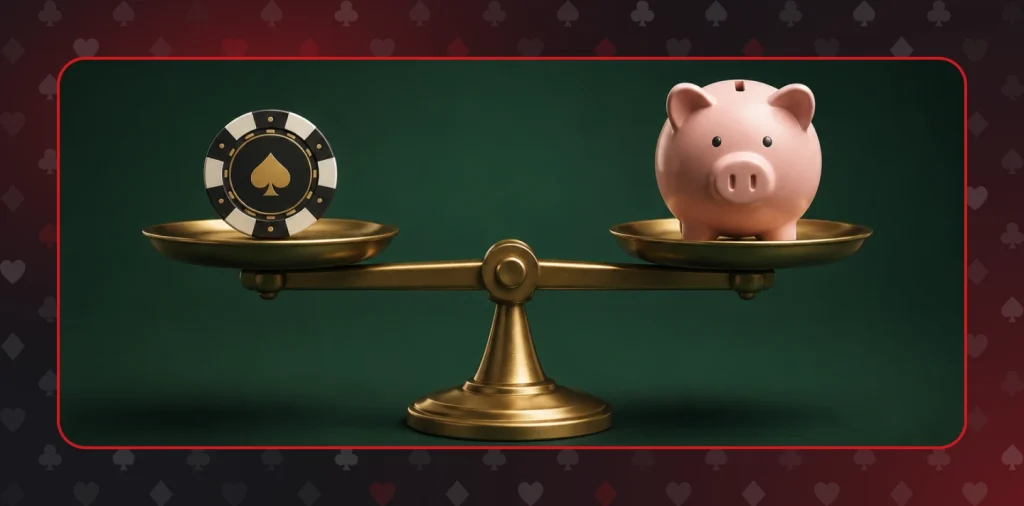
The vibrant world of casino gaming is meant to be a source of joy, excitement, and lighthearted fun. By learning how to gamble responsibly, you ensure that the experience remains exactly that.
Remember to always treat gambling as an entertainment expense, set strict budgets using your casino's bankroll management tools, and never chase your losses. Keep your expectations realistic by understanding the house edge, and always monitor your habits for any signs of problem gambling.
Winning is a great feeling, but playing safely is the ultimate victory. Stay informed, play within your poker or casino deposit limits, and keep the fun in the game!
Useful links about problem gambling:
National Council on Problem Gambling (NCPG): Guidelines on responsible play and diagnostic criteria for gambling disorders.
Responsible Gambling Council (RGC): Data and educational materials regarding player protection and risk mitigation.
BeGambleAware: Information on setting limits, understanding casino odds, and self-exclusion programs. (begambleaware.org)
Gamblers Anonymous: Anonymous groups worldwide, if you or someone you know feels like in need of help.
About the Editor

Beus Zsoldos is Somuchpoker's Senior Copywriter and Player Stories Editor, covering WSOP color moments, player profiles and poker personalities for the site's Stories section. She has spent more than 20 years around the game, first as a player, then as a live tournament director and localization manager for a major online poker room, before moving into full time poker writing.
Related News
 StrategyOnline PokeriGaming
Mystery Bounty Poker Tournaments Explained: Rules, Strategy & Big Prizes (2026)
Learn how mystery bounty poker tournaments work, why players chase massive jackpot envelopes, and the best strategy adjustments to increase your EV in 2026.
 Strategy
Poker for Beginners: How to Learn Online Poker from Streams
Discover how to turn poker streams into your best study tool! Learn online poker basics like preflop action, pot odds, and bet sizing with this beginner guide.
 StrategyOnline PokeriGaming
Poker Psychology: The Ultimate Guide to Master the Mental Game
Transform your results with this comprehensive guide to poker psychology. Learn to master emotional control, eliminate tilt, build confidence, and more.
![[Poker Basics] Target Stack and Timed Tournaments: The Complete Strategy Guide](/_next/image?url=https%3A%2F%2Fimages.ctfassets.net%2Fo0c4x84rxbjm%2F6AlscPiq8eFWhuKT0DNpu5%2Fe5e2e24abc7323cb5f48f69fabeec2f9%2Ftarget_timed_featured.webp&w=3840&q=75) Strategy
Strategy[Poker Basics] Target Stack and Timed Tournaments: The Complete Strategy Guide
Learn how target stack poker and timed poker tournaments work, with practical strategy tips for both formats.
 StrategyOnline Poker
The Main Differences Between Poker Rebuy and Re-Entry Tournaments
Discover the main differences between a poker rebuy and a re-entry tournament. Learn how the rules, seat changes, and strategies affect your game.
 Side PotStrategyStories
Why Keeping Your Phone at the Poker Table Could Actually Save You Money
Think hiding your phone at the poker table is smart? Discover how keeping it handy can prevent you from playing trash hands and improve your win rate.