

The Venetian Switches to Poker Slide Dealing Amid Cheating Concerns


The Venetian has become the first major Las Vegas Strip casino to switch to poker slide dealing, a method intended to reduce the risk of hidden cameras capturing players’ hole cards. The move follows a similar change at South Point and comes amid wider concerns about game security in live poker.
Instead of throwing cards through the air, dealers slide them across the table surface. Although the method is not new, its adoption by major casinos has sparked debate among poker professionals, tournament directors and players.
The change at the Venetian marks a significant development in that discussion. However, while supporters see slide dealing as a way to improve security, others remain concerned about its effect on the pace of play.
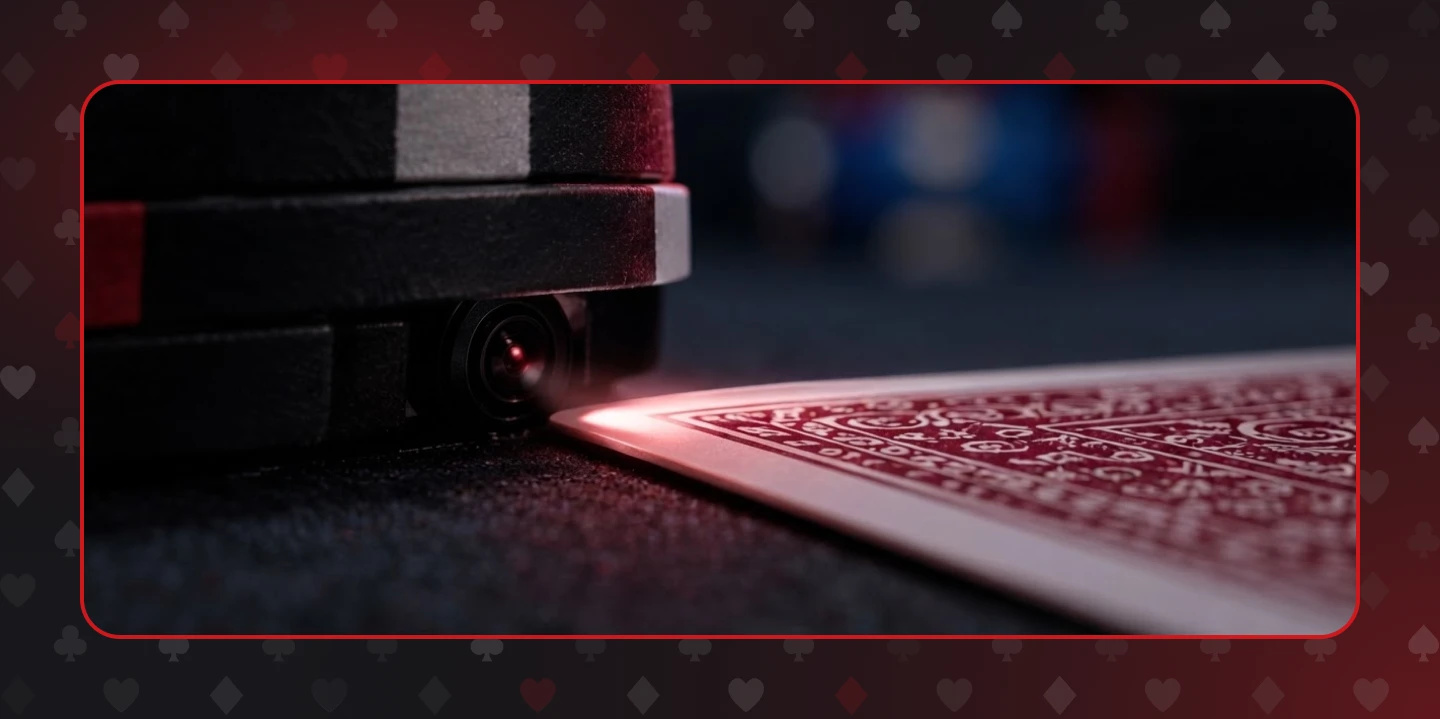
How Poker Slide Dealing Helps Prevent Cheating
Traditional pitch dealing involves dealers throwing cards from their hands toward the players. If a card is exposed at the wrong angle during the process, a hidden camera may capture information about a player's hole cards.
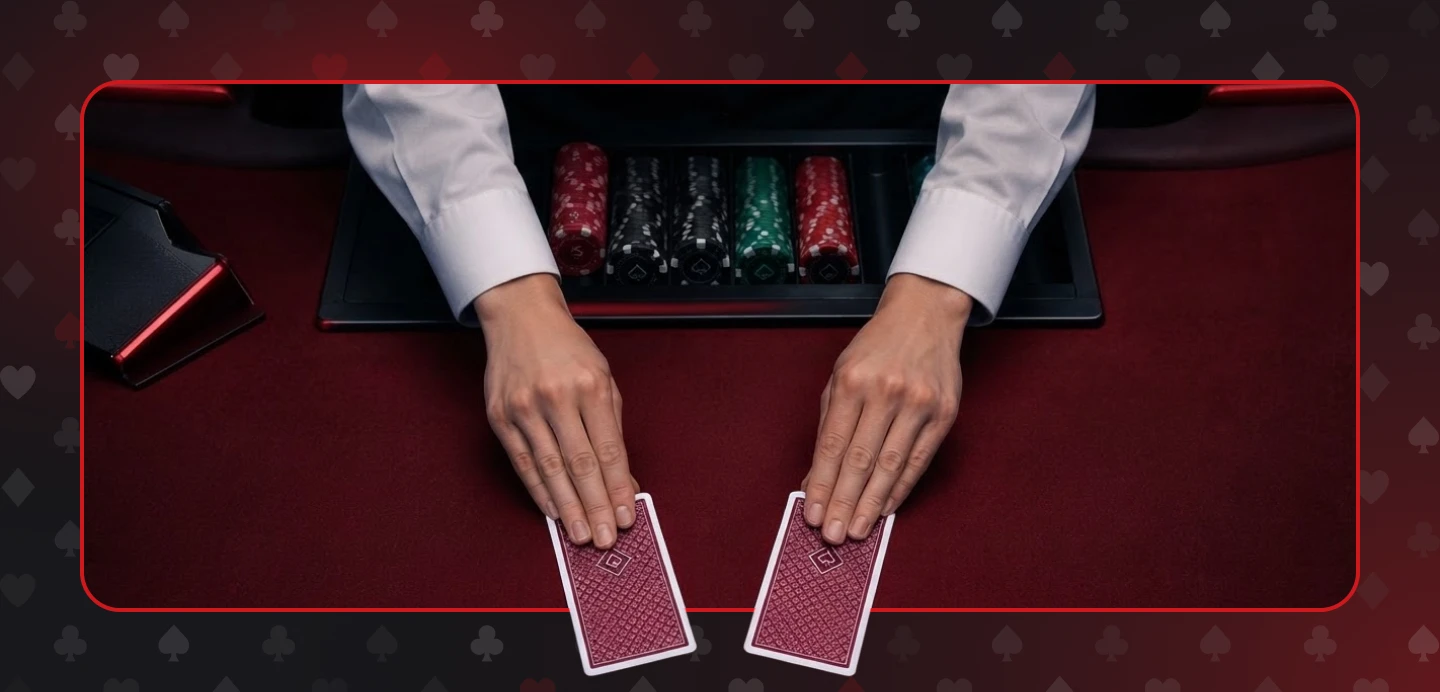
Poker slide dealing takes a different approach. Dealers keep the cards close to the table surface as they distribute them, reducing the chance of a camera capturing their faces.
The concern grew after a demonstration at the Global Gaming Expo in Las Vegas showed how a pinhole camera could capture hole cards when they were not pitched properly.
Hidden cameras: Small cameras can pose a security risk if they capture information that players are not supposed to see.
A different dealing method: Sliding cards across the felt keeps them closer to the table instead of sending them through the air.
Game integrity: The purpose is to reduce the risk of hole cards being exposed, helping protect the fairness of the game.
Slide dealing is not a new development in poker. PokerStars announced plans to introduce the method at its live events in August 2024 before rolling it out more widely in 2025. Its experience shows the approach can be implemented across a major international tournament circuit.
The wider discussion around casino slide dealing is closely linked to poker cheating prevention. By keeping cards closer to the felt, the method aims to make it harder for hidden cameras to capture players’ hole cards. However, it should be seen as a measure to reduce that risk, not a guarantee that it can prevent every form of cheating.
Venetian Slide Dealing Draws Support From Poker Pros
The Venetian's transition attracted attention from poker professionals and commentators in October 2026. Bart Hanson posted about the change on X on October 12, while Matt Berkey shared a video of the new dealing method the following day, which subsequently showed a dealer sliding cards from a shoe across speed felt, with no major hindrances reported in his description.
Matt Berkey: He praised the operators who listen to players and take game integrity seriously, highlighting the importance of making changes when security concerns arise.
Joey Ingram: He has taken a strong position in favor of slide dealing, arguing that opposition to the method raises questions about the priority given to game security.
Justin Hammer: PokerOrg's resident tournament director supports slide dealing. He said that if poker were being built from scratch, he would choose this method.
These reactions show that support for the change extends beyond the Venetian itself. For advocates, the issue is not simply how cards are dealt, but whether poker rooms are doing enough to protect players from potential security threats.
For supporters of the change, poker game integrity is more important than maintaining the traditional dealing method. They believe poker rooms should take practical steps to reduce security risks, even if introducing a new procedure requires staff training and changes to how games are dealt.
Why Has the Switch Taken So Long?
Some poker players have been calling for wider adoption of slide dealing for around two years. Despite that support, the change has not happened everywhere, and the reasons go beyond the dealing technique itself.
Tournament director Justin Hammer has explained that operators may be reluctant to switch because of the potential business implications. Changing the procedure can mean retraining staff and could affect revenue if games become slower.
Staff retraining: Dealers need to learn a different way of distributing cards, and operators must manage the transition across their rooms.
Revenue concerns: Some operators worry that a change in dealing procedures could reduce the number of hands played and affect revenue.
Different priorities: While security is a major concern for supporters, operators must also consider the practical effects of changing established procedures.
Hammer has acknowledged these concerns while maintaining his support for the slide method. His comments help explain why a change that appears straightforward in principle can take time to implement across a large poker operation.
The debate has also drawn a range of responses from other industry figures. WPT tournament director Matt Savage has tried to present both sides of the argument on X, although his posts have received pushback from players.
Why Some Players Oppose Poker Slide Dealing
Not everyone in the poker community believes slide dealing is the best option. Some players argue that it is slower than traditional pitch dealing and could lead to fewer hands being played per hour.
That concern matters to players who prefer a faster game. However, it also creates a direct conflict between two priorities: keeping the game moving and reducing the risk of hole cards being exposed.
Game speed: Critics worry that sliding cards could take longer than the traditional method.
Practical adjustments: Dealers and operators may need time to adapt to the new procedure.
Security versus efficiency: Supporters place greater emphasis on protecting the game, while opponents question whether the change could slow play.
The discussion does not mean that all players oppose the change or that slide dealing will necessarily reduce game speed in every setting. Instead, it highlights the questions poker rooms must consider when deciding whether to adopt a different dealing procedure.
For the Venetian, the initial video Berkey shared showed how the method could work in practice. Whether other operators reach the same conclusion remains to be seen.
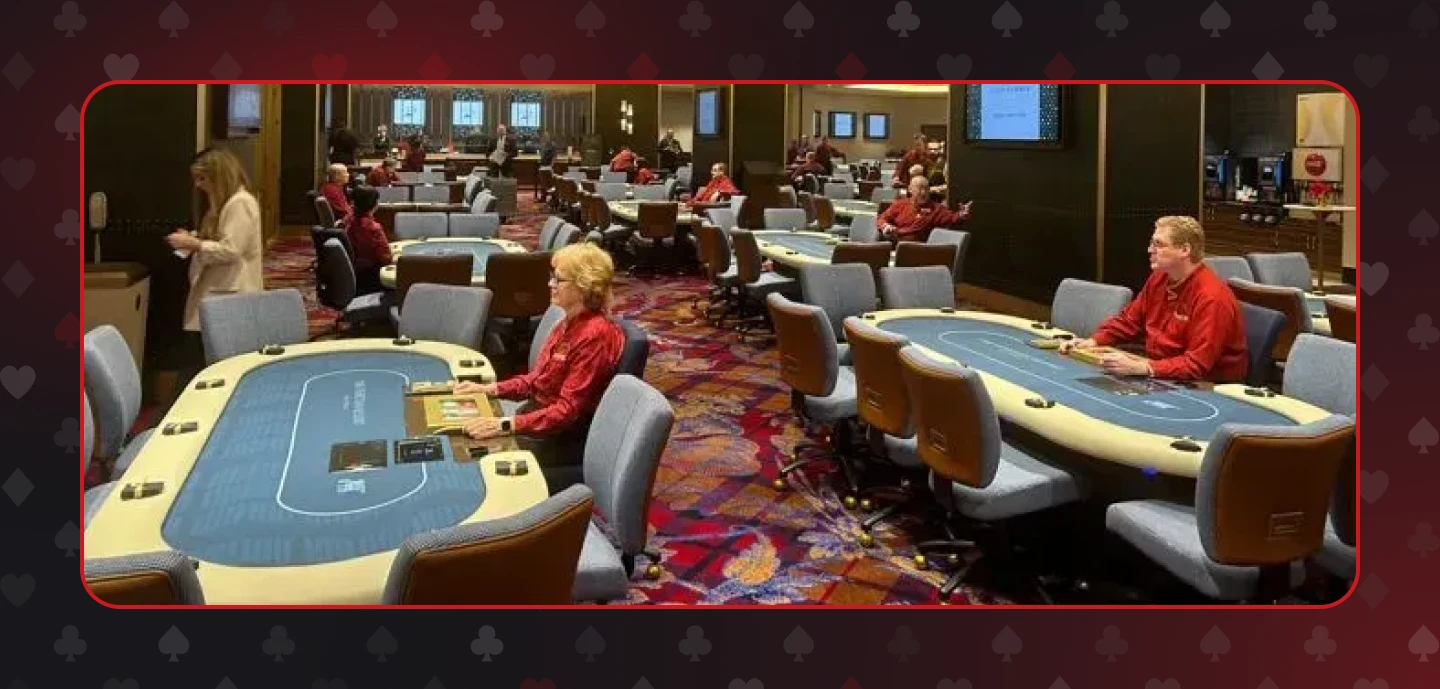
Will Other Las Vegas Strip Casinos Follow?
The Venetian's decision has brought renewed attention to the possibility of wider adoption across Las Vegas. While PokerStars has already introduced slide dealing at its live events, Strip casinos have been slower to make the change.
The Venetian's move demonstrates that a major Strip property can adopt the method. The next question is whether other operators will follow and how they will manage the transition.
MGM properties: Berkey said he had heard that MGM properties might follow suit. However, no official announcement had been made.
The WSOP: The World Series of Poker could face a particularly difficult transition because of the large number of dealers employed during its summer events.
Wider adoption: The Venetian's experience may give other operators an example to consider as they weigh game security against operational concerns.
The World Series of Poker (WSOP) is a particularly important case because changing procedures across such a large operation would require careful planning. The original report identifies the number of dealers employed each summer as a potential challenge, but it does not confirm that the WSOP has announced plans to switch.
For now, the Venetian has taken a notable step in the debate over preventing poker cheating. With hidden cameras remaining a concern for the industry, the question is whether more casinos will decide that the potential security benefits of slide dealing outweigh the practical challenges of making the change.
About the Editor

Gyöngyi P. Tóth is Somuchpoker's Content Writer and Poker Stories Specialist, writing Side Pot features, WSOP storylines, and the site's Poker in Pop Culture and Legends of Poker series. She was introduced to poker 20 years ago through live tournament play, and what has kept her interest since is the psychology and human behavior behind the game as much as the cards themselves.
Related News
 iGamingOnline CasinoStories
SteveWillDoIt Net Worth 2026: Gamdom Deal, Casino Streams and Biggest Wins
SteveWillDoIt net worth in 2026 - why it's $20M+, his $3.2M a month Gamdom claim, biggest slot wins and casino streams.
 Stories
Online Poker History: The Billion-Dollar Game That Changed Everything
Discover online poker history with Wladimir Taschner, from the early internet games and poker boom to Black Friday and today's high-tech tables.
 Legends of PokerStories
Bill Perkins: Net Worth, Poker Career and Biggest Bets
Discover Bill Perkins’ net worth, poker career, biggest prop bets, high-stakes cash games, Die With Zero philosophy and business background.
 Stories
Brandon Wilson Wins Super High Roller Bowl XI Title for $1.1 Million
Brandon Wilson wins Super High Roller Bowl XI for $1.1 million, defeating Nick Petrangelo heads-up after calling his river bluff to claim the title.
 iGamingOnline CasinoStories
Jack Doherty Signs With Shuffle - and Gets Banned From Posting Online
Jack Doherty signed with Shuffle Casino and is now banned from posting online. Noah Dummett confirms the 6-month deal. Full story here.
 Stories
Britney Sidelined as HCL Investigates Collusion Allegations
Hustler Casino Live has sidelined Britney Jing while reviewing collusion and staking allegations involving several poker players. Here's what we know about the ongoing controversy.