

From Chips to Fame - Part 6 - Casino Cash Games vs Tournaments: Which Made Poker Players Richer?

Welcome to our ultimate poker guide for beginners on the difference between poker tournaments vs cash games. If you have ever walked into a casino or logged into an online card room, you have probably faced a huge decision. You have to choose where to put your money, and the biggest debate in gambling history is always poker cash games vs tournaments.
Which one actually makes players richer in the long run? Which one is safer for your wallet? In this comprehensive poker guide for beginners, we will break down the math, history, and winning strategies.
Let’s sit down, shuffle up, and deal with this classic question. By the time we finish, you will know exactly which table fits your personality and your budget.
The Doyle Brunson Era: When Cash Was King
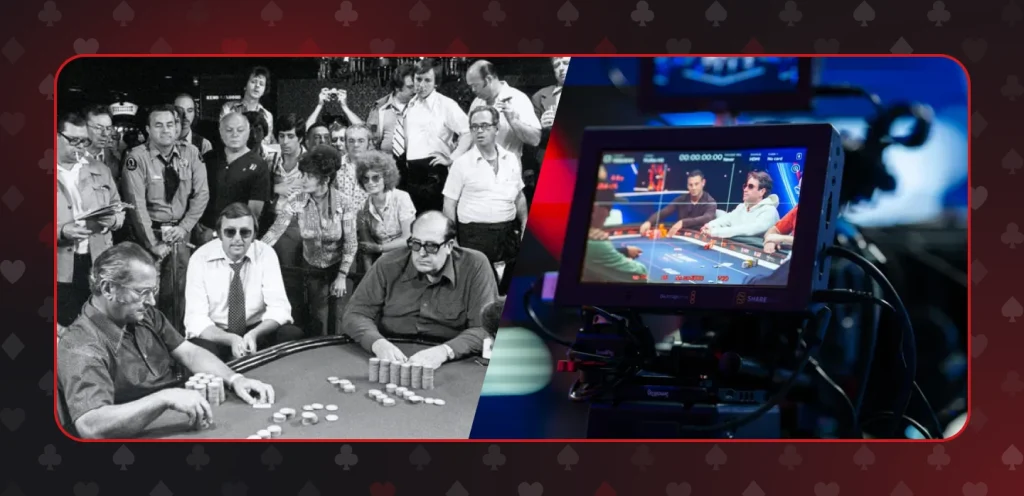
Long before the internet and bright television cameras, the poker world looked very different. Back in the legendary Doyle Brunson era, the biggest stars were not chasing trophies. They were making their real fortunes in dark, smoky backrooms playing massive cash sessions.
While Doyle "Texas Dolly" Brunson - whose name is inextricably linked with the Ten-Deuce (T2) hand - famously won the World Series of Poker Main Event, his true wealth came from high-stakes cash tables in Las Vegas. One of the best cash game poker tips from that golden era was all about patience and mental toughness. You played deep stacked, meaning you had a lot of chips relative to the blinds, and one mistake could cost you everything.
The absolute beauty of this format is the freedom it provides. You can sit down, win a massive pot, and cash out five minutes later to go grab dinner. You are never trapped at the table, which is why many old-school pros still prefer this daily grind today.
Modern High Stakes: The Rise of the Millionaires
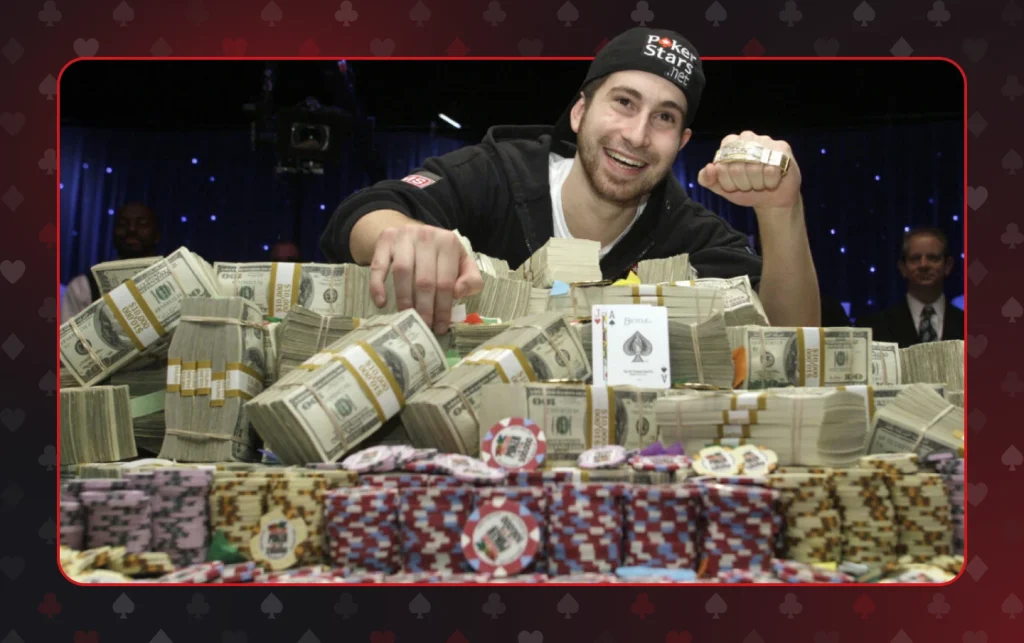
Fast forward to today, and the modern high-stakes scene has shifted quite a bit. Television broadcasts and massive sponsorships turned poker into an arena event. Suddenly, mastering poker tournament strategy became the fastest way to become a millionaire overnight.
Players have built tens of millions of dollars in net worth through massive, winner-take-all prize pools. In a tournament, your chips do not have a direct dollar value until you survive long enough to reach the payout structure. This creates a completely different psychological environment where mere survival is your primary goal.
However, do not think the old ways of steady grinding are dead. According to Grand View Research, the global online poker market was valued at USD 3.86 billion in 2024, with the cash games segment capturing the largest market share due to its flexible, strategic gameplay. This proves that reliable, predictable cash play is still the bread and butter for most professionals worldwide.
Risk vs Reward: Understanding the Poker Math
When we talk about poker cash games vs tournaments, we have to discuss the risk-to-reward ratio. In a tournament, the variance (the ups and downs caused by luck) is incredibly high. You might play perfectly for three days, get unlucky on one hand, and go home with zero dollars.
To survive that kind of variance, your poker tournament strategy must be flawless. You have to understand how to steal blinds, put pressure on shorter stacks, and get a little lucky at the right moments. The reward is huge, but the risk of going on a long losing streak is very real and mentally exhausting.
On the other hand, the financial risk in cash play is much lower if you have a skill edge over your opponents. One of the best cash game poker tips you will ever hear is to simply wait for bad players to make mistakes. If you lose your chips in a lucky draw, you can instantly buy back in and try again.
The Psychology of Winning: Mental Stamina
When discussing poker cash games vs tournaments, we absolutely cannot ignore the mental side of the game. Your psychological endurance plays a massive role in which format will actually make you richer. Poker is a game of skill, but it also requires extreme emotional control.
If you suffer a terrible bad beat in a cash session, the smartest cash game poker tips suggest you simply stand up. You can take a walk, grab a coffee, or just go home for the day to clear your head. This prevents "tilt", which is a state where you play emotionally, make bad decisions, and lose even more money.
In a tournament, walking away simply is not an option. You have to sit right back down, take a deep breath, and keep playing with a shorter stack while the blinds keep rising. This requires a much thicker skin and incredible mental resilience to bounce back.
If you easily get frustrated by bad luck, the best poker format for beginners is definitely the cash tables because you have ultimate control over your exit strategy. However, if you thrive under immense pressure and love a good comeback story, tournaments will test your mental stamina in the best way possible.
Many successful professionals actually mix both formats to keep their minds sharp and fresh. They use the steady, reliable income from cash tables to fund their expensive tournament buy-ins. This balanced approach is often the smartest way to build a massive poker bankroll over time without burning out.
Deciding on the Best Poker Format for Beginners
So, what is the absolute best poker format for beginners? Most seasoned pros will tell you to start with low-stakes cash tables. Playing for $1/$2 allows you to learn the pure mechanics of the game without the pressure of a ticking tournament clock. You don't have to rely on cash game poker tips you randomly overheard; there are great coaching sites to provide a poker guide for beginners.
At a cash table, the required bets (the blinds) never increase. You can fold trash hands for three hours straight, and it will only cost you a few dollars in missed blinds. It is the perfect environment to study human behavior and practice all the cash game poker tips you have been reading about.
However, some people strongly argue that the best poker format for beginners is a cheap, low-buy-in tournament. Why? Because your financial losses are strictly capped at the entry fee. If you pay $10 to enter, you can never lose more than $10, but you might get to play for several hours.
Online vs. Live: Where Should You Play?
Another major factor in the poker tournaments vs cash games debate is whether you are playing online or at a physical casino. The environment you choose completely changes the game's speed and feel. It is a vital choice for anyone reading a beginner's poker guide.
Online poker is incredibly fast-paced and efficient. You see significantly more hands per hour because there is no physical dealer taking time to shuffle the cards. If you are practicing your cash game poker tips, the internet even allows you to play multiple tables at once, multiplying your potential hourly win rate.
Live poker, on the other hand, is much slower and far more social. You get to look your opponents in the eye and pick up on physical tells, like shaking hands, heavy breathing, or nervous talking. Many experienced players find live cash games to be much softer and easier to beat than online tables.
For tournament lovers, online platforms offer massive schedules with new events starting every few minutes of the day. You do not have to wait for a special weekend festival at your local casino. However, nothing quite matches the electric, heart-pounding atmosphere of making a final table under the bright lights of a real, live casino room.
Deep Dive: Strategy Differences to Remember
You cannot play both formats the exact same way and expect to win money. Let’s look at the crucial differences between poker tournaments vs cash games strategy. In a tournament, the blinds constantly increase, forcing you to play hands you would normally throw away.
This escalating pressure is the core of all good poker tournament strategy. You cannot just sit around waiting for pocket aces to magically appear. You have to take calculated risks, bluff more frequently, and fight for every single chip just to survive the next level.
In contrast, cash play is a marathon of extreme patience. Since the blinds never change, there is zero pressure to force the action when you have bad cards. You can sit back, observe your opponents' habits, and only put your money in when you have a clear mathematical advantage.
Managing Your Bankroll in Both Formats
Whether you choose cash or tournaments, bankroll management is the real secret to staying in the game. Your bankroll is your total budget set aside only for gambling. Without it, you simply cannot play, no matter how good your skills are.
For cash play, the general rule is to have at least 20 to 30 full buy-ins for the stake you are playing. If you are playing a game with a $200 maximum buy-in, you need at least $4,000 safely set aside. This financial buffer protects you from the natural, unavoidable swings of the game.
In tournaments, the variance is much higher, so you need a much bigger safety cushion. Most pros recommend having at least 100 buy-ins for the average tournaments you enter. If you play $20 events, your bankroll should be around $2,000 so you can handle long dry spells without going broke.
Quick Comparison: Making Your Choice
To make this super easy to digest, I have put together a quick comparison table. This breaks down the biggest differences so you can easily choose the right game for your next casino trip.
Feature | Cash Games | Tournaments |
|---|---|---|
Schedule Freedom | Flexible. Join and leave the table whenever you want. | Strict. You must play continuously until you win or bust out. |
Blind Levels | Blinds remain the same throughout the session. | Blinds increase constantly at set time intervals. |
Variance & Risk | Low to Medium. Offers steadier, long-term daily income. | High. Lots of losing sessions before a massive payout. |
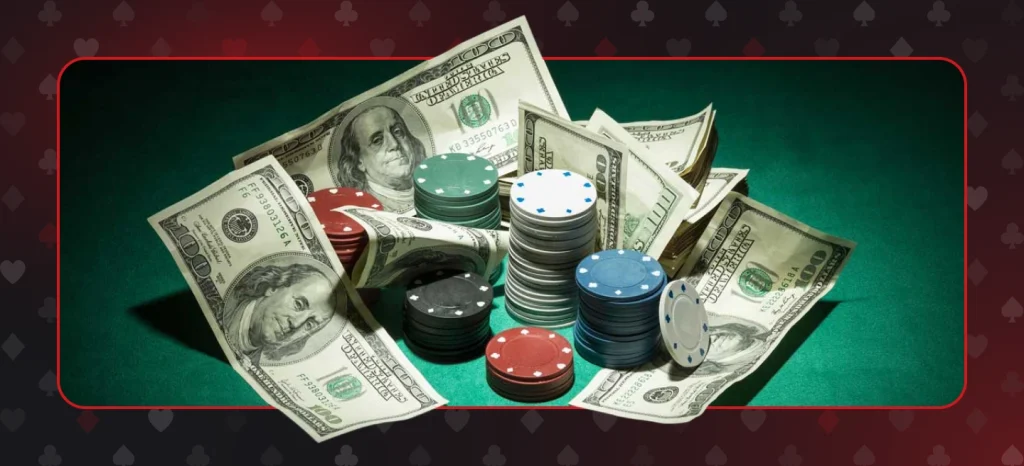
Chip Value | Chips have direct cash value (e.g., 1 chip = $1). | Chips have no cash value until you reach the prize money zone. |
Final Thoughts on Your Poker Journey
At the end of the day, both formats have created massive fortunes for different types of players. The Doyle Brunson era proved that deep-stacked patience pays off. Meanwhile, the modern high-stakes era shows that surviving massive player fields can create instant, life-changing wealth.
If you are just starting out, do not stress too much about which path is perfectly right for you. Try a little bit of both at the lowest stakes possible. Find out which style matches your natural personality and your ability to handle stress. You will find the best poker format for beginners that suits you.
Simply use our bonus code SMPBONUS when registering at any of the carefully reviewed and selected poker sites, so you can receive all the bonuses to get a head start.
Always remember that gambling should be a fun form of entertainment. Play responsibly, stick strictly to your budget, and enjoy the thrill of the cards. Good luck out there at the tables!
About the Editor

Gyöngyi P. Tóth is Somuchpoker's Content Writer and Poker Stories Specialist, writing Side Pot features, WSOP storylines, and the site's Poker in Pop Culture and Legends of Poker series. She was introduced to poker 20 years ago through live tournament play, and what has kept her interest since is the psychology and human behavior behind the game as much as the cards themselves.
Related News
 Legends of PokerStories
Bill Perkins: Net Worth, Poker Career and Biggest Bets
Discover Bill Perkins’ net worth, poker career, biggest prop bets, high-stakes cash games, Die With Zero philosophy and business background.
 Live PokerInterviewLegends of Poker
Billy ‘The Croc’ Argyros Wants Poker’s Character Back
Billy "The Croc" Argyros recalls facing Johnny Moss, earning his famous nickname and why today’s poker pros must respect recreational players.
 NewsLegends of PokerStories
Geek Women Legends at the Poker Table – Part 2: Annie Duke
Part 2 of Geek Women Legends at the Poker Tables focuses on Annie Duke, a living example of the intersection between cognitive science and high stakes poker.
 NewsOnline PokerLive PokerLegends of PokerStories
From Frozen Yogurt to High Rollers: Tony ‘Ren’ Lin’s Earnings, Net Worth, and Tournament Results
From Frozen Yogurt to High Rollers: Tony Ren Lin’s Earnings, Net Worth, and Tournament Results - 3rd on China All Time Money List
 Legends of PokerStories
From Chips to Fame – Series Main page
Want to know how famous poker players made their millions? Dive into our huge series covering the best legends, big wins, and epic casino journeys to stardom.
 Legends of PokerStories
Martin Kabrhel Net Worth, Poker Earnings, Private Life, and Controversies
Discover Martin Kabrhel net worth, his staggering $19.3M poker tournament earnings, 5 WSOP bracelets, business ventures like Ematiq, and private life.