

Split Two Pair

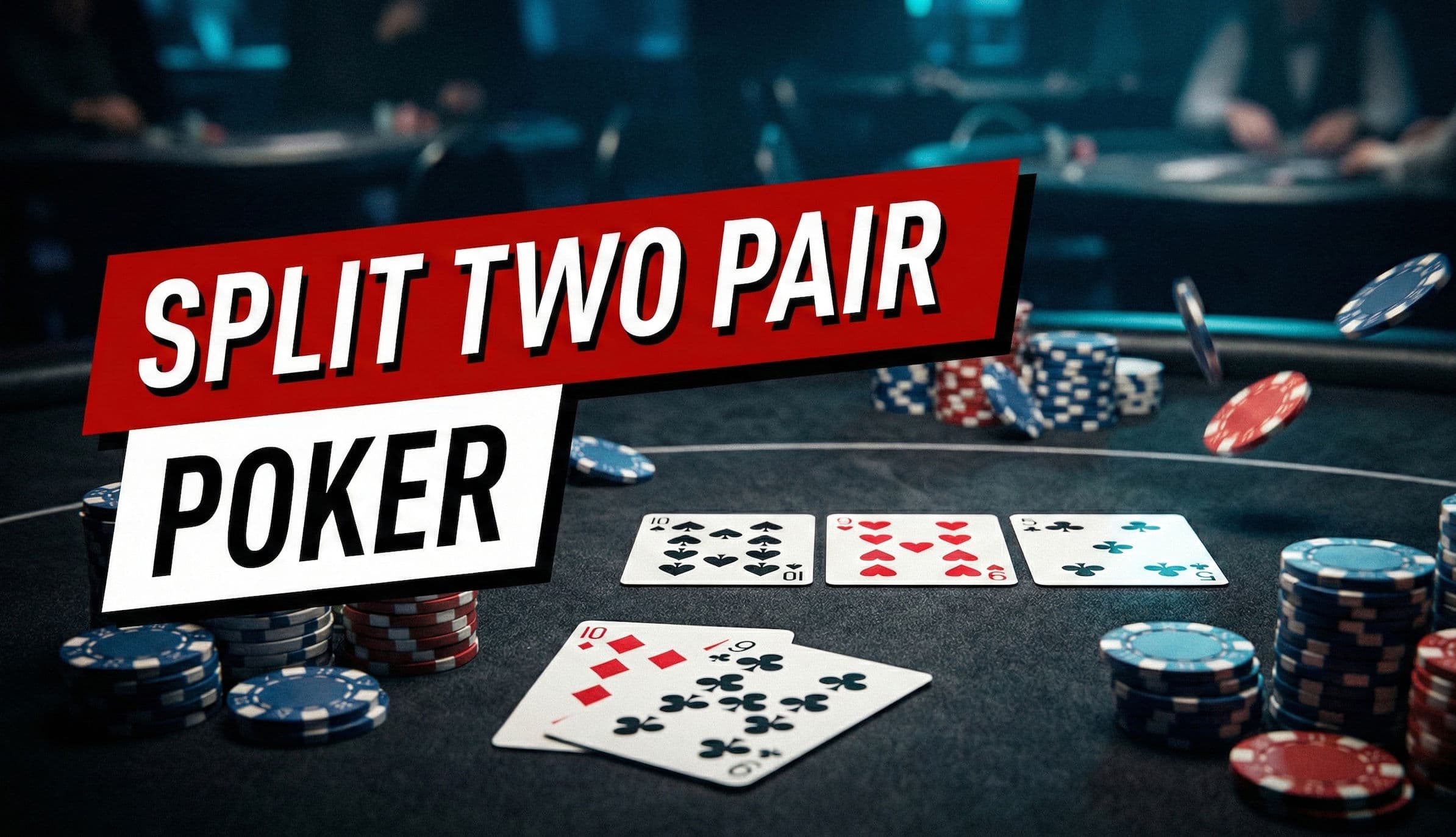
In the nuanced world of poker, a precise understanding of hand definitions is paramount for strategic success. Among the various hand combinations, the "split two pair" often generates confusion and presents critical strategic considerations. This unique scenario, where a player's two hole cards each form a distinct pair with community cards, carries significant implications for pot dynamics and betting decisions. Unlike a standard two-pair hand where one or both pairs might reside solely on the board, the split two pair directly involves the player's private cards in forming both pairs, frequently leading to potential pot splits and demanding a refined tactical approach.
This comprehensive guide will dissect the intricacies of the split two pair, exploring its exact definition, differentiating it from similar hand structures, and providing expert insights into how to navigate these situations effectively. Mastering the identification and strategic play of a split two pair is crucial for both novice and experienced players aiming to optimize their poker performance and minimize costly errors in complex situations.
What Constitutes a "Split Two Pair Poker"?
A "split two pair poker" occurs when a player's two private hole cards each successfully pair with separate community cards to form two distinct pairs. For instance, if a player is dealt T-9 (Ten and Nine) and the flop reveals T-9-5, they have a split two pair: a pair of Tens and a pair of Nines. The defining characteristic here is that both pairs are formed using one of the player's hole cards combined with a community card. This specific poker hand configuration is crucial because it often implies that other players might hold similar, or even identical, two-pair combinations, significantly impacting the hand's relative strength and potential for a split pot.
Distinguishing from Other Two-Pair Scenarios
It is vital to differentiate a split two pair from other two-pair situations to assess hand strength and avoid costly misjudgments accurately. A common point of confusion arises with a "board two pair" or when one of your hole cards pairs with a community card while another pair already exists on the board. For example, if a player holds T-9 and the flop is 9-5-5, they have two pair (Nines and Fives).
However, this is not a split two pair because only one of their hole cards (the 9) contributes to a pair, while the pair of Fives is entirely on the board. Similarly, if the board shows A-A-K-K-Q and a player holds 7-8, they also have two pair (Aces and Kings), but the pairs are entirely composed of community cards, and their 7-8 only serves as a kicker. The critical distinction for a split two pair lies in both of your hole cards actively participating in forming two separate pairs with the communal cards. Clear poker hand definitions help prevent costly misunderstandings in multi-way pots.
Pot Splitting Dynamics with Split Two Pair
Understanding formal pot splitting rules is essential when evaluating split two pair poker scenarios. One of the most significant implications of a split two pair is the increased likelihood of a split pot. If two or more players possess an identical split two pair, the pot is typically divided among them. The determination of the winning hand in two-pair scenarios follows a specific poker hand ranking hierarchy:
Highest Pair Wins: The player with the highest-ranking pair determines the winner. For example, Aces and Queens beats Kings and Queens.
Second Highest Pair Wins: If the highest pairs are identical (e.g., both players have Aces and X), the second highest pair is compared. Aces and Nines beats Aces and Eights.
Highest Kicker Wins: Should both pairs be identical (e.g., Aces and Kings for both players), the highest fifth card (the kicker) determines the winner. If a player holds A-K and the board is A-K-7-2-5, their hand is A-A-K-K-7. If an opponent holds A-K with the same board, their hand is also A-A-K-K-7.
Identical Five-Card Hands: If all five cards that constitute the two-pair hand (both pairs and the kicker) are exactly the same, the pot is split evenly among the players holding those hands. For instance, if two players both hold A-K and the board reveals A-K-7-7-2, both players have Aces and Kings with a seven kicker, leading to a split pot.
Strategic Implications and Adjustments
Playing a split two pair effectively demands careful two pair strategy adjustments. Recognizing the board textures that can lead to these hands is crucial. Boards with closely connected cards (e.g., 8-7-5), or those that double-pair through turn or river cards, inherently increase the chances of multiple players holding two pair, or specifically a split two pair.
Avoiding Overcommitment
A common pitfall is overvaluing a split two pair. While it's a strong hand in many contexts, its strength is significantly diminished when multiple players are involved, or the board is highly coordinated. Aggressively betting large amounts on a board that screams "two pair possible" can lead to paying off a superior hand or splitting a smaller pot.
Pot Control
When you suspect a split two pair scenario, or that your kicker might not be the best, implementing pot control strategies is paramount. This involves making smaller bets to extract value from weaker one-pair hands without inflating the pot too much if you are tied or beaten. Checking back on certain streets can also keep the pot size manageable, mitigating losses. The goal is to maximize small gains while minimizing potential large losses.
Reading Opponents
Observing your opponents provides invaluable information:
Live Play: Physical tells such as a sudden hesitation before betting, a quick glance at their chips, or a relieved sigh can offer clues about the strength and uniqueness of their hand.
Online Play: Bet-sizing patterns and timing tells are your primary tools . A consistent bet size from an opponent might indicate a strong but vulnerable hand, while an unusually long pause followed by a large bet could suggest a tough decision or a bluff. Analyzing their past tendencies for betting patterns in similar spots can also inform your decisions.
Consistent poker analysis in structured online environments allows players to recognize board textures and patterns more quickly and respond with greater precision in real time.
Considering Reverse Implied Odds
In scenarios involving split two pair, especially with a weak kicker, you must consider reverse implied odds. This concept refers to the money you stand to lose if you improve your hand only to find an opponent has a better version of the same hand. For example, if you hold 6-5 on a K-6-5 flop, you have a split two pair. However, if another player holds K-Q, they have top two pair (Kings and Queens), which dominates your hand.
If more cards come that improve your hand further but also complete a flush or straight for them, you could end up paying off a much larger pot. Evaluating reverse implied odds is a core component of advanced poker strategy in complex post-flop spots.
Ultimately, a split two pair is a robust hand, but disciplined poker analysis is required to assess its true relative strength. By understanding its precise definition and employing astute strategic adjustments, players can navigate these situations with greater confidence and profitability.
| Pros | Cons |
|---|---|
A split two pair is generally a very strong hand on the flop or turn, often ranking among the top few hands possible in many situations. | The primary disadvantage is the elevated chance of tying with an opponent, especially in multi-way pots or on coordinated boards, leading to a split pot. |
Because both of your hole cards contribute to the pairs, it can sometimes be harder for opponents to precisely put you on two pair, leading to more value opportunities. | Even if not splitting, a split two pair with a weaker kicker can easily be beaten by an opponent holding the same pairs but with a higher fifth card, leading to significant losses. |
Players often overvalue their split two pair, leading to over-aggression and larger losses when facing a superior two pair or a stronger hand like a straight or flush. |
Related Poker Terms
Best Online Poker Bonus Codes


About the Editor

Bence Mitykó is a Somuchpoker poker writer, covering poker news and strategy. He spent four years playing poker professionally, primarily focusing on Heads-Up Sit & Go games, experience that continues to shape his understanding of poker strategy, online poker dynamics, and the wider poker industry.


