
![South Korea [KOR]](/assets/images/flags/1x1/kr.svg "South Korea [KOR]")


Younghwan Sung

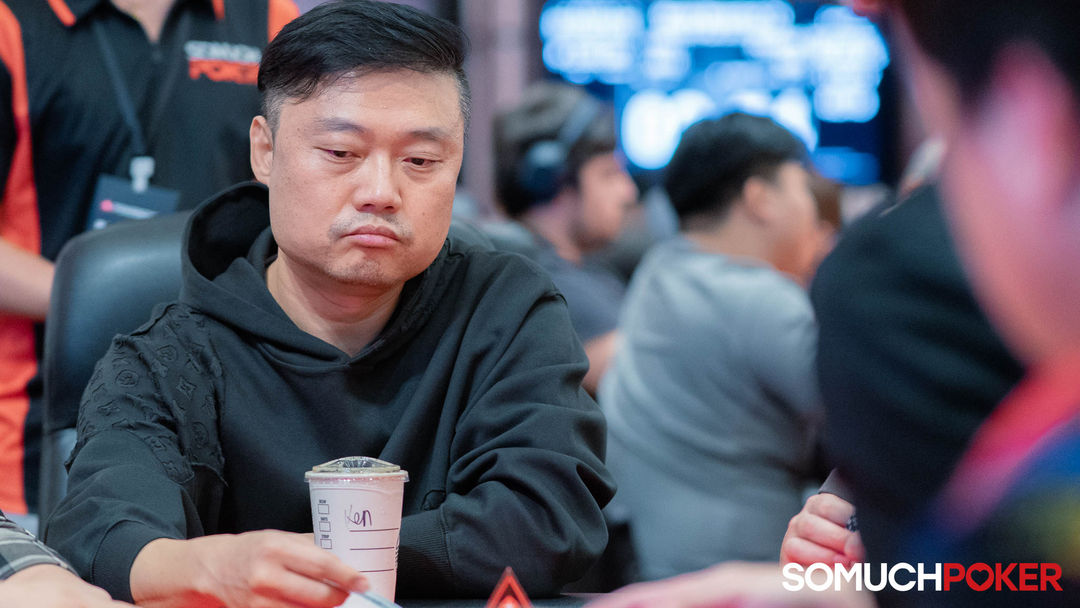
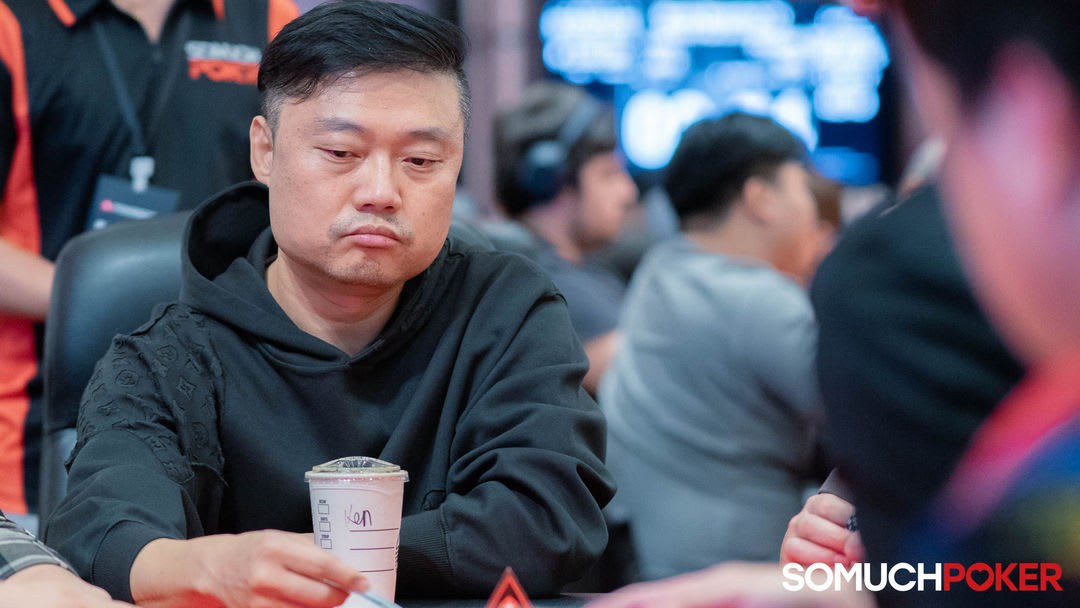
Younghwan Sung is a South Korean professional poker player who has established himself as a consistent competitor in the Asian regional circuit, frequently appearing in major festivals across the Philippines and South Korea.
Career Earnings & Biggest Results
According to The Hendon Mob, his total live earnings stand at $34,676. While he is still ascending the ranks of the international circuit, he has demonstrated a reliable ability to secure deep runs in competitive mid-stakes fields. His career-best live score is $8,571.
He has recorded significant results in prominent regional tours, including a 12th-place finish at a tournament in the Philippines in September 2022. Additionally, Sung has maintained a strong domestic presence in South Korea, securing 13th-place finishes in back-to-back major events in May and September 2021. His early international experience dates back to 2017, where he placed 21st in a No Limit Hold’em event in the Philippines. These consistent performances have helped him build a solid reputation as a resilient grinder within the Asian poker community.
Biography & Poker Background
Originally from South Korea, Sung is part of the robust wave of Korean players who have increasingly dominated regional Asian tours over the last decade. He is primarily known for his activity in the Philippines and South Korean markets, where he frequently competes in series like the Asian Poker Tour (APT) and the Asia Poker League (APL). His career trajectory suggests a player who has successfully transitioned from local games to the wider international stage, honing his skills against the diverse playing styles found in the Southeast Asian circuit.
Play Style & Strategy
Sung is recognized for a disciplined and calculated approach to tournament poker, typically excelling in No Limit Hold’em formats. His ability to navigate deep into fields, as evidenced by his multiple top-15 finishes in major regional stops, demonstrates strong late-stage patience and an understanding of tournament dynamics. As a regular in the Asian circuit, he balances a solid fundamental strategy with the necessary adjustments required to combat the aggressive play often found in large-field regional events.


Derick Elomina is SoMuchPoker's Lead Content Writer and Interview Specialist, reporting live from WSOP bracelet events and Asia Pacific poker festivals such as TMT, APT, RDPT and APL Jeju, alongside player features and interviews for the site's Stories section. He discovered poker at 14 playing home games with friends, and by 21 he had entered the industry as a field reporter, starting as a hand reporter before building his current role on the tournament floor.