Online Poker History: The Billion-Dollar Game That Changed Everything


Despite its relatively brief history, a lot has happened in the 25 years online poker has been around. The game has seen the rise of major poker platforms, high-stakes cash games, and players who became well known beyond the online tables.
Former high-stakes professional Wladimir Taschner explores that journey in his book, The History of Online Poker: The Players, the Money, and the Making of a Billion Dollar Game. It covers the people, platforms, and stories that shaped the game, from its early days to the modern solver era. For anyone interested in online poker history, the book combines historical research with Taschner's own experience as a professional player.
How Wladimir Taschner Got the Idea
Taschner came up with the idea for his book while listening to biographies during his daily runs. After listening to the life stories of Arnold Schwarzenegger, Roger Federer, and Elon Musk, he realized that online poker had no comparable history.
Biographical inspiration: Listening to biographies made Taschner think about the history of online poker and the people who shaped it.
Podcast origins: He discussed the idea with a friend, and they initially started a podcast to share stories about online poker. They later decided to write separate books.
Public fascination: Taschner said that people outside poker often find stories about the game fascinating. He compared their reaction to hearing about drug dealing or the mafia.
Research and personal experience: The book combines research into poker platforms, training sites, and key figures with stories about what happened away from the tables. Since Taschner was not around in the earliest days, he had to research that period and combine it with his own knowledge.
Online Poker History: Before the First Poker Rooms
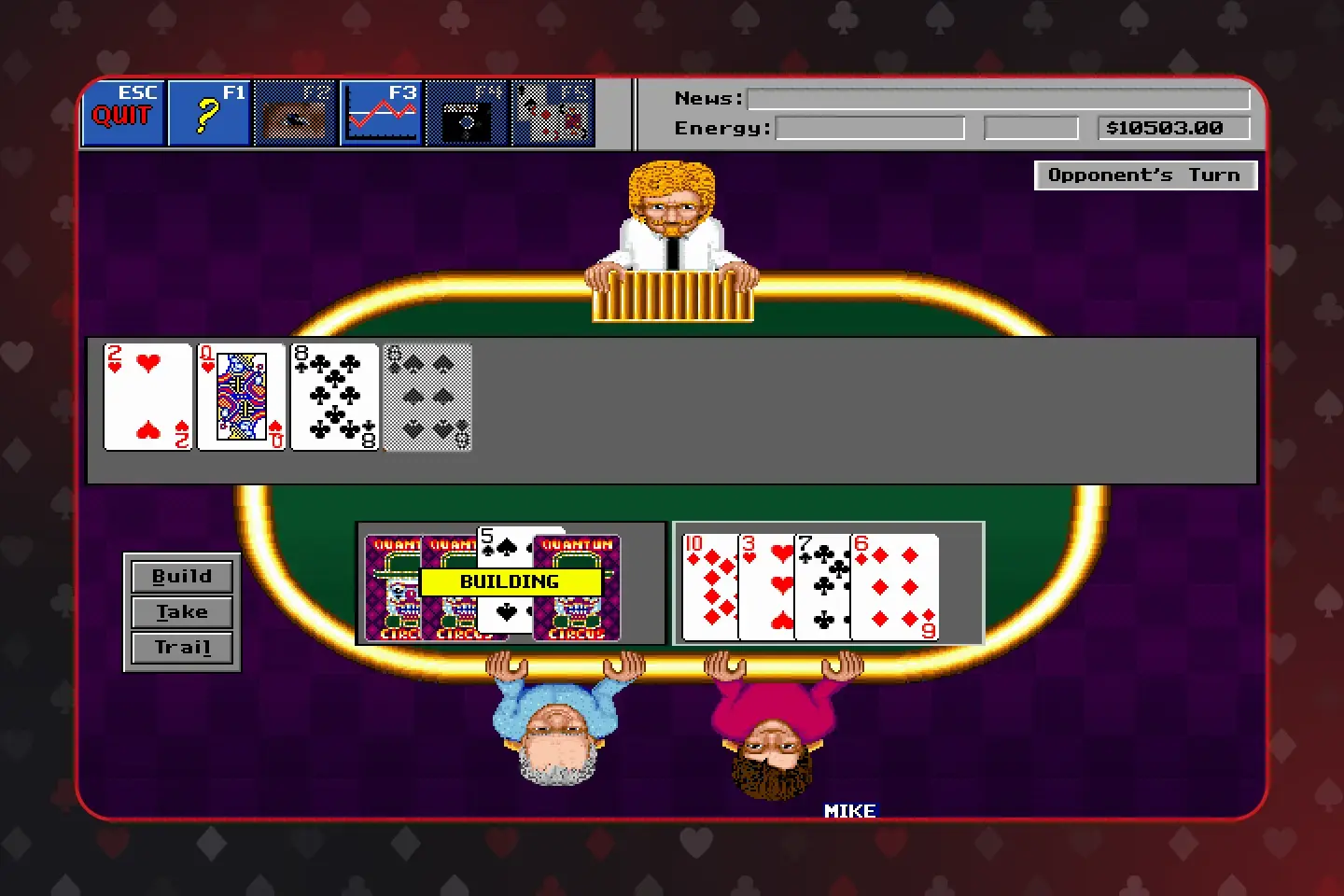
The story goes back further than the first dedicated poker sites. Email games, Usenet groups, and the World Rec.Gambling Poker Tournament (WRGPT) were part of the early culture that preceded the growth of online poker platforms. WRGPT is a correspondence tournament that still runs today.
Early online poker culture: Email games, Usenet groups, and WRGPT were forerunners to the online poker platforms that followed.
Planet Poker and Paradise Poker: These were among the early poker sites that appeared as online poker developed.
PokerStars and PartyPoker: Both brands became part of the next stage of online poker's growth.
The pre-boom era: Taschner's book traces the development of online poker before the poker boom of the early 2000s.
This early history sets the scene for the changes that followed, including the growth of online poker and the rise of players who became well known in both online and live games.
The Poker Boom and Chris Moneymaker's Breakthrough
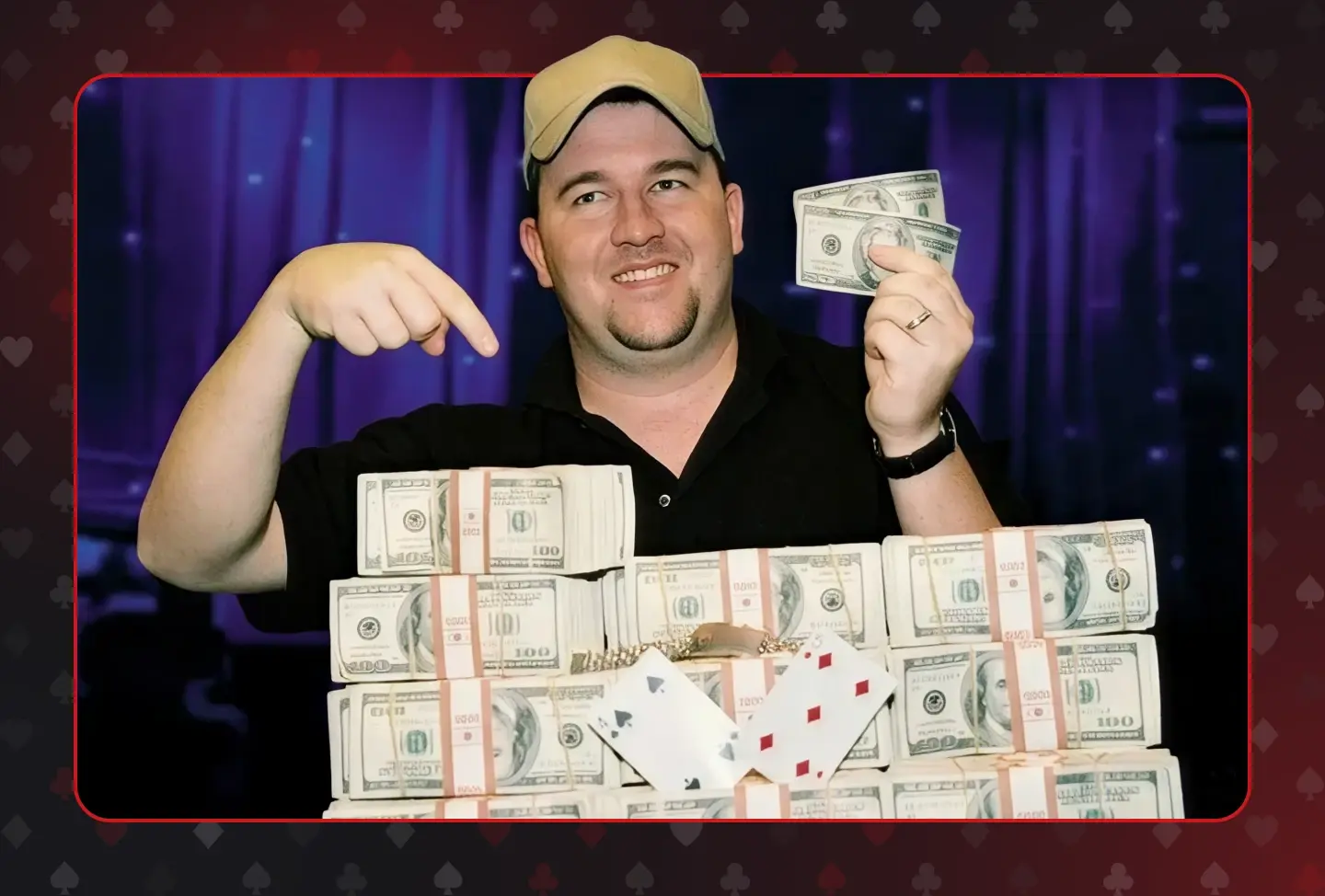
The poker boom of the early 2000s is a major part of online poker history. Chris Moneymaker's victory in the 2003 World Series of Poker (WSOP) Main Event became one of its defining moments.
Chris Moneymaker: He qualified for the Main Event through an online satellite before going on to win the tournament.
Phil Ivey's elimination: Moneymaker eliminated Phil Ivey on the final-table bubble.
Sammy Farha's defeat: Moneymaker then defeated Sam Farha heads-up to win the title.
A wider audience: The victory inspired players around the world to get online and try to follow Moneymaker's path.
Taschner's book revisits key hands from the 2003 WSOP Main Event and looks at how poker grew on television, online, and in wider popular culture during the boom.
The Online Stars Who Changed Poker
As online poker developed, several players moved from small-stakes games to wider recognition.
Tom "Durrrr" Dwan: Taschner sees Tom Dwan as one of the influential figures in online poker. He points to Dwan's appearances on High Stakes Poker and his use of strategies such as bluffing with blockers. In Taschner's view, Dwan helped show live audiences how strong online players could be.
Chris Moorman and Ilari Sahamies: These successful online legends carved out massive reputations as the digital game evolved.
Ben "Sauce123" Sulsky and Ben "Ben86" Tollerene: Heavyweights of the online arena whom Taschner frequently battled at the digital tables.
Phil Galfond: A notable high-stakes regular whom Taschner proudly notes he is still up money against.
Phil Ivey: The only major figure Taschner never played against, simply because Ivey’s action was at stakes too high for his bankroll.
The book follows these players as part of a broader story about how online poker developed and how its leading players became known to a wider audience.
Turning Online Poker Into a Profession
Taschner's own career provides a first-hand view of the professional online poker world. He started by playing with friends, then found online poker and entered freerolls. After going broke a couple of times, he got lucky and realized how soft the games could be at the time.
University years: Taschner began playing more while at university and eventually skipped four semesters.
Coaching: He credits coaching from Jay Rosenkrantz, known as Krantz, through DeucesCracked with helping him progress.
Moving up the stakes: After starting at the micro-stakes, he played $5/$10 in Las Vegas, then moved to $10/$20 and $25/$50. He later played $40/$80 on Full Tilt.
A change in strategy: As players began using software such as CardRunnersEV, Taschner found that his approach to no-limit hold'em was no longer working.
Switching games: He realized that opponents were exploiting his unbalanced play, so he moved to pot-limit Omaha (PLO).
Poker content: Taschner also produced content for sites including PokerStrategy.com and DeucesCracked.com.
His experience reflects one of the changes described in the book: the games became more technical, and players had to adjust as their opponents developed new strategies.

Black Friday Poker: A Turning Point
Black Friday poker refers to the events of April 15, 2011, when US authorities took action against major online poker sites serving American players. The event marked a major turning point for the industry.
Full Tilt Poker: Taschner said Full Tilt was effectively dead after Black Friday. The platform failed to pay out players, and the fallout continued.
Isai Scheinberg: Taschner identifies the PokerStars founder as one of the most influential people in online poker history. In his view, Scheinberg helped save poker after Black Friday.
Changes to the player pool: Taschner was playing on PokerStars at the time. He remembers the games becoming softer after American regulars disappeared from the player pool.
Access to regulated sites: The first source notes that finding a fully regulated site became harder in some places after 2011. It specifically mentions Texas, Omaha, and Mississippi as places where online grinders could face restrictions.
Black Friday and the collapse of Full Tilt are key parts of the book's account of online poker, along with their effects on players and the wider industry.
Modern Challenges: Solvers, Bots, and Trust
Taschner describes a period when online poker became much more technical and less enjoyable for him. He recalls that players had to study more, and games often ran only when a weaker opponent was available.
Waiting lists: Taschner remembers players trying to rent apartments near the Isle of Man so they could join tables more quickly.
The pressure of high-stakes play: He recalls one day when he was down around $100,000 before finishing up $10,000. Despite ending the day in profit, he said he felt terrible because of the stress.
A story about a bot farm: Taschner told PokerOrg that, around eight years earlier, a trusted friend had told him about a bot farm. According to his account, the friend knew the owner and described 50 to 100 people playing online with real-time solvers.
Taschner's concerns: He also said the operation involved bots and that the platforms had been unable to detect it.
The bot-farm story is based on what Taschner said his friend told him; the article does not independently verify the specific operation. It is part of the interview's discussion about the challenges facing online poker as solvers and other technology have developed.
Is Taschner's Book Worth Reading?
The History of Online Poker: The Players, the Money, and the Making of a Billion Dollar Game covers the game from its early roots to the solver era. The book combines research with Taschner's own experience as a high-stakes player.
A broad history: The book covers forums, backers, stables, cash games, tournaments, HUDs, and other parts of online poker culture.
The business side: It also examines the economics of professional play and life as an operator.
First-hand experience: Taschner is a former heads-up specialist who produced content for PokerStrategy.com and DeucesCracked.com.
Who might enjoy it: The first article recommends the book to readers who are too young to remember the birth of online poker. It also warns that readers who remember those early days may find the history makes them feel older.
Ultimately, the book offers readers a look at the people, platforms, and events behind online poker's development. Its combination of research and Taschner's own experiences gives the story both a historical and a personal perspective.
About the Editor

Gyöngyi P. Tóth is Somuchpoker's Content Writer and Poker Stories Specialist, writing Side Pot features, WSOP storylines, and the site's Poker in Pop Culture and Legends of Poker series. She was introduced to poker 20 years ago through live tournament play, and what has kept her interest since is the psychology and human behavior behind the game as much as the cards themselves.