Asia’s Poker Revolution – Part 2/2 – Asia’s Poker Capitals

Welcome back to Asia’s Poker Capitals. Continuing our journey through the continent’s top Asian poker destinations, we explore the next group of premier gaming hubs helping shape the booming Asian poker scene.
Ho Chi Minh City: Vietnam’s Rising Poker Capital
If one destination captures the raw, youthful energy of modern poker in Asia, it is Ho Chi Minh City. Over the last several years, this bustling Vietnamese metropolis has transformed into one of Southeast Asia’s busiest and most exciting tournament stops. Recognizing the country’s massive appetite for the game, international tour operators now regularly host record-breaking festivals here.
The vibe inside Vietnamese card rooms is noticeably different from traditional Western casino environments. Instead of relying on old-school casino glamor, poker clubs in Ho Chi Minh City – such as the Pro Poker Club and Saigon Poker Club – feel modern, fast-paced, and energetic. Every major festival introduces hundreds of aggressive local newcomers who are fearless against established international pros.
It is important for traveling players to understand how local gaming laws work in Vietnam . Similar to Taiwan, live cash games are strictly prohibited by law, meaning the action is entirely focused on legal tournament play – including highly anticipated festivals like the Vietnam Poker Tour (VPT) . However, the sheer volume of daily events, series satellites, and high-roller tournaments more than makes up for the lack of cash tables.
Another massive selling point for Vietnam is its incredible affordability for poker tourists. Five-star accommodations, gourmet dining, and ride-share transportation cost a fraction of what you would pay in Western Europe or Las Vegas. This unbeatable value makes Ho Chi Minh City the perfect destination for players planning extended, multi-week tournament trips without burning through their bankroll.
Quick Legal & Etiquette Fact for Ho Chi Minh City
As one of the most dynamic Asian poker destinations, tournament poker in Vietnam is organized through clubs operating under the supervision of the Vietnam Bridge and Poker Federation (VBPF) and the Ministry of Culture, Sports and Tourism as recognized mind sports organizations. Tournament poker – including major festivals hosted by the Asian Poker Tour (APT) – is legally offered through licensed clubs and sanctioned events, while live cash games are not permitted under Vietnam’s gambling laws.
Tournament Chips Only: Official poker clubs use tournament chips exclusively, and players should never place cash on the tables or attempt to organize real-money side games. Visitors aged 18 and over should bring their original passport when registering at clubs such as Pro Poker Club. Unlike many traditional casino rooms offering poker in Asia, most Vietnamese poker clubs have a relaxed dress code, making neat casual clothing perfectly acceptable.
Traveler’s Tip: Standing in sharp contrast to the casino-based cash game ecosystems of Macau poker, Manila poker, and Jeju poker hubs, Vietnam’s poker clubs are strictly tournament-focused, offering multiple daily events instead of cash games. If you’re visiting for a festival series, pre-register online whenever possible – popular events can sell out quickly, especially on weekends and during national holidays.

Tokyo: Small Scene, Big Potential
Japan may not yet host traditional, real-money casino poker festivals, but Tokyo deserves a prominent place on any list of important poker cities. The Japanese poker community has grown exponentially through legal “amusement poker” clubs, university societies, and educational associations. While anti-gambling laws prevent local real-money cash games, enthusiasm for tournament strategy is at an all-time high.
In fact, Japanese grinders are universally respected across the globe for their intense, disciplined approach to studying the game. Rather than relying purely on table instincts, Tokyo’s players invest thousands of hours mastering Game Theory Optimal (GTO) strategies and complex math. They practice relentlessly in local trophy-only events like the Japan Open Poker Tour (JOPT) before flying abroad to compete for real cash.
That deep commitment to technical excellence has translated into massive international success over the last few years. Step into any major tournament room in Las Vegas, Barcelona, or Manila, and you will see Japanese players making deep runs and lifting trophies. They have proven that a strong, supportive learning community can produce world-class talent even without local commercial casinos.


Tokyo represents something truly unique in the gambling world: a card-playing culture built entirely on education, competition, and personal mastery. With Japan currently developing its very first legal integrated casino resorts for the future, Tokyo’s influence on the global scene is only just beginning.
Quick Legal & Etiquette Fact for Tokyo
Under Articles 185 and 186 of the Japanese Penal Code, real-money gambling is generally prohibited. As a result, legal real-money cash games and cash-prize poker tournaments are not available in Tokyo. Instead, the city has evolved into one of the most unique Asian poker destinations, where the scene revolves around Amusement Poker venues licensed under Japan’s Fueiho (Act on Control and Improvement of Amusement Business). Players compete for trophies, ranking points, and sponsorship packages to major international events – such as the WSOP or Asian Poker Tour (APT) stops in renowned Macau poker and Manila poker hubs – rather than direct cash prizes. Most amusement poker venues require players to be at least 18 years old, although individual house rules may vary.
“The Omotenashi” Etiquette Rule: Respect and good manners are central to Japanese poker culture. Loud celebrations, berating dealers or opponents, splashing the pot, and other disruptive behavior are strongly discouraged. Courtesy toward dealers and fellow players is highly valued, and a polite attitude is considered just as important as solid poker skills. While casual clothing is perfectly acceptable across this unique branch of poker in Asia, excellent table manners are expected.
Traveler’s Tip: Unlike real-money Jeju poker casinos, many amusement poker venues are located near major train stations such as Akihabara, Shibuya, and Shinjuku. Because prizes are awarded through rankings and sponsorships rather than cash, check each club’s point system before playing. Some venues also offer beginner-friendly sessions and English-speaking dealers on selected days.

Cambodia: Asia’s Emerging Tournament Hub
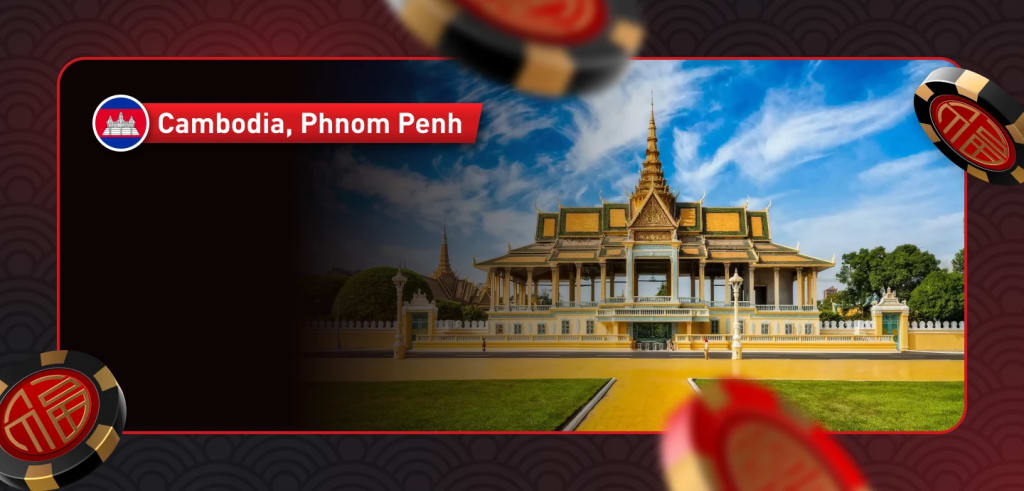
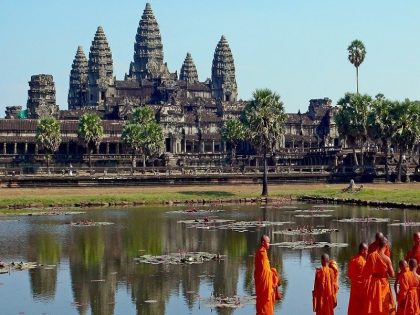
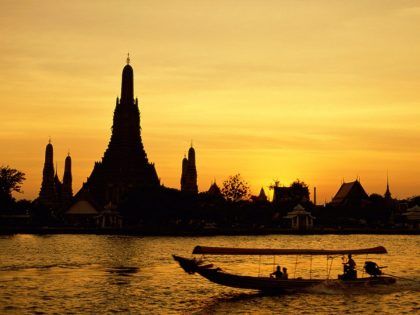
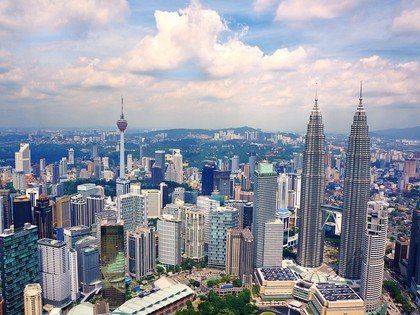
While Cambodia has a smaller domestic gaming market than Macau or the Philippines, it has quietly become an essential stop for regional poker tours. Cities like Phnom Penh and the coastal resort town of Sihanoukville have opened their doors to major international poker brands. These festivals attract a diverse, action-loving crowd of players flying in from Thailand , Vietnam, Malaysia , Singapore , and China .
The epicenter of Cambodian poker is located inside the luxurious NagaWorld integrated resort complex in Phnom Penh. This massive property offers a full-scale casino experience, complete with professional poker rooms hosting both daily tournaments and lively cash games . The cash game action here is particularly popular among regional expats and traveling grinders looking for soft, profitable tables.
Cambodia’s biggest appeal lies in its straightforward accessibility and budget-friendly travel costs. The country offers simple visa-on-arrival entry for most nationalities, inexpensive luxury hotels, and very reasonable daily living expenses. It is an ideal alternative for recreational players who want to experience professional casino poker without the high overhead costs of larger gaming hubs.
As regional tour operators continue expanding their footprints, Cambodia’s guaranteed prize pools are growing rapidly every single season. With its relaxed atmosphere, soft competition, and great resort facilities, this emerging tournament hub is firmly securing its place on the Asian poker map.

Quick Legal & Etiquette Fact for Cambodia
Emerging as one of the most intriguing Asian poker destinations, casino operations in Cambodia are regulated by the Commercial Gambling Management Commission of Cambodia (CGMC) under the Law on the Management of Commercial Gambling (LMCG). Like the Jeju poker scene in South Korea, Cambodia follows a foreigners-only casino model, meaning Cambodian citizens are generally prohibited from gambling in licensed casinos. As a rapidly growing hotspot for poker in Asia, international visitors aged 18 and over who present a valid foreign passport can legally enjoy both live tournament poker and cash games at licensed integrated resorts such as NagaWorld, although individual casinos may enforce higher age requirements as part of their house rules.
Passport and Dress Code Essentials: Your original physical passport is required to enter the casino floor and register for poker games. Cambodian poker rooms generally follow a standard casino-casual dress code. While slightly more relaxed than the high-end rooms associated with Macau poker, guests should avoid sleeveless shirts, swimwear, and beach flip-flops to ensure smooth access to the gaming floor.
Traveler’s Tip: Rivaling the integrated resort experiences found in major Manila poker hubs, NagaWorld is by far Cambodia’s main poker destination, with the poker room located inside the integrated resort complex. If you’re staying at the hotel, joining the casino’s rewards program can provide dining discounts and promotional offers during major tournament festivals, including prestigious regional stops by the Asian Poker Tour (APT) . Keep your passport with you, as it may be requested whenever you enter the gaming floor.
The Role of Major Brands: Asian Poker Tour and Beyond
The rapid evolution of poker in Asia would not be possible without the tireless work of regional tournament organizations. These professional tours act as the glue connecting diverse cities, establishing standardized rules, professional dealers, and massive guaranteed prize pools across different legal jurisdictions. Among these organizations, the Asian Poker Tour (APT) stands out as the most historic and influential driving force in the region.
Founded in 2008, the Asian Poker Tour (APT) has expanded dramatically, transforming local card rooms into global festival stages. Whether organizing massive stops in Taipei, hosting beachside series in Jeju, or running regular events in Manila, the tour guarantees a world-class playing experience. Their festivals regularly feature over 50 unique trophy events, catering to everyone from $100 daily satellite grinders to $10,000 high-rollers.
Other major global players, such as the World Poker Tour (WPT) and the Triton Super High Roller Series , have also planted strong roots across the continent. Triton, in particular, has used stops in Jeju and Vietnam to host the richest buy-in tournaments in poker history. These high-profile events broadcast live Asian poker action to millions of fans worldwide, inspiring the next generation of players.
The official numbers confirm that the region is experiencing an unprecedented boom in player participation and prize money. According to the Global Poker Index and The Hendon Mob’s industry database, live tournament attendance across Asia has broken historical records for three consecutive years. The report noted that regional prize pools grew by over 45% recently, cementing Asia as the fastest-growing live poker market on the globe.
Comparing The Top Asian Poker Destinations
Because the continent offers such a wide variety of card-playing environments, choosing where to travel depends entirely on what you want out of your trip. The top Asian poker destinations and what makes each one unique:
| Destination | Primary Venue Type | Budget Level | Best Known For |
|---|---|---|---|
| Macau | Luxury Mega-Resorts | High | Legendary high-stakes cash games and VIP casino action |
| Jeju | Integrated Island Resorts | Medium – High | Massive international tournament series and visa-free travel |
| Manila | Traditional Casino Rooms | Low – Medium | Year-round 24/7 cash games and excellent English accessibility |
| Taipei | Legal Poker Clubs | Low – Medium | Record-breaking tournament fields and incredible food culture |
| Ho Chi Minh City | Modern Poker Clubs | Low | Fast-growing tournament festivals and unbeatable affordability |
| Tokyo | Amusement Clubs | Medium – High | Elite technical player development and GTO training culture |
| Cambodia | Casino Resorts | Low – Medium | Soft regional cash games and budget-friendly poker tourism |
Essential Travel Tips for Poker in Asia
Traveling across Asia to play cards is an unforgettable experience, but it requires a little bit of smart preparation. The most important rule for any poker traveler is to carefully research local currency and cash declaration laws before flying. Many countries have strict limits on how much physical cash you can bring across the border without declaring it to customs officials.
When it comes to bankroll management, always carry clean, undamaged US dollar bills if you plan to exchange money at local casinos. Venues in Macau, the Philippines, and Cambodia frequently reject USD bills that have tiny tears, stamps, or heavy creases. Alternatively, setting up a reliable international wire transfer with the host casino beforehand is the safest way to handle tournament buy-ins.
Finally, always respect local dress codes and card room etiquette, which can vary wildly from city to city. While Manila and Cambodia are very relaxed regarding casual beachwear, VIP rooms in Macau and clubs in Tokyo expect a cleaner, smart-casual appearance. Learning a few basic polite phrases in the local language will also go a long way in earning respect at the tables.
Looking Ahead
Asia’s poker capitals are evolving faster than anywhere else on the planet, showing no signs of slowing down. New tournament stops appear almost every season, prize pool guarantees continue to skyrocket, and more international professionals are making Asia a permanent part of their yearly schedules.
Rather than fiercely competing against one another, these unique destinations actually complement each other perfectly. A traveling grinder can easily start their year playing super high-rollers in Jeju, fly to Taipei for massive mid-stakes fields, grind profitable cash games in Manila, and finish with a fun vacation series in Vietnam.
That interconnected, easily accessible network is the true secret behind the region’s success. As resort infrastructure continues improving and local player communities expand, these gaming capitals will undoubtedly shape the global future of live poker for decades to come.
Coming Next
Asia’s Poker Revolution – Part 3: The Faces of Asian Poker
Every thriving gaming region is defined not only by its famous casinos but also by the legendary players who compete inside them. In the final installment of our series, we will meet the fascinating personalities driving Asia’s poker revolution – from feared high-stakes cash game crushers to rising tournament stars. We will explore their biggest career achievements, their aggressive playing styles, and the massive impact they have had on bringing Asian poker to the global stage.
Gyöngyi P. Tóth is SoMuchPoker's Content Writer and Poker Stories Specialist, writing Side Pot features, WSOP storylines, and the site's Poker in Pop Culture and Legends of Poker series. She was introduced to poker 20 years ago through live tournament play, and what has kept her interest since is the psychology and human behavior behind the game as much as the cards themselves.

Triton Poker Series: The Rise of High-Stakes Poker – Part 1
Discover the story of the Triton Poker Series - from its Asian roots to the world's top high-stakes brand, record buy-ins, and elite players.

APT is Back! APT Incheon 2026 with KRW 4 Billion (~USD 2.7 Million) Guaranteed
The APT Incheon 2026 runs August 7 to 16 at the tournament tables of the palatial Paradise City Casino Resort in Incheon, South Korea

Asia’s Poker Revolution – Asia’s Poker Capitals – Part 1/2
Discover the best Asian poker destinations, from Macau and Jeju to Manila and Taipei, and learn why Asia has become poker's fastest-growing region.

Hanoi Is Ready for Another VND 80 Billion Poker Feast
QPC Autumn 2026 returns to Hanoi from August 9–19 with 64 events, VND 80 billion guaranteed and a VND 20 billion Main Event.

Thailand Poker Sports Association Leads Push for Poker as a Mind Sport
Get insight to how the Thailand Poker Sports Association is transforming the local scene by establishing poker as a skill-based mind sport, not just gambling.

Asia’s Poker Revolution – Part 1 – The Rise of Poker in Asia
Discover how Asian poker became one of the world's fastest-growing poker scenes, driven by the Asian Poker Tour, Korea, Japan, Vietnam, and Triton Poker.

Triton Invitational Comes to Asia for the First Time — Apply Now for Jeju 2026
Triton Invitational comes to Asia for the first time at Triton Jeju 2026 this September. Find out what the event involves and how to apply for a seat.

WPT® Cambodia Offers $55 Rooms, VIP Access and Free High Roller Stays
WPT Cambodia players can enjoy $55 hotel rooms, VIP lounge access, up to 16 free High Roller nights, affordable dining, and tax-free winnings.

Triton Poker Stats: Biggest Winners, Losers & Records
We analyzed 10 years of Triton Poker statisctics - 37,115 entries, $1.88B awarded. See the biggest winners, shocking losers, and the craziest ROIs.

Alan Pham Captures Quads Poker Championship 2026 Main Event Title; Kiseok Kang Wins Quads Championship
Alan Pham win the Quads Poker Championship 2026 Main Event for VND 3.43B, while Kiseok Kang scored a breakthrough victory in Hanoi.

APT Jeju 2026 Returns With 136 Trophy Events and KRW 5.2 Billion GTD
The APT Jeju 2026 schedule is out. Explore 136 events, the KRW 2.2B GTD Main Event, 12 APT Championship seats, and full festival details.

Quads Poker Championship 2026 Main Event Down to Final 49, VND 3.43 Billion Up Top
Quads Poker Championship 2026 Main Event is down to the final 49 players, all guaranteed a payday as they chase the VND 3.43 billion top prize.

![Japan [JPN]](/assets/images/flags/1x1/jp.svg "Japan [JPN]")

![Cambodia [KHM]](/assets/images/flags/1x1/kh.svg "Cambodia [KHM]")


![Viet Nam [VNM]](/assets/images/flags/1x1/vn.svg "Viet Nam [VNM]")

![Thailand [THA]](/assets/images/flags/1x1/th.svg "Thailand [THA]")

![Malaysia [MYS]](/assets/images/flags/1x1/my.svg "Malaysia [MYS]")


![China [CHN]](/assets/images/flags/1x1/cn.svg "China [CHN]")


![Singapore [SGP]](/assets/images/flags/1x1/sg.svg "Singapore [SGP]")


![Viet Nam [VNM]](/assets/images/flags/4x3/vn.svg "Viet Nam [VNM]")


![Cambodia [KHM]](/assets/images/flags/4x3/kh.svg "Cambodia [KHM]")