Asia’s Poker Revolution – Asia’s Poker Capitals – Part 2/1


When people think about poker travel, Las Vegas is usually the very first destination that comes to mind. Others immediately picture traditional European stops like Monte Carlo, Barcelona, or Prague. Yet over the past decade, another region has quietly transformed into one of the most exciting places on Earth to play live Texas Hold’em.
Today, top-tier Asian poker destinations attract thousands of international players every single year. They offer everything from affordable local daily tournaments to some of the highest and most exclusive buy-ins in the world. Whether you are a recreational player chasing your very first live trophy or a seasoned professional looking for soft cash games, the continent now has something for every bankroll.
Unlike Europe or North America, where the game has developed around a handful of long-established casino hubs, the map of poker in Asia is spread across several unique and vibrant cities. Each destination has its own personality, local rules, player pool, and tournament calendar. This diversity makes traveling for poker across the continent a remarkably exciting adventure.
Some cities are famous for massive, multi-billion-dollar integrated resorts with VIP high-roller rooms. Others have built thriving communities through legal, skill-based poker clubs and mid-stakes international festival stops. Together, they form the dynamic backbone of the region’s rapidly expanding gambling ecosystem.
In this comprehensive guide, we will visit the continent’s most important gaming capitals. We will discover exactly why each city has earned a permanent spot on every serious poker player’s bucket list.
Why Asian Poker Destinations Are Booming Right Now
The explosive growth of live card games across the eastern hemisphere is not an accident. Over the last ten years, massive investments in resort infrastructure and smoother travel regulations have made flying between gaming hubs easier than ever before. Many jurisdictions have modernized their casino floors, creating dedicated, state-of-the-art poker rooms designed specifically to host international festivals.
Another major driver behind this boom is the sheer passion of the local player base. As online poker and televised high-roller streams gained popularity, a massive new generation of local grinders emerged. These players are eager to test their skills in live card rooms, creating massive prize pools that routinely smash guaranteed amounts.
Finally, the overall travel experience makes these stops unbeatable for poker tourists. Where else can you play a $500 tournament during the day, eat world-famous street food for $5 at dinner, and relax at a luxury tropical resort by night? This unique blend of vacation appeal and high-value poker action is exactly why international players are flocking to the region.
Macau: The Traditional King of Asian Poker
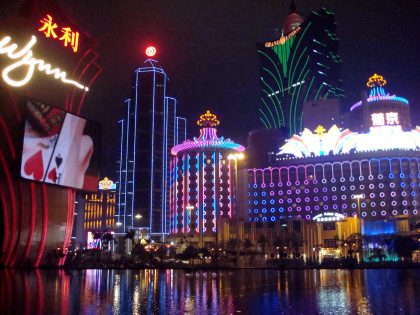
For many years, no city represented the high-stakes dream better than Macau itself. Often called the “Las Vegas of Asia“, this bustling peninsula became the globe’s undisputed gambling capital long before Texas Hold’em enjoyed mainstream popularity. Its enormous integrated resorts attracted millions of high-spending visitors annually, creating the absolute perfect environment for juicy cash games.
During the legendary poker boom of the 2010s, Macau poker developed a reputation for hosting the biggest and most intimidating cash games on the planet. Wealthy local businessmen, international professionals, and famous poker legends frequently gathered in private VIP rooms. The stakes played in these ultra-exclusive games were rarely seen anywhere else in the world, with pots frequently reaching millions of dollars.
Many of today’s elite professionals still regard traditional Macau poker rooms as some of the most iconic action spots in history. Venues inside mega-resorts like The Venetian Macau and the City of Dreams helped put live tournament poker on the map in the East. They hosted historical festivals that set the gold standard for regional card rooms.
Although the daily tournament spotlight has shifted slightly toward emerging markets in recent years, Macau remains an essential stop for high-stakes cash game grinders. Beyond the felt, visitors get to enjoy world-class architecture, Michelin-starred dining, and luxury shopping that rivals any entertainment destination on Earth. Its historical influence on live poker cannot be overstated, and it remains a spiritual home for serious gamblers.
Quick Legal & Etiquette Fact for Macau
While emerging scenes in Manila poker and Jeju poker have grown rapidly in recent years, Macau remains the undisputed epicenter of poker in Asia. As one of the world’s premier Asian poker destinations, gambling here is strictly regulated by the Gaming Inspection and Coordination Bureau (DICJ – Direcção de Inspecção e Coordenação de Jogos). The local Macau poker scene – including both cash games and major tournament festivals like the Asian Poker Tour (APT) – is fully legal at licensed venues, and visitors must be at least 21 years old to enter a casino.
Casino etiquette is taken seriously. While most poker rooms allow mobile phones away from active hands, players are generally expected not to use electronic devices while involved in a hand. Photography and video recording are also heavily restricted on casino gaming floors, and staff may ask guests to stop recording or put away their devices. In VIP poker rooms, smart-casual attire is often expected.
Traveler’s Tip: Most top-tier poker rooms are located inside large integrated resorts on the Cotai Strip, including venues operated by Wynn , MGM, Galaxy , and Venetian. If you’re planning to play multiple sessions, consider joining the casino’s loyalty program – members often receive complimentary parking, dining discounts, and invitations to exclusive promotions or tournament series.
Jeju: Asia’s New Tournament Paradise
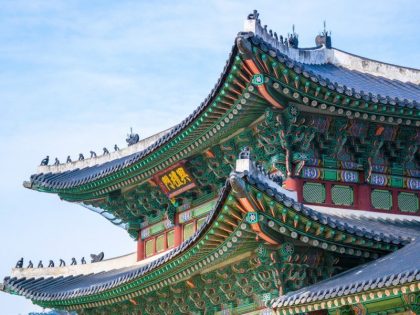
If one city in particular symbolizes the bright future of tournament play, it is Jeju. Located on South Korea’s stunning volcanic island, Jeju has rapidly grown into one of the premier Asian poker destinations for major international festivals. Global tournament organizers love its ultra-modern casino infrastructure, luxurious resort facilities, and hassle-free accessibility.

One of the biggest reasons Jeju poker has exploded in popularity is the island’s unique visa-free travel policy for many international visitors, including Chinese citizens. This relaxed entry requirement makes it incredibly easy for massive fields to gather for multi-million-dollar festival series. Today, the phrase Jeju poker is almost synonymous with prestigious, high-stakes tournament poker.
World-class venues like Landing Casino inside Jeju Shinhwa World now regularly host some of the richest events on the global calendar. These massive series bring together elite professionals from Europe, North America, Australia, and virtually every corner of Asia. Buy-ins range from accessible regional side events to $100,000+ super high-roller tournaments.
Unlike gritty traditional gambling cities, Jeju also offers spectacular natural scenery and a relaxing vacation atmosphere. Players often spend their mornings exploring cascading waterfalls, hiking volcanic craters, or walking along breathtaking coastal trails before hitting the tables at noon. This seamless combination of outdoor tourism and high-stakes poker has made the island a mandatory annual stop for traveling professionals.
Quick Legal & Etiquette Fact for Jeju
As one of the most scenic Asian poker destinations, Jeju has casinos that operate under South Korea’s unique foreigner-only casino system. While South Korean citizens are generally prohibited from casino gambling (except at Kangwon Land), international visitors exploring the Jeju poker scene can legally enjoy live cash games and major tournament festivals – including prestigious stops by the Asian Poker Tour (APT) – at licensed venues such as Landing Casino. Be sure to bring your original passport, as it is required for identity verification before entering the gaming floor.
Don’t Let the Island Vibe Fool You: Although Jeju is famous for its relaxed holiday atmosphere, casino dress standards are more formal than you might expect. Beachwear, flip-flops, and sleeveless tops are generally not permitted on the gaming floor. Neat casual or smart-casual attire is recommended to ensure a smooth entry into the poker room.
Traveler’s Tip: Offering a refreshing holiday alternative to the bustling urban centers of Macau poker and Manila poker, most of the island’s action takes place inside luxury resort casinos rather than standalone poker clubs. Since venues are spread across different parts of the island, renting a car or using taxis is often more convenient than relying solely on public transportation. Signing up for the casino’s membership card can also speed up future visits as you experience the very best of poker in Asia.
Manila: Southeast Asia’s Poker Powerhouse
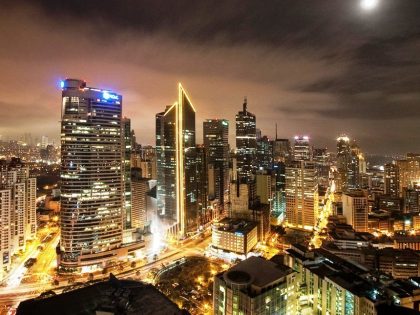
No honest discussion of top gaming hubs would ever be complete without mentioning Manila. The bustling Philippine capital has quietly built one of the strongest, most dependable year-round live poker communities in the entire world. Its government-regulated casino industry embraced Texas Hold’em decades ago, creating a permanent schedule of daily tournaments alongside nonstop cash game action.
One of Manila’s absolute greatest strengths is how accessible and budget-friendly it is for everyone. The city’s primary card rooms – located inside massive luxury properties like Newport World Resorts, Okada Manila , and Solaire – cater to every imaginable bankroll. You can easily find low-stakes $1/$3 No-Limit Hold’em cash games sitting right next to high-stakes VIP tables.
When major series roll into town, Manila poker rooms truly come alive with unmatched energy. International festivals here feature dozens of side events, cheap satellite qualifiers, and fun mixed-game formats like Pot-Limit Omaha and Short Deck . This massive variety ensures that recreational hobbyists and hardened professionals can compete under the same roof.
Another huge advantage for traveling grinders – many of whom balance their live casino sessions with playing online poker from their comfortable accommodations – is that English is an official language in the Philippines and is spoken fluently in every card room. Combined with world-famous Filipino hospitality, low food costs, and affordable luxury hotels, navigating the local scene is effortless. These factors have cemented Manila poker as the undisputed beating heart of Southeast Asian card playing.
Quick Legal & Etiquette Fact for Manila
As one of the fastest-growing Asian poker destinations, the Philippines boasts a vibrant gaming scene where casino gambling is regulated by the Philippine Amusement and Gaming Corporation (PAGCOR) under Presidential Decree No. 1869.
The local Manila poker landscape has become a cornerstone of poker in Asia, with both tournament poker – including major international festivals like the Asian Poker Tour – and live cash games being fully legal at licensed casinos for local and international players aged 21 and over. Visitors should carry a valid passport or government-issued ID, as identification is required when registering to play.
Dress Code Contradictions: Smaller poker clubs may have a relaxed atmosphere where casual clothing is acceptable. However, luxury integrated resorts such as Okada Manila and Solaire generally apply stricter dress standards, particularly in VIP gaming areas. Beachwear, flip-flops, and sleeveless athletic tops are typically discouraged. Smart-casual attire is recommended to ensure smooth entry into the poker room.
Traveler’s Tip: Rivaling the prestigious resort offerings of Macau poker and Jeju poker, Manila’s biggest poker rooms are located inside integrated resorts along Entertainment City. Register for the casino loyalty card before heading to the poker room – it usually makes registration faster and may include dining discounts, complimentary parking, or special tournament promotions.
Taipei: One of Asia’s Fastest-Rising Poker Cities
Only five or six years ago, relatively few international grinders viewed Taipei as a serious stop on the global circuit. That outdated perception has changed dramatically, and Taiwan is now experiencing an absolute explosion in poker popularity. The city has become a shining example of how a passionate local community can build a world-class tournament destination from the ground up.

Unlike traditional casino resorts, Taipei’s poker scene revolves around legally sanctioned, skill-based poker associations and clubs. The most famous of these, the Chinese Texas Hold’em Poker Association (CTP Club), has helped introduce thousands of local newcomers to the game. These clubs operate with extreme professionalism, offering structured tournaments in a safe, friendly, and highly competitive environment.
Because local gambling laws restrict traditional cash games, Taipei is 100% focused on tournament poker, like the Asian Poker Tournament (APT) and the Taiwan Millions Tournament (TMT) . This unique legal landscape has created a pure, trophy-hunting atmosphere where players care deeply about strategy and titles. When major international series visit Taipei, guaranteed prize pools are frequently doubled or tripled due to the massive local turnout.
Beyond the felt, Taipei offers one of the most enjoyable and stress-free travel experiences in the entire region. The city is famous for its ultra-clean public transportation, incredible night markets, delicious street food, and exceptionally welcoming locals. For players looking for a balanced trip that combines great tournament value with an amazing cultural vacation, Taipei is hard to beat.
Quick Legal & Etiquette Fact for Taipei
While Taiwan’s Criminal Code generally prohibits gambling, tournament poker operates under a separate legal framework as a recognized mind sport, making Taipei one of the most unique Asian poker destinations. Major venues such as CTP Club function as registered sports associations and regularly host prestigious international festivals, including record-breaking stops by the Asian Poker Tour (APT).


Tournament poker is legal when organized through these associations, but real-money cash games are not permitted under Taiwanese law. Visitors should not expect to find cash tables at licensed poker clubs. Visitors aged 18 and over are typically required to register as club members before entering tournaments, so bringing your original passport is highly recommended.
The “Zero-Cash” Table Rule: Because clubs must comply with strict regulations, players are not allowed to place cash on the tables or arrange public side bets involving money. Visitors are typically required to register as club members before entering tournaments, so bringing your original passport is highly recommended. Unlike traditional casino rooms offering poker in Asia, Taipei’s clubs usually have a relaxed dress code, and casual clothing, hoodies, and sneakers are perfectly acceptable.
Traveler’s Tip: Unlike the traditional casino models found in Macau poker, Manila poker, and Jeju poker hubs, Taipei’s scene revolves around private sports clubs. Most venues require players to register as club members before entering tournaments, so arriving a little early with your passport or government-issued ID is a good idea. Many clubs also publish their tournament schedules through mobile apps and social media.
Coming Next
That wraps up the first half of our guide to the region’s top gaming hubs. Stay tuned for Part 2, where we continue our tour of Asia’s poker capitals and dive into the rest of the continent’s most exciting poker destinations.
Gyöngyi P. Tóth is SoMuchPoker's Content Writer and Poker Stories Specialist, writing Side Pot features, WSOP storylines, and the site's Poker in Pop Culture and Legends of Poker series. She was introduced to poker 20 years ago through live tournament play, and what has kept her interest since is the psychology and human behavior behind the game as much as the cards themselves.

Bryn Kenney Wins KPC $100K Charity High Roller for $1.95M
Bryn Kenney wins the KPC King’s Charity Super High Roller for $1.954 million after 71 entries created a massive $6.674 million prize pool.

Renato Villanueva Jr. Wins Okada Kickoff for PHP 820,184 at APPT Manila 2026
Renato Villanueva Jr. defeats Kohei Takami to win the Okada Kickoff for PHP 820,184, while Joris Michl claims his second APPT Manila 2026 title.

TMT20 Day 22: Chun Ting Lo Wins The Ascent For TWD 1,300,000, Sixth Trophy Plate Crowned
Chun Ting Lo wins TMT20's Ascent for TWD 1,300,000, claiming the sixth Incense Cedar Trophy Plate, as Crown Main Event Flight C fires July 30.

Jesse Lonis In Charge as Tom Dwan and Bryn Kenney Chase Into King’s Charity SHR Final Table With $1.95m Up Top
Jesse Lonis leads Tom Dwan and Elton Tsang into the USD 6.67M King’s Charity Super High Roller final, with USD 1.954M awaiting the winner.

Tony Ren Lin Leads Dwan, Tsang, Kenney and Tang in $100K King’s Charity High Roller
Tony Ren Lin leads Elton Tsang, Tom Dwan, Bryn Kenney and Danny Tang after Day 1 of the $100K King’s Charity Super High Roller in Jeju.

TMT20 Day 21: Ascent APL Shatters Guarantee as Ori Kossonogi Leads Final 85, Jihwan Oh Claims High Roller Title
Ascent event at TMT20 smashed its NTD 5M guarantee with 843 entries. Ori Kossonogi leads the final 85 players, while Jihwan Oh wins High Roller.

Okada Kickoff Crushes Guarantee as 87 Survivors Return for Day 2; Joris Michl and Kazuki Kiyokawa Claim Early Titles
Okada Kickoff drew 573 entries as 87 players advanced to Day 2. Joris Michl and Kazuki Kiyokawa won the first APPT Manila 2026 titles.

APPT Manila 2026 is Underway!
APPT Manila 2026 is underway at Okada Manila. Live updates from the Okada Kickoff Day 1, today's full schedule, and what's coming on Day 2.

Daeyoung Park Wins Record 9,094-Entry TMT20 Main Event
Daeyoung Park wins the record 9,094-entry TMT20 Main Event for TWD 6.1 million, while Oliver Lirio leads a Filipino High Roller sweep.

APPT Manila 2026 Starts Tomorrow with PHP 132M (~USD 2.14M) Guaranteed Festival
APPT Manila 2026 starts tomorrow at Okada Manila with PHP 132M (~USD 2.14M) in guarantees. See the opening day schedule and key events.

Xin Jiang Wins KPC Jeju Opening for KRW 57.6 Million
Xin Jiang won the 370-entry KPC Jeju Opening for KRW 57.6 million, while Jinsui Fan leads the KRW 300 million Mystery Bounty.

TMT20 Day 19: Record Main Event Down to Final 36 as Obby Chen Leads, Wen Hsien Wu Captures High Roller Title
The record-breaking TMT20 Main Event is down to 36 players led by Obby Chen, while Wen Hsien Wu takes down the NTD 25K High Roller.


![United States of America [USA]](/assets/images/flags/1x1/us.svg "United States of America [USA]")

![Macao [MAC]](/assets/images/flags/1x1/mo.svg "Macao [MAC]")

![South Korea [KOR]](/assets/images/flags/1x1/kr.svg "South Korea [KOR]")

![Philippines [PHL]](/assets/images/flags/1x1/ph.svg "Philippines [PHL]")


![Taiwan [TWN]](/assets/images/flags/1x1/tw.svg "Taiwan [TWN]")

![Japan [JPN]](/assets/images/flags/1x1/jp.svg "Japan [JPN]")

![Thailand [THA]](/assets/images/flags/1x1/th.svg "Thailand [THA]")


![Macao [MAC]](/assets/images/flags/4x3/mo.svg "Macao [MAC]")


![South Korea [KOR]](/assets/images/flags/4x3/kr.svg "South Korea [KOR]")


![Philippines [PHL]](/assets/images/flags/4x3/ph.svg "Philippines [PHL]")