

Asian Poker Spotlight: Abhinav Iyer on Indian Poker’s Future, WSOP Bluffs & Chasing Momentum in 2027

Live poker across Asia has been surging in popularity over the last few years. With new venues opening regularly and major tours like the Asian Poker Tour (APT) leading the charge, the region has seen a steady wave of new players and consistently growing tournament fields.
To get a closer look at what is driving that momentum, and what it’s really like grinding the regional circuit—we sat down with one of the standout players competing across Asia and India.
Spotlight: Abhinav Iyer
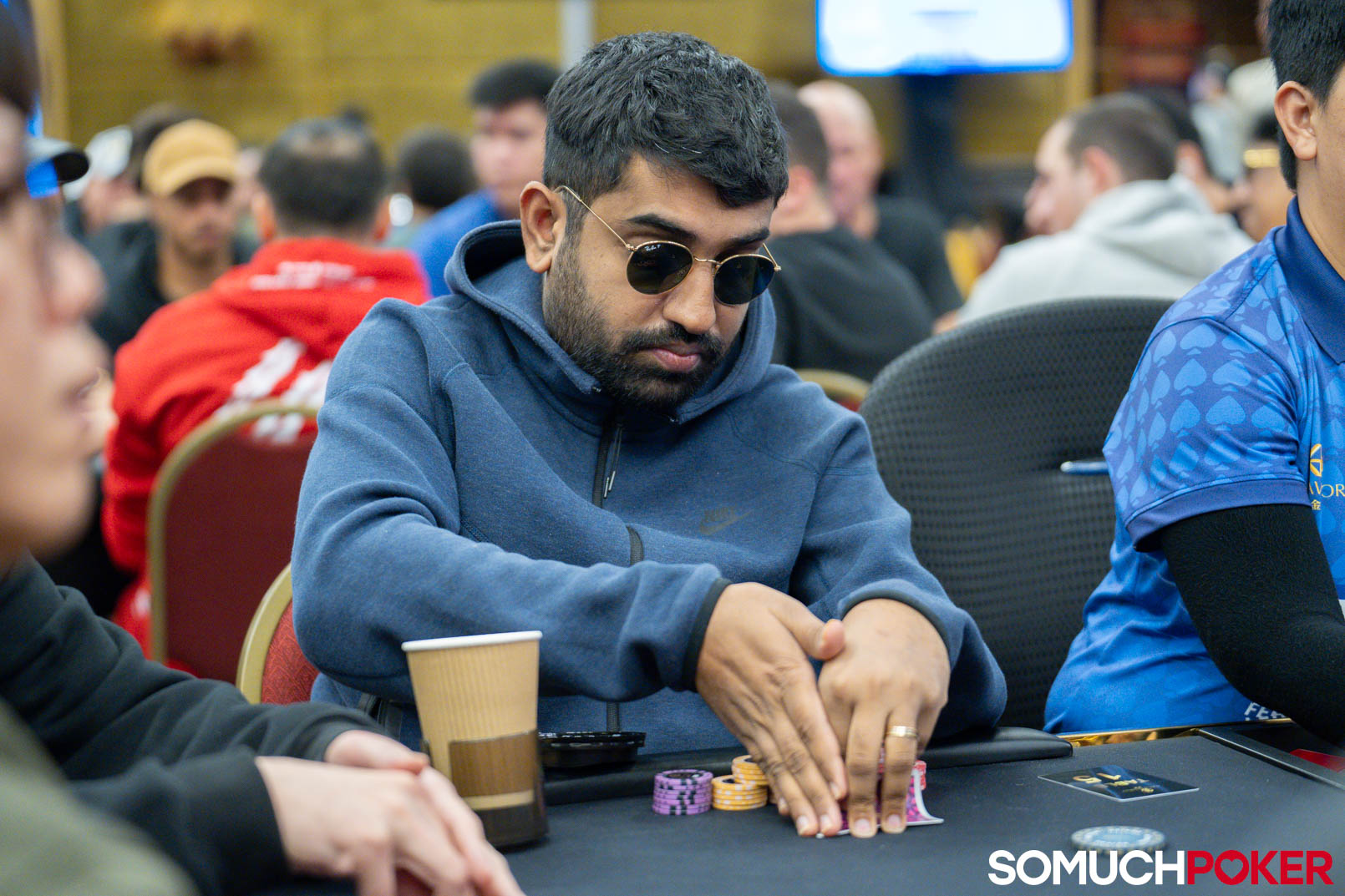
Our first interviewee, Abhinav Iyer, needs little introduction. He has long been a familiar face on both the Asian and international circuits.
Iyer etched his name into poker history as the first Indian player to win a solo bracelet at the World Series of Poker. His crowning moment came in July 2019, when he conquered a massive 2,800-entry field in the ever-popular Closer event at the 50th Annual WSOP to claim a $565,346 payday.
Since that breakthrough, Iyer has remained a regular fixture across Asia and Las Vegas, with occasional stops in Europe and Australia mixed in.
We caught up with him during his downtime as he resets for a strong start to 2027 following what he describes as a "tepid last couple of years."
Part I: The Origin Story & The Grind
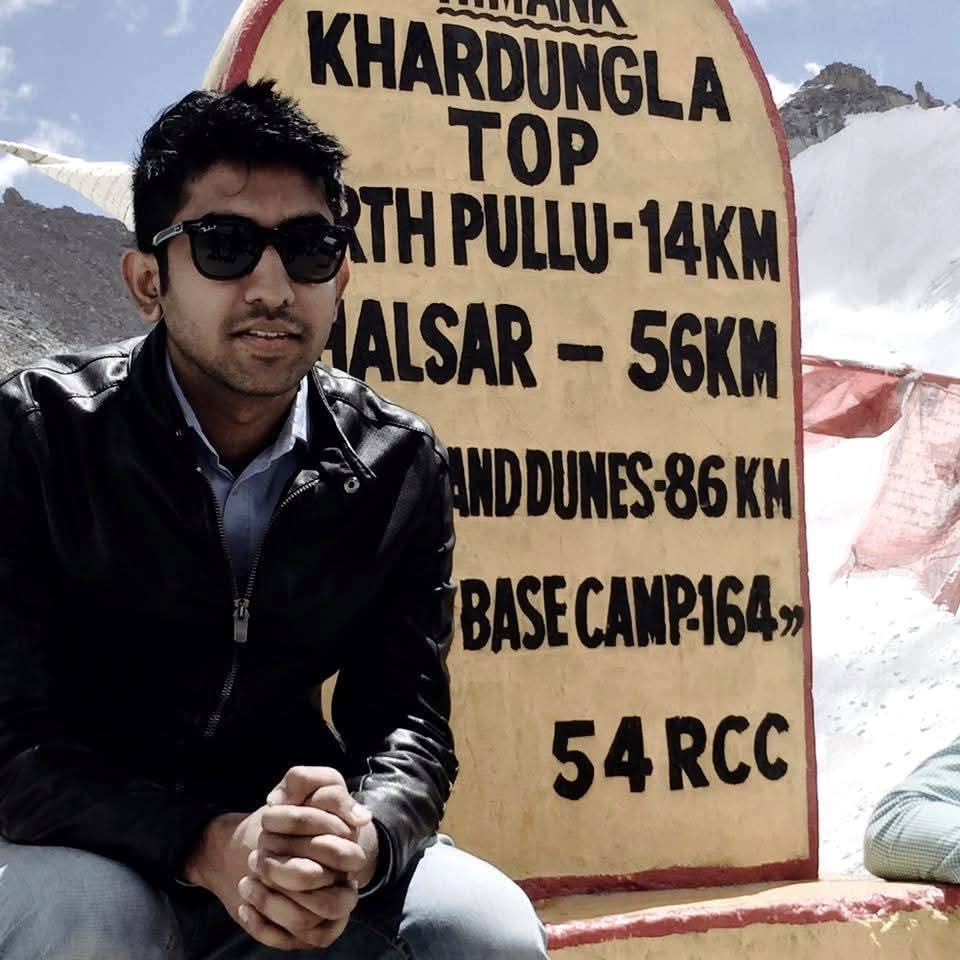
1. How did you first get into poker? Was it something you stumbled upon, or did you know pretty early that this was the game for you?
I first got into poker around 15 years ago when I was introduced to the game during my undergraduate studies. Early on, it was just a casual hobby, but it quickly became much more than that within a couple of years.
Before long, I was spending far more time at the poker tables at The Crown than in my University lectures in Melbourne, both during my undergrad and postgrad.
2. What is it about poker that keeps you hooked? After all these years, what still gets you excited about sitting at a table?
I feel like I get to learn something new every time I sit at the table—either about myself, or by watching someone else make a play I wouldn't normally consider. Making a deep run is always a rush, and travelling to new destinations keeps things fresh. Those are the main things that still get me excited.
3. What are you playing these days? More live tournaments, online MTTs, cash games, or a bit of everything?
I’m actually playing a bit of everything right now. My main focus is live tourneys and online MTTs, though I do jump into online cash games occasionally when I’m not grinding a tournament schedule.
4. Are you someone who religiously studies the game, or do you prefer figuring things out on the fly?
When I started out, study tools were either scarce or way too expensive, so I naturally preferred figuring things out on the fly. I’ve completely changed my approach over the last few years, though, and now dedicate structured time to studying every week.
Part II: Inside the Indian Poker Scene
5. How would you describe the Indian poker scene today, and how much has it changed since you first started?
The landscape has changed drastically since I first started. With the ban on online poker, live tournament poker in India has become almost non-existent—largely because the live ecosystem relied so heavily on the online boom. As far as domestic action goes right now, it’s primarily limited to home games and casino cash games.
6. What’s one thing about Indian poker that you absolutely love, and one thing that drives you nuts?
Because the community is relatively small, you pretty much know everyone and genuinely root for each other’s success at international stops. I believe that camaraderie is still very much alive.
On the flip side, the one thing that drove me nuts was the heavy tax on tournaments that we had to pay while playing online and in local casinos.
7. Who are some Indian players you genuinely enjoy watching or playing against? And who’s someone you hate having at your table?
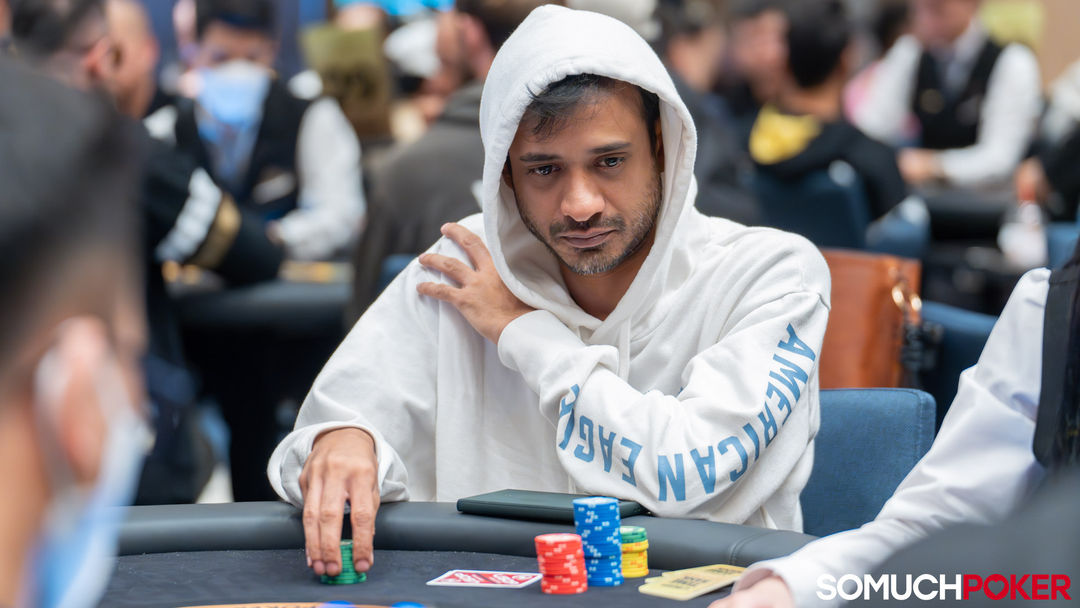
Both answers are actually the same! I genuinely enjoy watching—and battling—Aditya Agarwal, Sriharsha Doddapaneni, and Ashish Munot. They all possess sound technical knowledge and are super entertaining to watch at the table.
8. Where do you see Indian poker heading over the next five years?
Honestly, I don’t see any laws changing over the next few years. “Without online poker as an entry point, it’s very difficult for a younger generation to discover and get into the game”.
Unless there is a drastic regulatory change, I don’t think we’re going to see many new faces breaking into the live tournament arena.
Part III: War Stories, Bluffs & Bad Beats
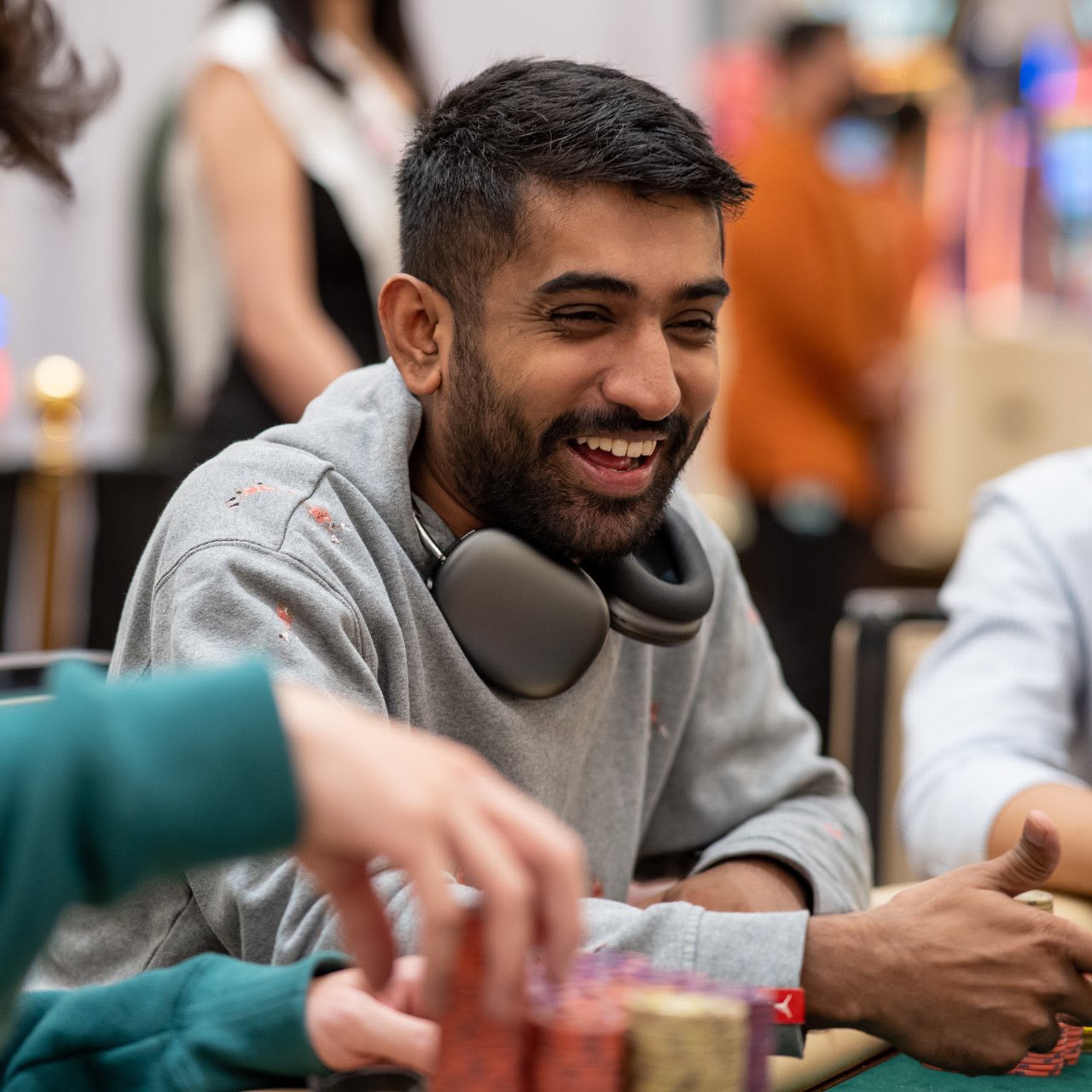
9. What’s the craziest or most memorable hand you’ve ever played—one that you still find yourself talking about?
I suck at remembering specific hands or the exact action.
However, one hand I vividly recall happened blind-versus-blind in a three-handed limped/isolated pot where I flopped a gutshot with on a board.
I turned a double gutshot, rivered the straight, and my opponent went bet, bet, all-in. That was for a massive amount of money.
10. What’s the worst bad beat you’ve ever taken? More importantly, have you emotionally recovered from it?
I usually forget bad beats after a couple of days, haha. Emotionally, I bounce back within a few hours and rarely carry it into the next day's session.
That said, I vividly remember a hand that wasn’t technically a bad beat, just a classic coin flip—losing with queens against ace-king deep in the WSOP Main Event a few years ago. That one took a few days to get over.
11. What’s the biggest bluff you’ve ever pulled off, or the most ridiculous hero call you’ve ever made?
I remember a massive bluff from that same WSOP Main Event run on either Day 5 or Day 6.
I opened T9s from early position and the big blind defended. The flop came down JT9 ; he checked, I bet, and he called.
The turn paired the board with a jack , and we both checked.
River was an eight. The big blind led out with a huge bet, and I bluff-jammed for most of my stack. He actually flashed the high end of the straight before folding!
Part IV: Life on the Tour & Thoughts on the Modern Game
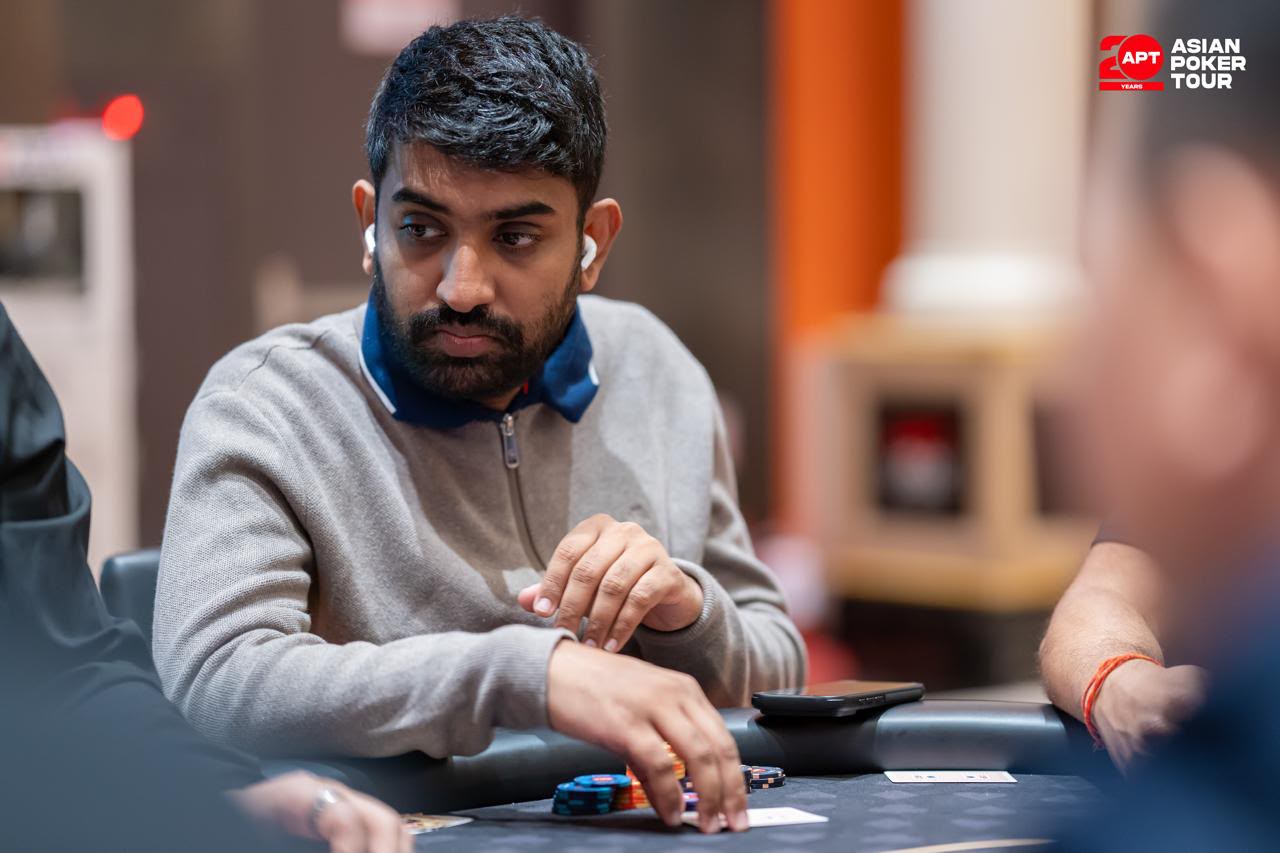
12. You’ve travelled all over the circuit. What’s been your favourite city to visit and why?
The clear winner is Barcelona. The city is breathtaking, and the weather in August is unbeatable. There’s so much to do away from the tables—it’s an incredible place just to walk around, and you can literally step straight onto the beach during a tournament break.
A close second would be Melbourne. You can easily explore the city on foot and find world-class restaurants and coffee shops, plus there’s plenty going on outside of poker if you visit in January.
13. What’s been your favourite casino or venue to play at in terms of overall experience?
In my opinion, Wynn Las Vegas is hands down the best venue to play poker in. The events are run seamlessly, the property is gorgeous, the dealers are top-notch, the restaurants are great, and the ballroom atmosphere in December is fantastic.
14. What are your thoughts on Re-entry tournaments? Do you have a preference?
Re-entries are definitely good for live poker. Nobody wants to fly halfway across the world just to play Freezeout tournaments—unless it’s a massive Main Event.
However, I strongly believe there should be a cap on re-entries for any given tournament.
“Unlimited re-entries give pros a massive edge over recreational players”.
15. What are your thoughts on the rise of Mystery Bounties?
Personally, I’m not a huge fan—it’s just not my favourite format. I get why it’s thrilling once you hit the money, but the variance is ridiculously high.
That doesn’t mean I skip them, though. There is a ton of value in large-field Mystery Bounties where knocking out a single player can land you a life-changing score, and I completely understand why the format is so popular among recreational players.
Part V: Off the Felt
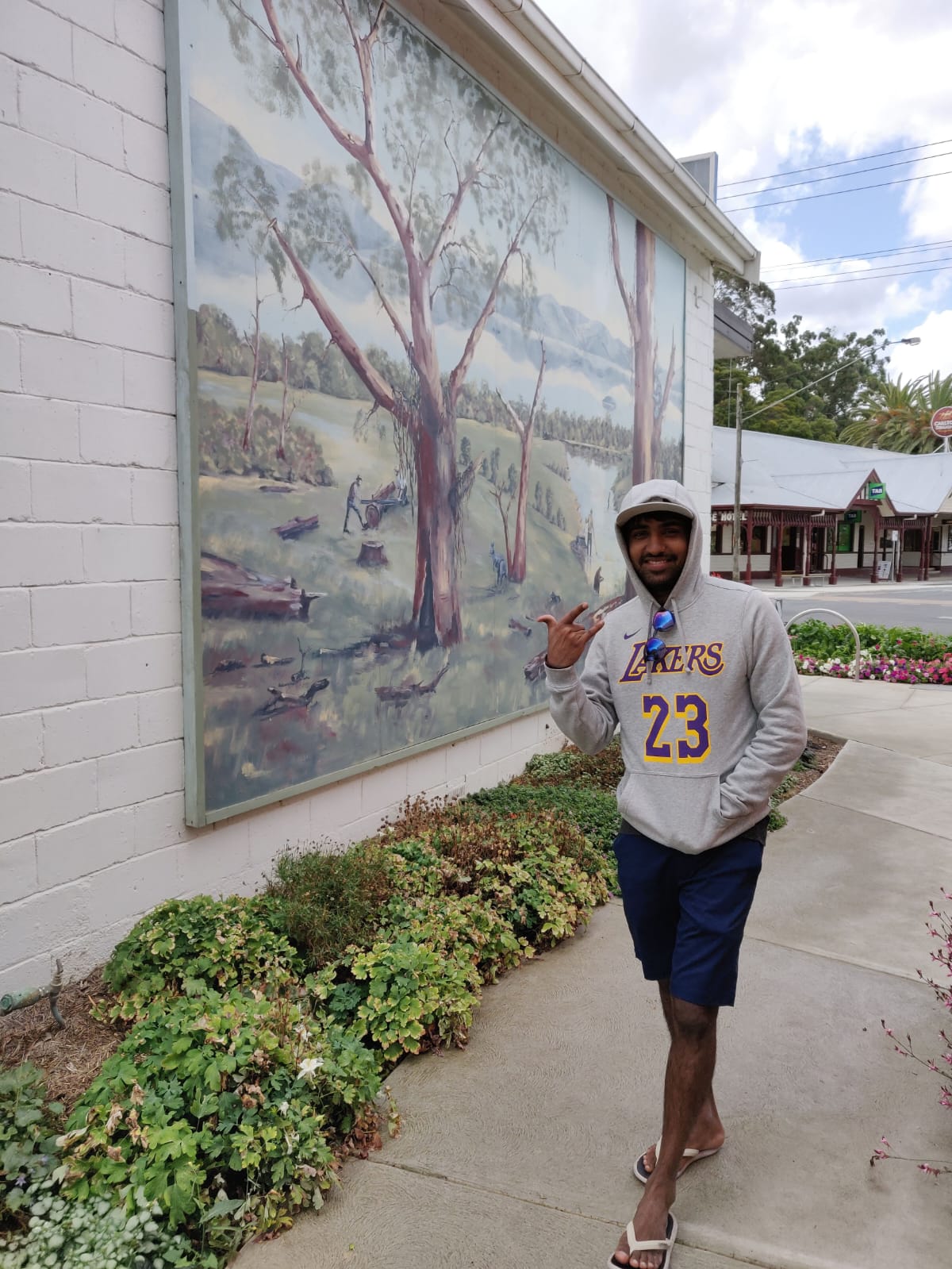
16. If you could sit down and play poker with any three people in the world, who would they be?
Michael Jordan, Luka Doncic, and Tobey Maguire.
17. What’s one thing poker has taught you about life outside the game?
Poker humbles you. The highs are extremely high, and the lows are brutally low. The biggest lesson I learned early on is to stay grounded regardless of what happens on the felt.
Abhinav laughed and declined to comment on a couple questions that could potentially get him into some trouble with close friends. And on that note, we sign off our conversation with Abhinav and wish him the best of luck on the felt in 2027.
About the Editor

Related News
 Live PokerInterview
Lloyd Fontillas on GOP's Taipei Return, Local Grinders, and a Refined Cronus Structure
Lloyd Fontillas on the tour's return for GOP Taipei, lower buy-ins for local grinders, and the feedback behind the refined Cronus Structure.
 Live PokerInterviewLegends of Poker
Billy ‘The Croc’ Argyros Wants Poker’s Character Back
Billy "The Croc" Argyros recalls facing Johnny Moss, earning his famous nickname and why today’s poker pros must respect recreational players.
 Live PokerInterview
US Poker Pro Ends 10-Year Wait at WPT Australia
US poker pro Hunter Cichy ends a 10-year wait to visit Australia, praising The Star while playing the full three-week WPT Australia festival in Sydney.
 Live PokerInterview
Gemmy Tue An: From Banking to the Asian Poker Scene
Gemmy Tue An reveals why she left priority banking, how she overcomes stereotypes, and her mission to empower female tournament players.
 NewsLive PokerInterview
Chase Cokaliong: “When You Play Against the Best, Iron Sharpens Iron”
In this Chase Cokaliong interview, the Filipino businessman discusses poker coaching, patience, Team Chase Your Dream, Triton ambitions and his public image.
 Live PokerInterview
The Cronus Structure Explained: Why Gods Of Poker Closes Registration So Early
Gods of Poker's Lloyd Fontillas explains the Cronus Structure, it's impact on the Main Event, and why GOP closes registration after just two levels.