

The Ultimate 2026 Guide to Playing Online Poker in the US

If you love playing cards online in the United States, you probably know that the legal side of things can be a bit confusing. The landscape of US online poker legislation is always shifting, constantly changing the way we enjoy our favorite game. To make things incredibly easy for you, we have put together this ultimate guide of seven articles summarizing everything you need to know about the current legal poker scene in 2026.
Right now, playing poker online is completely legal and thriving in several states, but the rules change drastically depending on where you happen to live. This comprehensive article series breaks down the absolute latest updates in US online poker legislation. We will show you exactly which states allow you to legally log in and play for real money right now. We will also look closely at the future of regulated online poker to see which major states might be next to join the action.
Have you ever wondered why you can only play against people located in your own state? We will dive deep into the MSIGA, a special agreement that allows states to legally combine their player pools to improve games. We also cover the recent heavy crackdowns on sweepstakes poker sites that used special loopholes to operate, but are now facing tough new bans across the country.
To give you the full picture, we will look at the realistic chances of a nationwide poker law and explain why bringing international players into the US mix is still a long shot. Finally, we compare state-licensed sites directly with offshore poker sites so you know all your available options. Whether you play casually on weekends or grind every day, understanding US online poker legislation is key. Let's dive deep into these topics and explore how these rules affect your game!
USA Legislation Part 1 – US States With Regulated Online Poker
If you are looking to play legal, regulated online poker, your options depend entirely on your home state. As of 2026, nine US states have officially legalized online poker within their borders. However, only six of these states actually have active, licensed poker rooms you can log into and play. Those lucky six states are Nevada, New Jersey, Michigan, Pennsylvania, Delaware, and West Virginia.
If you live in or visit one of these regulated states, you can enjoy safe poker on top platforms like WSOP Online, PokerStars, or BetRivers. The remaining three states - Connecticut, Rhode Island, and Maine - have passed laws to allow poker, but no operators have launched there yet. This means players in those states are still patiently waiting for a site to open its virtual doors. The market in these three states is quite small, which makes operators hesitant to invest in launching new platforms.
The big catch with regulated online poker is that it is strictly managed at the state level. You must be physically located inside a legal state's borders to play. Location software ensures you cannot sit in Texas and play on a New Jersey site. This strict geographic rule is the absolute core of US online poker legislation.
While this rule keeps the games safe and taxed properly, it also severely limits the number of players at the tables. Small player pools mean smaller tournament prizes and fewer cash games running during off-peak hours. Still, the regulated market is growing steadily, providing safe, government-backed options for millions of Americans. As the market matures, we hope more operators will step up to serve the smaller legalized states so everyone can enjoy the game.
USA Legislation Part 2 – US States Considering Online Poker Law
So, what about the rest of the country? Many gamblers are constantly wondering which states will pass US online poker legislation next. While a few massive states have huge poker communities, legal progress is incredibly slow across the board.
California, with its massive population of nearly 40 million, would be an absolute dream for poker fans. Unfortunately, a complex mix of tribal casino interests, local card rooms, and state politics means California is likely years away from passing a law. Similarly, Florida and Texas both have incredibly vibrant live poker scenes, but their lawmakers are not pushing for online poker anytime soon. Texas does not even have commercial casinos, making online poker a very tough sell.
The brightest hope right now in the US is New York. Lawmakers there are actively pushing Senate bills to legalize online casinos and poker. If New York passes US online poker legislation, it would bring 20 million new residents into the fold, providing a massive boost.
Virginia also strongly considered legalizing the game recently with a promising bill. However, that effort faced opposition over addiction fears and was delayed until at least 2028. For now, if your state is not already on the legal list, you might be waiting a few more years for action. In the meantime, many players in these waiting states end up exploring offshore poker sites to get their daily card fix. While it can be frustrating to wait for politicians to act, keeping an eye on New York is your best bet for good news in the near future.
USA Legislation Part 3 – MSIGA Connecting US Online Poker Players
Have you ever noticed that state-licensed poker rooms can sometimes feel a bit empty? That is because, originally, players could only play against others located in their exact same state. Thankfully, the MSIGA (Multi-State Internet Gaming Agreement) was created to fix this major liquidity problem.
The MSIGA is a groundbreaking legal pact that allows member states to combine their online poker players into a single shared network. By pooling players together across state borders, poker sites can offer bigger tournaments, better cash games, and round-the-clock action. As of 2026, six states are full members of the MSIGA: Nevada, Delaware, New Jersey, Michigan, Pennsylvania, and West Virginia.
When a state joins the MSIGA, it is a massive win for everyone involved in the poker community. Operators like WSOP Online, BetMGM, and BetRivers can easily link up their players across multiple state lines. This creates a much healthier poker ecosystem with larger prize pools that rival international sites. The legal battles to make this happen were fierce, with the Department of Justice originally trying to block it using the Wire Act.
Fortunately, courts ruled that the Wire Act only applies to sports betting, giving the MSIGA the green light to expand. While some states, such as Connecticut and Rhode Island, have legalized poker, they are not yet actively using the MSIGA due to legal language or a lack of operators. Hopefully, as more states pass US online poker legislation, they will automatically join this agreement to help build a massive, united American poker network for all players to enjoy!
USA Legislation Part 4 – Sweepstakes Poker in the US
For many years, sweepstakes poker was the ultimate loophole for players living in states without legal gambling options. These unique sites let you buy virtual play money and then give you "free" promotional sweepstakes coins as a bonus. You could then use those promotional sweepstakes coins to enter games and win real cash prizes.
Because you were technically not depositing money directly to gamble, sweepstakes poker operated completely legally in most of the country. However, the legal landscape has shifted dramatically in 2025 and 2026. Several big states have started cracking down hard on this popular loophole to protect their own licensed gambling markets.
States like Michigan, New York, California, and New Jersey have recently passed severe laws explicitly banning sweepstakes poker. Operators have been forced to quickly close their doors in these states or face massive fines and even potential prison time for their executives. Lawmakers strongly argue that these sites bypass local state taxes and ignore important consumer regulations.
This new wave of legal bans is quickly shrinking the available map for sweepstakes poker fans. As state governments get stricter and more protective of their revenue, the old sweepstakes loophole is closing faster than ever. For players who suddenly lose access to sweepstakes sites, the choice usually comes down to either waiting for regulated online poker to arrive or moving their bankrolls to international platforms. Even states like Montana and Connecticut have joined the anti-sweeps movement, threatening heavy penalties for unlicensed internet gaming. While sweepstakes sites remain operational in about 40 states, the future looks highly uncertain. Players must stay up to date on local laws as the sweeps industry faces its toughest challenge yet.
USA Legislation Part 5 – US Regulation on the Federal Level
Wouldn't it be great if there were just one simple US online poker legislation for the whole country? A unified federal law would let you log in and play against anyone, anywhere from New York to California. Sadly, a true nationwide online poker network is highly unlikely to happen anytime soon.
The main roadblock is the UIGEA, a strict federal law enacted in 2006 that bars banks from processing unregulated gambling transactions. Because there is no federal gambling commission to oversee things, every state wants to control its own rules. More importantly, state governments want to keep all the lucrative tax money generated by gambling strictly within their own borders.
When federal lawmakers look at internet gambling, they unfairly lump poker in with casino games like slots and roulette. Because poker simply does not generate as much tax revenue as sports betting or digital slots, politicians do not care enough to protect it. There is also no strong lobbying group left to fight for poker players in Washington, D.C. anymore. Casino corporations even lobby against it, fearing that people will stay home rather than visit live venues.
So, while a country-wide law sounds absolutely amazing to players, the political reality is much more complicated. For the foreseeable future, US online poker legislation will remain a very slow, state-by-state process. Players will have to rely heavily on the MSIGA to link legal states together rather than waiting for federal approval from Congress. Until lawmakers view poker as a game of skill separate from traditional casino games, federal momentum will remain stalled. For now, the best strategy for players is to advocate for state-level regulation and hope their local politicians recognize the demand for safe, legal online poker.
USA Legislation Part 6 – Will US Online Poker Players Ever Join the Global Pool?
If you played online poker before 2011, you definitely remember the glory days of battling players from Europe, Asia, and beyond. Today, many fans wonder if regulated US sites will ever let Americans play against the rest of the world again. Unfortunately, joining the global player pool is mostly a pipe dream in the current climate.
The biggest hurdle, once again, is the UIGEA, which strictly forbids financial institutions from processing international gambling transactions. Individual state laws simply cannot overwrite this powerful federal act. Even if a progressive state wanted to invite international players, they legally could not process their foreign deposits or withdrawals through the banking system.
Furthermore, state governments only really care about regulated online poker because it brings in valuable tax revenue. If an international player wins a huge tournament against an American, that money leaves the country completely untaxed. States have absolutely no financial incentive to let foreign poker pros withdraw cash from their local economies.
Because of this strict US online poker legislation, state-licensed sites are completely walled off from the rest of the world. Unless there is a massive, unexpected shift in federal law, Americans on regulated sites will only be playing against other Americans. To play internationally and chase those massive global guarantees, players usually have to rely heavily on offshore poker sites.
While it is sad to be separated from the global community, the current legal framework makes it impossible to bridge the gap. The only tiny glimmer of hope is if US states form agreements with regulated Canadian provinces like Ontario in the future. However, even this cross-border collaboration faces immense legal hurdles. For the time being, the dream of a fully united, worldwide poker ecosystem remains firmly out of reach for American players.
USA Legislation Part 7 – State-regulated vs. offshore sites comparison
Since regulated online poker is available in only a handful of states, millions of Americans are left looking for solid alternatives. This is exactly where offshore poker sites come into play for the dedicated grinder. These are international platforms licensed outside the US that actively accept American players.
The biggest advantage of offshore poker sites is universal accessibility. They welcome players from almost every single state, meaning you do not have to pack up and move to New Jersey or Nevada just to play cards. Because they cater to a massive global audience, they also boast incredible player traffic and huge tournament prize pools that dwarf state-regulated sites.
However, playing offshore definitely requires a bit of an adjustment for beginners. Because traditional banks block regular credit card gambling transactions, offshore poker sites mostly rely on cryptocurrencies like Bitcoin or Ethereum for deposits and withdrawals. While crypto is incredibly fast and secure, it can be slightly intimidating if you have never used a crypto wallet before.
Safety is also a major factor to consider. While state-regulated sites are subject to strict local government oversight, offshore operators are monitored by foreign gaming commissions. If you decide to play on offshore poker sites, it is absolutely crucial to stick to trusted, well-established brands with a proven track record of paying out winners. Always balance the convenience of those bigger international games against the safety and security of local regulations.
Additionally, offshore platforms usually offer much larger welcome bonuses and better rakeback deals compared to US-licensed sites. This extra value can make a huge difference to your bottom line over time. Ultimately, the choice between offshore and regulated platforms depends entirely on your location, your comfort with crypto, and your desire for large tournament action.
Wrapping Up
Navigating the world of online poker in the US can feel like a tough bluff, but knowing the rules gives you an edge. Whether you are playing in a legalized state or exploring international options, there is always a great game waiting for you.
If you are looking for safe and exciting places to play, we highly recommend checking out a few top-tier platforms. If you are in a legal state, WSOP Online offers fantastic software and shared player pools. For those outside regulated areas, ACR and CoinPoker are excellent, trusted choices that feature massive tournaments and easy crypto banking. Good luck at the tables!
About the Editor

Beus Zsoldos is Somuchpoker's Senior Copywriter and Player Stories Editor, covering WSOP color moments, player profiles and poker personalities for the site's Stories section. She has spent more than 20 years around the game, first as a player, then as a live tournament director and localization manager for a major online poker room, before moving into full time poker writing.
Related News
 Online PokerPromotion
ACR Poker Halloween Mystery PKOs: $650K GTD
ACR Poker's $650K Halloween Mystery PKOs have drawn 5,413 entries. Explore the new 50/50 bounty format, buy-ins from $5.50 and November 1 Day 2.
 PromotionOnline Poker
WPT Prime Taiwan 2027 Satellites: Win a $1,100 Seat From Just $0.55
WPT Prime Taiwan 2027 satellites are live on WPT Global. Qualify from $0.55 for a $1,100 Main Event seat and unlock exclusive Black Card rewards.
 Online PokerRecap
Gustavo Campos Wins Second GGMillion$ Title for $416K
Gustavo “Gusscamposs” Campos won his second GGMillion$ title, earning $405,959 and a $10,000 live event ticket after defeating Aleks Ponakovs heads-up.
 Online PokeriGamingStories
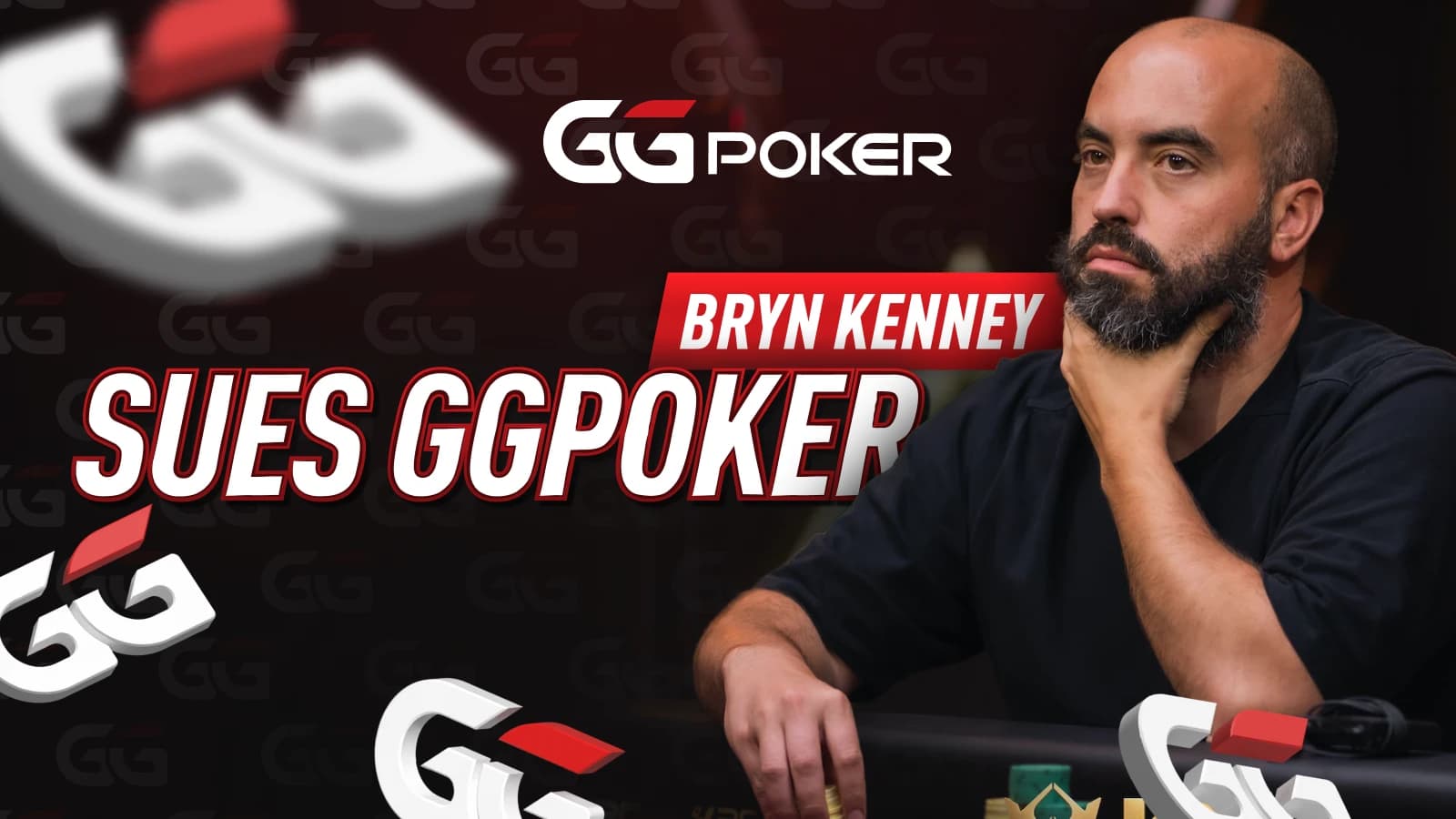
Bryn Kenney Sues GGPoker Parent Over 5% Stake and Millions in Commissions
Bryn Kenney sues GGPoker's parent over a 5% stake and unpaid commissions. A new filing also raises allegations involving player payments and security.
 iGamingOnline PokerPromotion
Natural8 Free $15 APT Online Ticket - Claim Yours
New to Natural8? Sign up with code SMPBONUS, verify before 1 November and get a free $15 APT Online ticket for the $40M GTD series.
 iGamingOnline Poker
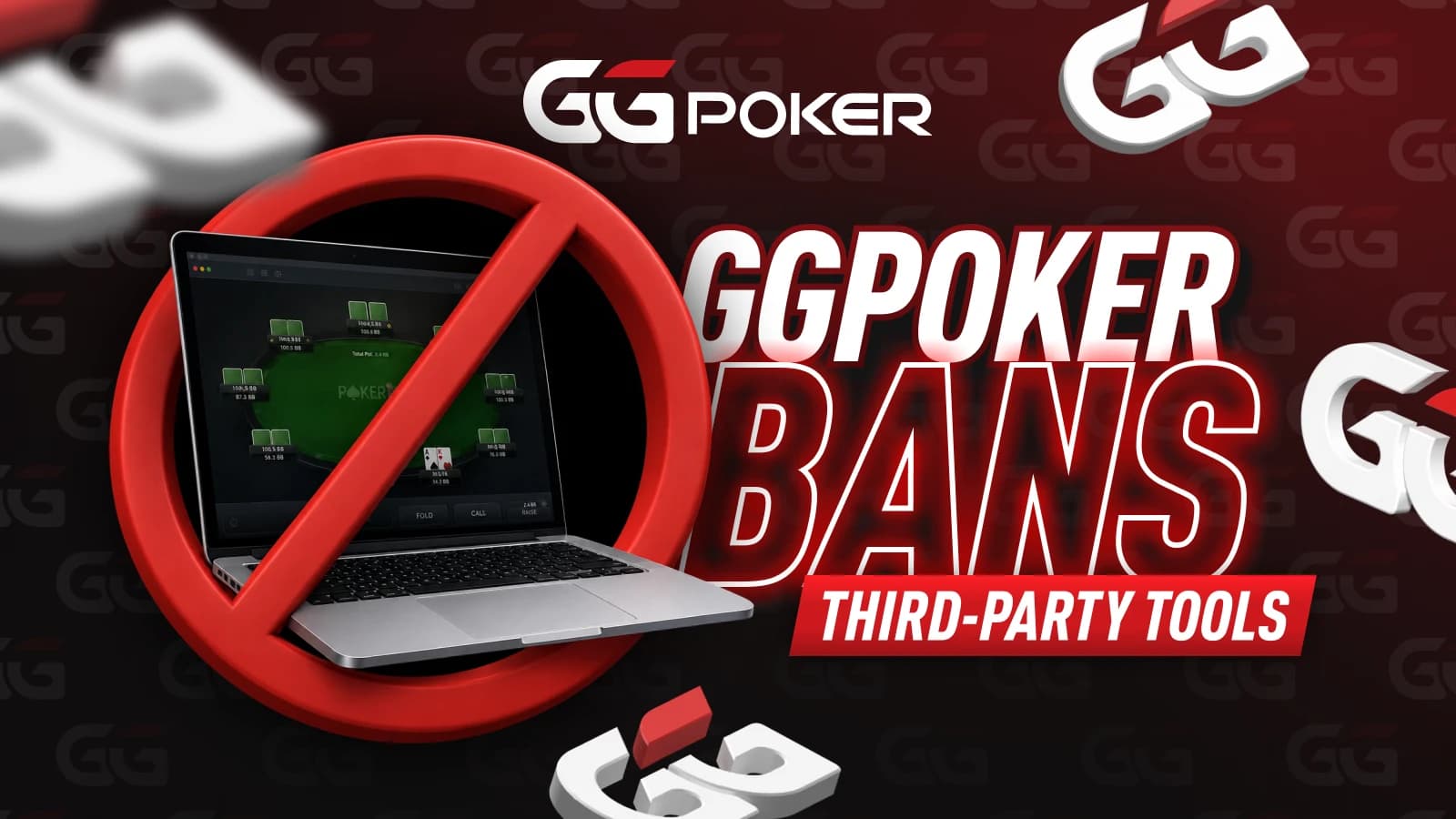
GGPoker Security Update Bans Third-Party Poker Tools
The GGPoker security update bans third-party poker tools, adds new client security features, and introduces detection for suspicious win rates.