

Wild West Gambling: Poker, Faro and the Rise of Cheating

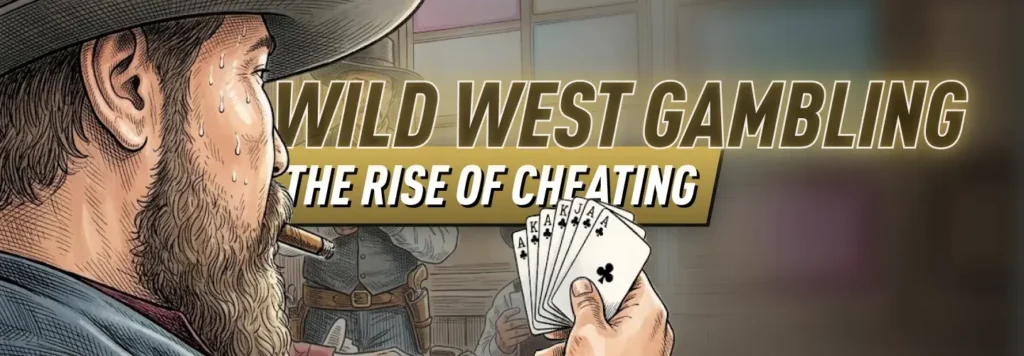
When we think of gambling in the Wild West, the same image probably comes to mind: a dusty frontier town, a swinging saloon door, glasses of whiskey, a tense poker table, and someone who might draw a gun at any moment. Western movies spent decades building this image, but Wild West gambling was far more diverse. Gambling was an important part of life in many frontier towns, but poker – whether Five-Card Draw or another form of the game – was far from the only option. Faro was often more popular, while games such as 21, Three-Card Monte, and various dice games also made up part of the gambling hall experience. Roulette and other gambling games became available in some locations as gambling houses developed.
The Money That Changed the West
To understand why gambling became such an important part of frontier life, we first need to understand the world in which it developed. The California Gold Rush of 1848, followed by the discovery of gold and silver in other parts of the American West, sent huge numbers of people westward. New settlements appeared around mining sites, creating a rapidly changing economic and social environment. Miners and other workers often had money to spend, but relatively few opportunities for entertainment. Where large numbers of people, cash, and free time came together, gambling was not far behind.
Saloon culture was about much more than drinking. Saloons served as meeting places where people could exchange news, make deals, socialize, and, of course, gamble. Alongside saloons, dedicated gambling halls and other gaming establishments operated in frontier communities, while brothels and other forms of entertainment also became part of the developing townscape.
This combination of money, entertainment, and gambling helped make gaming a significant part of the economy and social life of many Western settlements. It also created opportunities for people who were willing to make a living from gambling itself.
Poker Was Only Part of the Story
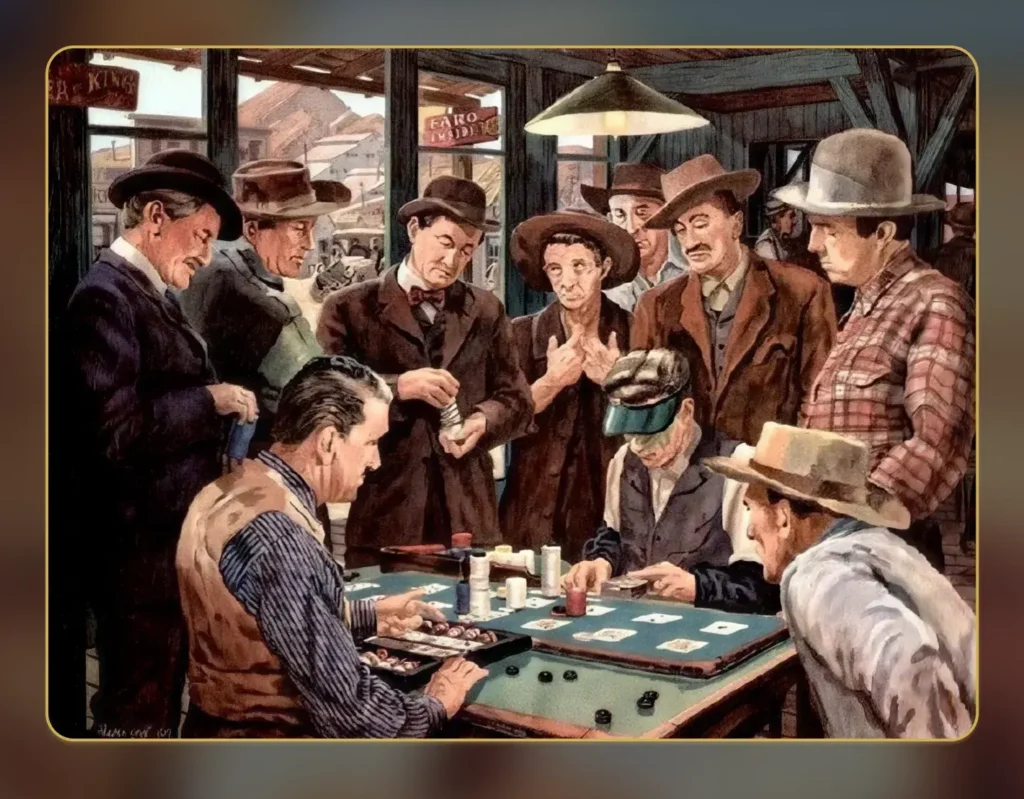
One of the strongest images created by modern popular culture is the idea that the Wild West was almost synonymous with poker. Western movies frequently show poker games around saloon tables, with players waiting for the next big hand or trying to read an opponent's bluff. The image isn't entirely disconnected from reality, but it is easy to forget that 19th-century poker wasn't the same game we know today.
From New Orleans to the Riverboats
One of the earliest known American descriptions of poker dates to 1829, when actor Joseph Cowell described a 20-card poker game played in New Orleans. The game gradually spread through riverboats and commercial routes, while Mississippi steamboats themselves became important gambling venues. Poker soon became part of the wider gambling culture that developed along the river.
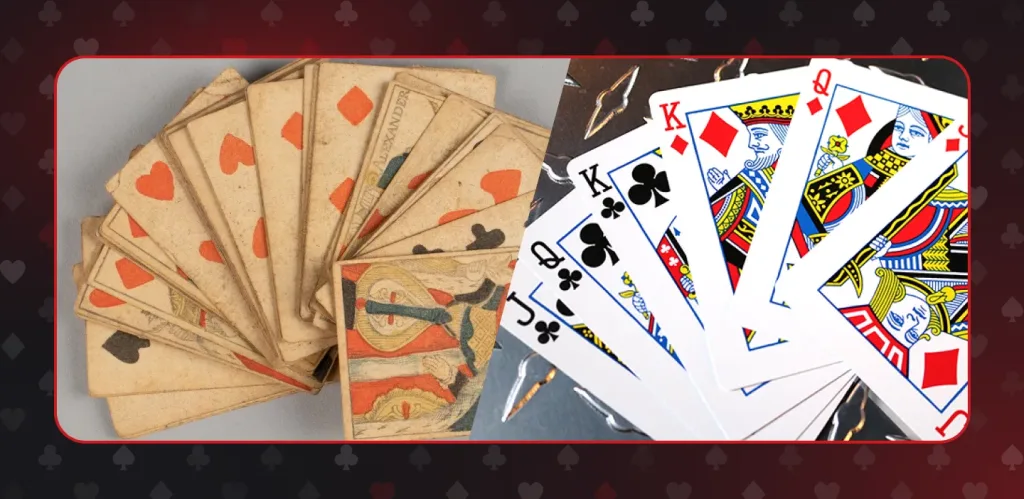
By the 1850s, the game had changed considerably, with a standard 52-card deck and the draw becoming established. Five-Card Draw developed in America from earlier European card games such as Poque and Brag. By the mid-nineteenth century, it had become part of the gambling culture found in saloons, riverboats, and even Civil War military camps.
How Five-Card Draw Was Played
In Five-Card Draw, players receive five private cards and, after a betting round, have the opportunity to exchange cards from their hand. There are no community cards, meaning players must rely entirely on their own hand and their ability to judge what their opponents might hold.
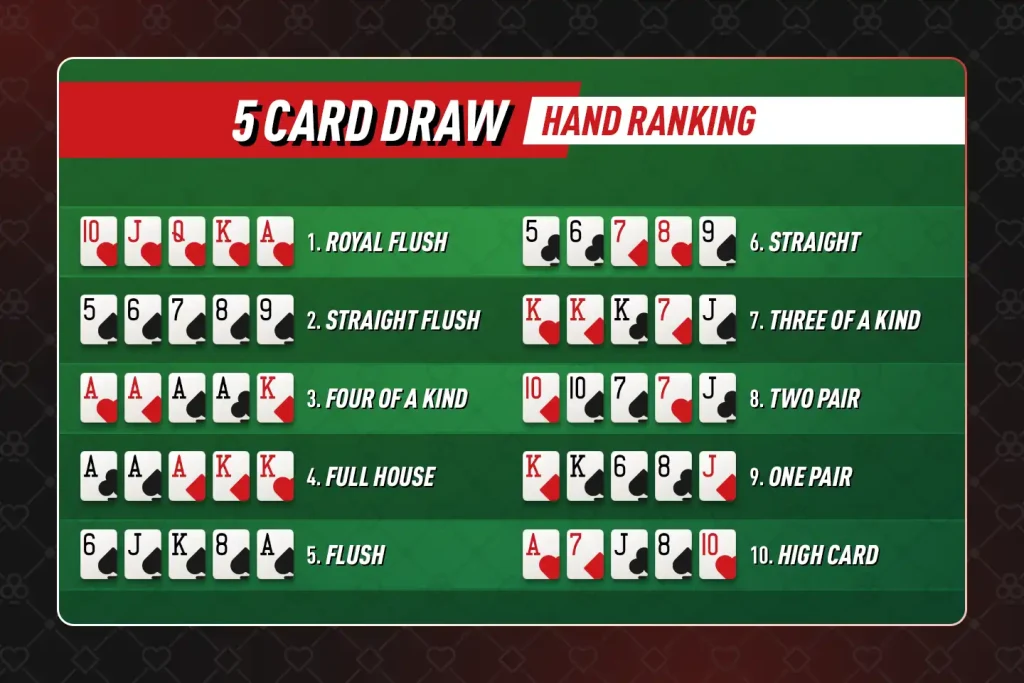
This makes Five-Card Draw a legitimate part of the Wild West gambling story. However, that doesn't mean every poker game shown in a Western movie represents Five-Card Draw. Several forms of poker existed in the 19th century, and rules could vary over time and by place. What is clear is that Texas Hold'em was not yet part of the gambling landscape, so the modern game should not simply be projected back onto the Wild West.
Poker was therefore certainly part of frontier gambling, but it was only one piece of a much larger gambling culture. Among the standout games was Faro.
Faro: The Wild West's Most Popular Gambling Game?
Faro card game became enormously popular during the 19th century and was particularly well suited to the fast-moving gambling culture of frontier towns. The game was relatively simple and fast-paced, allowing money to change hands quickly and gambling houses to keep players engaged from one round to the next. It became closely associated with saloons and gambling halls across the American West and, for a period, was one of the most widely played gambling games in the country.
But Faro had another reputation. The game became notorious for cheating, and dishonest dealers could manipulate the game in ways that gave players little chance of winning fairly. That reputation would become an important part of the darker side of Wild West gambling.
And this is where the story gets particularly interesting: gambling wasn't simply about taking a chance. For some people, the real skill was finding a way to control the outcome.
Gambling Was More Than Card Games
Wild West gambling also extended far beyond the card table. People placed bets on horse races and boxing matches, as well as cockfights and dogfights. In some frontier communities, wagers could even be placed on much more spontaneous contests, including footraces between individuals willing to accept a challenge.
The important point was not necessarily the sport itself. It was the opportunity to put money on an outcome. Gambling therefore became part of a much broader frontier culture in which almost any competition could potentially become a betting opportunity.
The Professional Gamblers
For some people, gambling was more than occasional entertainment. During the 19th century, professional gamblers operated across the American West, moving from one opportunity to another and attempting to make a living from their knowledge of games, experience, and ability to gain an advantage over other players.
These gamblers needed more than an understanding of the rules. The people they played with, the location, the opponents, and the timing of a game could all matter. The image of the well-dressed, calm, and well-mannered gambler became part of the culture surrounding professional gambling.
Gamblers also followed money and opportunity. They moved toward gold rushes, newly opened mining regions, and rapidly growing frontier towns. The completion of the first North American transcontinental railroad in 1869 accelerated this movement. The temporary settlements that grew alongside railroad construction – often known collectively as the "Hell on Wheels" towns – concentrated large numbers of workers and money in rapidly changing communities. Saloons, gambling houses, and other forms of entertainment followed the railroad, creating new opportunities for professional gamblers and other people who made their living from frontier entertainment.
And wherever large amounts of money were changing hands, there were not only people willing to trust their luck. Others looked for ways to make sure luck had as little to do with the outcome as possible.
When Cheating Became a Profession
By the late 19th century, card cheating was far more than an occasional trick. Professional cheats developed their own methods, tools, and techniques, while studying the weaknesses of different games. In many cases, the best cheating did not even begin once the game was underway.
Marked, Trimmed and Treated Cards
Cheaters could prepare cards before the game started. Some were trimmed slightly so they could be identified by their shape or width. In other cases, the surface of a card could be altered with substances such as soap, wax, or resin, allowing certain cards to slide or stick differently from the rest of the deck. Prepared decks could also let a cheat identify important cards by touch or by observing how the cards behaved during play.
These methods may seem primitive by modern standards, but they could provide a significant advantage in the 19th century. A player might have no way of knowing whether an opponent was simply more experienced or whether the entire game had already been manipulated before the first hand was dealt.
Cheating Beyond the Deck
Cards were not the only things that could be manipulated. Dice games and Faro also developed their own forms of cheating. By the end of the 19th century, cheating had become detailed enough to be documented in books such as John Nevil Maskelyne's Sharps and Flats, published in 1894. The book documented cheating methods and the less respectable side of the gambling world of the period.
The gambling world therefore developed a clearer distinction between the casual player, the professional gambler, and the card sharp. Some players simply trusted their luck. Others relied on knowledge and experience to gain an advantage. Card sharps, however, deliberately looked for ways to manipulate the game and avoid leaving the outcome entirely to chance.
The game might look fair from the outside. But in the Wild West, that did not always mean it was.
The next article will take a closer look at the era's professional card sharps and the methods they used to turn cheating at the card table into an art form.
The saloon tables are gone, but the games survived. Five-Card Draw, Faro's descendants, and the card room culture the frontier created all live on - today they run on online platforms as well, with animations, live chat, and many more functions with certified random number generators instead of a dealer's box. If you want to see how far the game has come, start with our guide to the best online poker sites.
Resources
About the Editor

The SMP Editor covers international poker and iGaming for SoMuchPoker, providing news, tournament coverage, and industry insights. With a focus on accuracy, clarity, and relevance, the editor helps readers stay informed about developments across the global poker community.
Related News
 StoriesNews
The Rise of the Card Sharp: Inside 19th-Century Gambling Cheating
Explore how 19th-century card sharps used marked cards, false shuffles, second deals and collusion to cheat at Faro, poker and other popular gambling games.
 NewsLive Poker
Scheduled Maintenance: Live and Player Profiles Temporarily Offline
Somuchpoker is moving to a new server. Live and Player Profiles will be offline for a few days. Here is what to expect and when we are back.
 NewsOnline PokeriGaming
Road to Triton Cyprus: Win a $25,000 Seat at Titi Poker
Join the Road to Triton Cyprus at Titi Poker. Start free on Oct 6, climb the satellite ladder and win one of 3 guaranteed $25,000 tickets.
 NewsOnline PokeriGamingPromotion
GGPoker and Natural8 $18M October Giveaway
Win your share of $18M in the GGPoker and Natural8 giveaway this October. Cash drops, Halloween Party, leaderboards - plus a welcome bonus.
 NewsOnline PokeriGaming
Andrii Novak Wins the GGPoker WSOP Online Main Event for $3.93M
Andrii Novak beats Simon Beckmann to win the 2026 GGPoker WSOP Online Main Event for $3.93M. Full final table results, payouts and stats.
 iGamingNews
PokerStars B2B Network Opens Its Doors: A Game-Changer for Online Poker
The PokerStars B2B network is officially open. Discover how this new white-label platform and shared liquidity will change the online poker industry.