

Triton Poker Series: The Rise of High-Stakes Poker – Part 2


The Triton Poker Series has become one of the most important high-stakes poker tournament series in the world in just one decade. In the first part of our series, we looked at how a bold Asian initiative grew into a global poker brand. In this second part, we explore Triton's broadcasting revolution, the role of Triton ONE, and how the series is shaping the future of high-stakes poker.
Triton Poker and Jeju: Asia's New High-Stakes Poker Hub
One of the most important locations in recent years has undoubtedly been Jeju, South Korea. The island has become a regular stop on the Triton Poker schedule and created a meeting point where Asian players compete alongside some of the biggest names from North America and Europe.
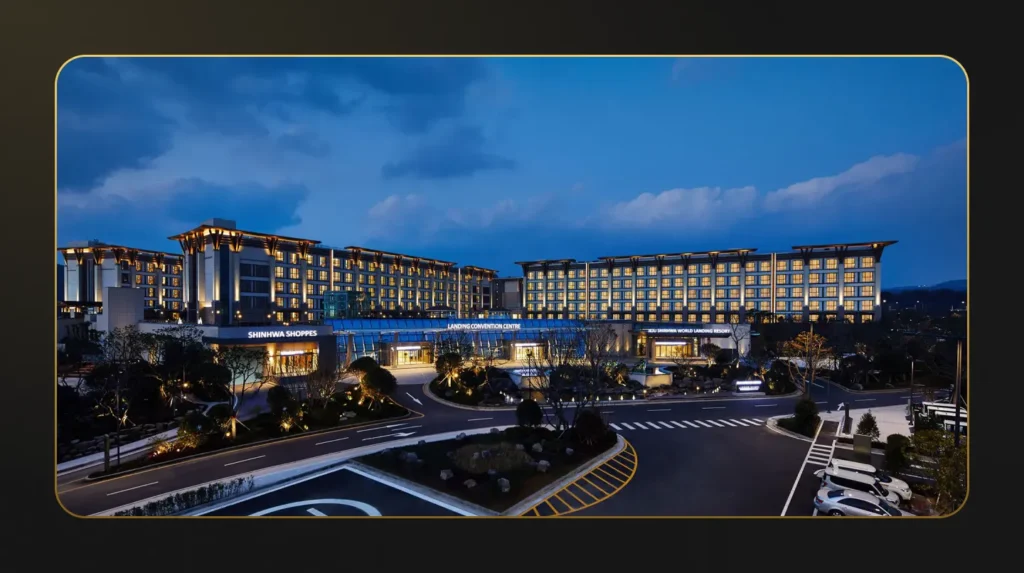
Triton Poker originally started as an Asian initiative, and Jeju has now become one of the series' most important locations. More and more players from China, Japan, and Singapore are entering the high-stakes poker world, while the biggest stars in the game travel to the island for some of the richest tournaments on the planet.
The growing interest is also clear in tournament numbers, with Triton Jeju event reports showing record-breaking fields in recent years. In March 2024, Jeju hosted the first Triton event with more than 200 entries. The $15,000 NLH 8-Handed event attracted 176 unique players, with 93 re-entries added, creating a total field of 269 entries.
The record did not last long. Within one week, the $25,000 NLH Silver Main event attracted 298 entries, followed by the GGMillion$ Live event, which reached 305 entries.
The Triton Jeju 2025 stop became another milestone. The opening event, a $15,000 NLH tournament, set a new record with 379 entries. Just a few days later, the $25,000 8-Handed event broke that record again with 391 entries.
Triton Jeju: Record-Breaking Fields at a Glance
Event | Buy-in | Entries | Year |
|---|---|---|---|
NLH 8-Handed | $15,000 | 269 | 2024 |
NLH Silver Main | $25,000 | 298 | 2024 |
GGMillion$ Live | - | 305 | 2024 |
NLH Opening Event | $15,000 | 379 | 2025 |
NLH 8-Handed | $25,000 | 391 | 2025 |
These numbers show that Asia is no longer just an emerging poker market, but one of the key regions in the global high-stakes poker scene.
Triton's Impact on the Growth of Asian Poker
One of the biggest messages behind Triton Poker's success is that Asia can build its own center within the elite world of poker. For many years, the continent was not considered one of the leading regions in global tournament poker. While Europe and North America developed strong poker cultures over decades, the game's growth in Asia was much slower.
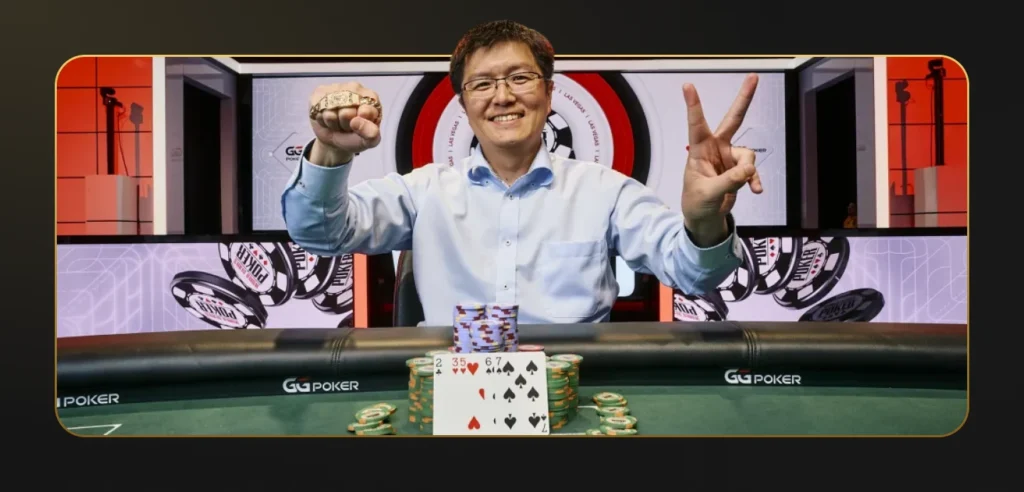
Naoya Kihara's story is a great example of this. The Japanese poker star started his career in a country where poker had almost no tradition and where there were very limited opportunities to improve through live tournaments. Online poker became the turning point for him, allowing him to compete against the best players in the world without having a strong local poker community behind him.
However, the situation has changed significantly with the growth of online poker and the arrival of major series such as Triton.
The presence of players from countries like China, Japan and Singapore has increased significantly in recent years. Triton did not simply bring tournaments to Asia - it showed that the continent is capable of hosting the biggest high-stakes poker events in the world.
The success of the series has also become an important milestone for other Asian poker initiatives and has helped the region play a bigger role in international poker.

How Triton Poker Series Elevated High-Stakes Poker Broadcasting
The Triton Poker Series has made major changes not only in tournament organization but also in the way poker is presented to fans around the world. From the beginning, the series placed a strong focus on television-level production. Professional graphics, multi-camera coverage, and impressive table setups have become key parts of Triton events.
The goal was clear: to make high-stakes poker not only understandable for experts but also enjoyable for a much wider audience.
Triton's broadcasts also provide educational value. Commentators with poker backgrounds, including Randy "nanonoko" Lew, Kane Kalas and others, regularly analyze important hands, player decisions and strategies during the broadcasts.
This allows viewers not only to see what happens at a high-stakes table, but also to understand how the best players in the world think and approach difficult situations.
Triton has also built its own content ecosystem. The Triton Poker Plus app offers replays, hand histories, live chip counts, seating information, and tournament statistics for fans.
The series is therefore no longer simply broadcasting poker tournaments. It has created a complete content platform around modern poker.

Triton ONE: The Path to the Next Generation of High-Stakes Players
For many years, Triton was mainly known as a series for the world's highest-stakes players. However, the organizers realized that a long-term system was needed to help new players move closer to the high roller world. This idea led to the creation of Triton ONE.
The series creates a bridge between mid-stakes tournaments and the Super High Roller Series. Events usually feature buy-ins between $2,000 and $20,000, giving opportunities to players who are not yet part of the very top level of the high-stakes community.
At the same time, Triton ONE keeps many elements of the main series. It offers the same premium environment, high-quality organization, and professional broadcasting experience that have become trademarks of the Triton Poker Series.
The goal is not only to create new tournaments but also to give rising players a chance to develop and reach a higher level. Online poker partners and qualification systems play an important role in this process.
The cooperation between Triton ONE and QQPK is a good example of this approach. Through online qualification opportunities, QQPK gives players a pathway to Triton ONE events, connecting the online poker community with the live high-stakes tournament scene.
This approach allows more players to compete for places in prestigious live events and creates a bridge between online poker and the international tournament circuit.
Triton Poker's Legacy: How It Changed High-Stakes Poker
The story of Triton Poker is a unique example of how a new player in the industry can significantly change the way a sport operates.
The series was not created to replace the WSOP or other traditional tournament brands. Instead, it built its own category: the highest-level and most exclusive form of high-stakes poker.
Today, Triton is much more than a tournament series. It is a global brand that connects Asia, Europe and North America while attracting the biggest names in poker.
What started in 2016 as a risky experiment in the Philippines has become one of the most important stories in modern poker.
With its combination of super high roller tournaments, innovative broadcasts and global expansion, the Triton Poker Series has become one of the defining forces in modern high-stakes poker.
Triton has shown that Asia can become one of the leading centers of high-stakes poker. It has also proven that high-stakes poker is not only about huge amounts of money. It is about the best players, strategic decisions, human stories, and the unique competitive spirit that allows poker to continue reaching new audiences.
About the Editor

The SMP Editor covers international poker and iGaming for SoMuchPoker, providing news, tournament coverage, and industry insights. With a focus on accuracy, clarity, and relevance, the editor helps readers stay informed about developments across the global poker community.
Related News
 Live PokerRecap
Deepstack Breaks Single-Day Record as William Tan Claims Malaysia Open at Poker Dream 26
Poker Dream 26 Malaysia's Deepstack set a single-day record with 449 entries, as Vikaash Shah won MYR 111,000 (~USD 27,170). William Tan Chee Liang also claimed the Malaysia Open title for MYR 323,000.
 Live PokerRecap
APPT Championship Manila 2026 Day 4: Dongwook Kim Leads APPT Open Final Nine
Dongwook Kim leads the final nine of the APPT Open at APPT Championship Manila 2026, while Gary Thompson wins the Six Handed High Roller.
 Live PokerRecap
Zhuo Zheng Wins KPC Bankroll Builder as King’s Debut Final Day Is Set
Zhuo Zheng wins the KPC Bankroll Builder for 39M KRW, 34 players return for the King’s Debut Final Day and Yue Mou tops KPC Main Event Day 1A.
 Live PokerRecap
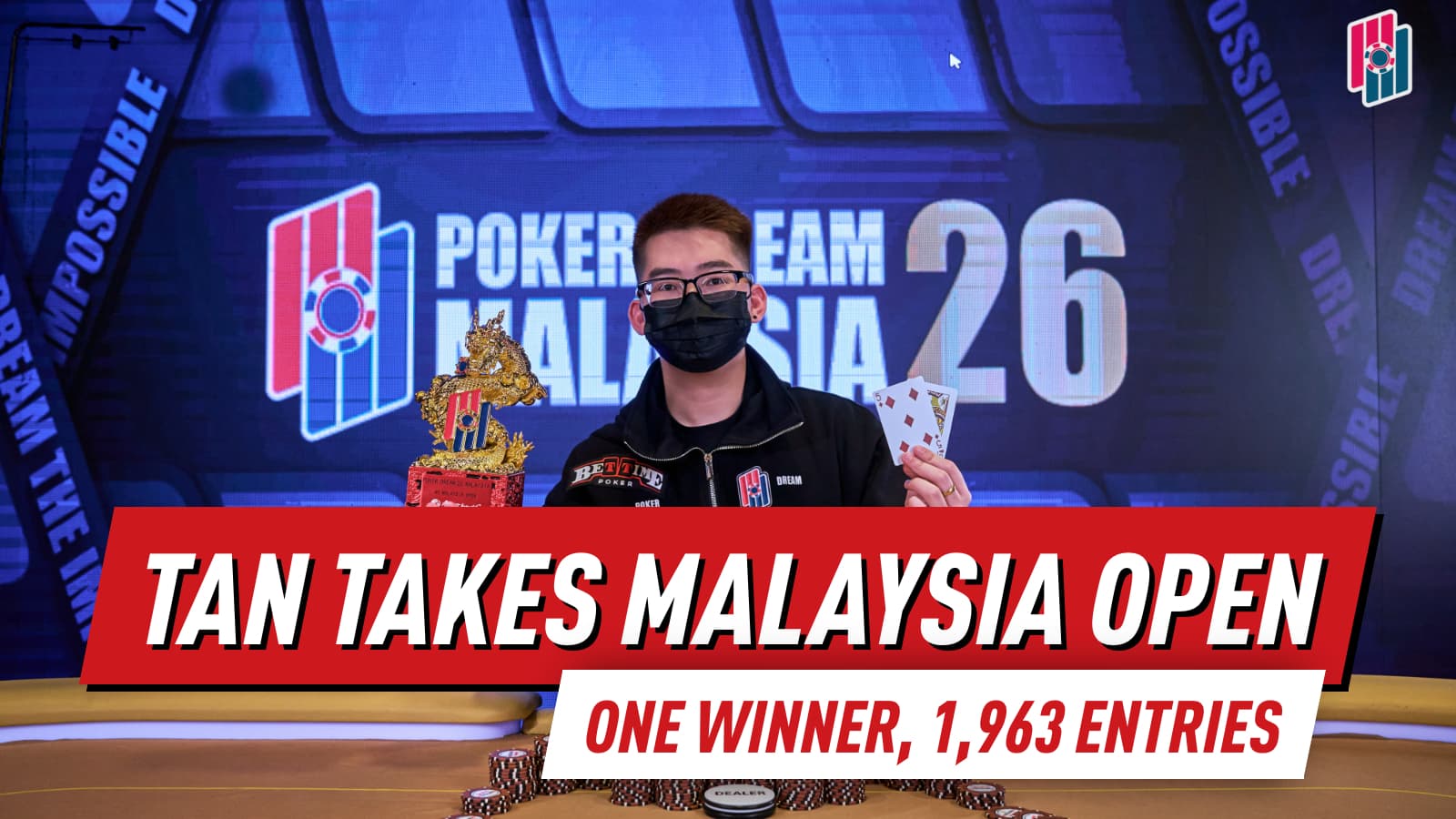
William Tan Chee Liang Comes From Behind to Win Record-Breaking Malaysia Open for MYR 323,000
William Tan Chee Liang took down the biggest Malaysia Open of 2026 at Poker Dream 26 Malaysia, outlasting 1,963 entries to win MYR 323,000 from a MYR 2.31 million prize pool.
 Live PokerRecap
Michel Molenaar Leads King's Debut Day 1A as KPC Poker October Series Begins in Jeju
Michel Molenaar leads King's Debut Day 1A, Houyu Zheng tops the Bankroll Builder and Tianyu Chen wins the Head Hunter Turbo at KPC Poker October Series in Jeju.
 Live PokerRecap
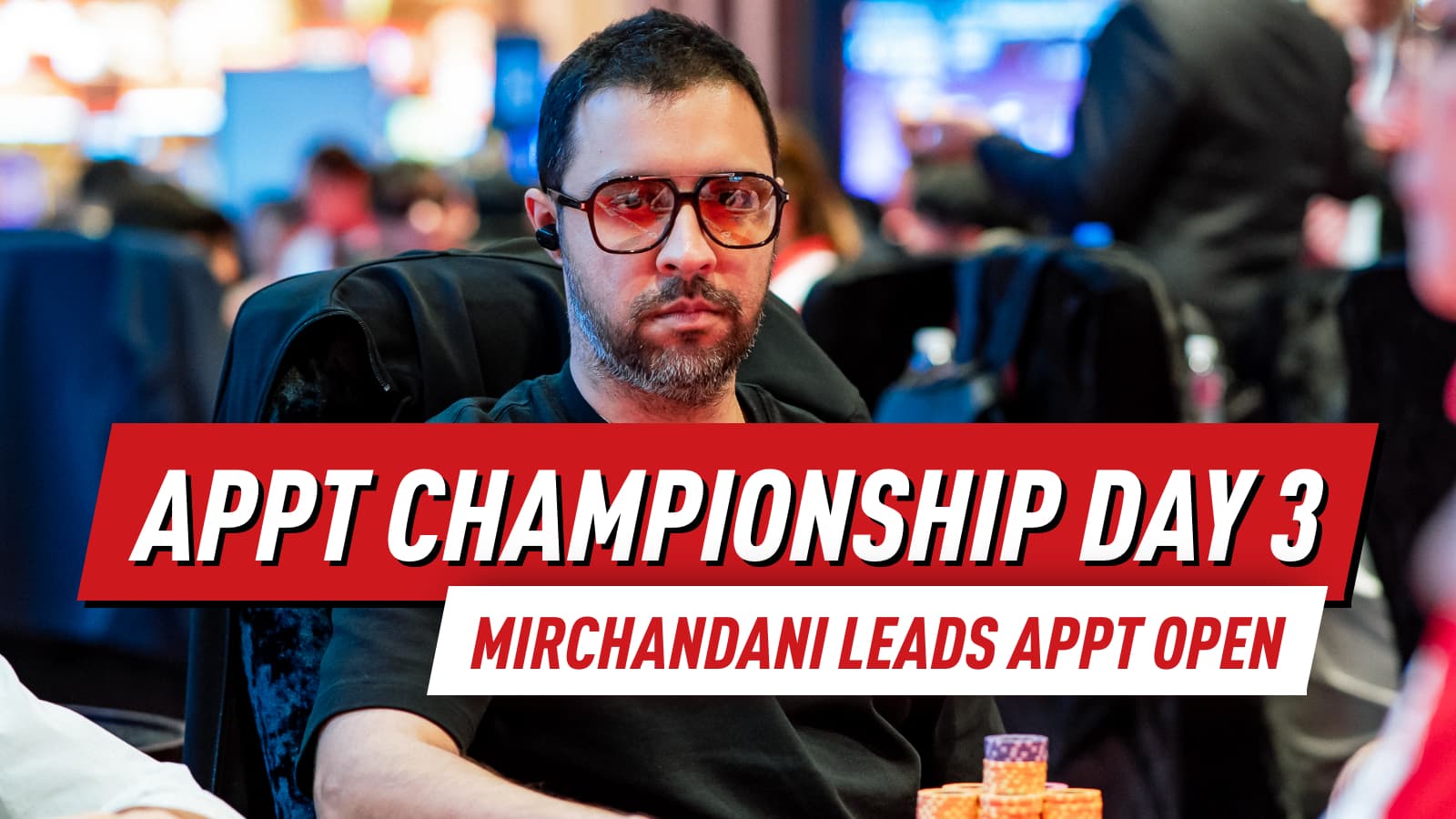
Sandeep Mirchandani Leads APPT Open Into Day 2 at APPT Championship Manila 2026
APPT Championship Manila 2026 Day 3 recap: 61 survivors from 403 APPT Open entries, Sandeep Mirchandani leads, plus five more side event winners.