

The Stories That Defined the First APT Championship


The APT Championship returns to Taipei from November 13-29, 2026, with over 200 events, 23 Championship titles and more than TWD 256 million (~USD 8.1 million) in guaranteed prize pools. The names that will define the second edition are still unknown, but if last year taught us anything, the biggest story of the festival could come from almost anywhere.
When the Asian Poker Tour launched the first APT Championship in Taipei last November, there was no previous edition to measure it against. APT was attempting something significantly bigger than a regular tour stop, building a 17-day season-ending festival around a USD 10,000 Main Event freezeout and asking players from across Asia and beyond to come to Taiwan for it.
By the time the final trophy had been awarded, the answer was emphatic. The inaugural APT Championship attracted 28,265 entries and awarded more than USD 34 million in prize money, officially becoming the largest poker festival ever held in Asia. The 20 Championship Events alone drew 10,561 entries and generated a huge USD 21.8 million in prize money.
At the centre of it all was the Main Event, where 671 entries created a USD 6.2 million prize pool and India's Nishant Sharma eventually walked away with a USD 1.2 million first-place prize. Those numbers alone showed the scale APTC had reached in its very first year.
Statistics secured APTC a place in the record books, but they are rarely what players remember most once the tables have been packed away. What gave the first Championship its identity were the stories that unfolded inside Red Space: a former dealer winning one of the largest tournaments APT had ever staged, a Taiwanese favourite claiming the biggest trophy of his career at home, a satellite generating more than half a million dollars in prizes, and one qualifier turning his route into the Main Event into a seven-figure victory.
Ruiko Mamiya Goes From Dealing Cards to Lifting a Lion Trophy
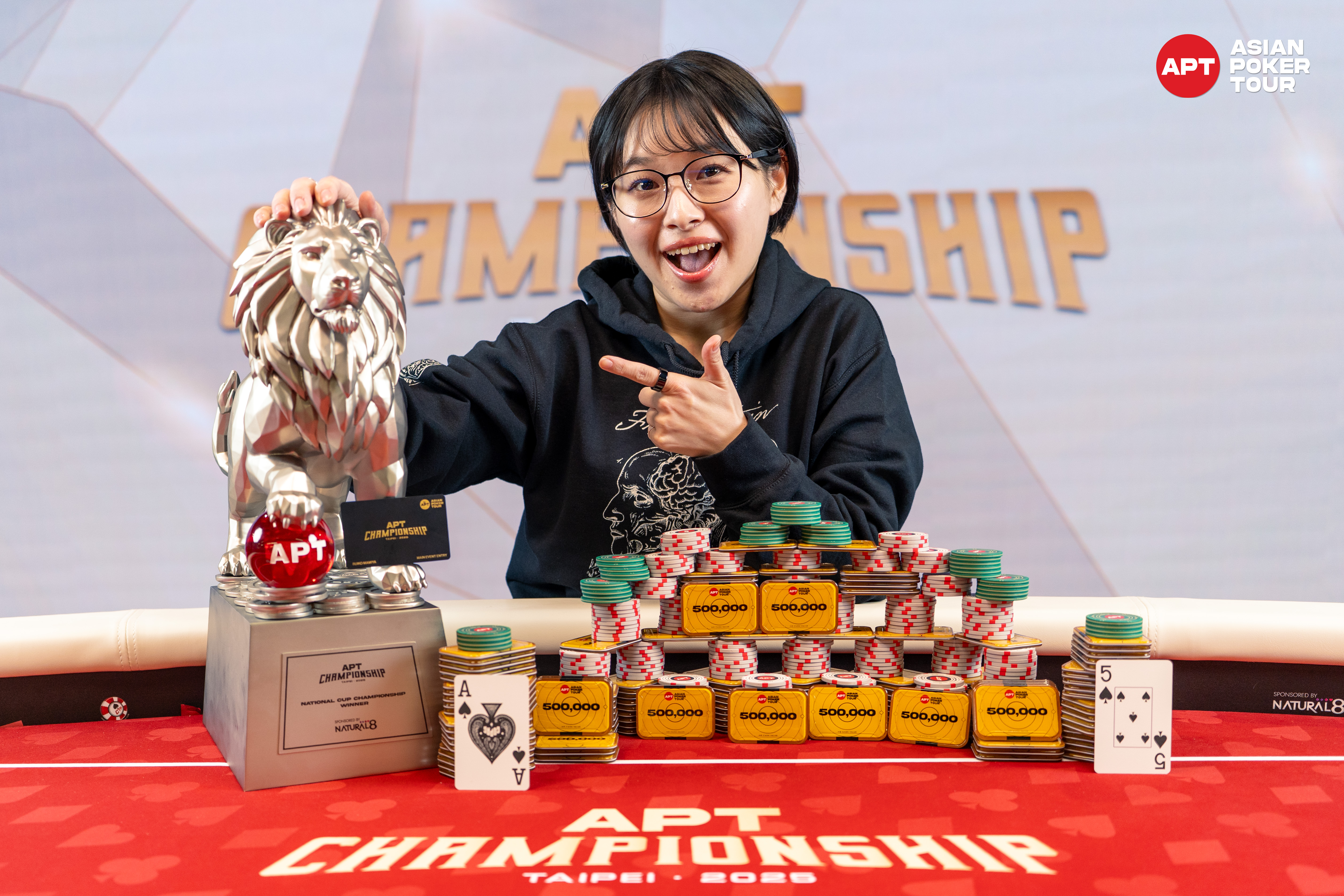
Japan's Ruiko Mamiya arrived at the first APT Championship with a poker background very different from many of the professionals sharing the room with her.
The former dealer had spent years around the game before developing her own playing career, and in Taipei she entered the TWD 15,000 National Cup Championship alongside thousands of others looking for one of the first major titles of the festival.
What followed became one of APTC's first great stories.
The National Cup attracted 2,398 entries, making it the largest non-Main Event field in APT history at the time and creating a prize pool worth close to USD 985,000. Mamiya's path through that enormous field was anything but comfortable, with her stack falling below ten big blinds during the final table before she fought her way back into contention.
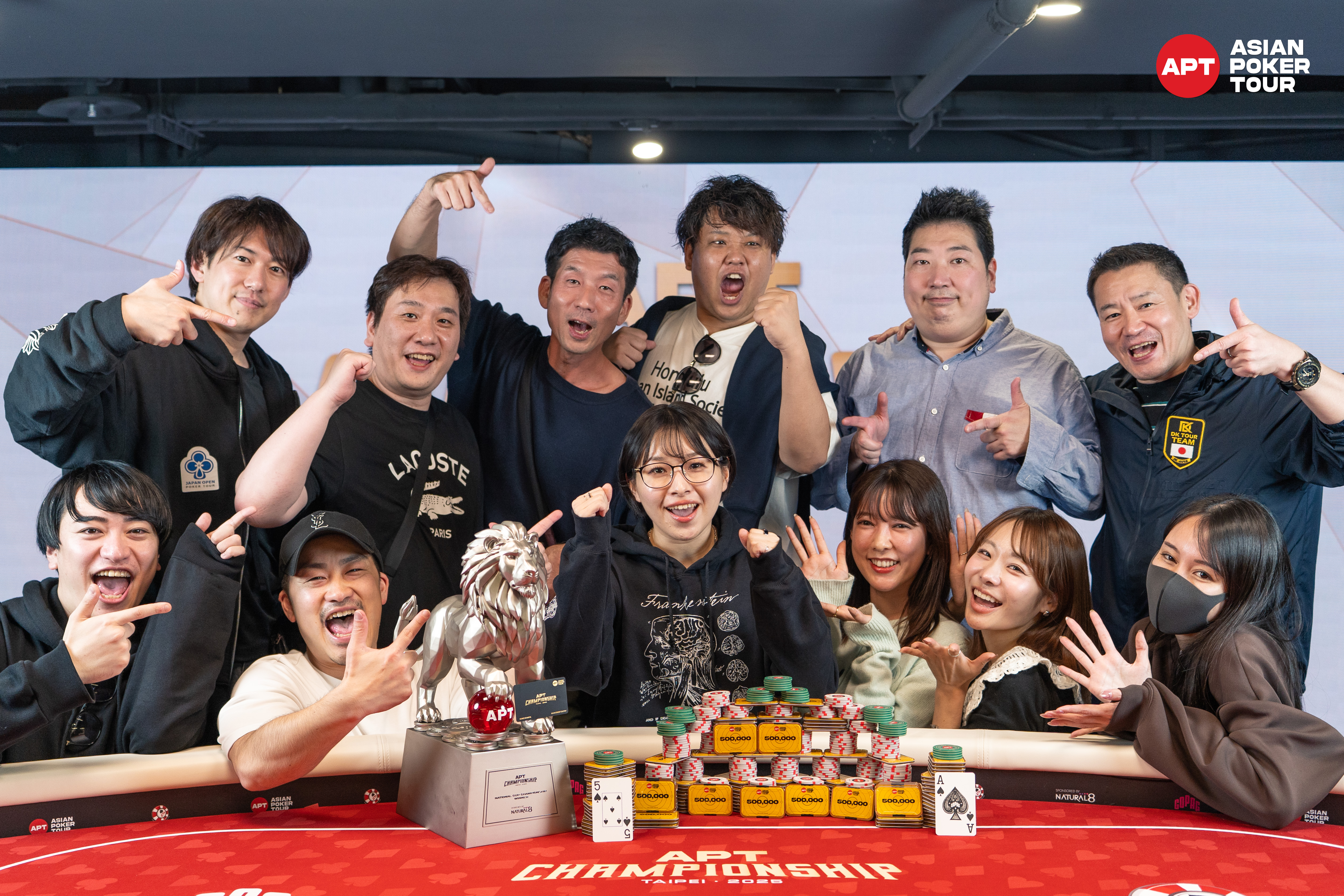
A three-way deal eventually left Mamiya battling Taiwan's Wei Chun Kuo for the trophy, and she completed the comeback to collect TWD 3,087,700 (~USD 101,900), an APT Championship Main Event seat and the Lion Trophy. More significantly, she became the first woman ever to win an APT National Cup Championship.
There was something fitting about one of APTC's earliest breakthrough stories belonging to someone who had once watched poker from the dealer's chair. By the end of the National Cup, Mamiya was the player everyone else was watching.
The National Cup returns to open APT Championship 2026 with a TWD 20 million guarantee, and another huge field is expected. Somewhere among those tables could be a player whose biggest tournament result has not happened yet.
Nevan Chang Gives Taipei a Home-Grown Championship Moment
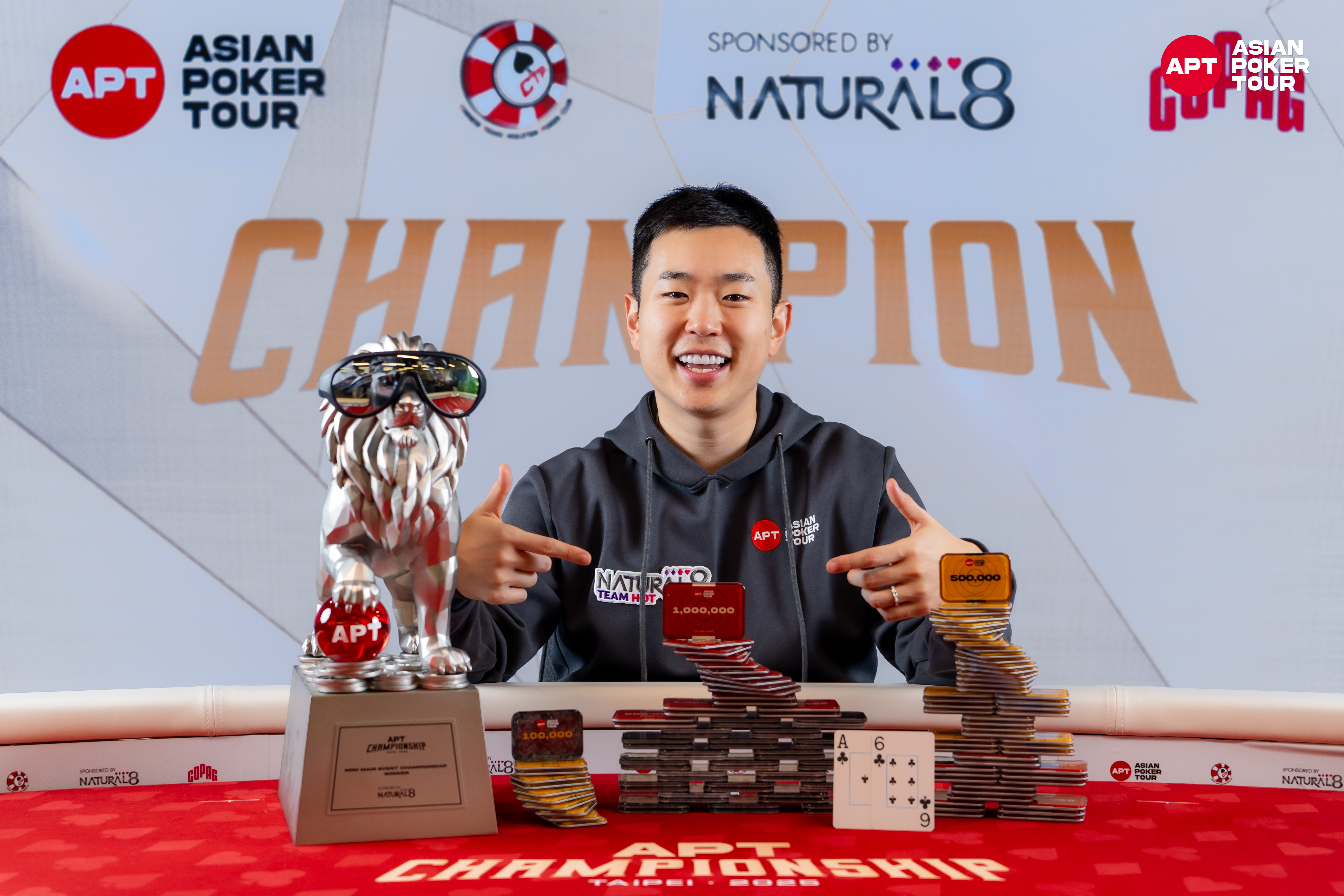
While Mamiya emerged as a new Championship winner, another of the festival's memorable victories belonged to someone already very familiar to the APT crowd.
Taiwan's Nevan Chang entered the Mini Main Event Championship with an already impressive APT resume, but even that still had room for something new.
The TWD 35,000 Mini Main attracted 1,603 entries and generated a TWD 48,474,720 (~USD 1.55 million) prize pool, making it one of the largest tournaments of the festival. Chang navigated his way through the field before defeating Malaysia's Joel Singam heads-up for TWD 7,085,620 (~USD 227,100).

The victory added another major APT title to Chang's trophy cabinet and produced the largest live tournament cash of his career at the time, while Chang described the Lion Trophy afterwards as his "biggest trophy." His partner Hua Wei Lin had also made a deep run in the same event, eventually finishing 11th, adding another layer to a memorable week for one of Taiwan's best-known poker couples.
For a Championship designed to bring players from across the world to Taipei, there was also something special about one of its biggest trophies staying at home.
Taiwan's players will have another opportunity this November, but so will everyone flying in hoping to leave Red Space with a story of their own.
When a Satellite Became a Headline Event
Not every unforgettable moment from the first APT Championship ended with a trophy.
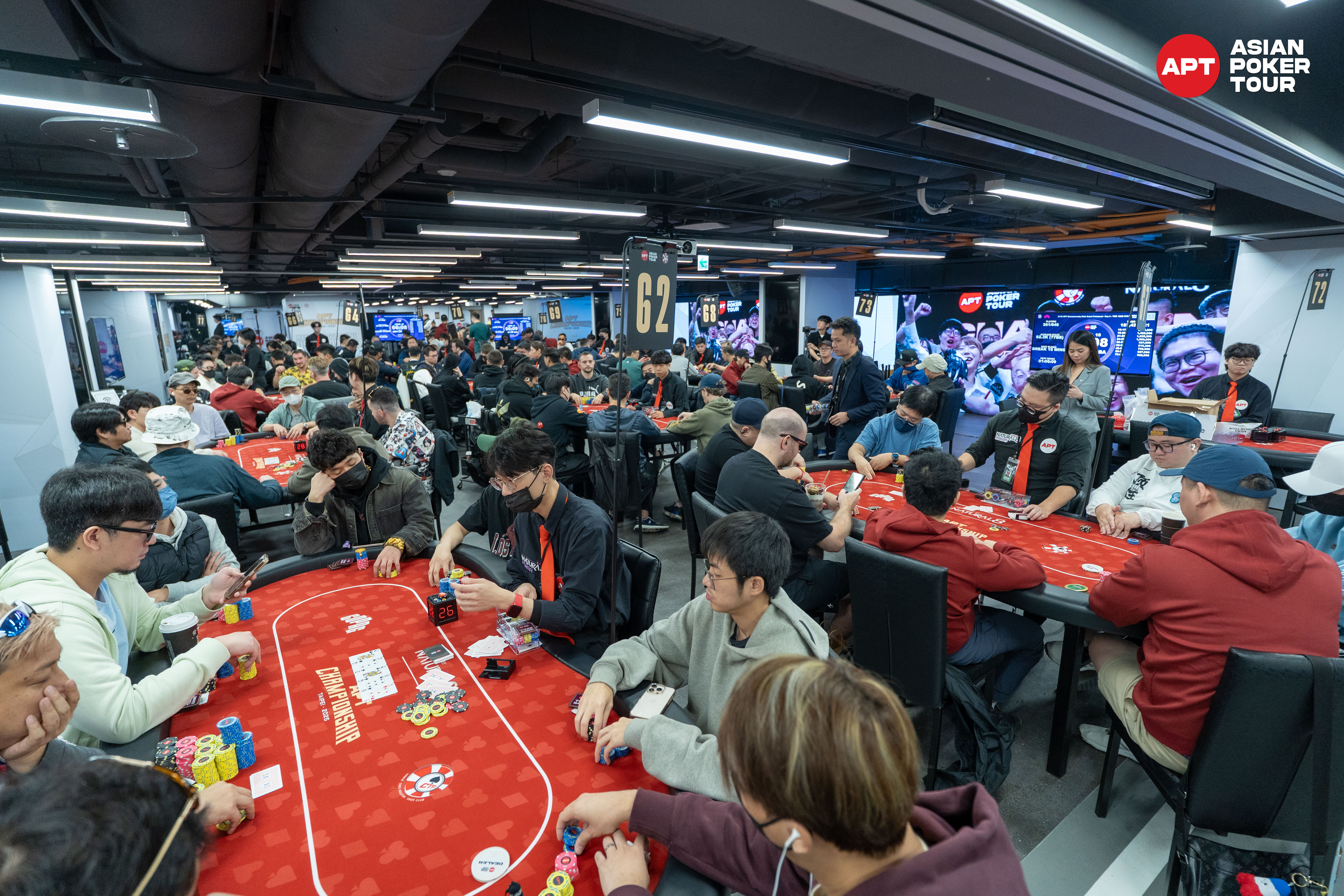
One day before the Main Event began, the TWD 53,000 Step 2 Mega Satellite was supposed to perform a relatively simple job: send players into the USD 10,000 Championship.
Instead, it became one of the biggest stories of the festival.
A remarkable 399 entries created a TWD 18,271,008 (~USD 585,610) prize pool, enough to award 58 seats into the Main Event, with one additional player receiving the remaining cash. The tournament became the richest satellite ever held in Asia while setting new APT records for both satellite field size and prize pool.
The scale becomes even more striking when placed alongside APT history. This single satellite generated more prize money than the Main Events at APT Philippines 2022, APT Da Nang 2022 and APT Phu Quoc 2023, while falling only narrowly short of the prize pool produced by APT Hanoi 2023.
A qualifier had suddenly reached numbers that only a few years earlier would have represented an entire APT Main Event.
Red Space was packed with players trying to turn TWD 53,000 into a USD 10,000 Championship seat, and the turnout offered an early clue that something much larger was developing. The scale of the satellite showed just how many players were prepared to take their shot at the biggest tournament APT had ever staged.
The opportunity returns this year.
On November 22, APT will once again run a Step 2 Mega Satellite to the Championship Main Event, with the USD 1,700 qualifier guaranteeing at least 25 seats into the USD 10,000 freezeout.
Last year, 58 players walked out of that tournament holding a USD 10,000 seat.
For most, reaching the Championship was already a considerable result. For one satellite qualifier, however, winning his way into the Main Event would prove to be only the beginning.
Nishant Sharma Turns a Satellite Into More Than USD 1 Million

If any story captured what the first APT Championship could offer, Nishant Sharma's journey did it almost perfectly.
The Indian professional did not begin his Main Event run by paying the full USD 10,000 buy-in. Sharma won his seat through a Step 2 satellite costing roughly USD 1,700 before taking his place in a true freezeout where every player had a single entry and one opportunity to survive.
The tournament went on to attract 671 entries and generate a TWD 194,080,973 (~USD 6.2 million) prize pool. It became the biggest and richest USD 10,000 buy-in tournament held outside Las Vegas in the previous decade, the largest of its kind ever staged in Asia and the richest tournament in APT history.
Erik Seidel, one of the most decorated players in poker history, was among those impressed by what APT had created, describing the freezeout as "kind of the Asian Main Event."
Sharma did much more than simply earn his seat. He reached the final table as the runaway chip leader before eventually defeating the Philippines' John Costiniano heads-up to become the first APT Championship Main Event winner.
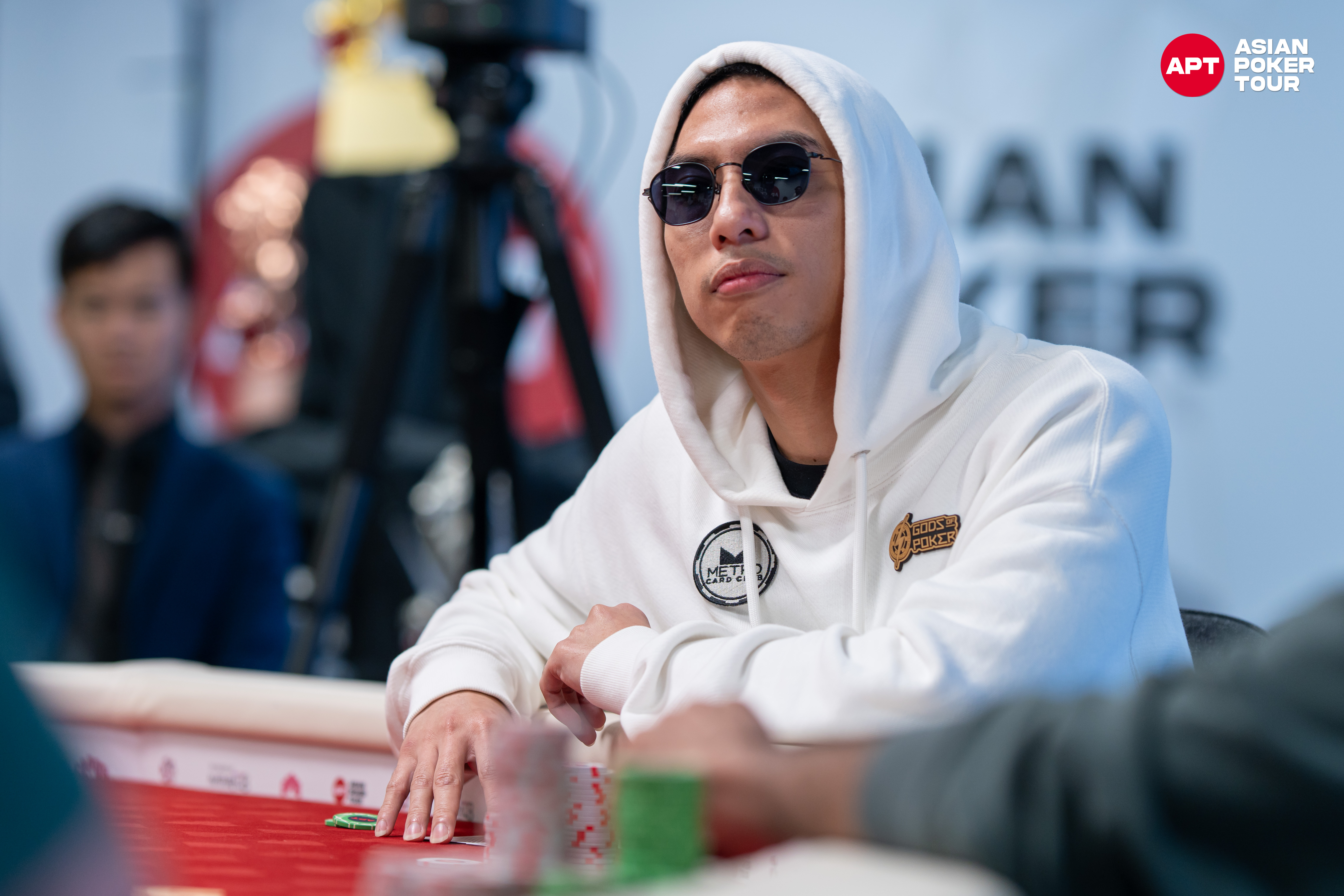
The victory earned Sharma TWD 37,030,773, worth around USD 1.2 million, along with the 24K Gold Lion Trophy and the largest Main Event first prize APT had ever awarded. The result also made Sharma only the third Indian player in poker history to win more than USD 1 million from a single tournament.
For anyone considering trying to qualify for this year's USD 10,000 Championship, there is probably no better illustration of where that route can lead. Sharma began with a satellite costing a fraction of the Main Event buy-in and finished the festival holding the biggest trophy APT had ever created.
The USD 5 million guaranteed Championship Main Event returns from November 23-27, once again as a freezeout. Some players will arrive accustomed to the biggest tournaments in the world, others will have qualified through satellites, and some will be playing a USD 10,000 event for the first time. Once they sit down, every player gets the same single opportunity to make it count.
APTC Brings the Poker World to Taipei

The first APT Championship was not defined solely by its breakthrough winners. It also showed how far the reach of APT's new flagship festival had grown.
Players representing 55 nations competed across the Championship, while the winners of the 20 Championship Events represented 15 different countries. The Main Event alone featured players from 47 countries and regions, giving the festival a genuinely international field rather than simply a large regional turnout.
That strength was particularly obvious in the Super High Roller Championship, where 81 entries created a TWD 59,519,521 (~USD 1.91 million) prize pool. At the time, it was the richest non-Main Event tournament in APT history and extended the tour record for its largest USD 25,000 buy-in field.
Roman Hrabec eventually completed a dominant run to the title, defeating Alex Wice heads-up for TWD 13,398,721 (~USD 429,450), along with a USD 10,000 APT Championship Main Event seat.

There were milestones elsewhere as well. France's Rosalie Petit won the Women's Championship after 119 entries made it the largest USD 1,000 women's tournament ever held in Asia, while the result also produced the biggest live tournament cash of her career.
The combination was important. Some of the world's most accomplished professionals were competing for Championship titles, but the biggest stories were not reserved for them. A former dealer, a Taiwanese favourite, a satellite qualifier and established international stars all found their own places in the first APTC.
By the end of the festival, the Championship had delivered far more than large guarantees and record fields. It had shown that a festival of this size could create completely different routes to a memorable result, whether someone arrived as an established high roller, a local regular, a satellite qualifier or simply a player hoping this would be their week.
What Will the Big Story Be in 2026?

That question now becomes one of the most appealing reasons to return.
APT Championship 2026 will bring another 17 days of tournament poker to Red Space from November 13-29, with over 200 events spanning a huge range of formats and buy-ins. There are 23 Championship Events this time, up from 20 in the inaugural edition, with more than TWD 256 million (~USD 8.1 million) in guaranteed prize pools.
The USD 10,000 Main Event and its USD 5 million guarantee remain at the centre of the festival, but last year showed that the story of APTC can begin almost anywhere.
It can start with a former dealer finding herself at the top of one of the largest fields APT has ever assembled. It can come from a home favourite producing the biggest score of his career in Taipei, or from hundreds of players turning what was supposed to be a satellite into a record-breaking event in its own right.
It can even begin with a USD 1,700 qualifier and finish with more than USD 1 million.
Nobody arriving in Taipei this November knows which player, tournament or moment will become the story people are still discussing when the festival ends. That uncertainty is exactly what makes the second APT Championship so intriguing.
Last year those stories belonged to Mamiya, Chang, Sharma and the hundreds of players who helped turn a first-time festival into the largest ever held in Asia. This November, there will be a new set of names, and one of them could be yours.
All images courtesy of the Asian Poker Tour.
About the Editor

Kai Cocklin is Head of Live Poker at Somuchpoker, overseeing live tournament coverage, reporting teams and festival partnerships across the Asia Pacific region and beyond. Before joining Somuchpoker he worked with PokerNews at major festivals including the World Series of Poker and the European Poker Tour, where he managed live reporting teams and helped develop new writers.
Related News
 Live PokerRecap
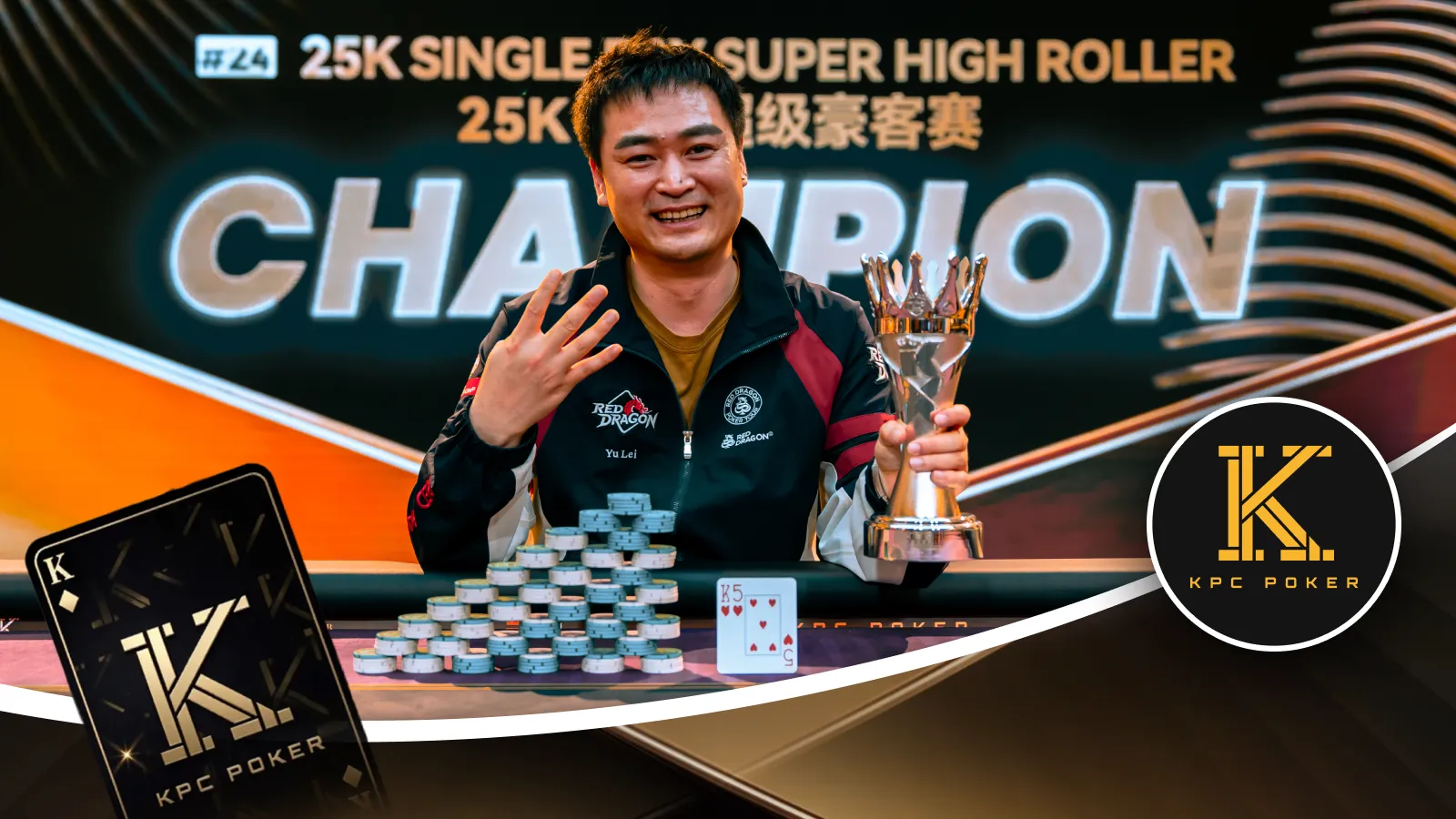
Lei Yu Wins KPC $25,000 Super High Roller for $316,100
Lei Yu beats Punnat Punsri heads-up to win the USD 25,000 Super High Roller for USD 316,100, as Aleksandras Rusinovas leads the 5M High Roller final table.
 Live PokerRecap
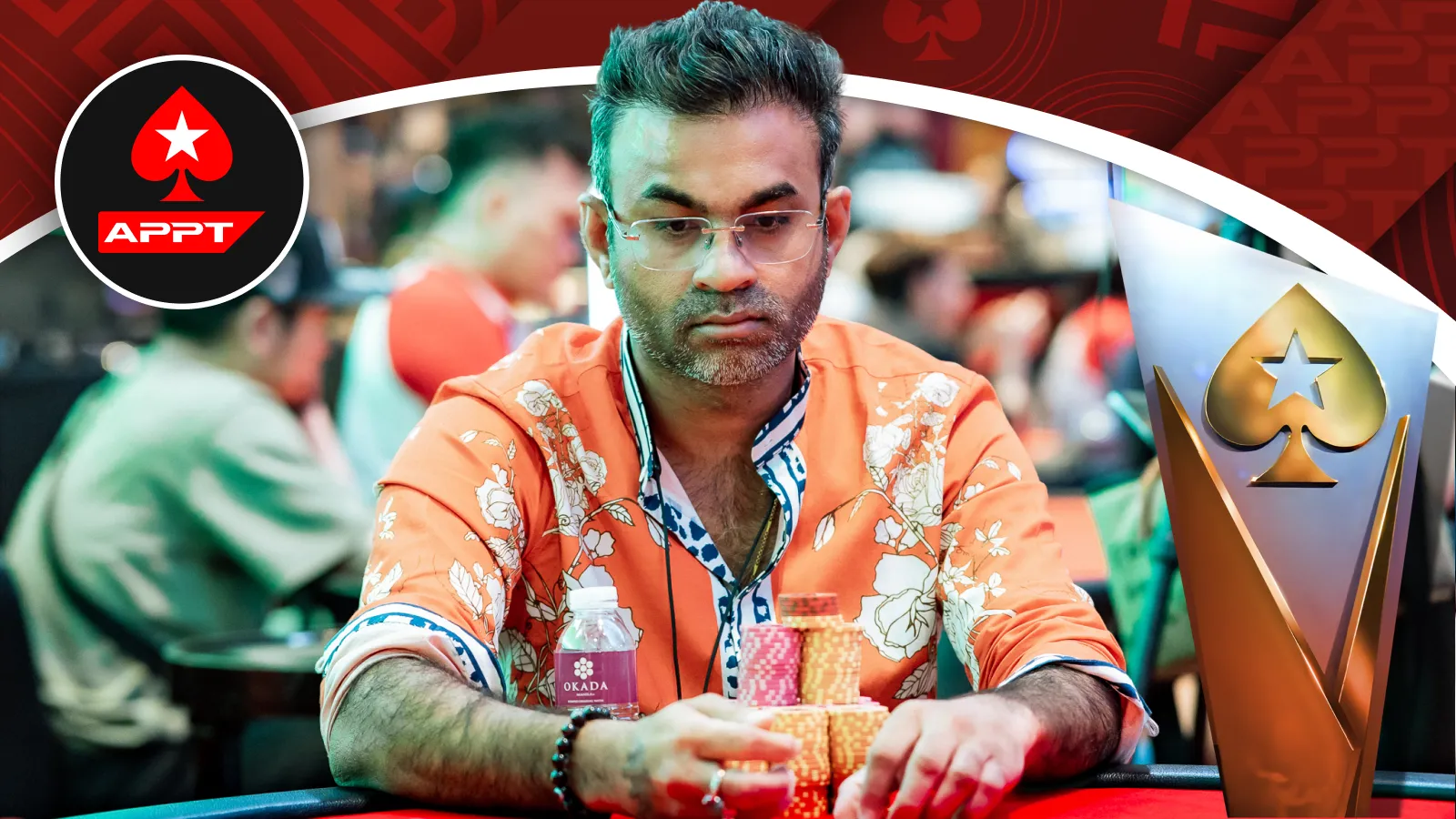
APPT Championship Manila 2026 Day 6: Sameer Shivhare Leads PokerStars Red Dragon; Masayoshi Arii Wins SHR Warm Up
Sameer Shivhare leads 78 players into PokerStars Red Dragon Day 2 after 518 entries, while Masayoshi Arii wins the SHR Warm Up at APPT Championship Manila 2026.
 Live PokerRecap
Day 6 of Poker Dream 26 Malaysia: Coco Zeng Plays Her Cards Right for Another Trophy
Coco Zeng wins Magic Poker for her fifth Poker Dream trophy as John Henry Curliss takes the Mystery Big Bounty at Poker Dream 26 Malaysia Day 6.
 Live PokerRecap
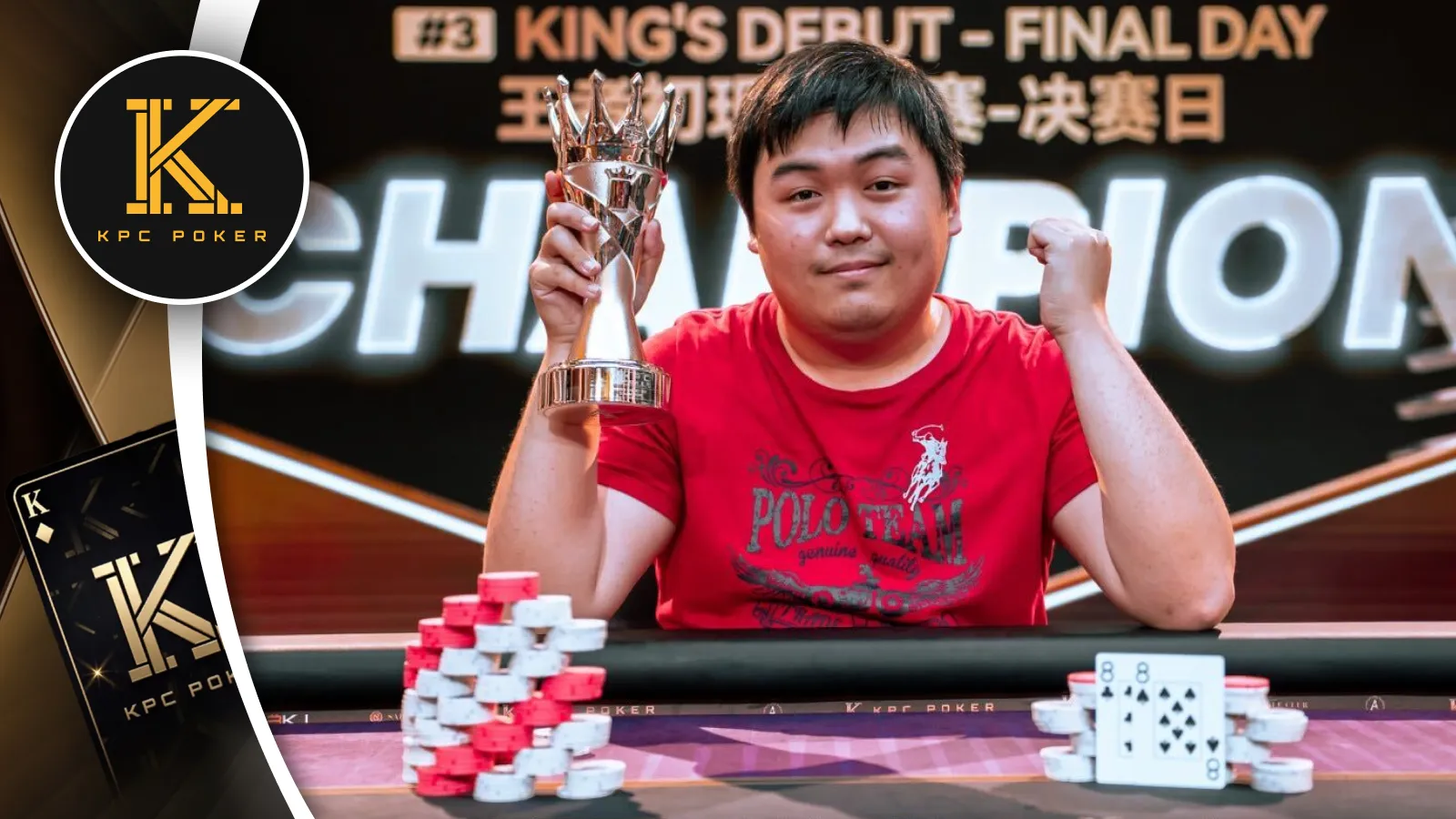
Yan Wen Yee Wins KPC King's Debut for USD 247,600 After Heads-Up Comeback
Yan Wen Yee comes back against Michel Molenaar to win the King's Debut for USD 247,600, while Weiyong Zeng leads the 5M High Roller at KPC Jeju.
 Live PokerRecap
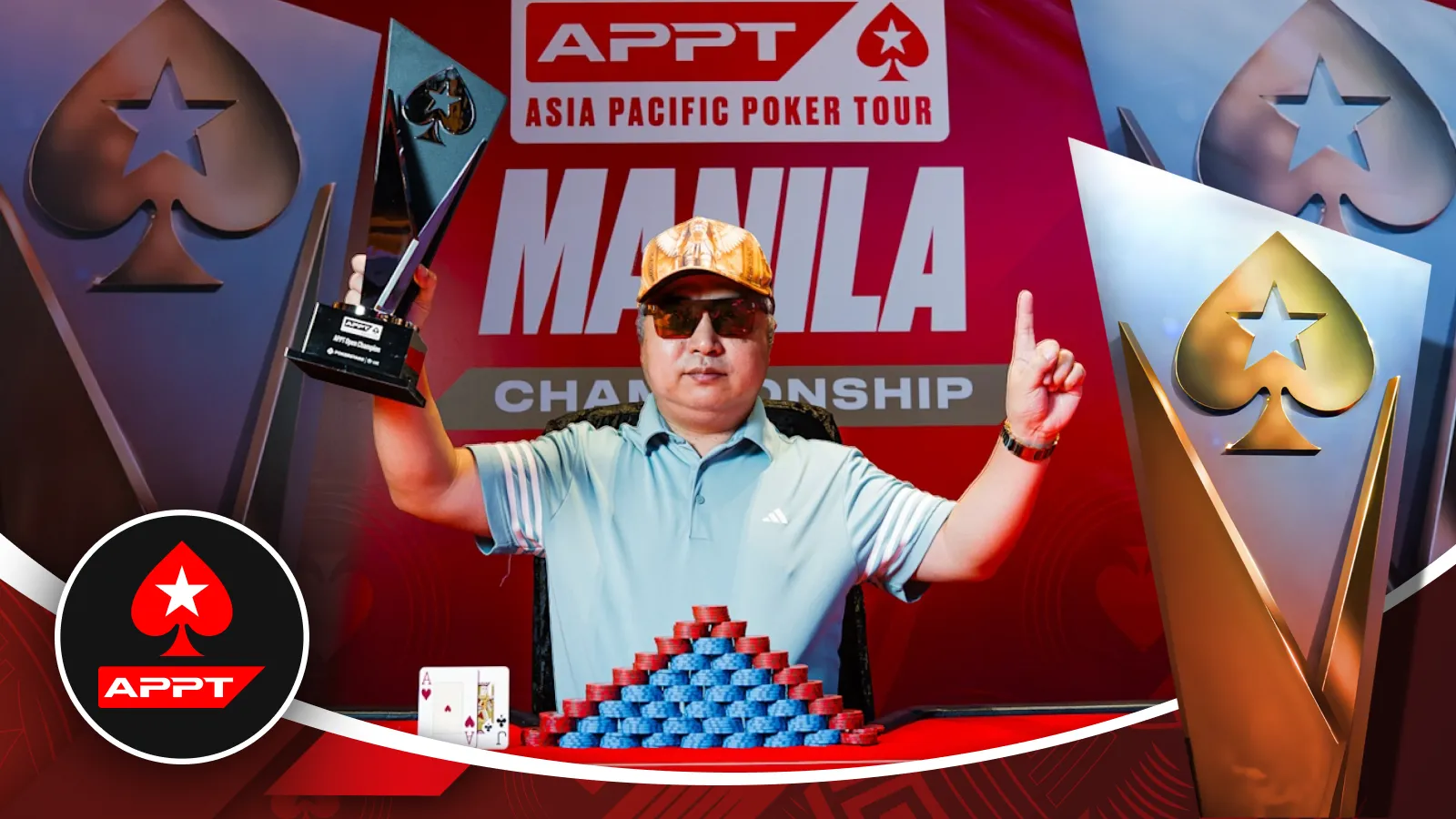
APPT Championship Manila 2026 Day 5: Zhiqiang Liu Wins APPT Open; Edgar Asehan Takes APPT National Title
Zhiqiang Liu wins the APPT Open for ₱3,917,520 as Edgar Asehan takes the APPT National at APPT Championship Manila 2026.
 Live PokerRecap
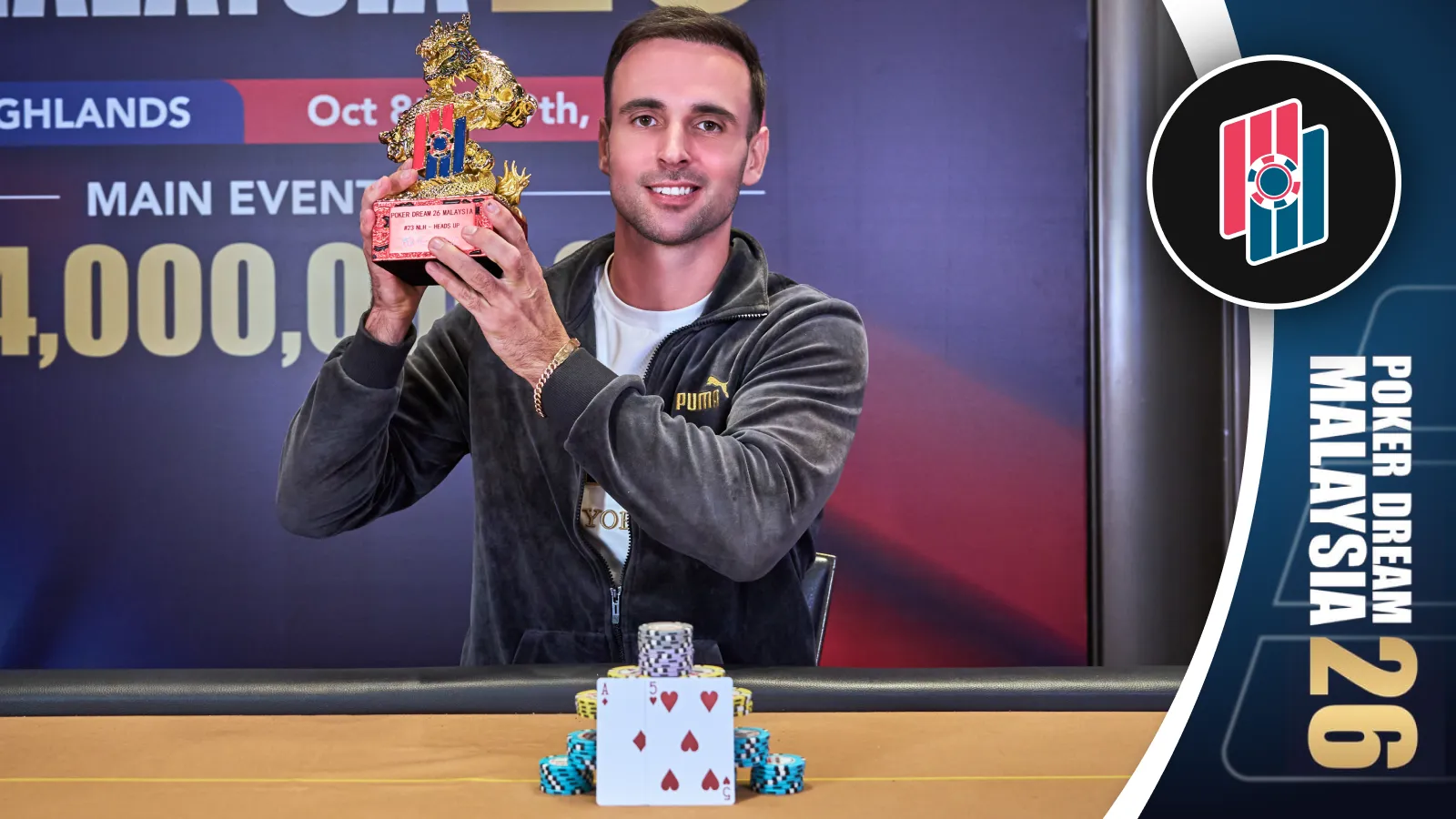
First Time at Poker Dream, First Event, First Trophy for Romans Lihacovs
Romans Lihacovs wins his first Poker Dream trophy in his debut event, Coco Zeng claims her fourth title, and the Mystery Big Bounty draws 683 entries to nearly quadruple its guarantee at Poker Dream 26 Malaysia.