

TAG (Tight aggressive)

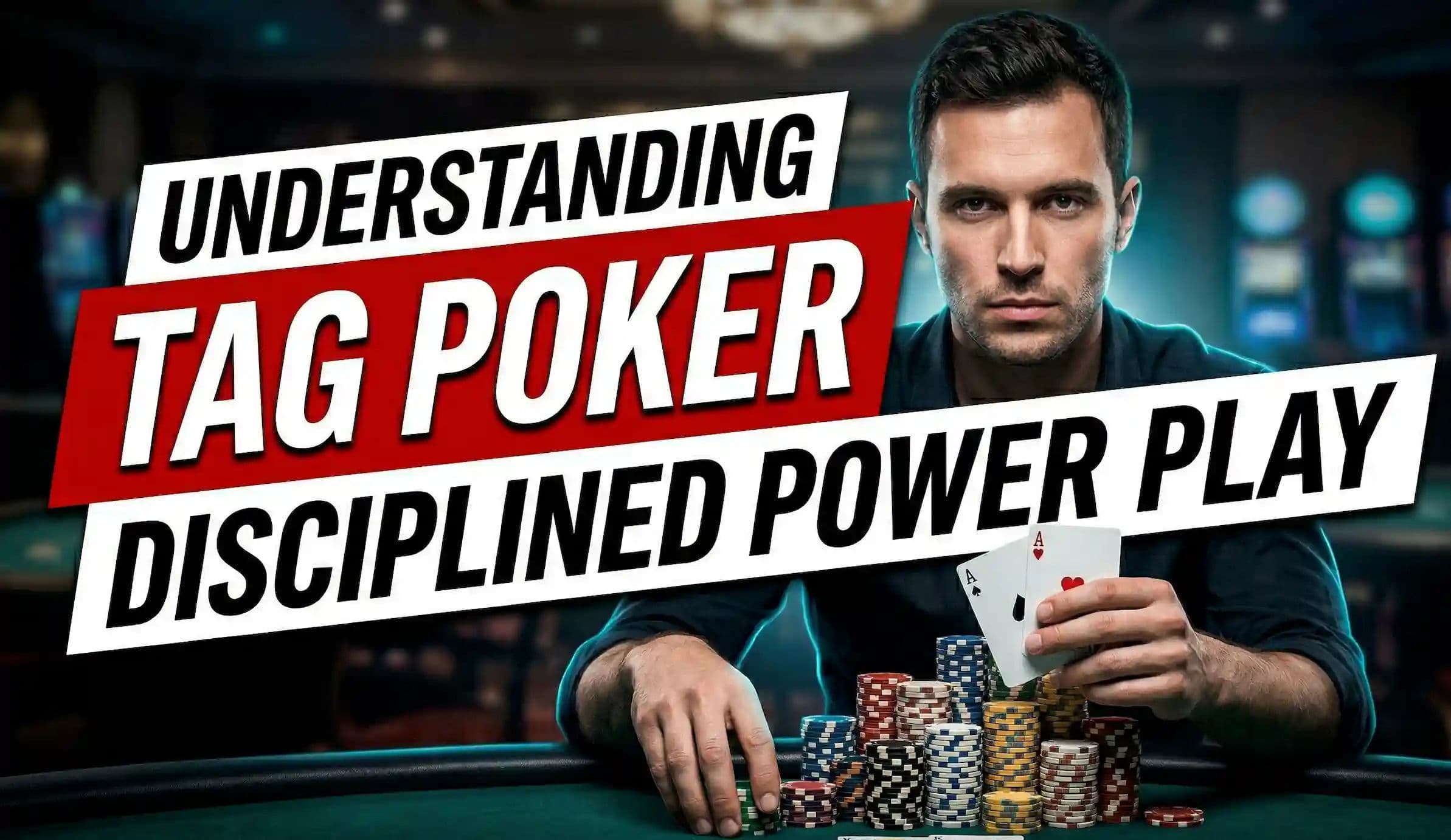
The TAG (Tight Aggressive) poker style is a disciplined and powerful approach that combines selective hand selection with forceful betting. Players using this strategy participate in very few hands but play them with conviction, primarily through betting and raising. This creates a formidable table image and is widely considered one of the most consistently profitable strategies in poker, especially for new and intermediate players seeking a solid foundation.
Understanding the TAG Poker Style
In the world of poker, understanding different playing styles is crucial. One of the most effective and respected is the TAG poker style, which stands for Tight-Aggressive. This approach is not about complex bluffs or wild plays; it's about discipline, patience, and applying maximum pressure when you have an advantage. A TAG player embodies two core principles: playing a narrow range of strong starting hands and playing those hands forcefully.
The 'Tight' Component: Selective Hand Selection
The foundation of the TAG strategy is being 'tight,' which refers to being highly selective about the hands you choose to play pre-flop. Instead of getting involved with marginal hands like an unsuited K-8 or a small connector like 6-7 from early position, a TAG player waits for premium holdings. This includes:
High Pocket Pairs: AA, KK, QQ, JJ, TT
High-Value Broadway Cards: AK, AQ, AJ, KQ
Suited Connectors (in position): Hands like 9-8s or T-9s
By playing fewer hands, you ensure that, on average, your hand is stronger than your opponents' ranges. This simplifies post-flop decisions and naturally puts you in more profitable situations. Position is also critical for a TAG player; they will play a slightly wider range of hands from late position (like the button), where they have an informational advantage.
The 'Aggressive' Component: Applying Maximum Pressure
Once a TAG player decides to play a hand, they do so aggressively. This means favoring betting and raising over checking and calling. This aggression serves several purposes:
Builds the Pot: When you have a strong hand, you want the pot to be as large as possible. Aggressive betting accomplishes this.
Gains Information: When you bet and an opponent calls or raises, you learn more about the strength of their hand.
Creates Fold Equity: Aggression puts your opponents to tough decisions. Sometimes they will fold a better hand or a drawing hand, giving you the pot without a showdown. This is known as fold equity.
A common saying in poker is, 'If a hand is worth calling, it's worth raising.' This is the mantra of the TAG player. They seize control of the action and dictate the pace of the hand.
TAG vs. Other Playing Styles
To fully grasp the TAG approach, it's helpful to compare it to other common playing styles. This highlights its unique balance of caution and force.
Style | Hand Range | Aggression Level | Key Characteristic |
|---|---|---|---|
Tight-Aggressive (TAG) | Narrow / Selective | High | Plays few hands, but plays them hard. |
Loose-Aggressive (LAG) | Wide | High | Plays many hands aggressively, creating a chaotic and unpredictable image. |
Tight-Passive (Rock) | Very Narrow | Low | Waits for monster hands and rarely bets or raises without the nuts. |
Loose-Passive (Calling Station) | Wide | Low | Plays many hands but rarely bets or raises, preferring to call and see flops. |
How to Beat a TAG Player
While the TAG strategy is formidable, it's not unbeatable. Because they are predictable in their tightness, you can exploit them. Key counters include:
Stealing Blinds: TAGs fold often from the blinds. Raise frequently from the button and cutoff when it folds to you.
3-Betting In Position: Since their opening range is strong but narrow, a 3-bet (re-raise) can put them in a difficult spot with the medium-strength portion of their range.
Floating the Flop: Call their continuation bet on the flop with the intention of betting and taking the pot away if they show weakness (check) on the turn.
Playing against a TAG player requires observation and courage. You must be willing to apply pressure back at them in the right moments to disrupt their straightforward game plan.
Mastering the TAG style is widely considered the absolute best starting point for any serious poker player. It builds a solid foundation of discipline and positional awareness, protecting your bankroll from unnecessary losses while you learn complex post-flop dynamics. Once you perfect this baseline strategy, you can slowly start opening up your ranges to exploit specific opponents.
If you are ready to put your tight-aggressive strategy into practice, exploring our rigorously tested list of recommended online poker rooms will help you find the most active tables, secure excellent welcome bonuses, and potentially play against much weaker competition to maximize your win rate.
| Pros | Cons |
|---|---|
When you play very few hands and raise frequently, your opponents give your bets more respect. This makes your bluffs more credible and helps you get paid off when you have a strong hand. | Observant opponents (especially LAGs) can recognize your tight patterns. They can exploit you by stealing your blinds and folding to your aggression unless they have a premium hand themselves. |
By playing only strong starting hands, you avoid many difficult and marginal post-flop situations. This reduces complexity and is ideal for players building their skills. | A strict TAG approach might mean folding hands in late position that could have been profitable. This can lead to missing out on value against less-observant tables. |
The TAG style is excellent at punishing loose-passive players ('calling stations') who play too many weak hands and pay off bets without the right odds. | Because your strong starting hands are often obvious (like raising pre-flop and betting every street), you may not get as much action when you hit a monster, as opponents can easily deduce your hand strength. |
Related Poker Terms
Best Online Poker Bonus Codes


About the Editor

Bence Mitykó is a Somuchpoker poker writer, covering poker news and strategy. He spent four years playing poker professionally, primarily focusing on Heads-Up Sit & Go games, experience that continues to shape his understanding of poker strategy, online poker dynamics, and the wider poker industry.


