Ribbon Clerk

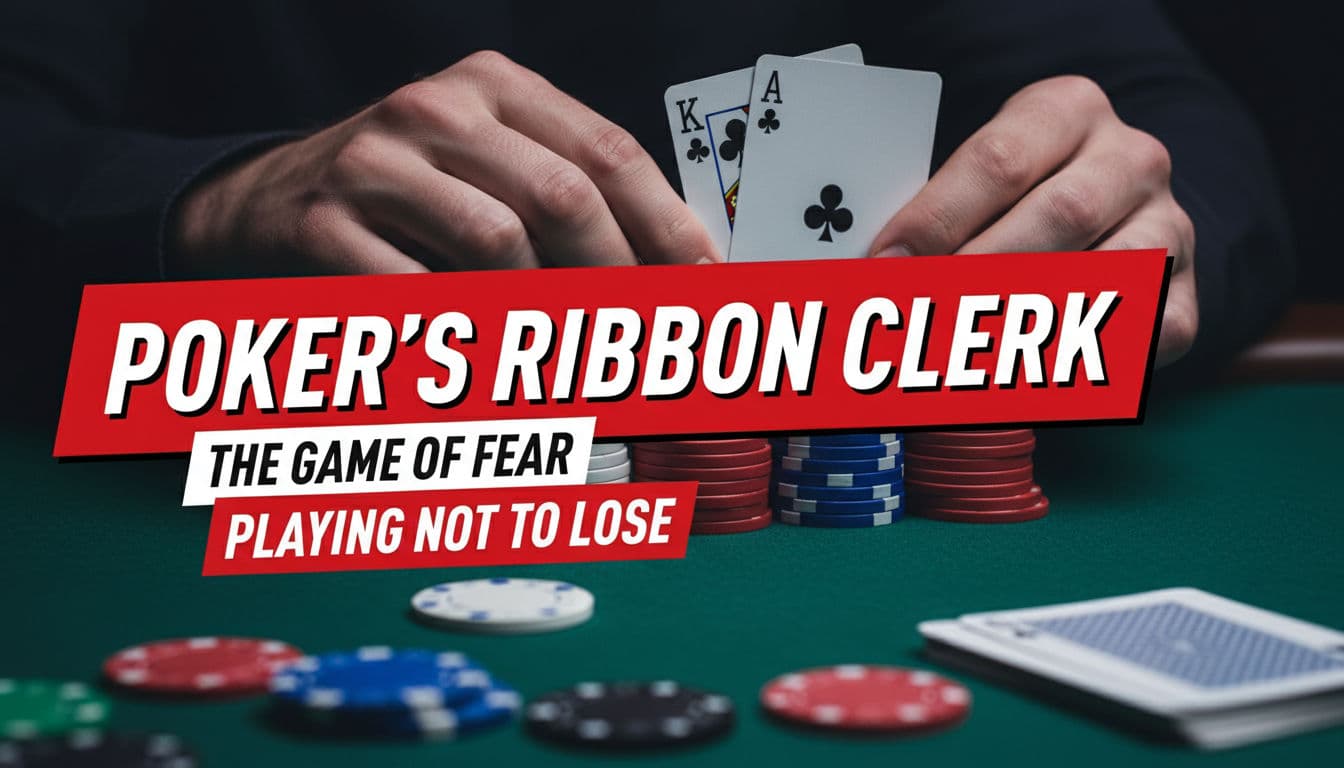
The poker table is a microcosm of personalities, each player bringing a unique blend of skill, temperament, and strategic inclination. While familiar archetypes like the "tight-aggressive" (TAG) or "loose-passive" are well-documented, some player types lurk in the less-trodden corners of poker theory, often misidentified or simply overlooked. One such enigmatic figure is the "Ribbon Clerk". Far from being a traditional poker term, the Ribbon Clerk represents a specific, often perplexing, manifestation of overly cautious and predictable play that can significantly impact table dynamics if not properly understood and countered. This comprehensive guide delves into the essence of the Ribbon Clerk, offering an analytical perspective on their traits, the psychological drivers behind their actions, and crucial strategies for exploiting their unique approach to the game.
Understanding the Enigma: Who is the Ribbon Clerk?
In the vast lexicon of poker, the term "ribbon clerk poker" isn't found in standard glossaries. It's a conceptual archetype, coined to describe a player whose approach to the game is characterized by an excessive adherence to minimal risk and a meticulous, almost bureaucratic, processing of their hands. Imagine a player who handles their chips with an almost ritualistic precision, consistently making the smallest possible bets or raises, and frequently folding to any significant aggression. They are not necessarily passive in the conventional sense of calling too much; rather, they are passively meticulous, avoiding confrontation and large pots at all costs. Their play often feels constrained, as if they are merely ticking boxes rather than actively playing poker.
This cautious mindset is a simple example of poker psychology, where the player is more afraid of losing than they are focused on winning. In the world of online poker , experienced players easily spot this behavior and use aggressive bets to force these 'clerk' types to fold their hands.
Hallmarks of the Ribbon Clerk's Playstyle
Identifying a Ribbon Clerk requires keen observation beyond basic VPIP/PFR statistics, though these will certainly be low. Among the different poker player types, here are key indicators:
Minimal Bet Sizing: They rarely deviate from the smallest allowable bets or raises, even with strong hands. This is not for deception, but out of a general aversion to committing significant chips.
Frequent Small Folds: Often fold to even moderate pre-flop or post-flop aggression, especially if it requires a substantial portion of their stack. They prioritize "saving" chips over chasing potential value.
Lack of Creativity: Their lines make them highly predictable poker players. They will bet when they have a strong hand (but small), check/fold when they have nothing, and occasionally call small bets with draws or marginal hands. Bluffing is almost non-existent.
Overly Protective of Small Stacks: They treat even a minor lead or stack advantage with extreme caution, often playing to maintain rather than grow it.
Reluctance for Showdowns: They prefer to win small pots uncontested or fold rather than risk a large showdown, even when holding decent equity.
The Psychology Behind the Cautious Approach
What drives a player to adopt such a restrictive style? The motivations are often multifaceted and deeply rooted in poker psychology:
Risk Aversion: A fundamental discomfort with variance and the potential for large losses. This player views poker less as a game of calculated risk and more as a game of preservation.
Misinterpretation of "Tight is Right": They may have absorbed the advice "play tight" but have taken it to an extreme, equating tightness with absolute safety, thereby stifling any opportunity for aggressive value extraction.
Fear of Making Mistakes: The anxiety of making an incorrect decision leading to a loss can be paralyzing, leading to highly defensive and uncreative play.
Lack of Confidence: An inherent self-doubt in their ability to read opponents or navigate complex post-flop situations pushes them towards simpler, lower-stakes decisions.
Limited Strategic Understanding: They might lack a deeper understanding of pot odds, implied odds, leverage, and the strategic benefits of aggression, leading them to fall back on basic, risk-minimal tactics.
Exploiting the Ribbon Clerk: Strategies for Success
While frustratingly predictable, the Ribbon Clerk is a goldmine for astute players. Here is a poker strategy guide on how to beat ribbon clerk archetypes by exploiting tight players effectively:
Aggressive Pre-flop Isolation: Open-raise or 3-bet them frequently to steal their blinds and small pots. Their high folding frequency makes them easy targets for chip accumulation without significant resistance.
Consistent C-Betting: Continue with continuation bets on the flop, especially on dry boards. They are prone to folding non-connecting hands, saving you the trouble of further streets.
Probe with Small Bets: On later streets, if they have shown weakness (checking to you), a small bet can often take down the pot. Be careful not to overcommit, but leverage their tendency to fold.
Value Bet Thin: When you have a hand of moderate strength, bet for value. They will often call with worse hands because their calling range is skewed towards minimal investment. Don't be afraid to bet a second or third street if they keep calling with weak indications.
Identify Bluff Spots (Rarely): Bluffing a Ribbon Clerk is often less profitable unless you are confident they have absolutely nothing and your bet size is small. They will usually fold to a reasonable bet if they are not strong, but they also won't call bluffs with marginal holdings. Focus more on value extraction.
Exploit Positional Advantage: Playing in position against a Ribbon Clerk allows you to control the pot size and gather more information before making decisions, further amplifying your edge.
Avoiding the Ribbon Clerk Poker Trap: Evolving Your Game
No player wants to be the easily exploitable Ribbon Clerk. If you recognize some of these traits in your own game, here is how to break free and master more advanced poker terms and concepts:
Embrace Calculated Risk: Understand that poker involves risk. Focus on making +EV (positive expected value) decisions, even if they sometimes lead to losses.
Study Aggression: Learn about different forms of aggression - light 3-betting, squeeze plays, double/triple barreling. Understand why and when these plays are effective.
Practice Bankroll Management: Proper bankroll management alleviates the pressure of individual losses, allowing you to play more freely and strategically without constant fear.
Review Your Play: Analyze your hand histories. Were there spots where you folded too quickly? Did you miss value? Did you play too predictably?
Expand Your Hand Ranges: Don't limit yourself to premium hands. Learn to play a wider range of hands from different positions, especially in later positions where you have an information advantage.
The Ribbon Clerk serves as a powerful reminder that while caution is a virtue in poker, excessive caution can transform an otherwise capable player into a predictable and easily exploitable opponent. By understanding this archetype, both as an observer and as a self-aware player, you can sharpen your strategic acumen and elevate your game to new heights, moving beyond mere procedural play to truly master the art of poker.
| Pros | Cons |
|---|---|
Playing as a Ribbon Clerk avoids large, costly mistakes and often allows for longer survival in tournaments or cash games due to extreme caution. | A significant drawback is consistently leaving money on the table by failing to extract maximum value from strong hands through insufficient betting or raising. |
By avoiding risky spots and major confrontations, the player experiences fewer intense emotional swings related to big pots, which can be appealing to some. | The Ribbon Clerk's highly structured and risk-averse play is easily read, allowing observant opponents to exploit them relentlessly and consistently. |
Their tight image often prevents them from effectively bluffing, as opponents correctly deduce that bets from a Ribbon Clerk almost always signify strength. | |
The player stunts their development by avoiding complex, high-EV situations, thus limiting their learning and adaptation capabilities in poker. | |
While avoiding large immediate losses, the consistent small folds and missed value accumulate into substantial long-term losses against skilled opponents. |