

Low Stakes

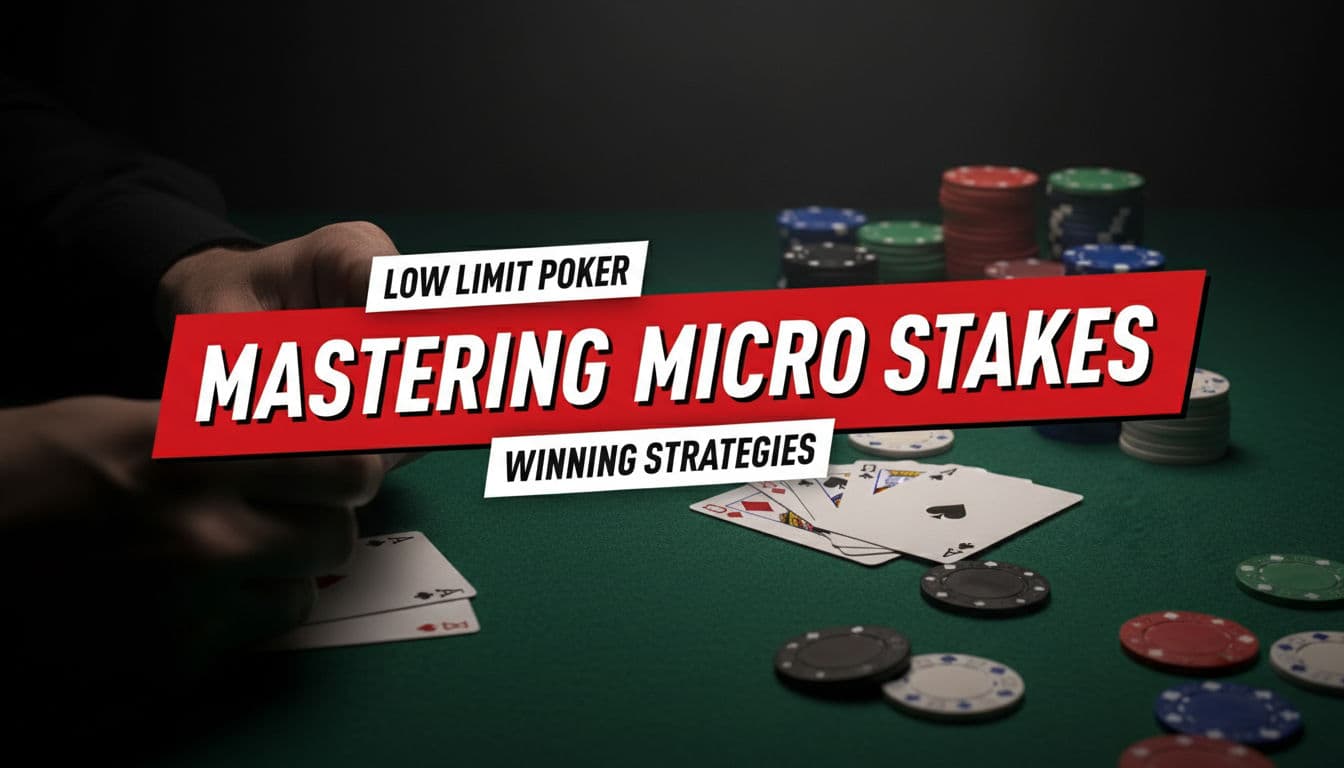
The allure of poker often brings to mind high-stakes tables and dramatic showdowns. However, for the vast majority of players, the journey begins, and often comfortably continues, in the realm of low-limit poker. This foundational format serves as a crucial training ground for newcomers, a sanctuary for those who prioritize enjoyment over exorbitant financial risk, and a consistent arena for refining one's strategic acumen without the daunting pressure of larger pots.
Understanding what constitutes 'low-limit' and, more importantly, how to navigate its unique ecosystem, is paramount for sustainable success in the game. Unlike its high-limit counterparts, these games are characterized by smaller buy-ins and modest betting structures, creating an environment rich with learning opportunities and a distinct set of player behaviors. This comprehensive guide will dissect the essence of low-limit poker, offering expert insights into its advantages, common pitfalls, and effective strategies to help you thrive.
What Defines Low Stakes Poker?
In the expansive universe of poker, the term "low limit" (often referred to as low stakes poker) designates games where the financial commitment involved is notably conservative. This distinction is primarily drawn in contrast to "high limit" games, which feature significantly larger blind structures and betting caps, consequently demanding a much greater financial commitment. Low-limit games typically encompass anything from micro stakes poker online (e.g., $0.01/$0.02 blinds) to small live casino games. Regardless of the specific poker game types you prefer (e.g., $1/$2 No-Limit Hold'em or Fixed-Limit $2/$4), the defining characteristic is accessibility; these games are designed to accommodate players with smaller bankrolls and those who wish to mitigate their financial exposure.
The Appeal: Who Benefits Most?
Beginners: As the ultimate training ground for beginners, low-stakes games offer a gentle introduction to the rules, flow, and fundamental strategies without the intimidating prospect of significant losses. It's an ideal setting to make inevitable learning mistakes cheaply.
Risk-Averse Players: Many players enjoy the strategic depth and competitive thrill of poker but are not comfortable with, or cannot afford, the financial swings inherent in higher stakes. Low-limit tables provide an enjoyable outlet to properly manage poker risk without jeopardizing substantial capital.
Strategy Refiners: Even experienced players utilize low-limit tables to experiment with new strategies, test different playing styles, or work through 'tilt' issues in a less punishing environment. It's a laboratory for continuous improvement.
Poker Strategy Low Stakes: Dynamics of the Game
The strategic landscape of low-limit poker often differs considerably from higher-stakes environments. Players at these tables are generally less experienced, leading to distinct game dynamics that can be exploited by informed players.
Common Characteristics of Low-Limit Tables:
Looser Play: You'll frequently encounter players who call more often with weaker hands, chasing draws, and seeing more flops. This leads to multi-way pots and less folded equity.
Less Aggression: Bluffs are often less frequent and less sophisticated. Players tend to play their hand's strength more transparently, making it easier to read their intentions.
Lack of Positional Awareness: Many low-limit players do not fully grasp the power of position, making it a key advantage for those who do.
Bankroll Management Oversights: While the stakes are low, many players still play with an inadequate bankroll, leading to emotional decisions.
How to Play Low Limit Poker: Effective Strategies for Success
Play a Tight-Aggressive (TAG) Style: Focus on playing strong starting hands (pairs, suited connectors, big aces) and playing them aggressively. Bet for value, raise to protect your equity, and semi-bluff selectively.
Value Bet Relentlessly: When you have a strong hand, bet consistently to extract maximum value from opponents who are prone to calling with weaker holdings or drawing hands. Don't be afraid to bet big on the river if you think you're ahead.
Exploit "Calling Stations": Many low-limit players are "calling stations" – they call too much and rarely fold. Against these opponents, bluffing is largely ineffective. Instead, focus on betting when you have a strong hand and folding when you don't.
Master Positional Play: Leverage your position at the table. Playing strong hands in late position allows you to observe opponents' actions before making your own decisions, giving you a significant informational advantage.
Protect Your Bankroll: Even at low limits, proper bankroll management is crucial. Ensure you have enough buy-ins to withstand variance without going broke. This discipline translates directly to higher stakes.
Minimize Emotional Play (Tilt): The frustrations of bad beats can be amplified when stakes feel inconsequential, leading to reckless play. Maintain discipline and emotional control, walking away if necessary.
Transitioning and Progression
Low stakes poker is an excellent stepping stone. As your skills improve, your bankroll grows, and your confidence builds, you might consider moving up to slightly higher limits. This progression should be gradual and based on a solid understanding of your win rate and comfort level. The lessons learned and habits formed at low-limit tables – especially discipline, value betting, and positional play – are universally applicable and will serve as an invaluable foundation for your entire poker journey.
Ready to build your bankroll from the ground up? Put these foundational strategies to the test by jumping into the most exciting online low limit poker games available today. Visit our top-rated online poker sites to claim your exclusive welcome bonus and start crushing the micro and low stakes tables!
| Pros | Cons |
|---|---|
Players can enjoy the game and learn without significant financial exposure, making it accessible to a wider audience and those with smaller bankrolls. | While profits are possible, the smaller stakes mean that bankroll growth is slower, requiring more volume to see substantial gains. |
Provides a forgiving environment for beginners to understand rules, test strategies, and make mistakes that are less costly, fostering skill development. | The presence of many 'calling stations' and loose players can sometimes lead to frustrating bad beats and make advanced bluffs less effective. |
Generally, the player pool is less skilled and makes more fundamental errors, offering better opportunities for profit to disciplined players. | Due to the lower stakes and easier competition, some players may become complacent and fail to develop advanced strategies necessary for higher limits. |
Related Poker Terms
Best Online Poker Bonus Codes


About the Editor

Bence Mitykó is a Somuchpoker poker writer, covering poker news and strategy. He spent four years playing poker professionally, primarily focusing on Heads-Up Sit & Go games, experience that continues to shape his understanding of poker strategy, online poker dynamics, and the wider poker industry.


