

Poker in Pop Culture - Unique Poker Relics

Welcome to the ultimate museum tour of gambling history! Today, we are not talking about bad beats, modern tournament strategies, or online poker math. Instead, we are looking at the physical, touchable items left behind by the absolute legends of the game. From the dusty, bullet-riddled saloons of the American Wild West to the glowing neon lights of old Las Vegas, these artifacts tell incredible stories.
When you hold a piece of history in your hand, it connects you directly to the legendary gamblers who came before us. This is the true, undeniable magic of rare poker memorabilia. Let us thoroughly explore the coolest, most expensive, and downright bizarre relics ever found in the gambling world.
The Timeless Appeal of Antique Playing Cards
Before the massive mega-casinos and brightly lit televised tournaments, poker was a gritty game. It was played on steam-powered riverboats sailing down the Mississippi River and in dirty frontier towns out West. The tools of the trade were very simple, but they are now highly sought after by modern collectors.
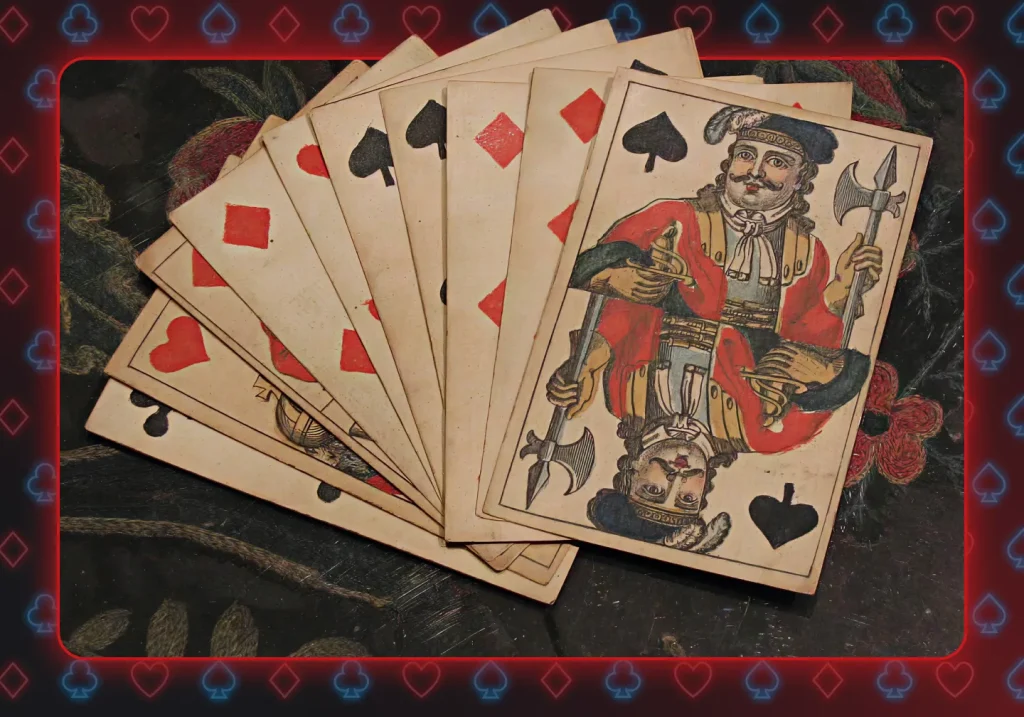
In fact, antique playing cards are some of the most fascinating and fragile items you can ever find. In the very early days of the 1800s, decks did not even have numbers printed in the top corners. These were called "no-index" cards.
Players had to fan their cards out and count the suit symbols by hand just to know what hand they were holding. Finding a complete, well-preserved deck of no-index cards from the 1800s is literally like finding buried treasure today. Because paper was cheap and easily ruined by spilled whiskey or cigar ash, very few of these decks survived the century.
During the American Civil War, soldiers on both sides carried decks in their uniform pockets. They used these antique playing cards to pass the terrifying hours between major battles. Because fresh paper was incredibly scarce during wartime, these decks were used until they practically disintegrated in the soldiers' hands.
If a museum or private collector finds a surviving, complete deck from that brutal era, it can fetch many thousands of dollars at a public auction. The artwork on these old decks is also completely unique and tells a fascinating story of its own. Many featured strange, intricate designs on the face cards, reflecting the raw politics and pop culture of their time. But before you try to acquire a historic relic of your own, you can always explore several incredible gambling museums that will take you back in time and tell the story of gambling from its earliest beginnings to the present day.
The Birth and Boom of Vintage Casino Chips
If the cards are the beating heart of the game, the chips are its lifeblood. In the raw early days of frontier gambling, players did not have standard chips. They used whatever they had in their pockets: gold dust, valuable silver nuggets, or even live ammunition to place their bets.
Eventually, saloon owners realized they desperately needed a standardized, fair currency to stop arguments. Thus, the official poker chip was finally born. The very first chips in the 1800s were painfully carved out of elephant ivory, animal bone, or baked clay.
Today, those early frontier pieces are incredibly valuable to historians, but the real excitement for collectors begins much later. The absolute peak of collecting starts when we look at vintage casino chips from the golden era of the Las Vegas Strip. Back in the 1950s and 1960s, glamorous, neon-soaked casinos like The Sands, The Dunes, and The Stardust completely ruled the desert.
These legendary places were famously run by notorious mobsters and heavily frequented by the Rat Pack, including Frank Sinatra and Dean Martin. Getting your hands on authentic vintage casino chips from these closed-down, demolished casinos is a massive thrill for any poker fan. Every time you touch one of these old chips, your imagination naturally runs wild.
Did Frank Sinatra toss this exact chip across the green felt during a late-night bender? Did a legendary mob boss use it to run a massive, terrifying bluff in a high-stakes backroom poker game? As gaming historian Dr. David Schwartz notes:
"The chips themselves are the physical currency of dreams, capturing the exact moments fortunes were made and lost."
The Underground Market for Collectible Poker Chips
Collecting these small items is a massive, highly competitive hobby worldwide. Dedicated treasure hunters spend decades trying to track down very specific collectible poker chips to complete their private display sets. The ultimate financial value of a chip is strictly based on its overall rarity, physical condition, and the wild story attached to it.
One of the most famous examples in the world is the elusive $500 chip from The Dunes casino. Because high-value chips were almost always cashed in for real money at the end of the night, very few actually survived. When the casino was finally demolished, the remaining high-roller vintage casino chips became worth an absolute fortune to private buyers.
Some of the most valuable chips in existence actually come from illegal underground gambling clubs, not massive casinos. Before gambling was widely legalized across America, secret clubs operated in hidden back rooms and dark basements. The chips from these illegal speakeasy joints often featured hidden symbols or completely plain designs.
They were designed this way to avoid police detection during a sudden raid. If the cops busted the joint, the owners could claim the plain chips were just for a friendly game of checkers. Here are some of the most sought-after chips in the historical collecting world:
Casino / Location | Era | Why is it famous | Estimated Auction Value |
|---|---|---|---|
Illegal Speakeasy Joints | 1920s | Used in secret Mafia poker games during the Prohibition era. | Varies greatly |
The Sands (Las Vegas) | 1950s | The ultimate playground of the Rat Pack and mafia elites. | $1,000 - $3,000 |
The Dunes (Las Vegas) | 1960s | Rare $500 high-roller chips that survived the casino's destruction. | $5,000+ |
The Stardust (Las Vegas) | 1970 | Iconic space-age logo, famous for its deep, violent mob history. | $500 - $2,000 |
The Dark Side of Rare Poker Memorabilia: Cheating Devices
Now, let us explore the darker, seedier side of gambling history. Not every player in the 1800s and 1900s relied strictly on luck and mathematical skill. Many relied on brilliant, highly illegal cheating devices, which are now considered premium pieces of rare poker memorabilia.
Back in the riverboat days, professional card sharps (cheaters) made a fortune robbing wealthy businessmen. One of the most famous items collectors look for is the "Kepplinger Holdout." Invented by a gambler named P.J. Kepplinger in the late 1800s, this was a complex mechanical device hidden inside a player's shirt sleeve.
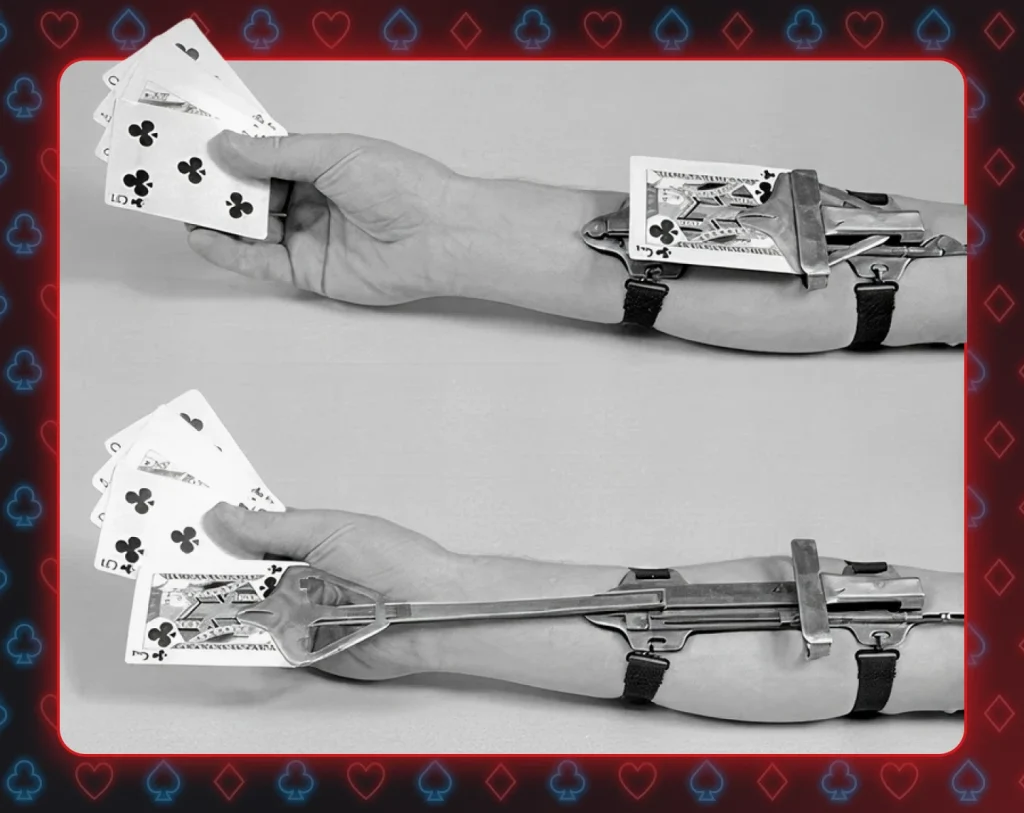
Using a secret system of pulleys connected to the player's knees, the holdout could seamlessly hide a winning card up the sleeve and drop it back into the player's hand when needed. When Kepplinger was finally caught by other angry gamblers, they were so impressed by the machine that they forced him to make copies for them instead of killing him. Today, an original antique holdout is an incredibly valuable and rare find.
Collectors also hunt for antique playing cards that were secretly altered, such as vintage "marked cards" from the early 20th century. Cheaters would use special red-tinted glasses or subtle scratching tools to mark the backs of the cards. Authentic historical poker items used by actual caught cheaters are extremely popular because they represent the dangerous, outlaw nature of early gambling.
Historic Saloon Tables and Riverboat Furniture
While chips and cards fit nicely in a display case, some collectors go after the biggest artifacts possible. We are talking about the actual, heavy wooden poker tables where legends played and died. These massive historical poker items are the centerpieces of million-dollar collections.
Take a trip in your mind to Tombstone, Arizona, the home of the famous gunfight at the O.K. Corral. Inside the legendary Bird Cage Theatre, there is a poker table that hosted the longest poker game in recorded history. The game ran continuously for eight years, five months, and three days!
Players like Doc Holliday and Wyatt Earp reportedly sat at this very table. If a table with that kind of verified Wild West history ever hit the open auction block, it would easily sell for millions of dollars. Another fascinating example involves the notorious Chicago gangster Al Capone.
Capone loved to gamble, and he had custom-built, heavy oak poker tables in his private hideouts. These tables often featured secret, hidden compartments underneath the felt where players could quickly stash their illegal guns if the police kicked the door down. Surviving mobster tables are some of the most highly prized pieces of rare poker memorabilia in existence.
The Evolution of the WSOP and Million-Dollar Bracelets
Moving into the modern era, the grandest stage in gambling is the World Series of Poker (WSOP). Held every summer in Las Vegas, this tournament turns ordinary people into global superstars. Naturally, the items associated with this massive event are highly prized by deep-pocketed collectors.
Today, the winner of a WSOP event receives a massive, diamond-encrusted gold bracelet. However, in the very first WSOP in 1970, there were no bracelets at all. The winner, Johnny Moss, was simply awarded a small, engraved silver cup.
That original 1970 silver cup is considered the holy grail of modern poker history. When a real, authentic WSOP gold bracelet hits the public auction block, collectors completely lose their minds. These are not just shiny pieces of jewelry to wear around town to show off your wealth.
They are incredibly unique, deeply personal artifacts that represent a lifetime of dedication, elite skill, and incredible luck on the green felt. Sometimes, older champions auction off their vintage bracelets for charity, while others are sold to pay off massive gambling debts. Either way, owning a WSOP bracelet is the ultimate flex for a true memorabilia collector.
Decoding the Legend of the Dead Man's Hand
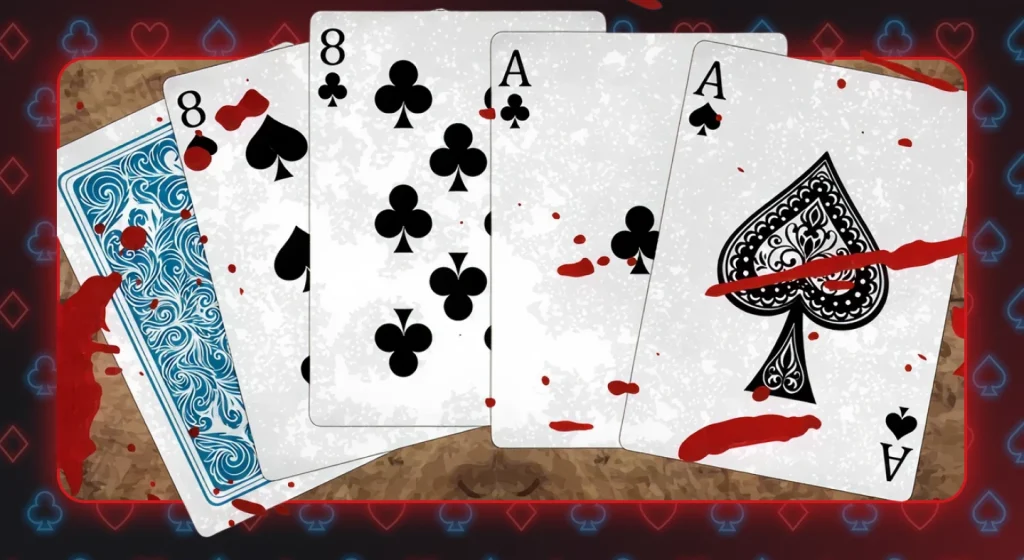
No historical tour of poker would be complete without mentioning the most famous poker hand of all time. We are talking about the legendary "Dead Man's Hand", consisting of black aces and black eights. As the famous, bloody story goes, legendary lawman Wild Bill Hickok was holding these exact cards when he was murdered.
In 1876, Hickok was playing five-card draw in a saloon in Deadwood, South Dakota. A coward named Jack McCall walked up behind him and shot him in the back of the head. Hickok slumped over the table, dropping his cards onto the floor.
Because of this deeply ingrained pop culture legend, historical poker items related to Deadwood poker from the 1870s are incredibly valuable. If a collector could somehow prove they owned the actual chair Hickok sat in, or a chip from that specific game, the value would be literally incalculable. It proves that the most valuable items are not always made of gold; sometimes, they are just made of a great, bloody story.
Why Collecting Gambling Artifacts is a Booming Investment
Why do completely sane people pay thousands of dollars for vintage casino chips and antique playing cards? The truth is, collecting rare poker memorabilia has become a booming, highly lucrative alternative investment. Just like classic American muscle cars or vintage comic books, the prices for these rare relics just keep going straight up.
Modern corporations are constantly tearing down old, outdated casino buildings to build bigger, shinier mega-resorts. When a casino permanently closes its doors, its chips are officially destroyed. They are literally thrown into massive concrete mixers to prevent future counterfeit fraud.
Because the casinos actively and aggressively destroy their old inventory, the very few pieces that somehow sneak out the door become incredibly rare overnight. This forced, artificial scarcity naturally drives the private auction prices of collectible poker chips straight into the stratosphere. A clay chip that was worth exactly $5 in 1965 might easily be worth $5,000 today.
It is a fantastic return on your financial investment if you know exactly what to look for. The market demand for historical poker items also spikes aggressively whenever a popular movie or documentary about old-school gambling is released. When everyday people watch stories about the glamorous old Vegas mob or the gritty Wild West, they immediately want to own a physical piece of that amazing history.
How to Start Your Own Historical Collection Today
The best news is that you absolutely do not need to be a Wall Street millionaire to start your own personal museum. It is surprisingly easy, highly affordable, and incredibly addictive to start collecting poker history. Many people begin simply by grabbing a single, low-value one-dollar chip from every new casino they visit on vacation.
Over time, a simple, cheap vacation souvenir collection can quickly turn into a serious, highly profitable hobby. You can easily find beautiful, affordable vintage casino chips from the 1980s and 1990s, alongside older antique playing cards, on online auction sites all day long. The absolute key to success in this hobby is to do your homework, read historical books, and only buy the items you truly love looking at.
Always make sure to verify the authenticity of high-priced items, as the market does have its fair share of fakes. Join online forums, talk to veteran collectors, and slowly build your knowledge base. Before you know it, you will have a display case full of incredible stories right in your living room.
Whether it is a shiny, heavy clay chip from the bright neon lights of Vegas or a worn-out deck of cards from a bloody Civil War battlefield, these objects tell our shared human story. They remind us that human beings have always loved to take massive risks. We have always loved the pure, undeniable thrill of the unknown.
So, the next time you sit down for a friendly Friday night home poker game, take a good, long look at your cards and your chips. You might just be shuffling the priceless, legendary museum relics of tomorrow!
About the Editor

Gyöngyi P. Tóth is Somuchpoker's Content Writer and Poker Stories Specialist, writing Side Pot features, WSOP storylines, and the site's Poker in Pop Culture and Legends of Poker series. She was introduced to poker 20 years ago through live tournament play, and what has kept her interest since is the psychology and human behavior behind the game as much as the cards themselves.
Related News
 Live PokerLifestyle
Off the Felt in Sanya: The Best Things to Do Away From the CPG Tables
Discover six outdoor things to do in Sanya away from CPG, from paddleboarding and surfing to rainforest walks and canyon stream trekking.
 LifestyleAsiaStories
Asia's Poker Revolution - Streams on the Felt: The Ultimate Guide to Asian Gambling Series
Discover the ultimate guide to Asian gambling series and shows. From Korean Asian casino dramas to intense Japanese gambling anime, explore high-stakes TV.
 Live PokerLifestyle
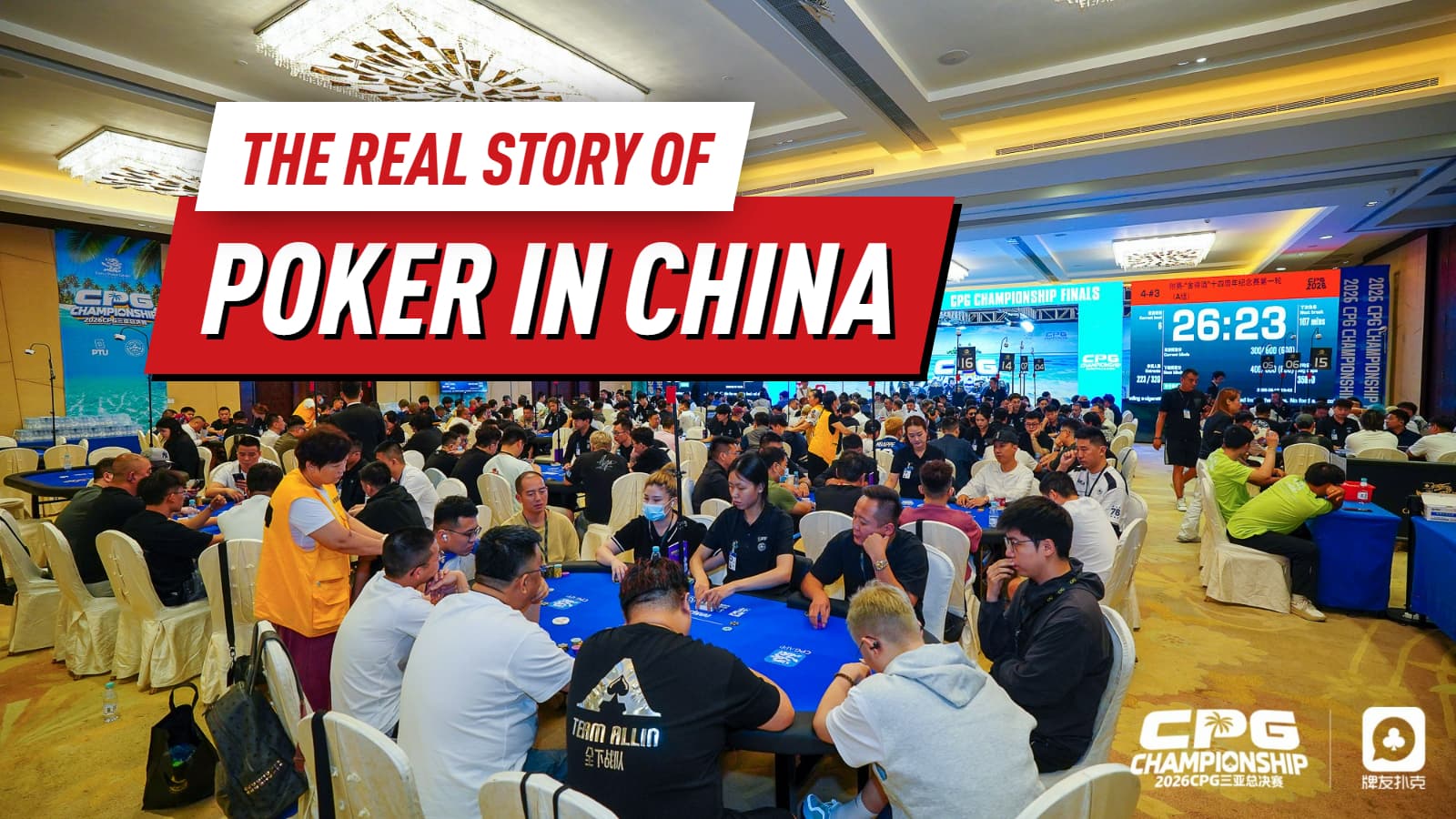
Is There Really Poker in China? Inside the Country’s Growing Tournament Scene
Is there really poker in China? Discover how CPG uses online qualification and organised competition to grow the country’s tournament scene.
 LifestyleAsiaStories
Asia's Poker Revolution - Cinema on the Felt: The Ultimate Guide to Asian Gambling Movies
Discover the ultimate guide to Asian gambling movies. From Hong Kong classics to intense Korean casino thrillers, explore high-stakes cinema on the felt.
 LifestyleStories
Poker in Pop Culture - Kakegurui and Poker: Why the Bet Series Appeals to Poker Fans
Discover why Kakegurui and Netflix's Bet appeal to poker fans through bluffing, psychology, risk-taking, and the strategic mind games that define both worlds.
 LifestyleStories
Poker in Pop Culture - Reality Poker TV Shows
Discover the best poker TV shows, from High Stakes Poker to Poker After Dark. Relive the poker boom and the unforgettable moments that captivated millions.