

From Chips to Fame - Part 2 - How Poker Players Become Famous: The Real Path From Casino Tables to Stardom

Poker is the only game in the casino ecosystem where the house doesn’t have a stake in who wins the pot. The casino acts as the host, providing the dealer, the cards, and security, and taking a small fee called the "rake" for its services. The real battle is player vs. player. This fundamental difference has created a phenomenon no other gambling game can claim: The Poker Legend.
We don't see "Hall of Fame" slot players. We don't see "Professional Baccarat Celebrities" signing autographs. But we do see poker players on magazine covers, starring in movies, and building massive digital empires.
If you’ve ever wondered how poker players become famous, it isn’t a matter of hitting a lucky jackpot. It is a calculated, often grueling journey from the shadows of backrooms to the bright lights of international stardom.
1. The Foundation: From Underground Cash Games to the Casino Floor
Every legendary professional poker career begins with a "grind". Long before the cameras are rolling, the future stars of the game are honing their skills in environments that are far from glamorous.
The Gritty Origins
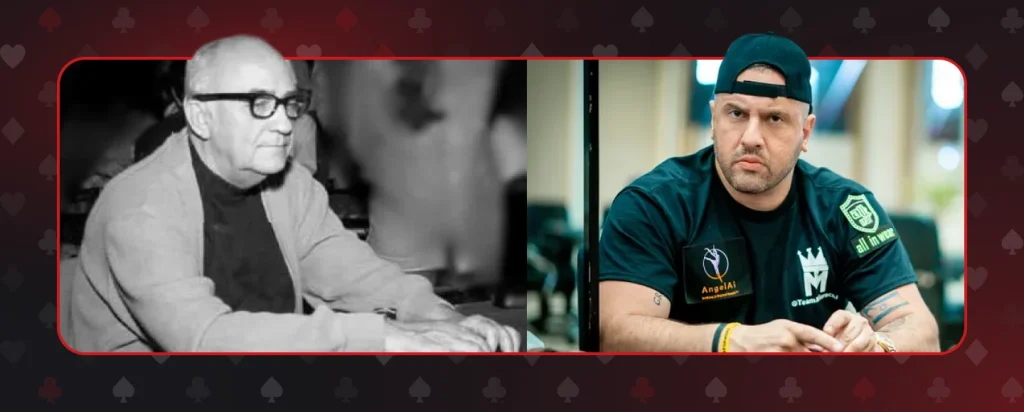
In the pre-internet era, the path was physical and dangerous. Legends like Doyle Brunson and Amarillo Slim didn't start in five-star resorts. They started in underground cash games across the American South. These games were often hosted in the back of pool halls or private residences. There was no "corporate security" - players had to protect their own bankrolls.
This environment created a specific type of fame: The Road Gambler. You became famous among other players for your nerves and your ability to read people. This "street cred" was the first version of poker stardom.
The Transition to the Legal Stage
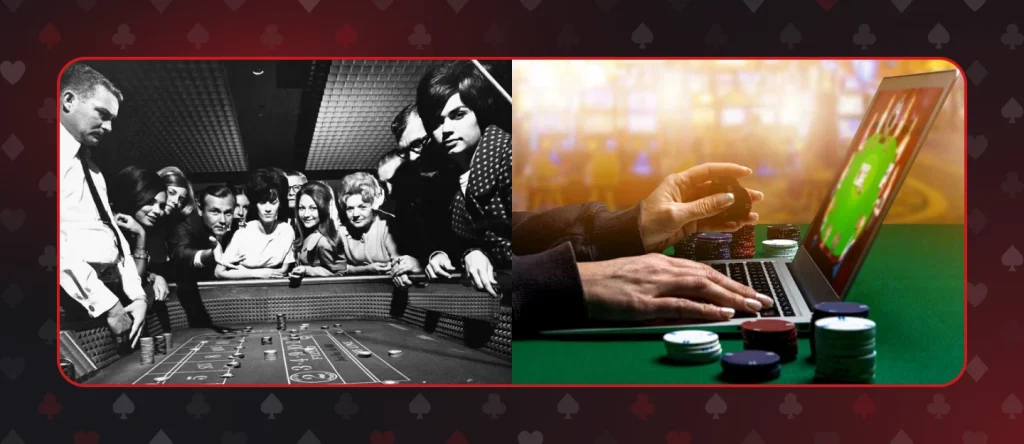
As Las Vegas evolved into a regulated gambling mecca, these underground legends moved into casino poker rooms. This was a pivotal moment in how poker players become famous. The casino provided a safe, public stage.
The World Series of Poker (WSOP): Founded in 1970, the WSOP turned poker from a hobby into a competition.
The Main Event: Suddenly, it wasn't just about who won the most money in a single night. It was about who was the "World Champion".
Winning a tournament in a casino meant your name was printed in the newspapers. It was the first time the public started recognizing poker players as elite tactical thinkers rather than just "gamblers".
2. The Catalyst: The TV Poker Boom and the "Moneymaker" Miracle
If you want to pin down the exact moment poker stardom went mainstream - fundamentally changing how poker players become famous - look no further than 2003. Before this, poker was a niche hobby shown in grainy late-night highlights.
The Invention of the Hole Card Camera
Television producers realized that poker was boring to watch if you didn't know what the players were holding. The invention of the "hole card camera" (or "lipstick cam") changed the game forever. For the first time, the audience at home knew more than the players at the table. We could see the massive bluffs, the agonizing folds, and the stoic poker faces.
Chris Moneymaker: The Everyman Hero
In 2003, an accountant named Chris Moneymaker (his real name!) won a $40 satellite tournament online and went on to win $2.5 million at the WSOP Main Event.
* The Narrative: This wasn't a shark; this was an "average guy".
* The Impact: This sparked the "Poker Boom". Millions of people rushed to online sites and local casinos, all trying to follow in his footsteps.
Because of the TV poker boom, players weren't just names on a leaderboard; they were characters. Daniel Negreanu became "Kid Poker", the friendly guy who could read your soul. Phil Hellmuth became the "Poker Brat", the man you loved to hate. This era taught the world that poker players become famous for their personalities as much as their skills.
3. Interesting Transition Patterns
The world of poker is full of successful players who walked away from entirely different careers for the sake of the card table, before building a professional poker career. While many came from fields that require logical thinking, there are also some truly surprising transitions.
Professional Poker Players and Their Former Careers
Player | Former Career | Notes |
|---|---|---|
Journalist & TV Presenter | She was a well-known columnist and broadcaster long before becoming the first two-time EPT champion. | |
Real Estate Attorney | The 1995 WSOP Main Event champion used his legal background to develop his "tight" playing style. | |
Olympic Field Hockey Player | An Olympic gold medalist for the Netherlands before joining Team PokerStars. | |
Astrophysicist | She earned a degree in Physics and Astrophysics from the University of Manchester. | |
Professional Sports Bettor | Famous for his record-breaking streak on the game show Jeopardy! before his poker success. | |
Hedge Fund Analyst / Lawyer | After a dominant poker career, she retired to work for a hedge fund and later practiced law. | |
World-Class Backgammon Player | Before becoming "The Great Dane" of poker, he was among the world's elite backgammon players. | |
Banker & Real Estate Tycoon | A billionaire mathematician who took on "The Corporation" (a group of top pros) in legendary high-stakes games. | |
Software Engineer | Worked at Symantec in the early days of Silicon Valley; he is often called the "Robin Hood of Poker". |
4. The Business Era: Sponsorship and Branding
Once the cameras arrived, the money followed - and not just from the prize pools. The mid-2000s saw the rise of poker sponsorship and branding, which turned players into walking billboards.
The "Patch" Culture
During the height of the boom, online poker giants like PokerStars and Full Tilt Poker would pay players millions of dollars just to wear a logo on their sleeves.
Team Pros: Being a "Team Pro" was the ultimate sign of success. It meant you had a salary, your travel was paid for, and you were the face of the brand.
Commercials: Famous players appeared in TV ads alongside sports stars and Hollywood actors.
Developing a Personal Brand
In the modern landscape, traditional sponsorships have shifted. Today,poker players become famous through self-built digital empires.
Vlogging: Players like Andrew Neeme and Brad Owen revolutionized the game by vlogging their "poker journeys" on YouTube. They showed the wins, the losses, and the reality of the casino lifestyle.
Social Media: Twitter and Instagram allow players to interact directly with fans. A player today is a content creator, a coach, and an influencer all rolled into one.

5. The High-Roller Circuit: Elite Status in the Modern Age
In the last decade, a new tier of poker stardom has emerged: The High-Roller Elite. As the average player became more skilled, the top pros moved into exclusive, high-buy-in tournaments ($25,000 to $1,000,000 entries). These events, often held in luxury casinos in Macau, London, or the Bahamas, are the "Formula 1" of poker.
The Triton Poker series has redefined luxury in the game. These events are filled with billionaires and the world's sharpest pros.
The All-Time Money List: Fame is now tracked by "Gross Earnings". Players like Bryn Kenney and Justin Bonomo have won over $60 million in tournaments. This "Scoreboard" keeps them in the headlines constantly.
Prestige: Winning a High Roller event in a prestigious casino carries a level of respect that transcends the game. It proves that you can survive in the most high-pressure environment on Earth.
6. Why Poker Players Stay Famous (While Others Fade)
Why do we still care about Phil Ivey or Daniel Negreanu after 20 years? In most sports, athletes retire. In most casino games, gamblers go broke.
Poker players stay famous because of three things:
1. Longevity: You can play poker at a world-class level from age 21 to 81.
2. The Narrative of Redemption: Everyone loves a comeback story. A player who goes "bust" and then wins a million dollars a year later is a classic poker trope.
3. Intellectual Respect: Unlike a lottery winner, a famous poker player is respected for their mind. We view them as master psychologists and math wizards.
Summary: The Checklist for Poker Stardom
If you are looking to start a professional poker career and want to know how poker players become famous, follow the "Legacy Path":
Step 1: The Grind. Build a bankroll in live casino games or online.
Step 2: The Major Win. Secure a title in a televised or highly-publicized event (WSOP/WPT).
Step 3: The Persona. Be more than a "stat sheet". Have a personality, a style, or a story that people remember.
Step 4: Content & Branding. Leverage your wins to build a social media following or secure sponsorship deals.
Step 5: Consistency. Stay relevant by competing in high-stakes arenas and adapting to the modern game.
While you're waiting for poker sponsorship and branding offers, check out our online poker site reviews, so you can already find yourself doing the most important thing: Step 1, the grind.
About the Editor

Gyöngyi P. Tóth is Somuchpoker's Content Writer and Poker Stories Specialist, writing Side Pot features, WSOP storylines, and the site's Poker in Pop Culture and Legends of Poker series. She was introduced to poker 20 years ago through live tournament play, and what has kept her interest since is the psychology and human behavior behind the game as much as the cards themselves.
Related News
 StoriesLegends of Poker
Gus Hansen Now: Poker, Fatherhood and Life Beyond the Tables
Does Gus Hansen still play poker? Explore his life today, from Team Winamax and WSOP appearances to fatherhood, family life and his growing passion for padel.
 Legends of PokerStoriesStories
Daniel Cates Net Worth: Jungleman’s Poker Career, Biggest Wins and Losses
Explore Daniel “Jungleman” Cates’ net worth, documented poker earnings, biggest wins and losses, back-to-back WSOP titles and multimillion-euro heads-up matches.
 Legends of PokerStories
Bill Perkins: Net Worth, Poker Career and Biggest Bets
Discover Bill Perkins’ net worth, poker career, biggest prop bets, high-stakes cash games, Die With Zero philosophy and business background.
 Live PokerInterviewLegends of Poker
Billy ‘The Croc’ Argyros Wants Poker’s Character Back
Billy "The Croc" Argyros recalls facing Johnny Moss, earning his famous nickname and why today’s poker pros must respect recreational players.
 Legends of PokerStories
From Chips to Fame - Part 6 - Casino Cash Games vs Tournaments: Which Made Poker Players Richer?
Wondering about poker tournaments vs cash games? Discover the best poker format for beginners, explore the risk vs reward, and learn how to grow your bankroll.
 NewsLegends of PokerStories
Geek Women Legends at the Poker Table – Part 2: Annie Duke
Part 2 of Geek Women Legends at the Poker Tables focuses on Annie Duke, a living example of the intersection between cognitive science and high stakes poker.