Slot Machine Payline Explained

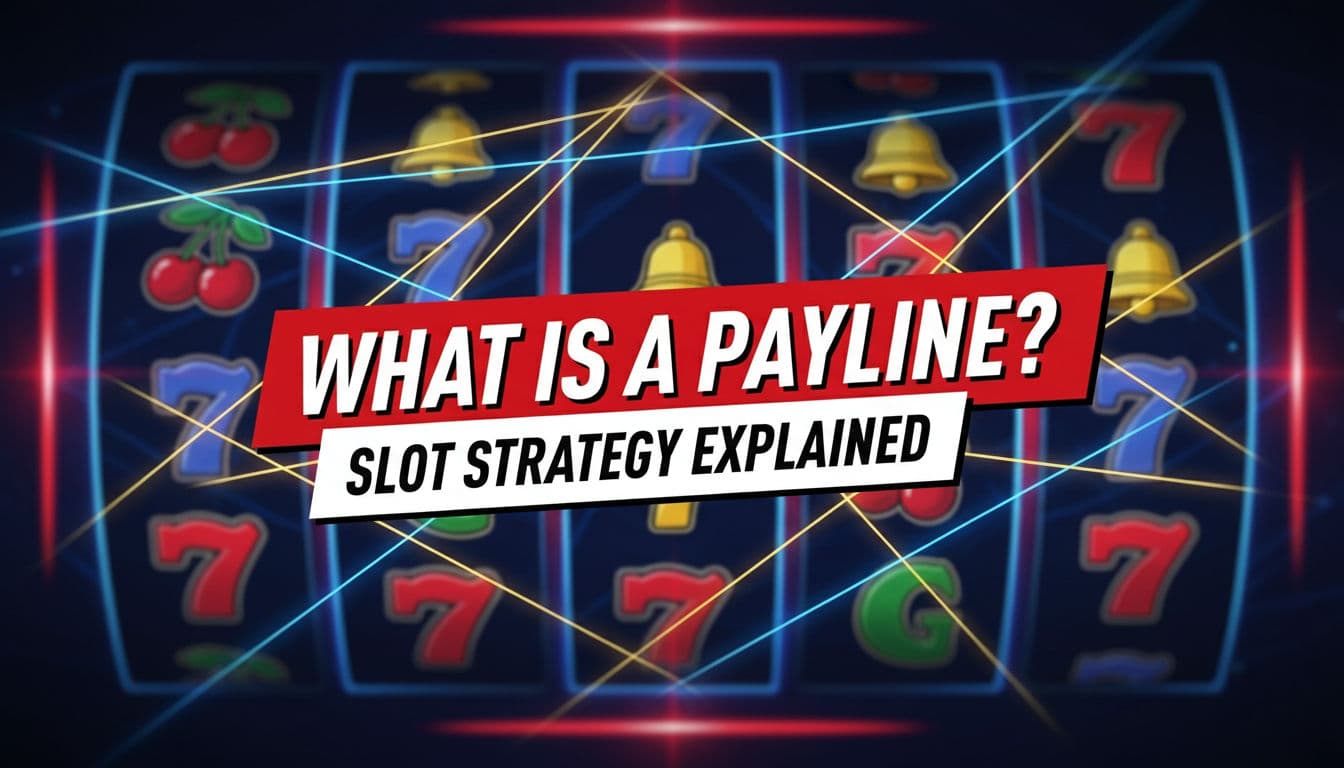
At its core, a payline is the line on which winning symbol combinations must land for a player to win a prize in a slot game. Once a simple straight line across the middle of three reels, today's video slots feature intricate patterns, from zig-zags to complex geometric shapes, creating hundreds or even thousands of ways to win. This guide breaks down exactly how paylines work, the different types you'll encounter, and why they are vital to your slot strategy.
What Exactly is a Slot Machine Payline?
Think of a slot machine payline as a pre-determined path across the reels. When you spin, the symbols land in various positions. If the required matching symbols fall along one of these active paths, you get a payout. The simplest example is in a classic 3-reel slot, where a single horizontal line across the center is the only payline. To win, you'd need three matching symbols to land perfectly on that line.
Modern video slots have revolutionized this concept. They can have 10, 25, 50, or even more paylines. These lines can run straight, diagonally, in V-shapes, or in zig-zag patterns across the reels. Before you play any slot, it's essential to check the game's paytable. This information screen shows you the exact patterns of all winning paylines, the value of each symbol, and details on bonus features.
In a high-quality online casino, you will often encounter "ways to win" mechanics, such as Megaways, which abandon traditional fixed paylines altogether in favor of thousands of potential combinations. This digital evolution allows an online casino to offer much more dynamic gameplay, where every spin can change the number of active paths, providing a level of variety and excitement that far exceeds the capabilities of old-school mechanical machines.
How Paylines Work in Slot Machines
The mechanics of a payline are straightforward: you place a bet, spin the reels, and hope for the best. For a payline to be active, you typically must have placed a wager on it. If a winning combination lands on a payline you didn't bet on, you won't receive a payout for it. This is a critical distinction in games with adjustable paylines.
Understanding the paytable is the first step to a smart slot session. It's the game's instruction manual, and the payline map is its most important chapter.
Most slot machine paylines pay from left to right, meaning the winning combination must start on the first reel (the leftmost one) and continue on consecutive reels. However, some modern games feature 'Win Both Ways' mechanics, where combinations can also pay from right to left, effectively doubling your chances to hit a winning line.
Exploring Different Types of Paylines
The evolution of slots has introduced several payline structures, each offering a different gameplay experience. Understanding them helps you choose a game that fits your style and budget.
Fixed vs. Adjustable Paylines
In a game with fixed paylines, you automatically bet on every single available line with each spin. You cannot change the number of active lines. Conversely, adjustable paylines let you choose how many lines to activate, from 1 to the maximum. While this allows for lower minimum bets, remember that deactivating lines means you can't win on them.
Ways-to-Win and Cluster Pays
Some games discard traditional slot machine paylines altogether. The 'Ways-to-Win' system, popularized by 243-ways slots, awards a win for matching symbols on any position in adjacent reels, usually from left to right. This structure creates far more potential winning combinations than standard payline slots.
Another innovative system is Cluster Pays. In these games, you win by landing a group or 'cluster' of matching symbols that touch horizontally or vertically. The lines don't matter; it's all about forming a large enough block of the same symbol.
The Importance of Paylines for Your Strategy
Your approach to paylines directly impacts your bankroll and potential for big wins. Activating more paylines increases your cost per spin but also raises your chances of landing winning combinations. For many progressive jackpot slots, you must have all paylines active (or bet the maximum) to be eligible for the grand prize.
Ultimately, the best strategy depends on your goals. If you're hunting for a massive jackpot, playing all lines is often necessary. If you want to extend your playtime with a limited budget, playing fewer lines on an adjustable-payline slot might be the better choice, though it reduces your odds of winning on any given spin.
| Pros | Cons |
|---|---|
Activating more paylines increases the chances of landing a winning combination on each spin, leading to more frequent payouts. | Playing with more active paylines increases the total bet amount for each spin, which can deplete your bankroll more quickly. |
Many slot games require players to activate all paylines to qualify for bonus rounds or progressive jackpots. | With many paylines active, you might receive frequent small wins that are less than your total stake, creating a misleading feeling of success. |
Related Casino Terms
Best Online Casinos

Vave
4.6Welcome Bonus150% up to 1.5 BTCCashback BonusVariable- Welcome Bonus
- 150% up to 1.5 BTC
- FTD Bonus
- 150% up to 1.5 BTC
- Cashback Bonus
- Variable
- Extra Bonus
- Free Spins
- Platforms


- Browser Support
- Yes
- Mobile Support
- No
- Crypto Support
- Yes
- License
- Republic of Costa Rica
Game types
 No Blackjack
 Baccarat
 No Bingo
 No Craps & dice
 Crash games
 eSports betting
 Jackpot games
 No Keno
 Live games
 Roulette
 No Scratch cards
 Slots
Slots Sports betting
 No Video poker
Payment methods


LTC Casino
4.4Welcome Bonus250% First Deposit Bonus up to $750Cashback BonusNo Cashback- Welcome Bonus
- 250% First Deposit Bonus up to $750
- FTD Bonus
- 250% up to $750
- Cashback Bonus
- No Cashback
- Platforms
- Browser Support
- Yes
- Mobile Support
- No
- Crypto Support
- Yes
- License
- No License
Game types
BlackjackBaccaratNo BingoNo Craps & diceCrash gamesNo eSports bettingJackpot gamesNo KenoLive gamesRouletteNo Scratch cardsSlotsNo Sports bettingNo Video pokerPayment methods


Jack
4.6Welcome Bonus100 Free Spins + Risk-Free Sports BetCashback BonusUp to 30%- Welcome Bonus
- 100 Free Spins + Risk-Free Sports Bet
- Cashback Bonus
- Up to 30%
- Extra Bonus
- 100 Free Spins
- Platforms
- Browser Support
- Yes
- Mobile Support
- No
- Crypto Support
- Yes
- License
- Curaçao Gaming Control Board
Game types
BlackjackBaccaratNo BingoNo Craps & diceCrash gameseSports bettingJackpot gamesNo KenoLive gamesRouletteScratch cardsSlotsSports bettingNo Video pokerPayment methods


Duel
4.2Welcome Bonus50% Instant RakebackCashback BonusFix 50%- Welcome Bonus
- 50% Instant Rakeback
- Cashback Bonus
- Fix 50%
- Extra Bonus
- 100% RTP Games
- Platforms
- Browser Support
- Yes
- Mobile Support
- No
- Crypto Support
- Yes
- License
- License No. ALSI-202411026-FI1.
Game types
No BlackjackBaccaratBingoCraps & diceCrash gameseSports bettingJackpot gamesNo KenoLive gamesRouletteNo Scratch cardsSlotsSports bettingVideo pokerPayment methods

Stake US
4.6Welcome BonusFree 25 SC + 250K Gold Coins- Welcome Bonus
- Free 25 SC + 250K Gold Coins
- Extra Bonus
- 1 Stake Cash + 10,000 Gold Coins Free - Every Day
- Platforms
- Browser Support
- Yes
- Mobile Support
- No
- Crypto Support
- Yes
- License
- Sweepstakes (US Federal Law)
Game types
BlackjackBaccaratNo BingoCraps & diceCrash gamesNo eSports bettingNo Jackpot gamesNo KenoLive gamesRouletteScratch cardsSlotsNo Sports bettingNo Video pokerPayment methods

Shuffle US
4.7Welcome BonusFree 1 Shuffle Coin + 25,000 GC- Welcome Bonus
- Free 1 Shuffle Coin + 25,000 GC
- Extra Bonus
- Daily Log in Bonus
- Platforms
- Browser Support
- Yes
- Mobile Support
- No
- Crypto Support
- Yes
- License
- Sweepstakes Model — Munyon Canyon Ltd (BVI)
Game types
BlackjackBaccaratNo BingoNo Craps & diceCrash gamesNo eSports bettingNo Jackpot gamesNo KenoLive gamesRouletteNo Scratch cardsSlotsNo Sports bettingNo Video pokerPayment methods